
REVIEW · TOURS
Anti tour Medellin
Medellín changes; memory has gaps. This Anti Tour is the kind of city tour that asks what progress cost, with viche tasting and conversations you won’t hear on a standard route. I especially like how it pairs big landmarks—like the Casa de la Memoria—with the everyday spaces where people still live, work, and trade. One drawback: this is emotional and sometimes uncomfortable, and parts of the route can feel a bit tense, so you’ll want to stay close to your guide and stay alert.
You’ll get a live English guide and a mix of short walks plus a quick scenic drive through the center’s layers of change. At about $33 per person for 3 hours, it includes several key stops and the museum ticket, which makes it better value than a lot of “just sights” tours. If you want only postcard Medellín, this one may feel like it’s grading you for looking away.
In This Review
- Key points to know before you go
- Why an Anti Tour Makes Medellín Make Sense
- Monumento a la Raza and Parroquia de la Veracruz: Power, Identity, and Survival
- La Alpujarra to Parque de las Luces: When a Market Becomes Lighting Fixtures
- El Hueco Centro Comercial: Everyday Noise Meets Old Fragments
- Palacio Nacional: How Power Spaces Get Rewritten
- Plaza Botero and Palacio de la Cultura: Art as a City Strategy
- La Veracruz Church Nearby, Junín Street Memory, and La Playa’s Aristocratic Trace
- La Alpujarra Spirits Workshop: Viche Tasting With Real Context
- Casa de la Memoria Museum: Reflecting on Conflict and Resilience
- Ending at Parroquia de San Ignacio de Loyola: A Quiet Close
- Price and What You’re Really Paying For
- Safety, Comfort, and What to Bring (So You Enjoy It)
- Should You Book Anti Tour Medellín?
- FAQ
- Where does the Anti Tour Medellín start?
- How long is the tour?
- What language is the guided tour in?
- What’s included in the price?
- Do I need transportation?
- Is the tour suitable for wheelchair users?
- What should I bring and wear?
- Is there free cancellation?
Key points to know before you go
- Anti Tour concept: you’ll see Medellín through demolished, silenced, or forgotten spaces, not just monuments.
- La Alpujarra spirits workshop: a hands-on traditional liquor (viche) stop that fits the theme of identity and rebuilding.
- Casa de la Memoria Museum: time for real reflection on Colombia’s armed conflict and its human impact.
- Meet ex-combatants and victims: the tour’s heart is the people and stories behind the city’s changes.
- Colonial survivors vs. redevelopment: you’ll compare last-colonial places with modern reinvention like a living timeline.
- Small-route caution: some walking sections can be uncomfortable—come ready to follow the group closely.
Why an Anti Tour Makes Medellín Make Sense
Anti Tour Medellín works because it treats the city like an argument you can walk through. Most tours tell you what Medellín is becoming. This one asks what was lost along the way—and you’ll feel that question while you’re standing in the middle of redevelopment.
You start at the political-administrative core, then move outward through market spaces, old transport infrastructure, legal/power buildings repurposed for commerce, and neighborhoods that show up as fragments between new construction. The format is also practical: short on-foot moments, then quick moves by car, so you’re not spending all day shuffling from one stop to the next.
I like that it keeps the focus on cause and effect. When you see a colonial church still surviving near newer power centers, the story isn’t abstract. You start noticing how Medellín chose to erase and replace, sometimes quickly, and how that shapes the city’s identity today.
Still shaping your days in the valley? Here are more tours and experiences we have written up around Medellin.

Monumento a la Raza and Parroquia de la Veracruz: Power, Identity, and Survival
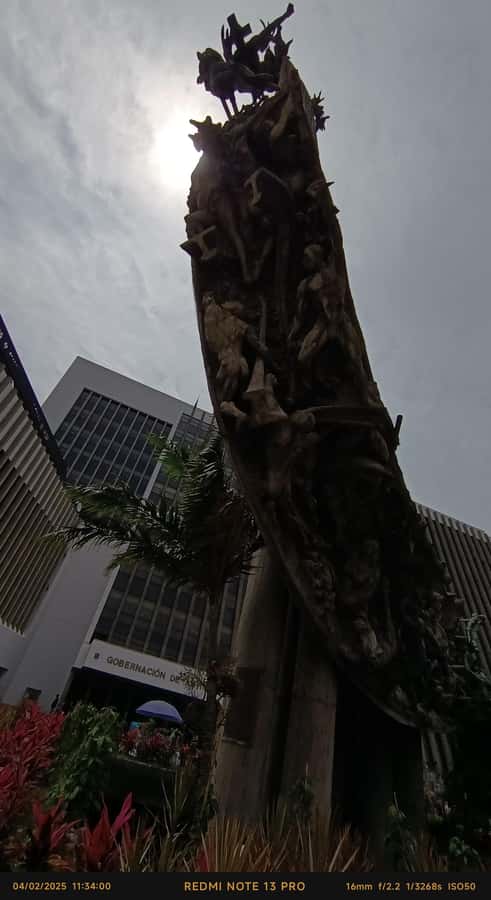
The tour begins right in front of the Monumento a la Raza, a strong symbol of identity and power. Even before the first church stop, the vibe is clear: this isn’t about a stroll with trivia. It’s about how the city frames who it is, then how it redraws that framing as time passes.
From there, you walk toward Parroquia de la Veracruz for a short guided visit. This church is one of the last colonial survivors in the area, which matters because it becomes a physical counterpoint to all the change around it. In other cities, “old” can feel like a theme-park costume. Here, the contrast is sharper because redevelopment is close enough to feel like pressure.
The value of this early pairing is that you’re not just learning names. You’re training your eyes. You’ll start noticing which structures the city kept, which it redesigned, and which it replaced so thoroughly that the original purpose is now hard to see.
La Alpujarra to Parque de las Luces: When a Market Becomes Lighting Fixtures
Next, the route shifts toward La Alpujarra, the administrative core. Nearby, you’re reminded how industrialization shaped Medellín, including how old train infrastructure helped push the city into a new era. The idea is simple: once a city reorganizes transportation and industry, it also reorganizes what it considers worth saving.
From there, you reach Parque de las Luces. Once, this was a vibrant market square; now it’s a forest of light poles showing history that no longer exists in its original form. It’s a striking lesson in urban memory. Light poles are nice, sure. But here they function like markers over a vanished street life.
If you’re the type who likes to understand cities with your feet—how an area feels now and why it feels that way—this is a key part of the tour. You can’t always “see” demolition just by looking. But you can sense it when the space is repurposed so completely that its earlier role disappears.
El Hueco Centro Comercial: Everyday Noise Meets Old Fragments
El Hueco is where the tour gets more grounded. This is a chaotic commercial district with music, crowds, and informal trade—life happening in real time. Old building fragments coexist with anonymous modern constructions, so the city doesn’t look like one clean before-and-after photo. It looks more like a patchwork that keeps getting patched.
This section is also where your guide’s storytelling will matter most. The point isn’t to scare you. It’s to show you how redevelopment doesn’t erase daily living. People adapt, sell, sing, work, and move through the contradictions.
The route here includes a scenic drive segment on the way, which helps if your legs need a break. Still, you should come prepared for the feeling that some corners are busier and less controlled than you might expect. Based on what I’ve learned from the tour’s feedback, the safest way to enjoy this part is to stay with your group and don’t drift for photos.
Palacio Nacional: How Power Spaces Get Rewritten
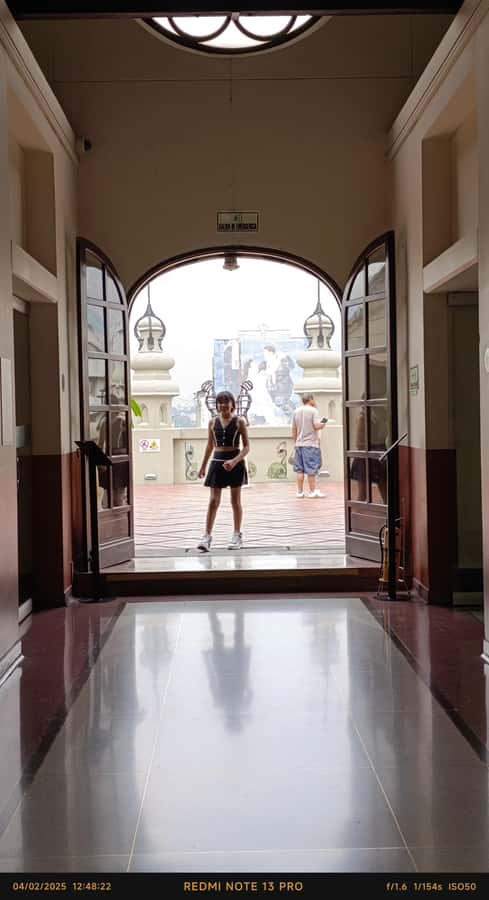
At the Palacio Nacional, you confront transformation in a very literal way. It’s a former judicial palace, and now it’s a shopping center. That repurposing isn’t just a quirky detail—it’s the theme in brick form.
You’ll have a guided visit here, which helps because it would be easy to walk through a mall-like space and miss what it used to mean. Instead, you’re encouraged to notice how institutions and authority can change function while the building itself keeps the weight of the past.
This stop also fits the tour’s emotional goal. Colombia’s armed conflict touched not only neighborhoods, but systems—justice, governance, and public trust. When you see that kind of building rebranded for consumer life, you start asking how a society processes trauma: does it confront it, hide it, or redecorate over it?
Plaza Botero and Palacio de la Cultura: Art as a City Strategy
From the Coltejer Building, a symbol of industrial ambition, you move toward Junín Street—once the heart of elegant urban life—and then to Plaza Botero. The tour uses these spots to trace how economic progress can displace collective memory slowly, not with a single dramatic moment.
At Plaza Botero, art becomes political. You’re surrounded by Botero sculptures and the Palacio de la Cultura Rafael Uribe Uribe, and you’ll talk about how culture helps rebrand and redefine the city’s identity. It’s an important angle, because art can feel universal and harmless—until you see how it gets used to tell a chosen story about who belongs and what the future should look like.
I like this part because it doesn’t force you to pick a side. It simply shows you that identity work is always happening. The city is always deciding what to emphasize, and what to soften, forget, or redesign.
La Veracruz Church Nearby, Junín Street Memory, and La Playa’s Aristocratic Trace
The tour keeps circling back to contrasts. La Veracruz is already present early, but the overall walk-and-drive plan keeps you aware of what survived versus what was replaced. That comparison becomes sharper once you’ve seen how other spaces were turned into new functions.
Junín Street adds another layer. Even if you’re not walking its exact full length, you’ll understand the idea: a place known for refined city life can lose its role when tastes, wealth, and infrastructure shift. Over time, the street can feel like it’s moving on without asking the past for permission.
Then you move toward La Playa Avenue, a remaining trace of the city’s aristocratic past. Along it, you’ll find theaters, old mansions, and the connection to Casa de la Memoria Museum. This last stretch matters because it ties the tour’s “missing pieces” theme to the place where reflection becomes explicit.
Instead of leaving you with only architecture and dates, it funnels you to a museum designed for memory—so the story doesn’t evaporate when you step back onto the street.
La Alpujarra Spirits Workshop: Viche Tasting With Real Context
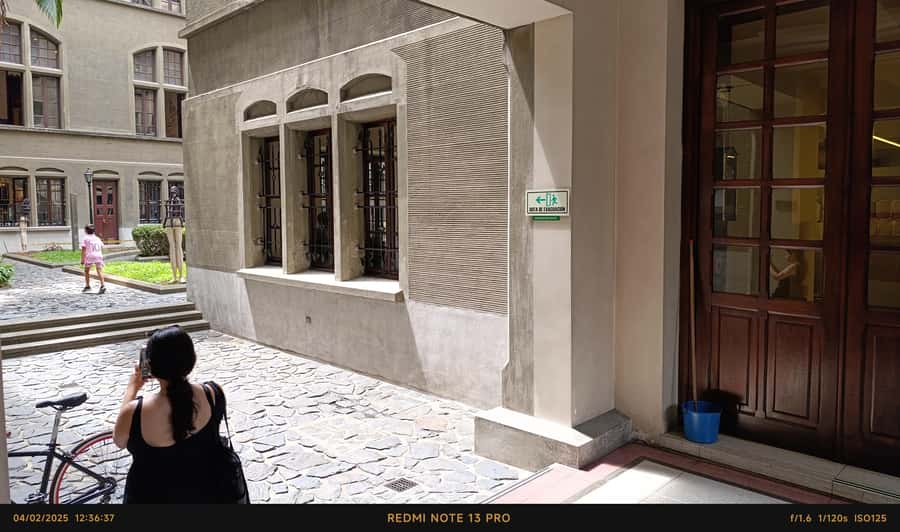
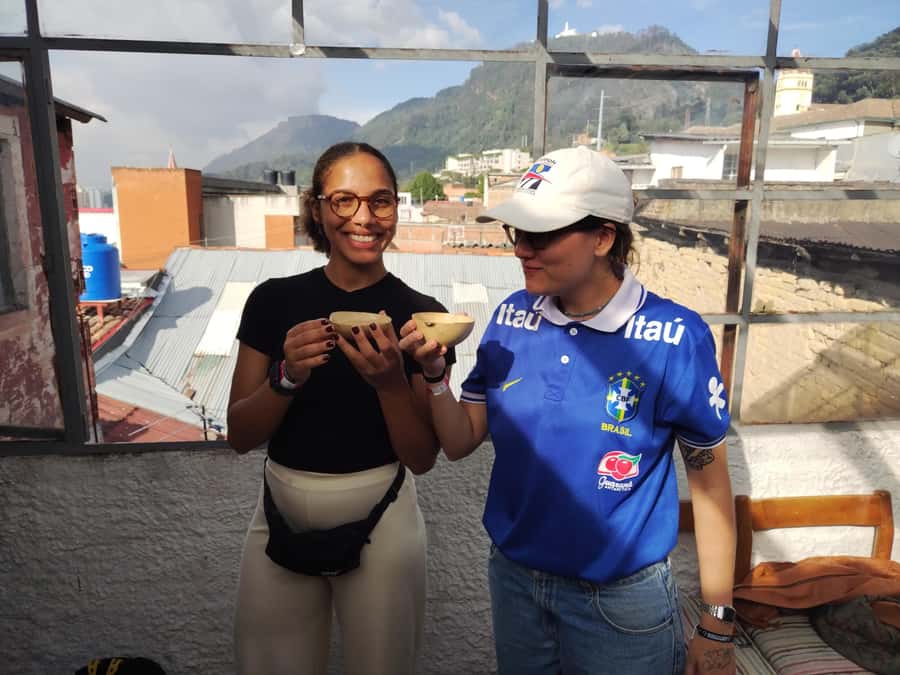
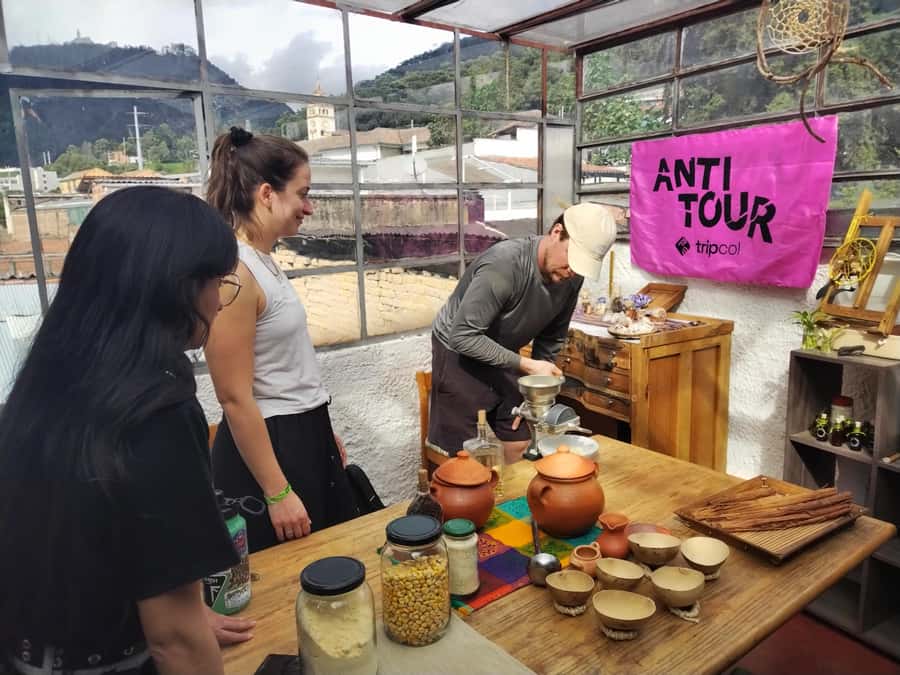
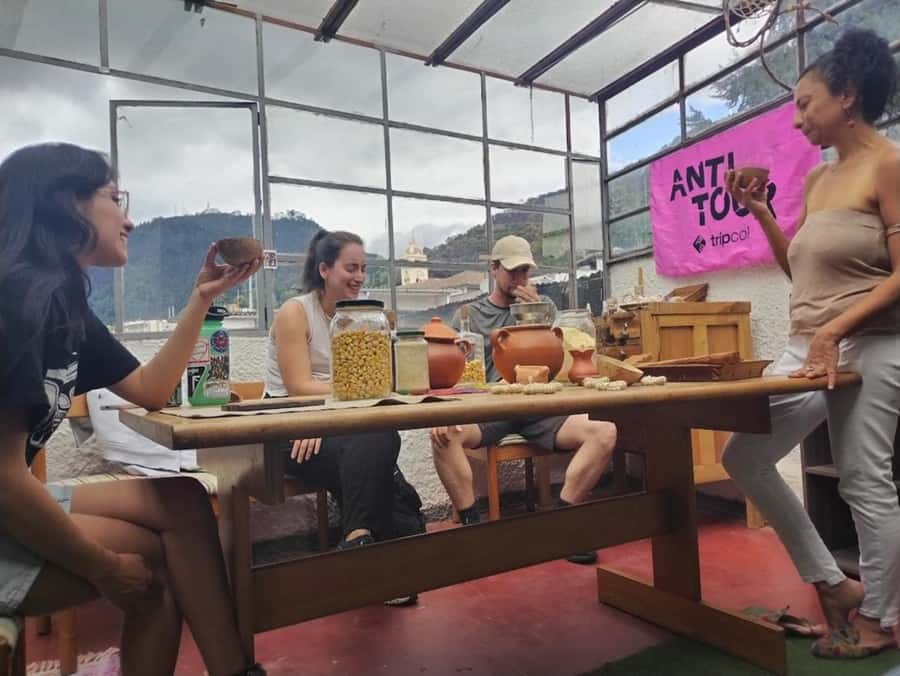
One of the most memorable and practical stops is the spirits workshop in La Alpujarra. You’ll do a spirits session for about 40 minutes, with viche tasting, described as part of the tour’s included experience.
This is not just a “try something local” moment. The tour frames tasting as a way to connect with identity and everyday culture. In Medellín, progress often shows up in infrastructure and business. Here, it also shows up in how people keep cultural practices going, even as the city redraws itself around them.
You should plan to slow down here. Taste experiences work best when you’re present—when you stop rushing for the next photo. And because you’re walking earlier and seeing a lot of ground, this break is also a chance to reset.
If alcohol doesn’t agree with you, keep an eye on how you feel and don’t feel pressured to “finish” a tasting. You’re there to understand the city, not to win a drinking contest.
Casa de la Memoria Museum: Reflecting on Conflict and Resilience
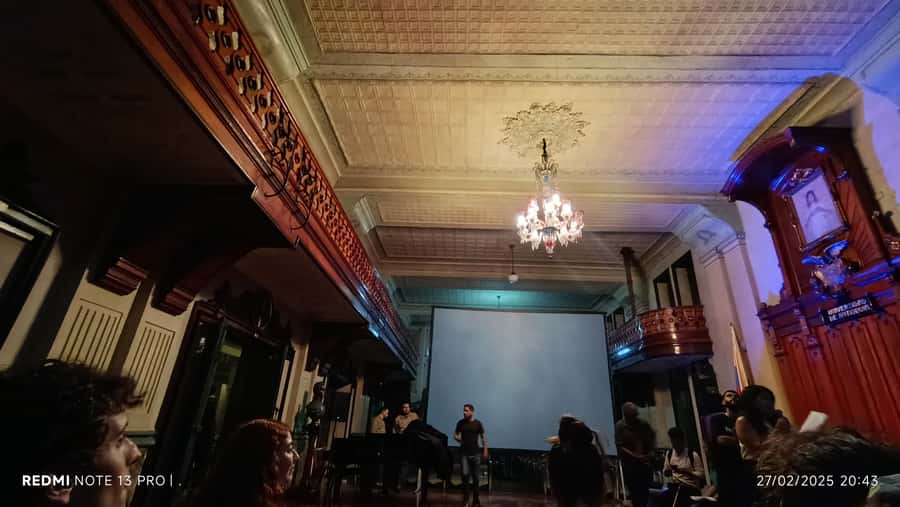
The tour ends with a visit to the Memory House Museum, with about 30 minutes inside for your own reflective time. This isn’t framed as a quick stop. It’s positioned as the moment where the theme turns from city mechanics to human impact.
You’ll also hear that the tour includes meeting ex-combatants and victims of Colombia’s armed conflict. While you don’t walk through those stories like a documentary, the tour’s structure keeps returning to one uncomfortable question: what was lost, and who paid for the replacement?
That’s the value of finishing here. If you started with the museum, the city would feel like scenery. By placing it near the end, the tour makes the buildings, streets, and redevelopment choices feel like part of the same conversation—how societies cope, how they remember, and what they choose to put out of sight.
The stop also gives you a way to process the tour emotionally. After seeing spaces repurposed and histories blurred, the museum gives you a different kind of “map”: one built from testimony and memory.
Ending at Parroquia de San Ignacio de Loyola: A Quiet Close
The tour finishes at Parroquia de San Ignacio de loyola. You’ll leave with your brain buzzing in a way most city tours don’t manage. You’ve spent hours learning how a city changes its physical layout, but also how it changes its public story.
I like that the end point is another religious landmark. It quietly reinforces continuity and survival—the same contrast you saw with colonial survivors earlier in the route. Whether you’re religious or not, the lesson is about endurance.
Price and What You’re Really Paying For
The price is listed at $33 per person for about 3 hours. On paper, that could sound like “just a guide and a couple of stops.” In practice, the value comes from three included pieces that are hard to replicate on your own:
- Guided visits across multiple major historical/redevelopment sites in the center
- Viche tasting in La Alpujarra
- A ticket to the Memory House Museum
That last part matters. Museums and guided interpretation often cost money separately, and you don’t always know which museum fits a city’s theme. Here, the tour is built around the museum’s message, so the ticket feels like part of the storyline, not an add-on.
The only clear trade-off is that transportation to and from the activity isn’t included. The tour does include a scenic drive segment during the day, but you’re still responsible for getting yourself to the meeting point and from the finish.
If you’re budgeting in Medellín, this tour is a strong choice when you want more than sightseeing and you’re willing to handle heavier subject matter with care.
Safety, Comfort, and What to Bring (So You Enjoy It)
This tour involves walking and time in sunny or changeable weather conditions. Wear comfortable walking shoes and bring a hat and sunscreen. If you can, bring water and a small snack too, because you’re out for about 3 hours.
Also, camera is recommended—you’ll likely want photos of the contrast points: older structures beside redevelopment, and the visual markers like the Parque de las Luces light poles. Just remember: some moments are emotional. Don’t turn reflection into a photoshoot.
Finally, about comfort: the tour isn’t suitable for wheelchair users. If mobility is an issue, ask your provider ahead of time about the route details.
Should You Book Anti Tour Medellín?
Book it if you want to understand Medellín as a city of replacement and memory—through real testimonies, not only through “nice views.” If you like tours that connect architecture to human stories, this one fits. The included viche tasting and the museum stop also make it more than a talk on a street corner.
Skip it if your ideal day is only light, relaxed, and photo-friendly. This tour asks you to face uncomfortable questions about what was erased, and the tone matches that mission.
If you’re on a first visit to Medellín and you’re the type who likes context, I’d strongly consider it early in your trip. It gives you a way to read the city after the tour, so you’ll notice what most people miss.
FAQ
Where does the Anti Tour Medellín start?
It meets in front of the Monumento a la Raza.
How long is the tour?
The duration is about 3 hours.
What language is the guided tour in?
The tour guide provides live interpretation in English.
What’s included in the price?
The tour includes guided exploration of the old city center, visits to key areas (including La Alpujarra, Parque de las Luces, El Hueco, and Plaza de Botero), viche tasting, a guided look at historic and modern structures, insights into Medellín’s transformation, and a ticket for the Memory House Museum.
Do I need transportation?
Transportation to and from the activity is not included. The tour includes a scenic drive segment, but you’re responsible for getting to the meeting point and from the finish.
Is the tour suitable for wheelchair users?
No. It is not suitable for wheelchair users.
What should I bring and wear?
Wear comfortable walking shoes, and bring a hat and sunscreen. It also helps to bring water and snacks since weather can vary.
Is there free cancellation?
Yes, you can cancel up to 24 hours in advance for a full refund.
More Tours across Medellin and Antioquia
More Medellin Tours and Experiences to Read Next
Not quite your thing? Here is more to do around Medellin, freshly reviewed


Tours, compared.
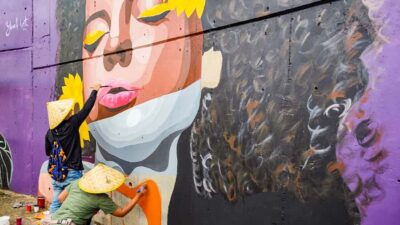 ★ 4.8Comuna 13 Graffiti Tour, Cable Car & Street FoodFrom $189,046 reviews
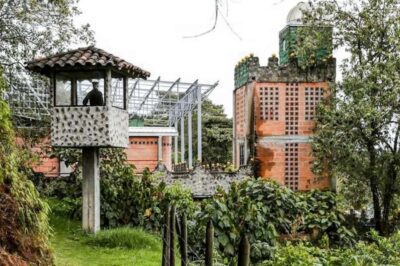 ★ 4.8The Real Pablo Escobar TourFrom $423,205 reviews
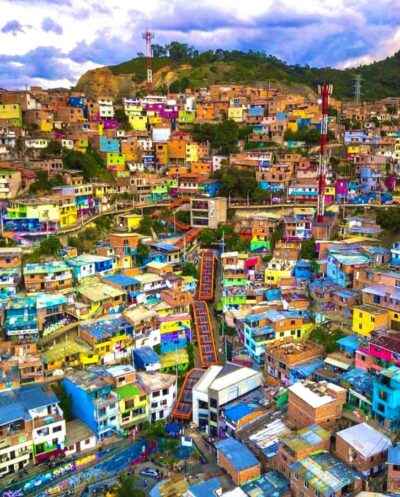 ★ 4.9Comuna 13 True Story and Street Food TourFrom $141,779 reviews
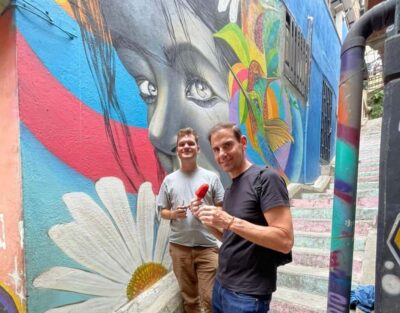 ★ 4.8Comuna 13 District Tour with Cable Car RideFrom $271,467 reviews
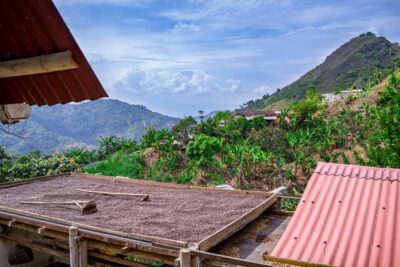 ★ 4.7Coffee Tour with Transport, Snacks and TastingsFrom $801,357 reviews
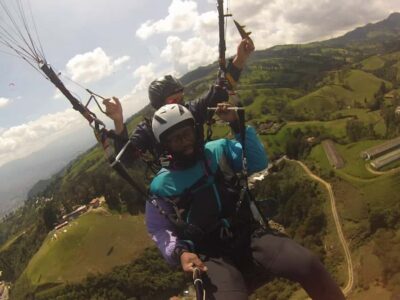 ★ 4.9From Medellín: Paragliding Tour with GoPro Photos & VideosFrom $1091,210 reviews
 ★ 5.0Tour GuatapéFrom $38865 reviews
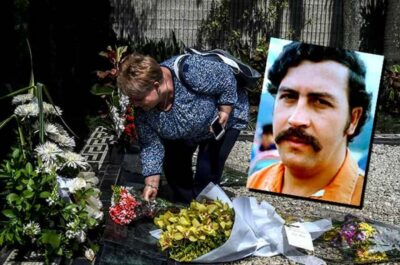 ★ 4.7Pablo Escobar Tour with beer includedFrom $31612 reviews