
REVIEW · COMUNA 13 GRAFFITI & STREET ART TOURS
Tour Medellín: Pablo Escobar and Commune 13
Drug money changed Medellín. Twice. This private 6-hour outing connects the before-and-after story of the city through Pablo Escobar landmarks, then shifts to Comuna 13’s hard-won change. I like how it focuses on both sides of Medellín, not just the headlines, and how the guide work can turn each stop into a clear, human story.
One thing to consider: this tour is not suitable for children under 18 and it’s not designed for wheelchair accessibility, so it’s best for adults who can do some walking and standing.
In This Review
- Key things to know before you go
- Getting Oriented With Medellín’s Before-and-After Story
- Monaco Building: Escobar’s Power and Opulence, Up Close
- La Catedral Prison: What Escobar’s Controversial “Confinement” Teaches
- Escobar’s Cemetery Visit: How a Burial Site Shapes Public Memory
- Comuna 13: From Danger to Resilience and Hope
- Metro Cable and Included Extras: Where the Value Shows Up
- Timing, Pickup, and What to Bring for a Smooth Day
- Who Should Book This Pablo Escobar and Comuna 13 Tour
- Should You Book It? My Practical Take
- FAQ
- What locations does this tour include?
- How long is the Medellín Pablo Escobar and Comuna 13 tour?
- What language is the live guide?
- Is it a private group?
- What’s included in the price besides the guide?
- What is not included?
- What do I need to bring?
- Is it suitable for kids or people with mobility impairments?
Key things to know before you go
- Monaco building, La Catedral prison, and Escobar’s cemetery in one focused route
- Comuna 13 transformation from high-risk area to a symbol of resilience and hope
- Local artisanal palette tasting included during Comuna 13
- Metro cable (metrocyable) ticket included to help you move through the area
- Drinks, crafts, transport included so you’re not constantly paying extra
- English or Spanish live guide in a private group format
Getting Oriented With Medellín’s Before-and-After Story
Medellín can feel like a city with two timelines at once. In one hour you’re looking at sites tied to a notorious era; the next, you’re meeting the people and ideas that grew after it. This tour is built around that switch: you start with the Escobar-related places tied to power and control, then you finish in Comuna 13, where the message is resilience and hope.
That structure matters for your day. If you only chase photos from the past, Medellín can feel like a dark museum. If you only visit modern viewpoints, you miss why the city changed so dramatically. This route tries to hold both realities at the same time, so you can understand how the same streets can tell totally different stories depending on what year you’re standing in.
The private group format also changes the pace. You can ask questions without waiting for a crowd, and the guide can adjust the flow if people want more detail on the controversial parts of the story—or less.
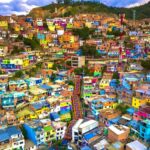
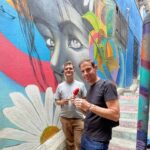
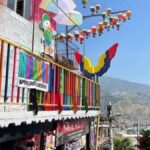
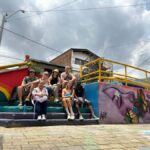
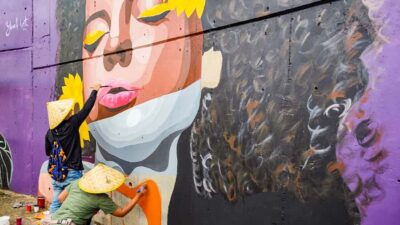
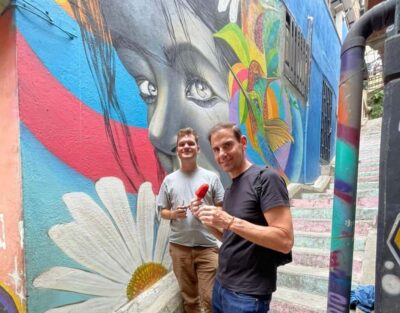
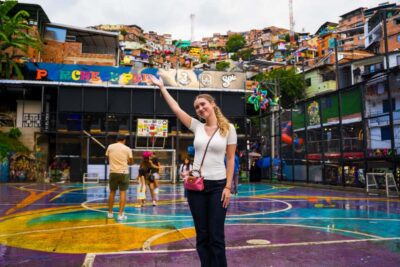
There is more Comuna 13 street art and graffiti to explore around Medellin
Monaco Building: Escobar’s Power and Opulence, Up Close
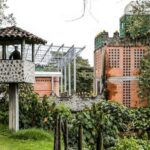
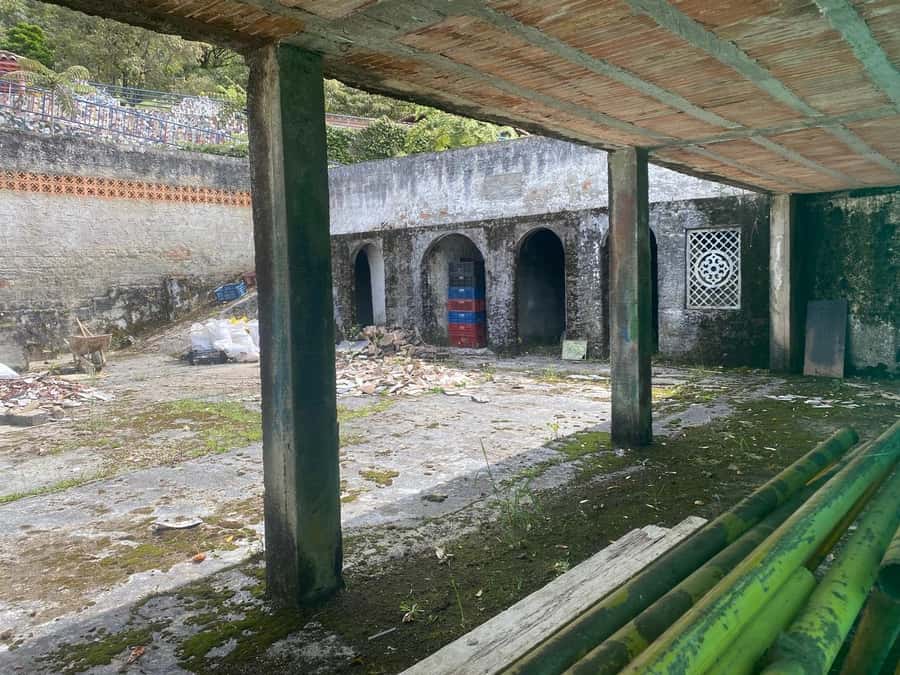
The tour starts at the location of the Monaco building, once tied to Pablo Escobar’s image of power and opulence. Even if you know the basics already, seeing the place as a stop in a larger route helps. You’re not just thinking about crime; you’re also watching how wealth and influence can reshape neighborhoods, buildings, and public perception.
This first segment sets expectations for the whole day. The guide frames Escobar not as a myth, but as a real person with a real footprint—how he moved, how he presented himself, and why the city grappled with what that meant. That context makes the later stops easier to digest, because you’ll connect the symbolism of luxury to the reality of incarceration and legacy.
Practical tip: this is the kind of stop where it helps to look slowly. Spend a minute taking in what’s around it now, then let the guide explain how the story tied to the building fits into the wider Medellín timeline.
La Catedral Prison: What Escobar’s Controversial “Confinement” Teaches
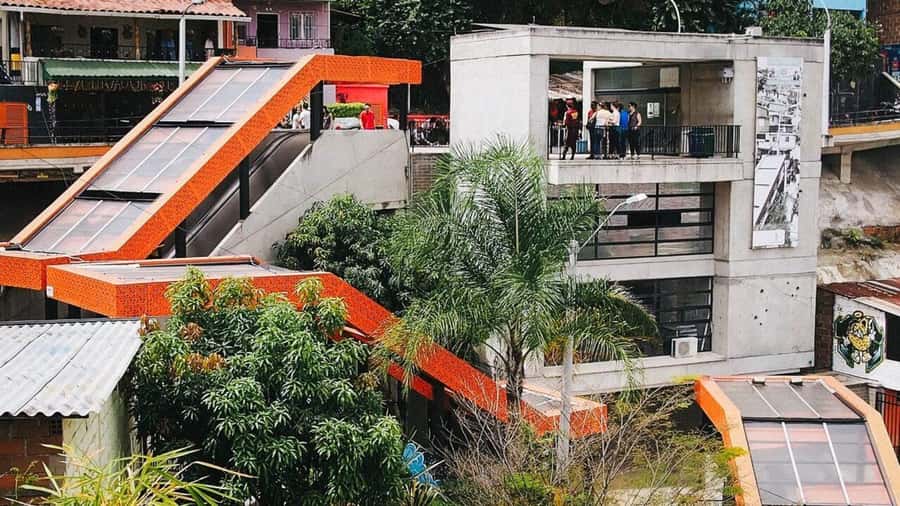
Next comes the old La Catedral prison, where Pablo Escobar was held during a very controversial period referred to as his time in prison. This isn’t a typical prison visit focused only on bars and cells. It’s a story stop—one that asks you to think about how power can distort justice, and how the public reacts when something feels unfair or unreal.
The guide’s job here is important, and it shows. In past departures, guides such as Alejandro and Cesar have been praised for explaining history in detailed, clear ways while keeping the tone respectful. That balance matters because La Catedral sits in a moral gray zone: you’re learning about harm and conflict while also exploring what “confinement” meant in that specific case.
What you’ll get from this stop:
- the timeline of the site and why it became emblematic
- the events tied to that controversial period
- a sense of why this place is remembered the way it is
Possible drawback: if you’re hoping for action-packed sightseeing, this part is more about listening and reflection than views. Plan to treat it like a history lesson you can stand inside.
Escobar’s Cemetery Visit: How a Burial Site Shapes Public Memory
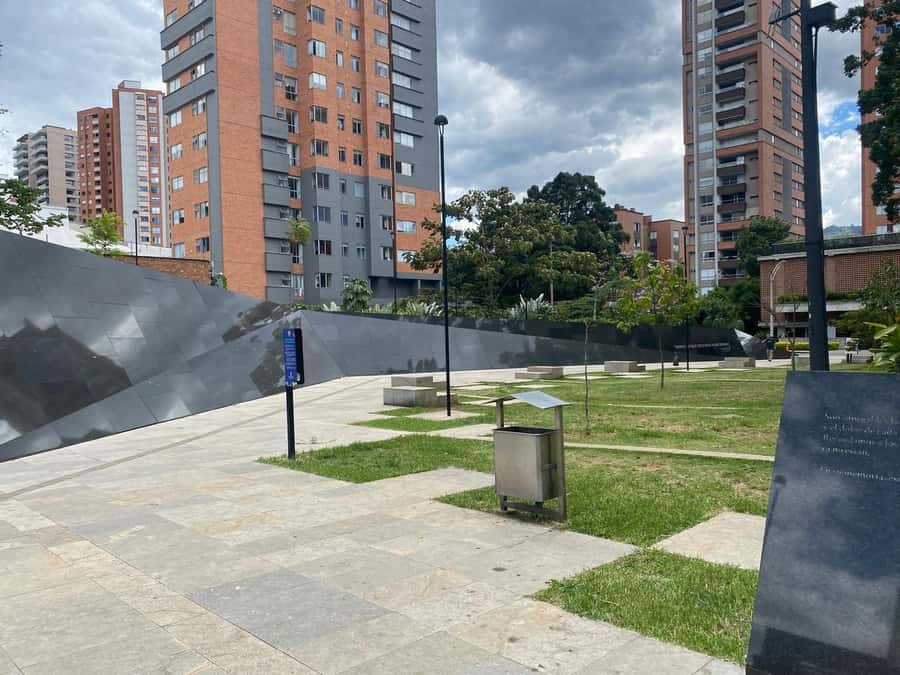
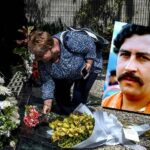
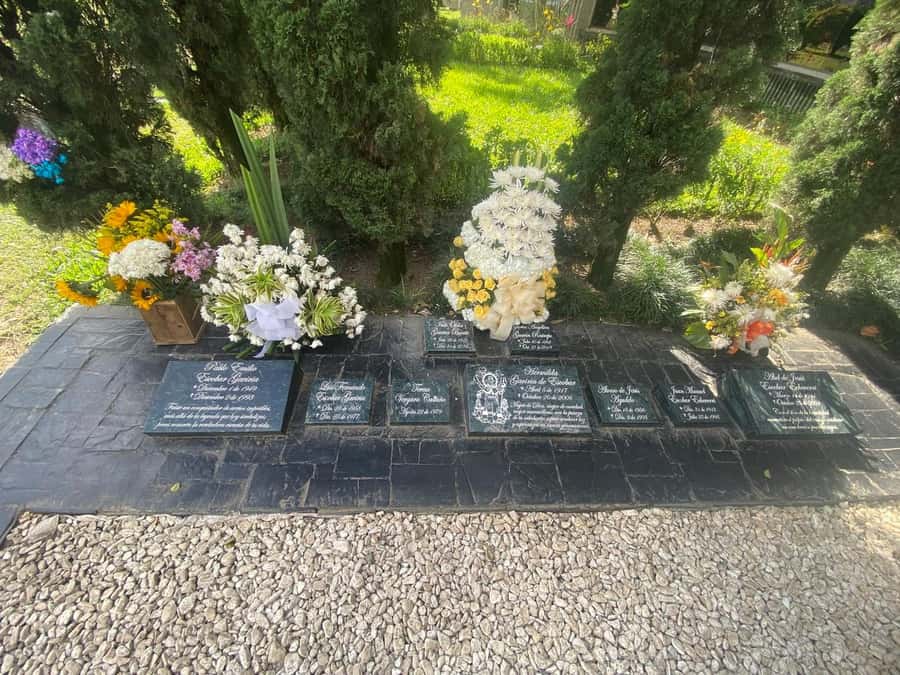
After the prison stop, you’ll head to the cemetery where Pablo Escobar was buried. This is one of the most emotionally tricky moments on the route, because it pulls you from built structures into symbolism: legacy, grief, anger, and the way a society decides what to do with a name that still divides opinion.
You’ll have time to reflect while exploring the final resting place. The goal isn’t to turn this into a spectacle. Instead, it’s to help you understand why the site matters in Colombia’s history and why the legacy remains controversial—long after the era itself changed.
If you’re the type of traveler who likes to make meaning from places, this stop will likely stick with you. If you prefer strictly neutral sightseeing, you might find the emotional weight challenging, but the route is set up so you’re never rushed through it.
Practical tip: bring a little patience for yourself here. You don’t need to feel a certain way. Use the quiet time to think about what the guide is explaining and how it connects to what you saw earlier at La Catedral.
Comuna 13: From Danger to Resilience and Hope
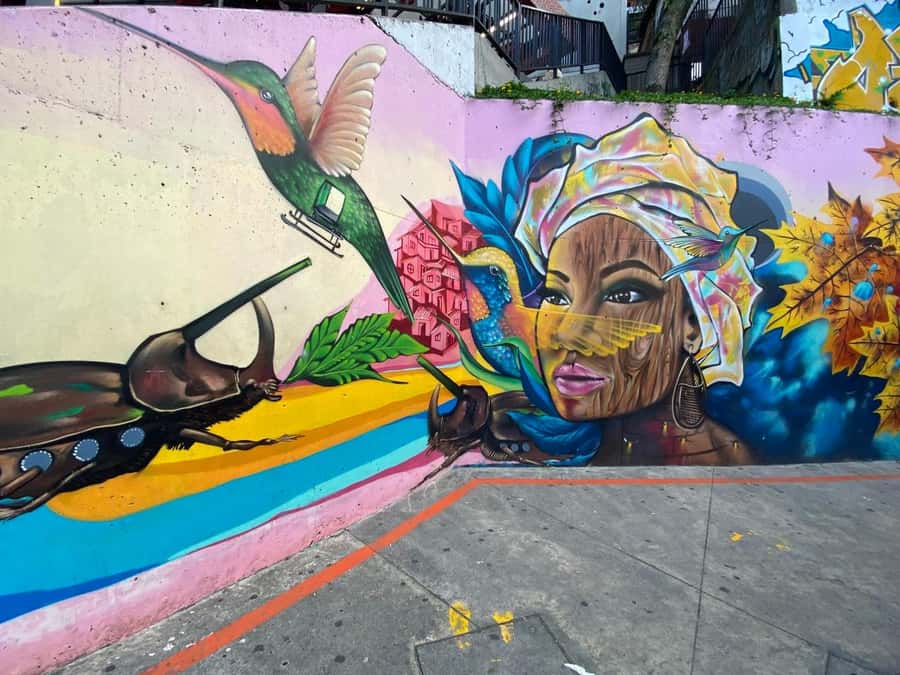
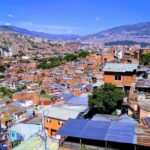
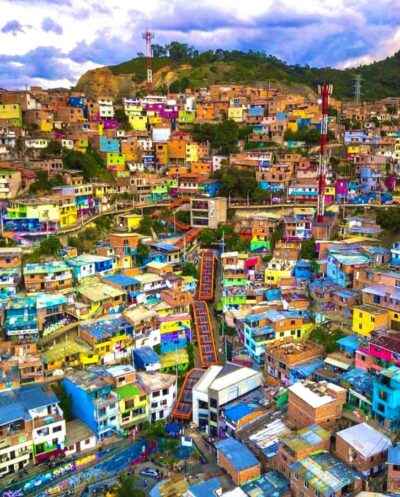
Then you shift gears to Comuna 13. This community has a widely known transformation story: it went from being among the most dangerous areas of the city to becoming an example of resilience and hope. That change is the heart of the later portion of the tour.
Walking through Comuna 13 after the Escobar stops changes your perspective fast. You go from a narrative centered on one man’s influence to a narrative about neighborhoods reclaiming their future. The guide helps connect the dots so you don’t just see street art and views, but also understand why the community became a symbol of change.
Two practical things make this segment work well:
- You get a local meal moment: tasting a delicious local artisanal palette
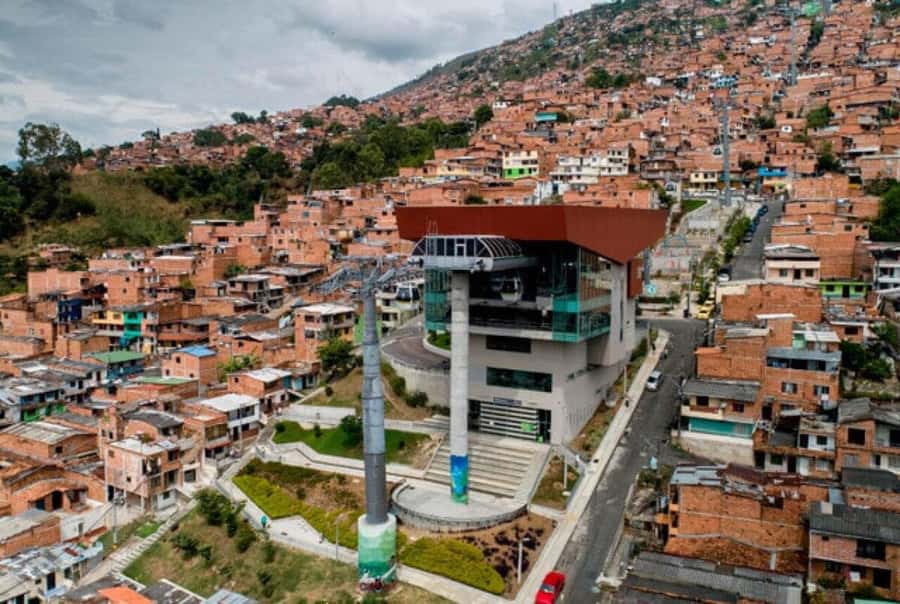
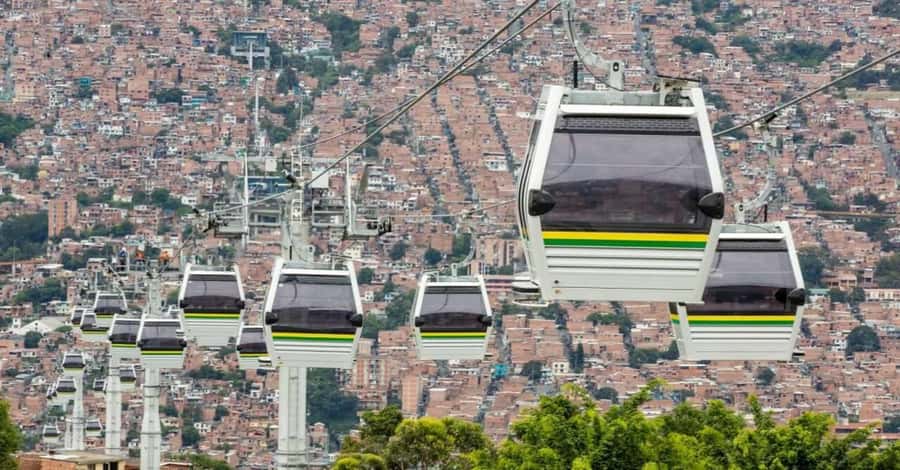
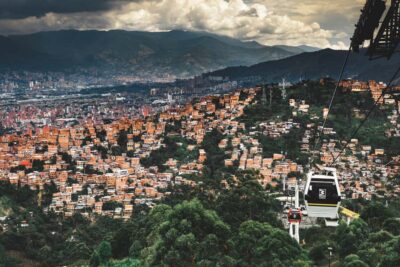
- You get movement tools: metro cable tickets included (helpful for navigating the area)
The artisanal palette tasting is included, which is a smart value add. It keeps you from hunting for food on your own, and it gives you a taste of the area in a way that fits the tour’s theme: local life after the worst of the violence.
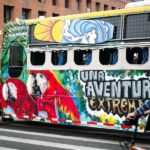
A note on tone: you might see everyday life, murals, and community energy. The point is not to sugarcoat the past. The tour is framed around the good and the bad—how survival and hardship can exist in the same space.
We have more tours that tell the sober history of Pablo Escobar and how Medellin moved past it
Metro Cable and Included Extras: Where the Value Shows Up
At $115 per person for about 6 hours (often listed up to 6–8), the value depends on what’s included and how well the day is stitched together. Here, the included items are doing real work:
- Transport: you’re not coordinating multiple rides across steep areas and changing neighborhoods
- Refreshment: plus a drink of choice (beer, cuba libre, energy drink, or water)
- Crafts of the area: you can bring home something connected to what you saw
- Metro cable ticket (metrocyable): that helps your time and makes the route smoother
These extras matter because Medellín’s geography can be a hassle if you’re moving on your own. Ticketed transit and pickup reduce friction. Even if you’re a confident planner, having a guide handle the logistics means you can stay focused on the story.
The best part is the sequencing: you don’t end the day with an administrative headache. The day flows from power symbolism (Monaco building) to incarceration (La Catedral) to legacy memory (the cemetery), then finishes with Comuna 13’s living transformation. That makes the $115 feel less like a payment for “a few stops” and more like paying for a coherent experience.
Timing, Pickup, and What to Bring for a Smooth Day
This is a private group with a live guide in English or Spanish. Pickup is included, and the driver meets you at the hotel lobby 10 minutes before the programmed collection time. After that, the driver won’t wait more than 5 minutes past the scheduled time.
So do yourself a favor:
- be ready early at the lobby
- have your ID accessible (passport or ID card)
Also, this is a day without breakfast or lunch in the package. The tour doesn’t include those meals, so plan to eat before you go—or be prepared to buy lunch on your own depending on timing.
If you like to travel light, you can still do that. Just make sure you can handle basic walking and standing. This tour isn’t designed for wheelchair use, and it’s not for children under 18.
Who Should Book This Pablo Escobar and Comuna 13 Tour
This tour fits best if you want more than a photo route.
You’ll probably love it if:
- you want to understand how Medellín’s story shifted from the Escobar era into community rebuilding
- you like guided context that links places to people and decisions
- you’re open to a route that includes both the good and the bad, not just the dramatic parts
It’s less ideal if:
- you want a kid-friendly itinerary
- you need wheelchair-accessible movement
- you’re only interested in modern Medellín and don’t want the Escobar-related context
The private group angle makes it especially good for couples, small groups of friends, and solo travelers who don’t want to feel rushed or lost in a larger crowd.
Should You Book It? My Practical Take
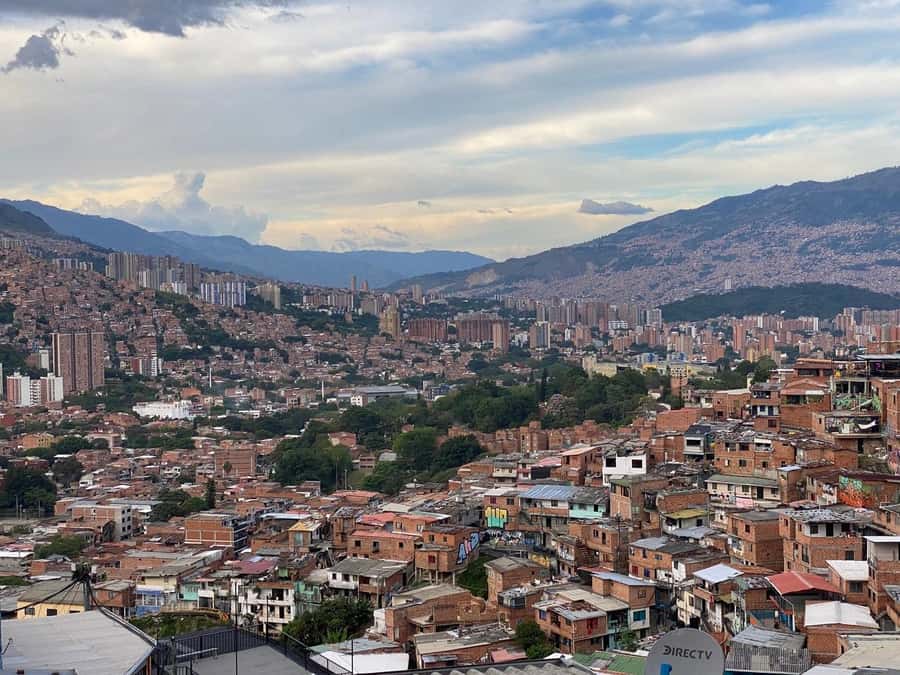
Book it if you’re aiming for a day that actually helps you understand Medellín. The stops chosen—Monaco building, La Catedral prison, Escobar’s cemetery, then Comuna 13—work as a storyline. And the included extras (metro cable ticket, drinks, crafts, and local artisanal tasting) make it easier to enjoy the experience without constant add-ons.
Skip it if you prefer a lighter, purely scenic format. This is a history-and-meaning tour, and it includes emotionally heavy subject matter. If you’re up for that, you’ll get a strong sense of the city’s contrast—how one era shaped the next, and how communities found a way forward.
FAQ
What locations does this tour include?
You’ll visit the Monaco building location associated with Pablo Escobar, the old La Catedral prison where Escobar was held, the cemetery where he was buried, and Comuna 13.
How long is the Medellín Pablo Escobar and Comuna 13 tour?
The tour is listed as 6 hours, and it may run up to about 6–8 hours depending on the departure and timing.
What language is the live guide?
The live guide is available in English and Spanish.
Is it a private group?
Yes. This activity is offered as a private group.
What’s included in the price besides the guide?
The price includes transport, refreshments, crafts from the area, a drink of your choice (beer, cuba libre, energy drink, or water), and tickets for the metro cable (metrocyable).
What is not included?
Lunch, breakfast, dinner, and personal expenses are not included.
What do I need to bring?
Bring a passport or ID card.
Is it suitable for kids or people with mobility impairments?
It is not suitable for children under 18, and it does not offer wheelchair accessibility.
More Pablo Escobar History Tours in Medellin
More Comuna 13 Street Art and Graffiti Tours in Medellin

More Medellin Tours and Experiences to Read Next
Not quite your thing? Here is more to do around Medellin, freshly reviewed

Comuna 13 Graffiti & Street Art Tours, compared.
 ★ 4.8Comuna 13 Graffiti Tour, Cable Car & Street FoodFrom $189,046 reviews
 ★ 4.9Comuna 13 True Story and Street Food TourFrom $141,779 reviews
 ★ 4.8Comuna 13 District Tour with Cable Car RideFrom $271,467 reviews
 ★ 4.9Private City Tour with Metrocable and Comuna 13From $76330 reviews
 ★ 4.9Comuna 13 Tour with Snacks And Your Own GraffitiFrom $11311 reviews
 ★ 4.5City Tour + Commune 13 MedellinFrom $37295 reviews
 ★ 4.9Comuna 13 and Graffiti Guided Tour with a LocalFrom $16239 reviews
 ★ 4.9Private Pablo Escobar and Comuna 13 TourFrom $81233 reviews
Browse the lists this tour appears in