
REVIEW · PABLO ESCOBAR HISTORY TOURS
From Medellín: Private Pablo Escobar History Tour
Escobar’s Medellín, told without filters. This private, 4-hour history tour is built around real places tied to Pablo Escobar, with a strong focus on the pain Medellín endured and the resilience people rebuilt after.
I especially like the way the route starts in El Poblado and immediately frames the story with today’s memory projects, not just old headlines.
And I also love that you’re not stuck in a loud group. The tour is private, and the bilingual guide can slow down, explain, and answer questions.
Two standouts make this worth your time: first, the bilingual guide experience (I saw multiple guide names praised for being friendly, organized, and willing to tell the story with care). Second, you actually visit key locations—Escobar’s grave plus the place where he was killed—so you get both the myth and the consequences.
One drawback to consider: the subject matter is heavy, and food and drinks aren’t included, so plan on buying water/snacks during the day.
In This Review
- Key moments on the route
- Escobar’s Medellín, handled with context
- El Poblado’s Parque de la Memoria: the story begins with memory
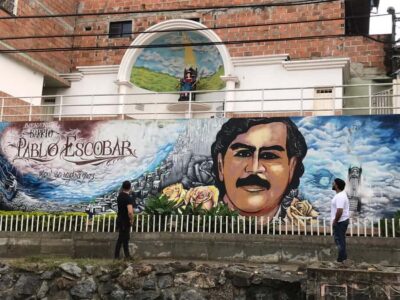
- Barrio Pablo Escobar: free homes, complicated power
- Escobar’s grave and where he was killed: the consequences section
- Adding Comuna 13: street art as a neighborhood map
- Price and value: is $63 for 4 hours worth it?
- Who this tour is best for
- Practical tips that keep the day easy
- Your guide experience: why it can feel personal
- Should you book this Pablo Escobar History Tour?
- FAQ
- How long is the private Pablo Escobar History Tour from Medellín?
- Is this tour private?
- Where does the tour start and do I get pickup?
- What sites are included in the basic route?
- Can I add Comuna 13 to the tour?
- Is the guide available in English?
- What’s included in the price?
- Are meals included?
- What should I bring?
- Is La Catedral open every day?
Key moments on the route
- El Poblado start at Parque de la Memoria, built on the site of the former Monaco building demolished in 2019
- Barrio Pablo Escobar, created by Escobar to offer free homes to some of the city’s poorest
- Escobar’s grave and the location where he was killed, ending with the raw reality, not the Hollywood version
- Optional Comuna 13 add-on, known for street art and its wide open-air gallery feel
- Hotel pickup and drop-off in central Medellín, so you spend less time figuring out logistics
Escobar’s Medellín, handled with context
This tour works best if you want more than photos of a notorious name. You’re not just chasing locations. You’re walking through how Medellín has tried to explain a brutal chapter—then move on.
A private format matters here. When you’re learning about violence, politics, and fear, the pacing has to be right. With a private group and a bilingual guide, you can ask what you’re really wondering: Why Medellín? How did daily life change? What did people do to survive, and how did the city rebuild its image?
You also get a focused length—4 hours. That’s long enough to see the big markers, but short enough that you’re not stuck feeling overloaded by grief. It’s a practical match for a day when you still want time for good coffee, local neighborhoods, or just a breather from it all.
We have more tours that tell the sober history of Pablo Escobar and how Medellin moved past it

El Poblado’s Parque de la Memoria: the story begins with memory
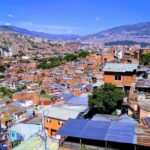
Most people arrive in Medellín seeing it as a fun, modern city—then they hit the history wall fast. This tour starts in El Poblado, and that’s smart. It gives you a clean beginning before the route turns darker.
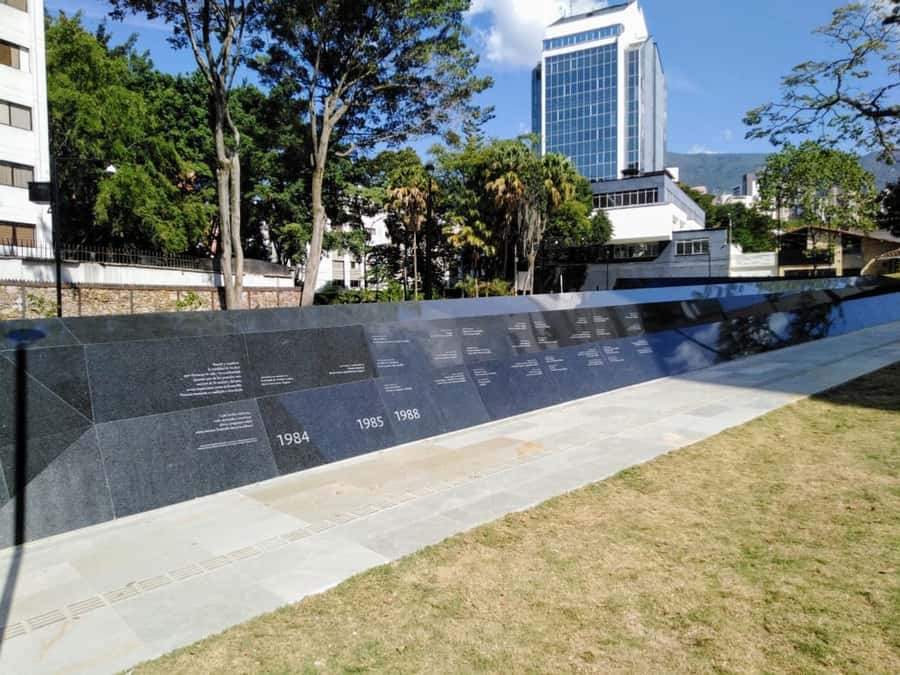
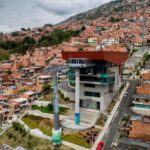
The first stop is Parque de la Memoria, described as a renewed space built to reconstruct the area’s past through art and culture. The site sits on the footprint of the former Monaco building, demolished on February 22, 2019. Even without a wall of facts, that detail helps you understand the intent: Medellín doesn’t just bury the story. It reworks the space so the community can talk about what happened and why it matters.
What I like about starting here:
- You get a sense of the “before and after” attitude—how people live with history without pretending it never happened.
- You see how public art can be used as a civic tool, not only decoration.
If you’re short on time in Medellín, this is also a good anchor. You start with a place that’s built for explanation, so later stops don’t feel like random dark tourism. They feel connected.
Barrio Pablo Escobar: free homes, complicated power
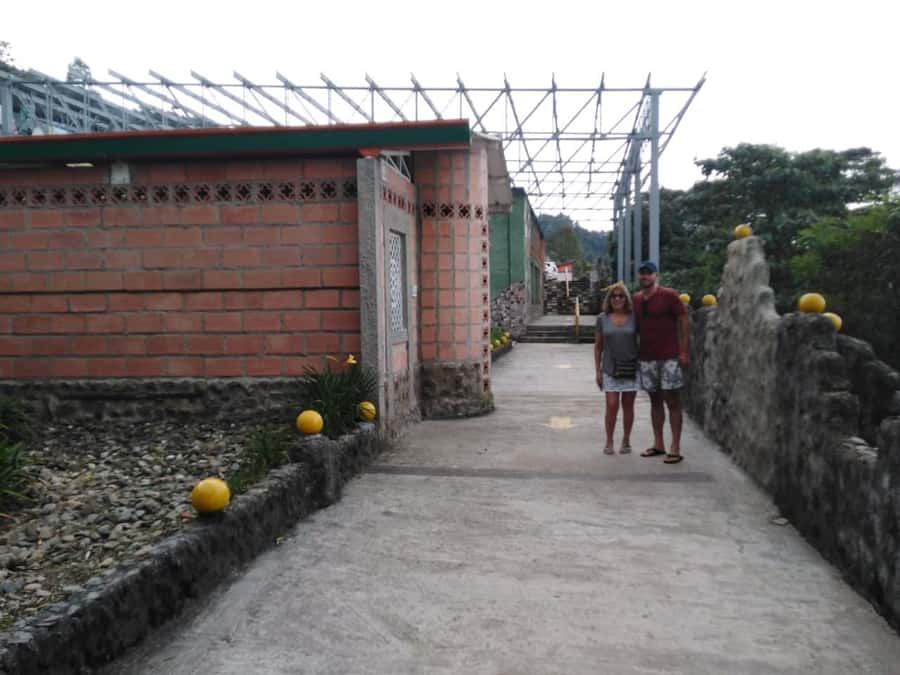
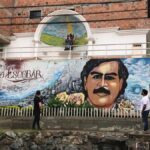
After the memory park, the tour heads to Barrio Pablo Escobar, a neighborhood founded by Escobar. The idea wasn’t only profit or intimidation on paper. The neighborhood was created to offer free houses to homeless people and the poorest residents.
That mix is exactly why this stop is useful. Pablo Escobar’s story isn’t one simple villain narrative. It’s a messy collision of money, promises, coercion, and real social need. When a powerful figure supplies something people desperately need, it can look like help while the broader harm keeps expanding.
So here’s how you should approach this part of the day: try to see both layers.
- The practical layer: why housing mattered to families.
- The moral layer: what it meant when the same man behind the chaos shaped community life.
A private guide helps because you can ask how the neighborhood functions now, not just what it meant during Escobar’s era. And since you’re in a real neighborhood (not a sealed museum set), you’ll get the feeling of a living city, not a staged exhibit.
Escobar’s grave and where he was killed: the consequences section
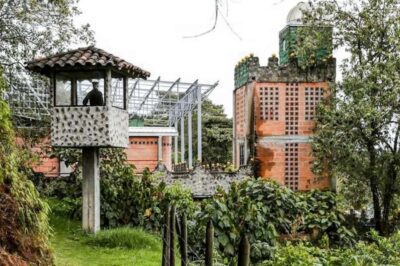
The emotional center of the tour comes in the west of the city, where you’ll visit the house where he died in its dilapidated state. This is where the myth tends to fall apart.
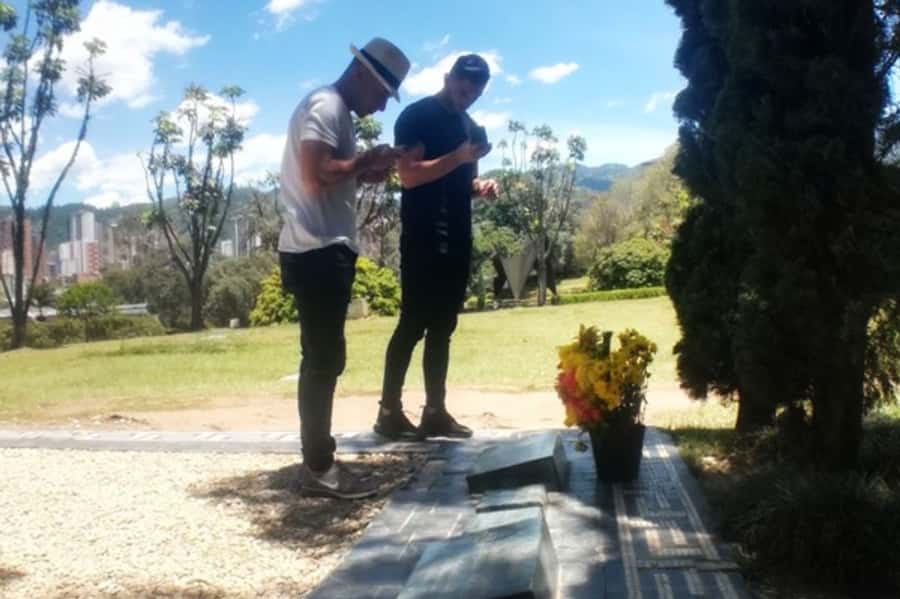
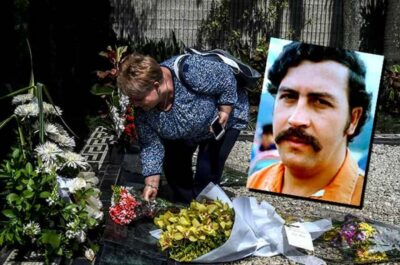
You also visit Escobar’s grave, plus the location where he was killed. That combination is important. A grave gives you the finality. The place where he was killed gives you the raw scene of an end that was not tidy, not heroic, and not cinematic.
If you’re the type who likes your history factual and specific, this stop tends to click. It turns abstract headlines into concrete geography. You’re looking at real spaces tied to real outcomes.
A balanced warning: this isn’t a light sightseeing block. Even if your guide keeps the tone grounded, you’re walking into the aftermath of violence. Bring water, keep your expectations realistic, and don’t treat it like an entertainment program.
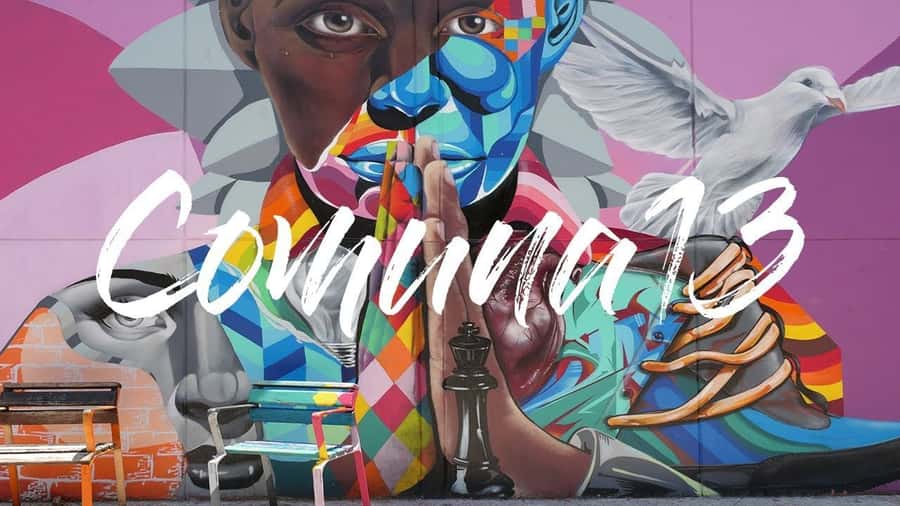
Adding Comuna 13: street art as a neighborhood map
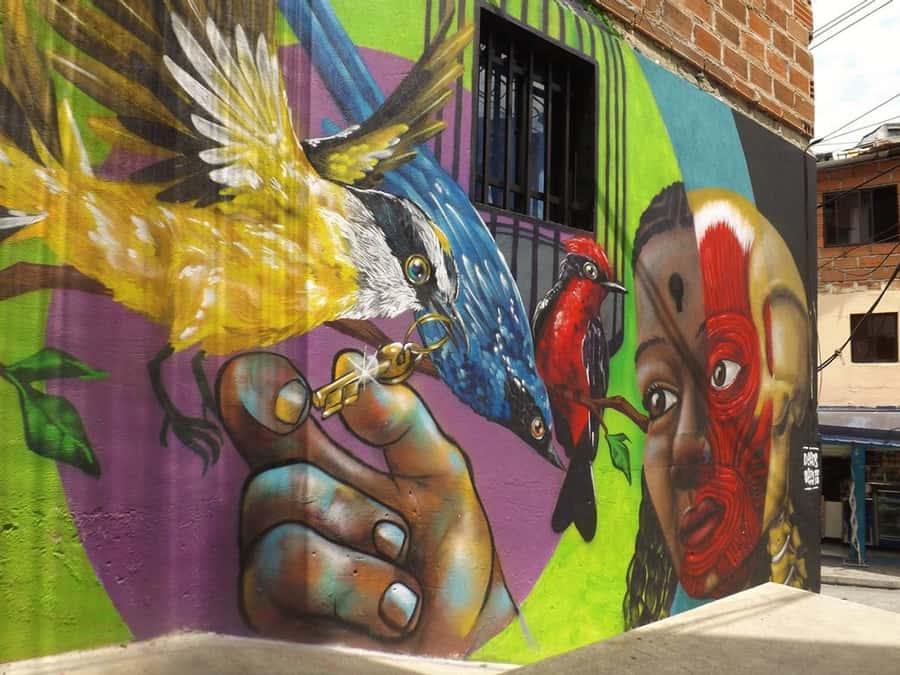
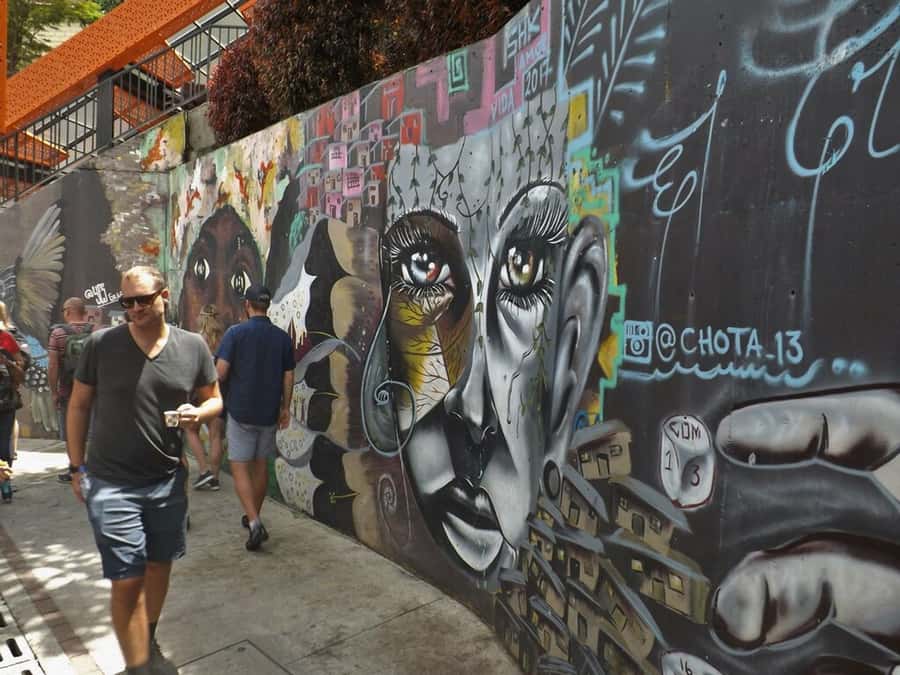
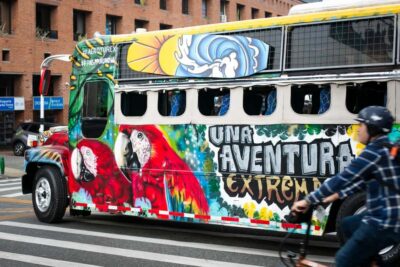
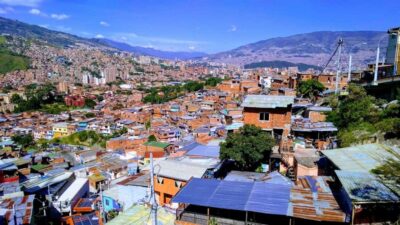
You can also opt to include Comuna 13, an area known for graffiti and described as the largest open-air gallery in Latin America. This is the part of the tour that often helps people re-balance after the darker Escobar stops.
Why it works in this tour:
- It shifts from the figure to the place.
- It shows how people make meaning out of hard conditions through creativity.
Comuna 13 is also one of those stops where local context matters. The value of a good guide isn’t only in pointing at walls; it’s in explaining what the neighborhood learned, how it changed, and why the art is more than decoration.
If you’re trying to choose between a shorter Escobar-only day versus the full route, think about what you want most.
- Want the tighter Escobar focus? Keep it to the main spots.
- Want Medellín’s modern voice and visual culture too? Add Comuna 13.
More private tours to shape around your own pace in Medellin


Price and value: is $63 for 4 hours worth it?
At $63 per person for a 4-hour private tour with hotel pickup and drop-off in central Medellín, this is priced like a practical city-history experience—not like a fancy museum day.
Here’s how I’d judge the value:
- You’re paying for access to multiple specific locations in one morning/afternoon block.
- You’re paying for a bilingual guide plus legal insurance included in the activity.
- You’re not paying extra for entry-style attractions listed here (though you may still want to budget for your own water/snacks since food and drinks aren’t included).
The private element is the real differentiator. Group tours can be cheaper, but they can also turn heavy history into a race. With private time, you get slower pacing and more direct answers—especially useful when the guide is the kind of storyteller who understands the difference between sensational detail and responsible explanation.
If you’re traveling as a couple, small group, or solo, private tours often make sense because you’re not splitting the cost across a big crowd. You’re buying attention and context.
Who this tour is best for
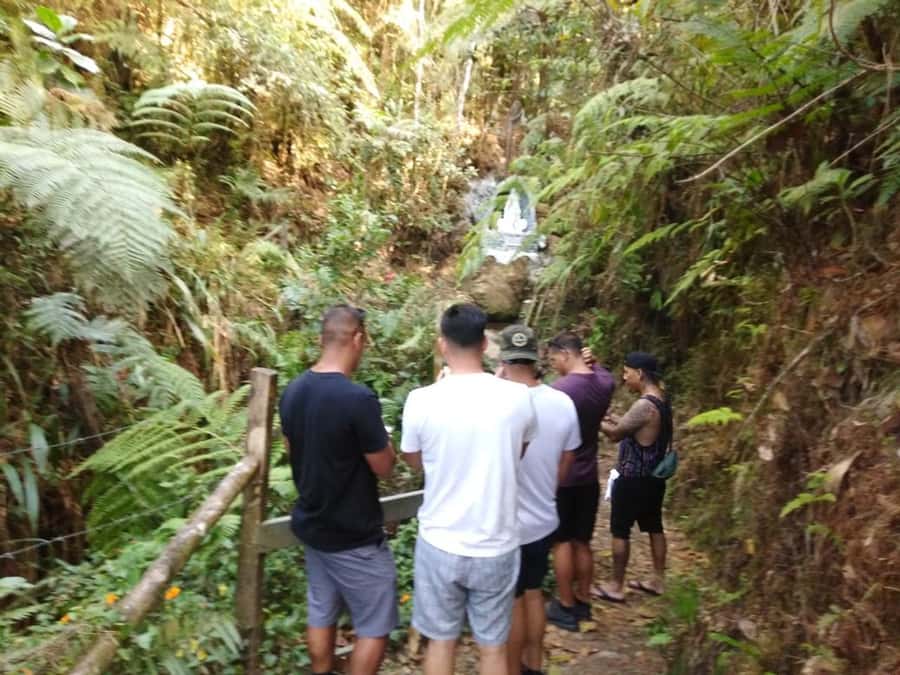
This tour fits you if:
- You want a responsible, context-first look at Pablo Escobar’s Medellín.
- You like history that connects people, neighborhoods, and consequences.
- You want the convenience of pickup/drop-off in central Medellín and a guide who can translate your questions into clear answers.
It might not be ideal if:
- You’re looking for a cheerful, casual photo walk.
- You prefer museum-style exhibits only (this is mostly place-based history).
- You need a day that includes a built-in meal, since food and drinks aren’t included.
Practical tips that keep the day easy
A few things will make this kind of tour smoother.
Wear comfortable clothes and plan for sun. Even in a city with plenty going on, you’ll want flexibility for walking and shifting viewpoints between stops. Bring sunscreen and water.
If you’re visiting on Monday, remember: La Catedral, the prison Escobar built for himself, is closed on Mondays. This matters because you might be hoping to see it, and the closure is specifically called out.
Language-wise, you’ll have a bilingual English- and Spanish-speaking guide, so you can pick the level of detail that fits you. A private guide also tends to handle the flow well—adjusting explanations to your pace instead of sticking to a rigid script.
Your guide experience: why it can feel personal
This is the part you can’t control, but you can plan for it. The guide is central to how the day lands, especially when the topic involves pain and fear.
In the feedback around this tour style, certain guide names come up repeatedly—Carlos Andres, Andres, Manuel, Jhon, and Sara—described as professional, friendly, and especially strong at translating the city’s lived memory into clear storytelling. The common thread is local understanding and a willingness to connect the dots for you.
What you should do before you go: be ready with a few questions. If you ask why certain neighborhoods formed the way they did, or what daily life was like, you’ll get more out of the time you spend in each place.
And if you get a guide who loves the city, that can be a good thing. Enthusiasm helps, as long as it stays respectful—and you’re focusing on the human impact.
Should you book this Pablo Escobar History Tour?
Book it if you want a focused 4-hour private route that hits the key physical markers—Parque de la Memoria, Barrio Pablo Escobar, Escobar’s grave, and the house where he died—with a guide who can explain the city’s resilience, not just the scandal.
I’d skip it (or at least adjust expectations) if you’re hoping for a light, casual outing, or if you’d rather spend the day in museums. This tour is place-based and emotionally heavy in spots.
If you do book, make your decision smarter:
- If you have energy for more Medellín after the darker stops, add Comuna 13.
- If you’re sensitive to heavy topics, keep your water/sunscreen routine tight and consider pacing the day with breaks.
- On Mondays, don’t plan around La Catedral, since it’s closed.
Overall, this is a good value way to understand Medellín’s complicated Escobar era without turning it into chaos. You leave with a clearer map of the story—and a more honest sense of how the city moved forward.
FAQ
How long is the private Pablo Escobar History Tour from Medellín?
The tour lasts 4 hours.
Is this tour private?
Yes. It’s listed as a private group.
Where does the tour start and do I get pickup?
Pickup and drop-off are included for hotels in central Medellín. If your hotel is outside the pickup zone, the closest meeting point is provided. The tour starts in the El Poblado neighborhood.
What sites are included in the basic route?
The tour includes visits to Parque de la Memoria (former Monaco building site), Barrio Pablo Escobar, Escobar’s grave, and the house where he was killed, in its dilapidated state.
Can I add Comuna 13 to the tour?
Yes, Comuna 13 is an optional add-on.
Is the guide available in English?
Yes. The guide is bilingual in English and Spanish.
What’s included in the price?
Included features are hotel pickup and drop-off in central Medellín, a bilingual guide, and legal insurance.
Are meals included?
No. Foods and drinks are not included.
What should I bring?
Bring sunscreen and water, and wear comfortable clothes.
Is La Catedral open every day?
No. La Catedral is closed on Mondays.
More Tours across Medellin and Antioquia

More Pablo Escobar History Tours in Medellin
More Medellin Tours and Experiences to Read Next
Not quite your thing? Here is more to do around Medellin, freshly reviewed
Pablo Escobar History Tours, compared.
 ★ 4.8The Real Pablo Escobar TourFrom $423,205 reviews
 ★ 4.7Pablo Escobar Tour with beer includedFrom $31612 reviews
 ★ 4.7Guatapé Day Trip & Boat to Pablo Escobar’s EstateFrom $64365 reviews
 ★ 4.9Private Pablo Escobar and Comuna 13 TourFrom $81233 reviews
 ★ 4.8Private Pablo Escobar Tour with Cable Car RideFrom $73228 reviews
 ★ 4.8Medellin Pablo Escobar TourFrom $5581 reviews
 ★ 5.0(Private Guatapé) Mansion Pablo Escobar+Paintball+Cuatrimoto+BoatFrom $23573 reviews
 ★ 5.0Pablo Escobar Tour And Comuna 13From $10072 reviews
Browse the lists this tour appears in