
REVIEW · COMUNA 13 GRAFFITI & STREET ART TOURS
Comuna 4 – Moravia Tour
Comuna 4 feels like a living lesson. This small-group tour in Antioquia takes you into a neighborhood Medellín once failed to recognize, led by community voices who explain how change actually happens. I especially like the focus on transformation you can see, not just headlines, and the chance to meet local leaders like Heroina and Toto. The one thing to plan for is that you’ll be walking outdoors for about 3.5 hours, so bring comfortable shoes and sun protection.
I also like how the tour connects everyday life to big systems. You get the inside view of health, welfare, and education in Colombia, plus what empowerment looks like on the ground. If you’re looking for a quick, photo-only stop, this won’t be that. It’s more conversation and context than checklists, which is great—just know that going in.
The experience is built around respect and small numbers. It’s limited to 8 participants, and the hosts stress social tourism that doesn’t overwhelm the barrio. You’ll pay attention to detail, ask questions, and leave with a clearer sense of Colombia beyond the surface.
In This Review
- Key things I’d put on your radar
- Comuna 4 in context: why the story starts before the tourism
- What you’ll learn: health, welfare, and education in real-life language
- The guided rhythm: stop-by-stop through transformation and Moravia
- Stop 1: Starting point at Barrio Transformation Tour
- Stop 2: Barrio Transformation Tour (about 30 minutes)
- Stop 3: A quieter local stop (about 45 minutes)
- Stop 4: Moravia visit and guided tour (about 1 hour)
- Stop 5: Moravia food tasting (about 30 minutes)
- Stop 6: Another local guided segment (about 30 minutes)
- Stop 7: Moravia Cultural Center sightseeing (about 30 minutes)
- The people behind the tour: Toto, Heroina, and grassroots leadership
- Price and value: is $30 worth it for 3.5 hours?
- Getting there: meeting at Caribe Metro Station, the South exit with the bridge
- By metro (recommended)
- By Uber
- What to bring (and how to make the walk comfortable)
- Who this tour suits best
- Should you book Comuna 4 – Moravia Tour?
- FAQ
- How long is the Comuna 4 – Moravia Tour?
- What does the tour cost?
- Where do I meet the tour?
- Is hotel pickup or drop-off included?
- What languages is the tour offered in?
- How big is the group?
- What’s included in the tour price?
- What should I bring?
- FAQ
- Is there free cancellation?
- Can I pay later when booking?
Key things I’d put on your radar
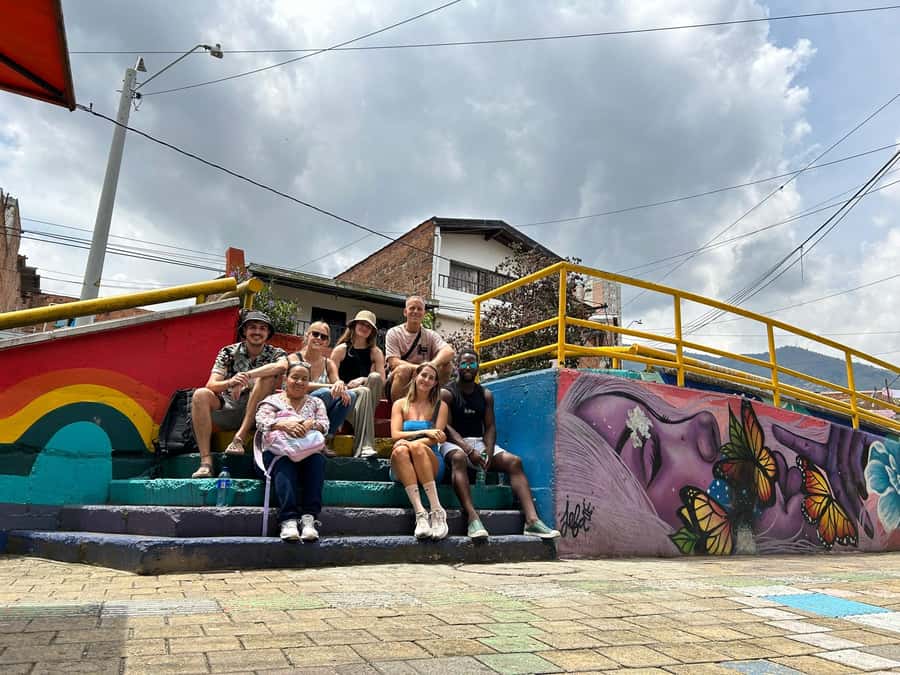
- Small group size (up to 8) keeps the pace human and the questions real
- Local community leaders like Heroina (and others) guide from lived experience
- Moravia food tasting gives you a sensory break during the walk
- Health, welfare, and education explained in plain, practical terms
- Women’s empowerment in the barrio isn’t treated like a side topic
- Community support built in, since part of the tour fee goes to initiatives
Comuna 4 in context: why the story starts before the tourism
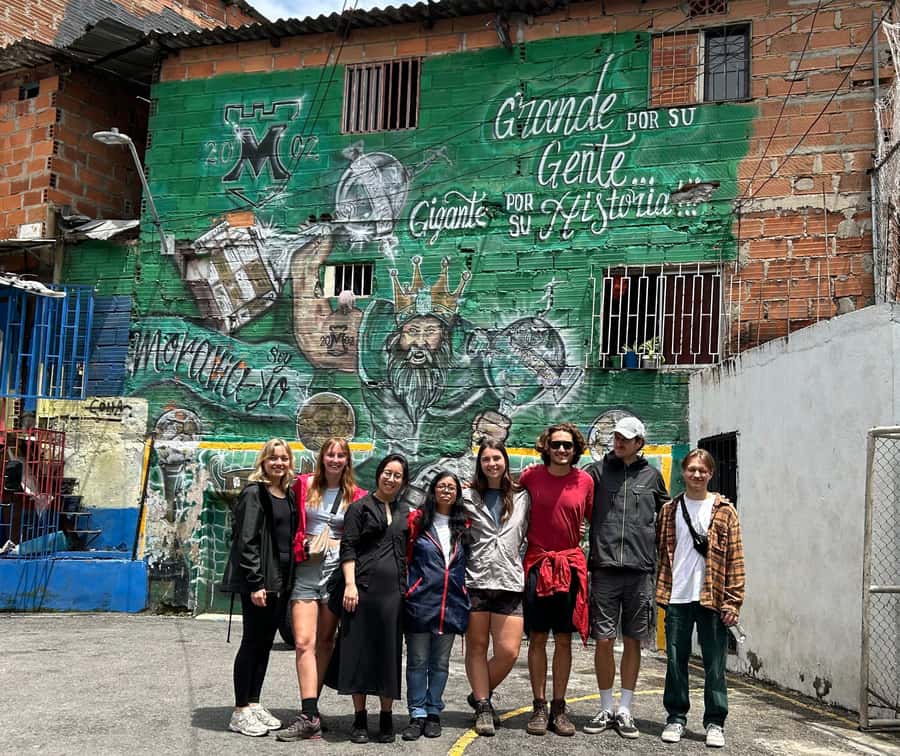
Comuna 4, in Medellín’s Antioquia region, is the kind of place where you understand something important fast: transformation isn’t a slogan. This tour centers on a barrio that was built about 60 years ago at a time when the government did not recognize it. That fact changes how you see everything that comes next—homes, community spaces, daily routines, even how people talk about progress.
What I like about this approach is that it doesn’t force you into a single narrative. The people leading you have lived in the neighborhood, so they can show both the wins and the complications. It also keeps the tour from feeling like an outsider passing through. You’re not there to collect misery. You’re there to understand resilience and how systems work when communities push for recognition.
And because the guides frame transformation through education, health, and welfare, the story lands in practical terms. Instead of hearing vague promises, you get a clearer sense of how services and support shape everyday life.
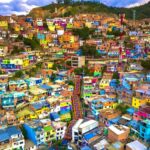
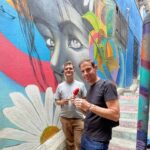
There is more Comuna 13 street art and graffiti to explore around Medellin
What you’ll learn: health, welfare, and education in real-life language
This isn’t just a sightseeing walk. The tour is built to help you understand Colombia beyond the tourist layer, and it does that by explaining how the education system, health care system, and welfare system connect to barrio life.
Here’s what that means for you: when you’re walking, you’re also building mental maps. You start noticing how community initiatives fill gaps, how priorities get set, and how people support each other when formal recognition comes late or unevenly.
You’ll also get a grounded view of empowerment—especially women’s empowerment in the barrio—through the stories shared by grassroots leaders. That’s one of the most valuable parts of this experience. It’s not framed as a trend. It’s shown as daily leadership: organizing, caring, advocating, and making the neighborhood work.
If you like explanations that aren’t oversimplified, you’ll appreciate the tone. The tour uses professional bilingual guidance, and the local leaders bring the lived experience. Together, they translate complex topics into something you can actually understand while you’re there.
The guided rhythm: stop-by-stop through transformation and Moravia
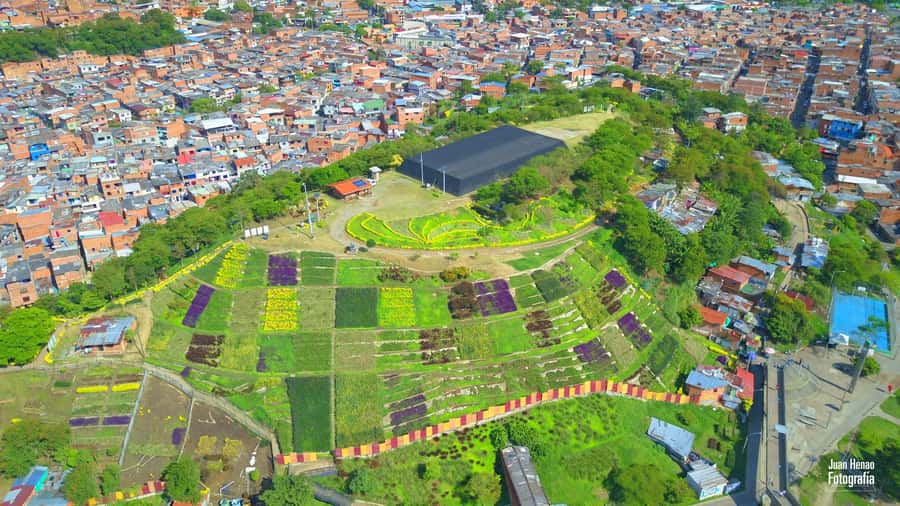
The walk runs for about 3.5 hours, and it moves in a sequence that helps you build context first, then explore with more depth.
Stop 1: Starting point at Barrio Transformation Tour
You’ll begin at the meeting spot near Caribe Metro Station (details below). The start matters because this tour is structured around local orientation. You get your bearings fast, and your guides set the tone: respectful social tourism, small groups, and real conversation.
Stop 2: Barrio Transformation Tour (about 30 minutes)
This first guided section is where you build the foundation. You’re looking at the barrio’s transformation story from the inside, and the guide’s job here is to help you connect what you’re seeing to why it happened.
This is also where you learn how the tour frames its main themes—recognition, community building, and the way systems like education, health, and welfare show up in daily life.
Stop 3: A quieter local stop (about 45 minutes)
After the initial foundation, you shift to a lesser-known area that helps you see beyond the most obvious surfaces. The goal here isn’t just a break from the main route. It’s to help you understand the neighborhood’s texture—places where community life feels more lived-in than staged.
This longer stop also gives time for questions. If you’re the type who likes to ask how things work, this is the segment where you’ll get more back-and-forth.
Stop 4: Moravia visit and guided tour (about 1 hour)
Moravia is one of the tour’s anchors. This segment is a guided visit that gives you more context about the neighborhood’s transformation and how community identity shows up in real life.
What I like about spending a full hour here is that it prevents the tour from rushing. You get time to absorb and process. You’re not just passing through; you’re being guided through understanding.
Stop 5: Moravia food tasting (about 30 minutes)
Then comes the most enjoyable kind of reset: a food tasting. This is where the tour becomes more than information. Food helps you remember the day with your senses, and it’s also a simple reminder that community life includes pleasure and comfort, not only struggle.
You’ll also have a small snack included as part of what’s listed for the experience, so expect a planned break rather than an afterthought.
Stop 6: Another local guided segment (about 30 minutes)
Next, you head to another stop designed for guided context. This is usually where the story tightens—where themes like empowerment, community leadership, and the day-to-day reality of systems start to feel connected rather than separate.
Stop 7: Moravia Cultural Center sightseeing (about 30 minutes)
The final segment is Moravia Cultural Center sightseeing. This is your chance to look around and see how the community presents itself through culture and public space.
Even if you’re not an art-and-museum person, centers like this often help you understand how identity is shaped and shared. It’s a good closing note after the more practical conversations about education and welfare.
The people behind the tour: Toto, Heroina, and grassroots leadership
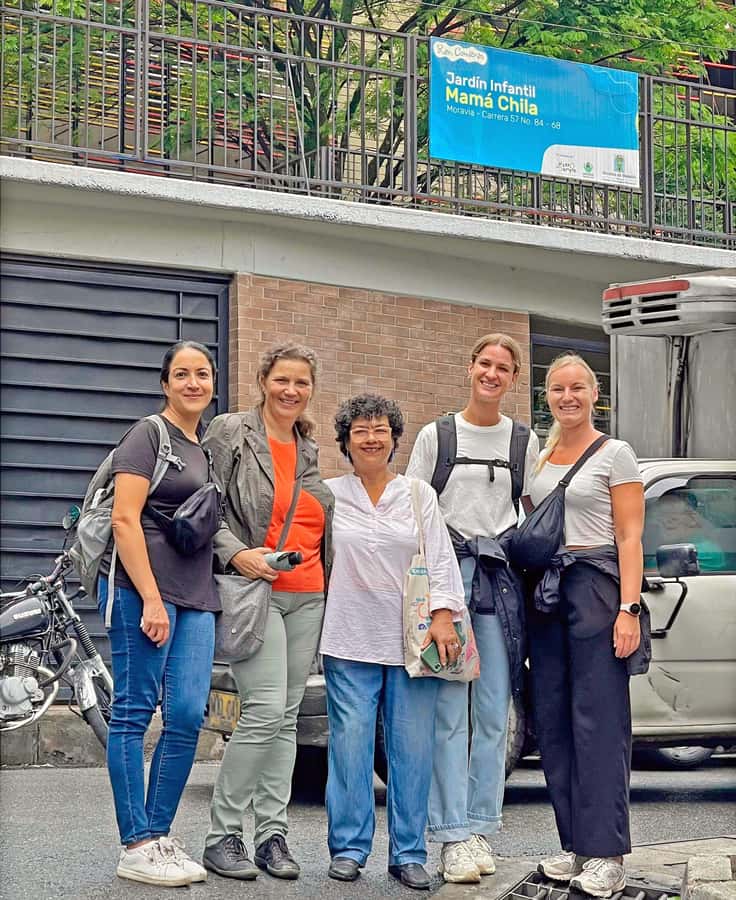
The biggest strength here is the human layer. You’re not only getting a professional bilingual guide; you’re getting a local community leader. On different days, the leader may be Gloria, Gladis, or Heroina. And the review feedback highlights days where Toto and Heroina show up as strong matches—clearly the kind of guides who connect and explain well.
You’ll likely notice that the tour emphasizes respect in a very specific way. It avoids big groups that flood the barrio, and it doesn’t treat the neighborhood like a classroom for outsiders. That matters because the tone affects everything: what people are willing to share, how comfortably you move through spaces, and how much you listen instead of just watch.
There’s also a built-in community connection. The local leaders get paid, and part of your tour fee directly contributes to community initiatives. That doesn’t make it magic, but it does mean your money isn’t disappearing into a distant office while locals do the work.
And since this tour has been running for more than 8 years, the approach isn’t brand-new or experimental. It’s settled, shaped by long-term relationships with the neighborhood.
Price and value: is $30 worth it for 3.5 hours?
At $30 per person, you’re paying for three things that add up quickly in a city like Medellín: guided interpretation, local leadership, and time with a small group.
You’re not dealing with a mass tour. With a limit of 8 participants, you get more back-and-forth than you would on larger walks. That alone makes the experience feel more personal and easier to follow, especially when the guide is explaining education, health, and welfare systems in context.
You’re also not just buying facts. You’re supporting a model where local leaders are involved and part of the fee supports community initiatives. For me, that’s the clearest “value” signal in the pricing—your payment aligns with the neighborhood’s benefit, not only your sightseeing.
If you’re budget-minded and you want a Medellín experience that feels connected to real daily life, this price is easier to justify than many standard city tours.
Getting there: meeting at Caribe Metro Station, the South exit with the bridge
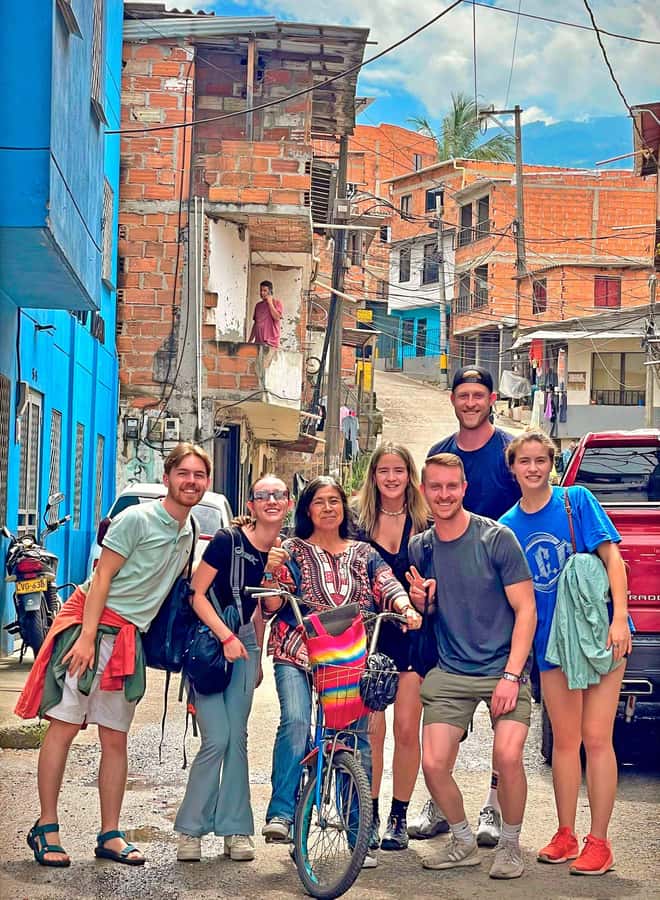
Logistics are simple, but you do need the right exit.
You meet at the South ticket booth of Caribe Metro Station. The station has two exits: one north, one south. Your meeting spot is the one connected to the pedestrian bridge over the Medellín River.
By metro (recommended)
Take the A-line and get off at Caribe. Choose the exit toward the back of the train, meaning the south side. If you like visuals, the provider shares a short video showing how to reach the meeting point after getting off.
By Uber
Uber isn’t advised here, and the reason is practical: the driver is likely not to drop you at the right exact place. If you do use Uber, you’ll need data on your phone so you can stay in touch with the team and adjust.
A quick tip that saves time: aim to arrive a few minutes early. With small groups, the schedule is usually tight.
What to bring (and how to make the walk comfortable)
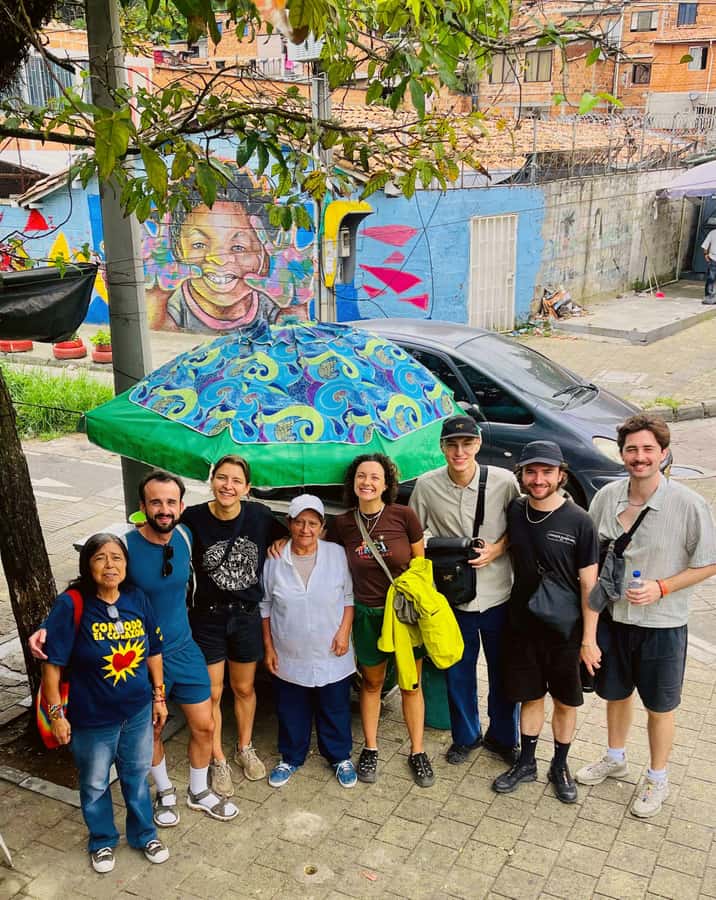
This tour is active enough to require planning. You’ll want:
- Comfortable shoes (you’ll be walking outdoors for much of the 3.5 hours)
- Sunscreen (the sun in Medellín can sneak up on you)
If you’re the type who gets warm fast, dress in breathable layers. The tour is not described as extreme, but comfort makes the conversations better.
Who this tour suits best
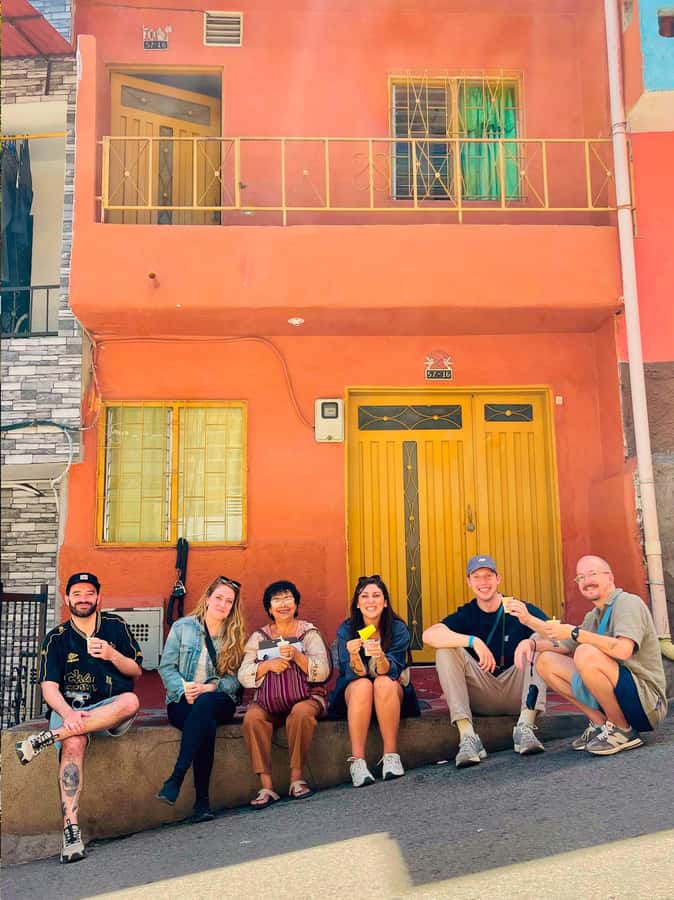
This one is a strong match if you want:
- a neighborhood-focused Medellín experience beyond the central sights
- real context about how systems like education and health show up locally
- to meet community leaders and hear stories directly, not filtered through media
It may be less of a match if you’re looking for a quick checklist tour with minimal walking and minimal talking. The value here is in listening, learning, and moving at a thoughtful pace.
Should you book Comuna 4 – Moravia Tour?
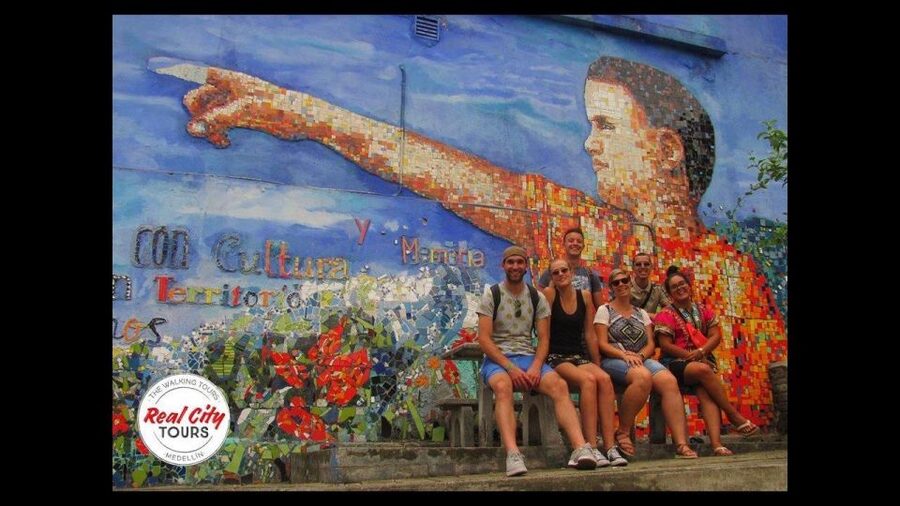
I think you should book if you care about value that goes past your camera roll. This is a small-group, bilingual-led walk shaped by community leaders, with a clear focus on how Medellín’s transformation connects to education, health, and welfare.
It also earns trust through the practical approach to respect: limited group size, no flooding the barrio, and a community benefit model where leaders get paid and a portion of the fee supports initiatives.
If you’re ready to walk, ask questions, and trade surface-level sightseeing for a grounded look at how a barrio earned recognition, this tour is a smart choice. If you hate walking in the sun or want only stand-alone attractions, you’ll probably feel more comfortable choosing something else.
FAQ
How long is the Comuna 4 – Moravia Tour?
The tour lasts about 3.5 hours.
What does the tour cost?
It costs $30 per person.
Where do I meet the tour?
You meet at the South ticket booth of Caribe Metro Station, specifically the exit that has a pedestrian bridge over the Medellín River.
Is hotel pickup or drop-off included?
No. Hotel pickup and drop-off are not included.
What languages is the tour offered in?
The live tour guide speaks English.
How big is the group?
The group is small, limited to 8 participants.
What’s included in the tour price?
You get a local community leader, a professional bilingual tour guide, and a small snack.
What should I bring?
Bring comfortable shoes and sunscreen.
FAQ
Is there free cancellation?
Yes. You can cancel up to 24 hours in advance for a full refund.
Can I pay later when booking?
Yes. You can reserve now and pay later.
More Tours across Medellin and Antioquia
More Comuna 13 Street Art and Graffiti Tours in Medellin
More Medellin Tours and Experiences to Read Next
Not quite your thing? Here is more to do around Medellin, freshly reviewed
Comuna 13 Graffiti & Street Art Tours, compared.
 ★ 4.8Comuna 13 Graffiti Tour, Cable Car & Street FoodFrom $189,046 reviews
 ★ 4.9Comuna 13 True Story and Street Food TourFrom $141,779 reviews
 ★ 4.8Comuna 13 District Tour with Cable Car RideFrom $271,467 reviews
 ★ 4.9Private City Tour with Metrocable and Comuna 13From $76330 reviews
 ★ 4.9Comuna 13 Tour with Snacks And Your Own GraffitiFrom $11311 reviews
 ★ 4.5City Tour + Commune 13 MedellinFrom $37295 reviews
 ★ 4.9Comuna 13 and Graffiti Guided Tour with a LocalFrom $16239 reviews
 ★ 4.9Private Pablo Escobar and Comuna 13 TourFrom $81233 reviews
Browse the lists this tour appears in