
REVIEW · COFFEE FARM & CHOCOLATE TASTINGS
Medellin: Coffee Tour with Transport, Snacks and Tastings
Coffee farm days from Medellín can be surprisingly fun. This one mixes hands-on coffee picking with guided tastings, plus the chance to dress like a paisa muleteer in traditional gear. I also like that the experience doesn’t end at samples: you learn the bean-to-cup steps and get tastings like the coffee mucilage frappé, plus honey and cherry specialty coffees guided by hosts such as Laura or Lorena.
One catch: it’s a working farm with hills, so expect walking up and down on uneven ground. If you have limited mobility, this tour is not a good fit, and you’ll want closed-toe shoes and sunscreen.
In This Review
- Key things that make this coffee tour worth your time
- Medellín to D’Arrieros Coffee Farm: the easiest way to get out of the city
- Walking into the paisa vibe: dress-up, scenic stops, and “D’Arrieros” energy
- Bean picking and the harvest-to-drying story you’ll actually remember
- Tastings that go beyond coffee: mucilage frappé, husk tea, honey and cherry
- The paisa lunch: what’s included and why it matters
- Coffee brewing instruction plus a coffee-picker certificate
- Optional horseback ride: 45 minutes of viewpoints with instructions for beginners
- Price, time, and value: is $80 a fair deal?
- What to bring so the day feels easy (not miserable)
- Who should book this coffee tour in Medellín?
- Should you book? My honest take
- FAQ
- How long is the Medellín coffee tour?
- How long is the guided part at the coffee farm?
- Where do pickups happen in Medellín?
- What are the pickup time windows?
- Is an English-speaking guide available?
- What coffee tastings and drinks are included?
- What snack and lunch are provided?
- Do I get traditional clothing to wear?
- Is horseback riding included?
- Is water included?
- Do you get a souvenir?
Key things that make this coffee tour worth your time
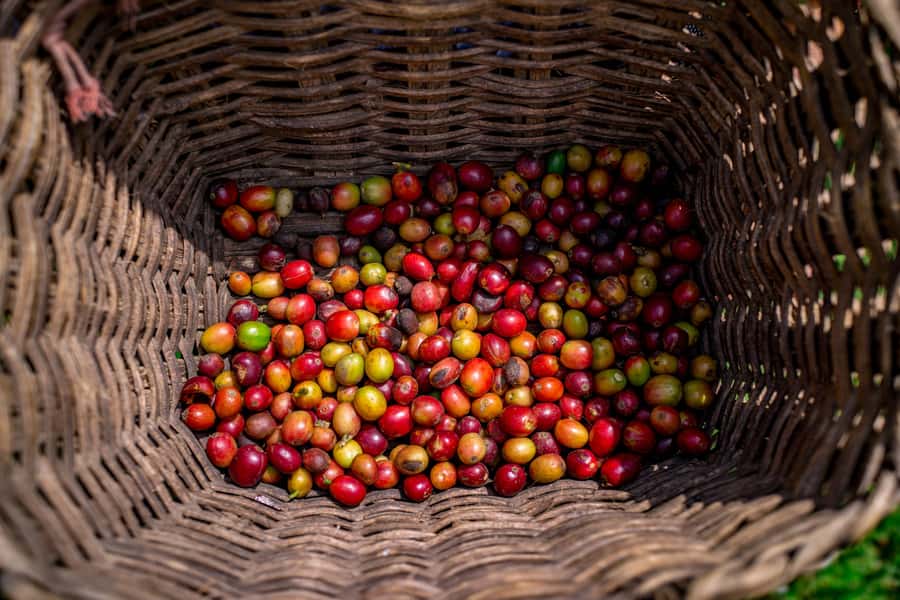
- Pick your own coffee beans and learn what happens from harvest to drying
- Two specialty tastings (honey and cherry) plus a coffee mucilage frappé
- Traditional paisa outfit on arrival, including a poncho gift and hat
- Paisa lunch included on the farm, with plantain, rice, chicken, and more
- Optional 45-minute horseback ride with instructions if you’re a first-timer
Medellín to D’Arrieros Coffee Farm: the easiest way to get out of the city
This is a true day-trip setup. You’re picked up from Medellín hotels and Airbnbs in El Poblado, Laureles, and Estadio. Pickup windows run in the morning (Poblado roughly 8:40–9:00 a.m., Laureles 9:05–9:25 a.m., Estadio 9:15–9:35 a.m.), and the ride to the San Sebastián de Palmitas area is about 45 minutes.
That timing matters. It gives you a full farm day without the hassle of arranging your own transport, then gets you back the same day. For $80, you’re paying for more than a tour guide—you’re buying a packaged route that includes transportation, meals, tastings, and a souvenir.
If you’re visiting Medellín for the first time and you want a rural break without losing half your day to planning, this format is one of the simplest choices.
More coffee fincas and chocolate tastings to sip your way through near Medellin
Walking into the paisa vibe: dress-up, scenic stops, and “D’Arrieros” energy
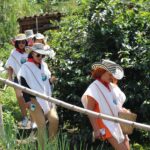
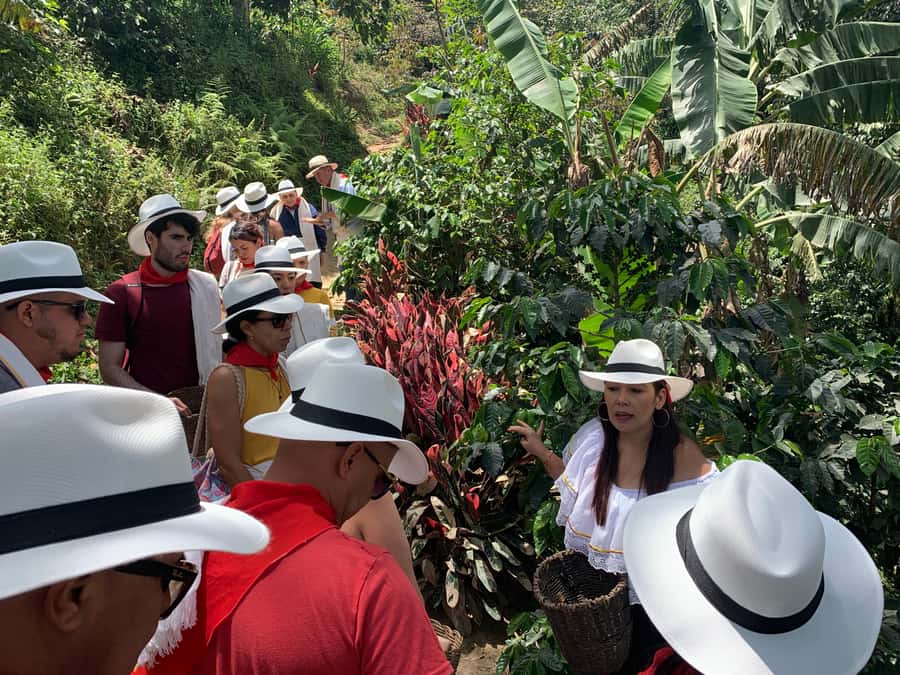
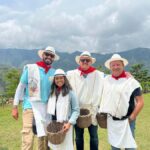
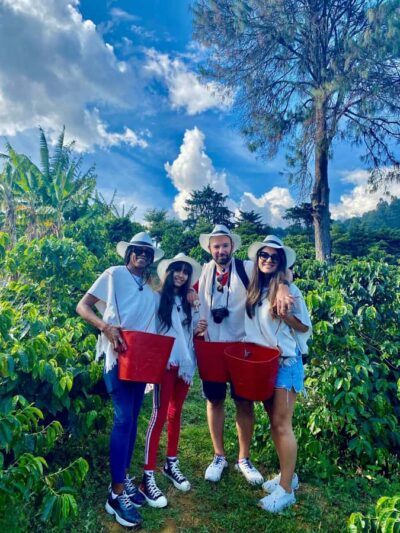
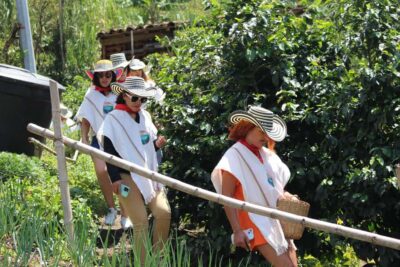
The tour starts when you arrive at D’Arrieros Coffee Farm. Before you even get deep into coffee details, you step into the local mood by dressing up in traditional paisa muleteer-style clothing: a hat and poncho (given to you as a gift) plus a paruma as part of the outfit.
This part isn’t just for photos. It helps set the tone. Coffee in Colombia is cultural, not just commercial. The guide frames that as you get a short guided intro (the early guided portion is listed at about 75 minutes).
After the initial introduction, there’s a photo stop and short walk (about 10 minutes) with scenic viewpoints along the way. Then you get a break/free time window (about 30 minutes). That break is useful because the farm has hills and you’ll want a breather before lunch and the longer activity parts.
Practical note: the walking is very real, even though the time blocks are short. If you’re someone who hates stairs on vacation, you’ll feel it here—bring good shoes and move at a steady pace.
Bean picking and the harvest-to-drying story you’ll actually remember
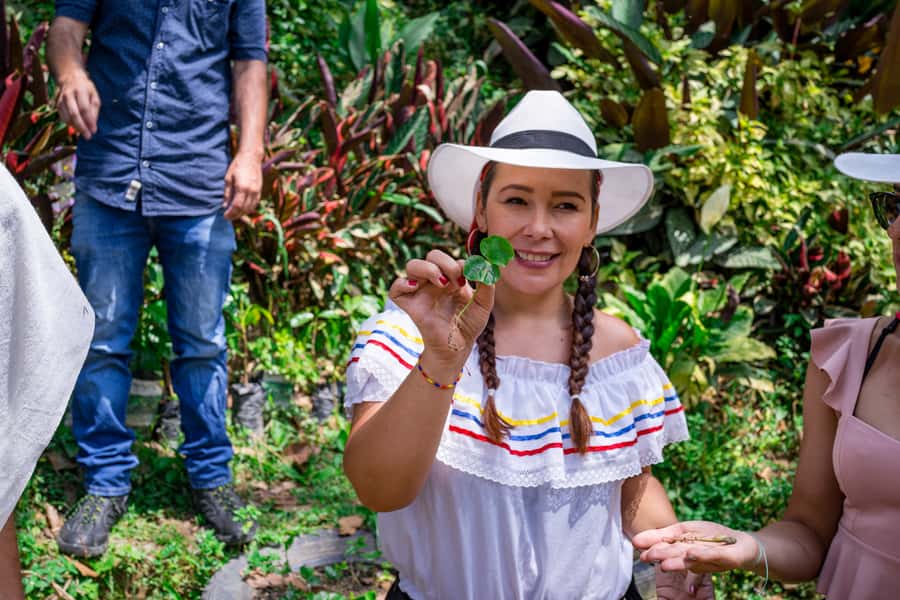
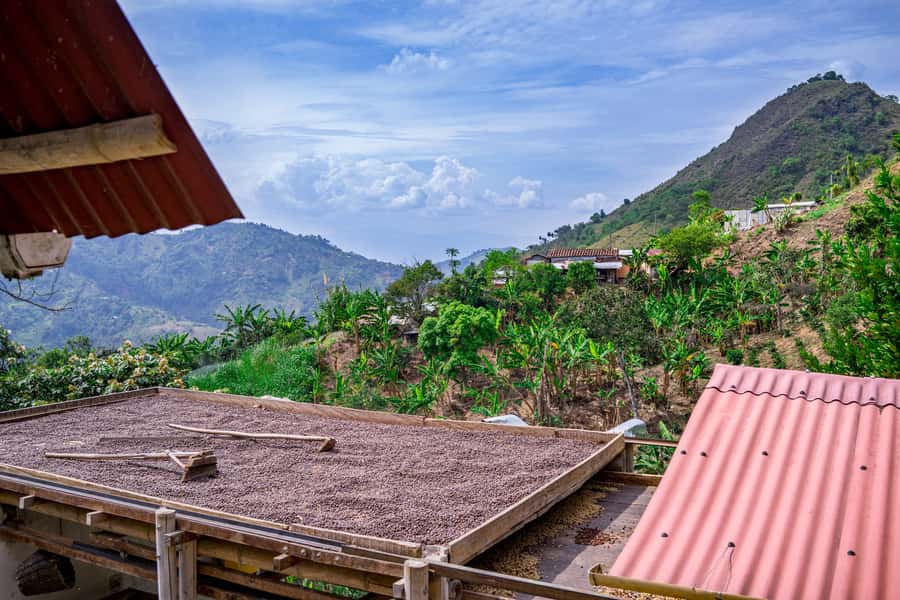
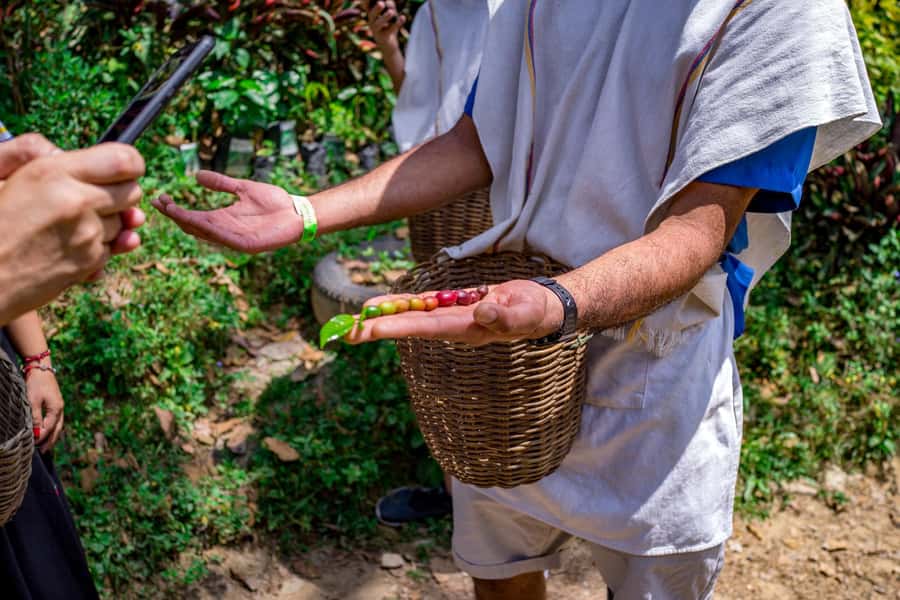
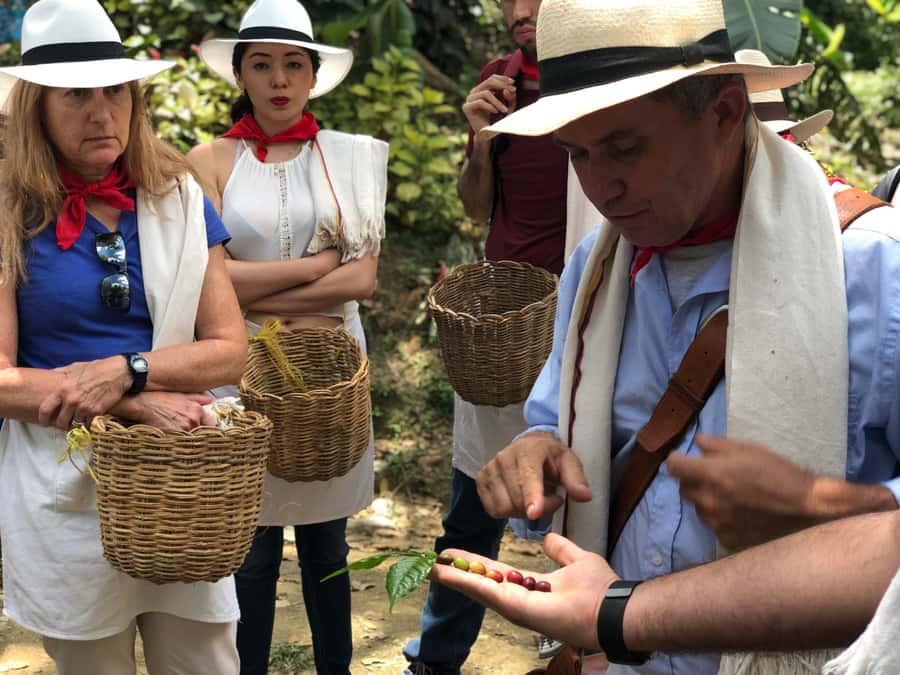
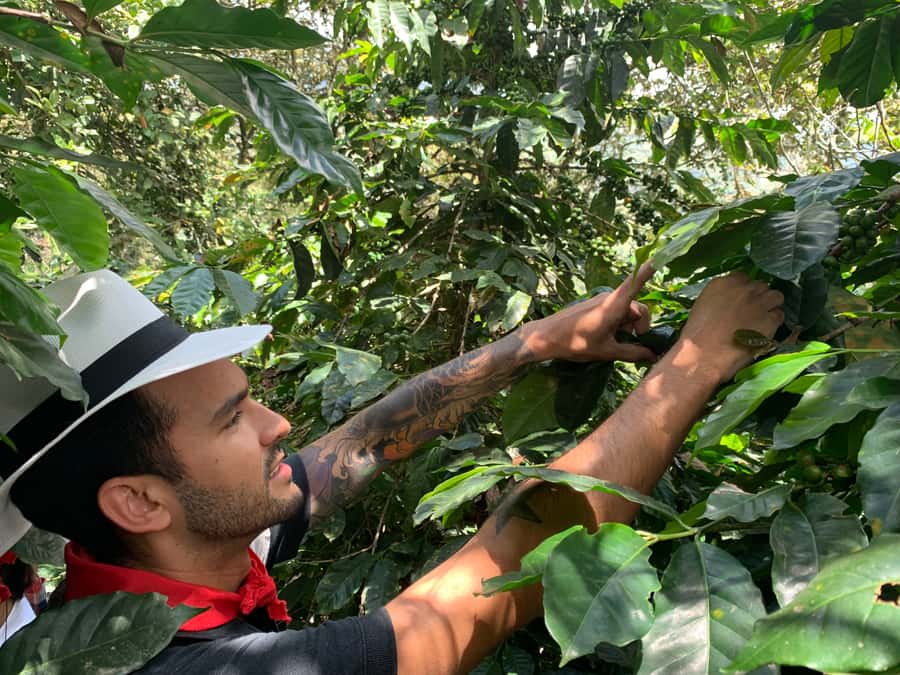
At the heart of the farm time is the process. You’ll learn how Colombian coffee is grown and how the work flows from harvesting to drying. Then you get hands-on with picking coffee beans.
What makes this more valuable than a typical “look but don’t touch” tour is that you get the sequence in context. You’re not just hearing that coffee needs careful handling. You’re seeing why people talk about timing, sorting, and drying so much.
The guide also talks through how Colombian coffee achieved its reputation—how it moved from history into farming practice and then into the cup. Many guides on this route are praised for explaining steps in clear English, and names like Laura, Lorena, and Daniela/Valentina show up often in the accounts you can use to set expectations for a fun, explanatory style.
Even if you don’t think of yourself as a coffee nerd, you’ll come away with a basic mental map. That makes your tastings (next section) make way more sense.
Tastings that go beyond coffee: mucilage frappé, husk tea, honey and cherry
Here’s where the day gets delicious.
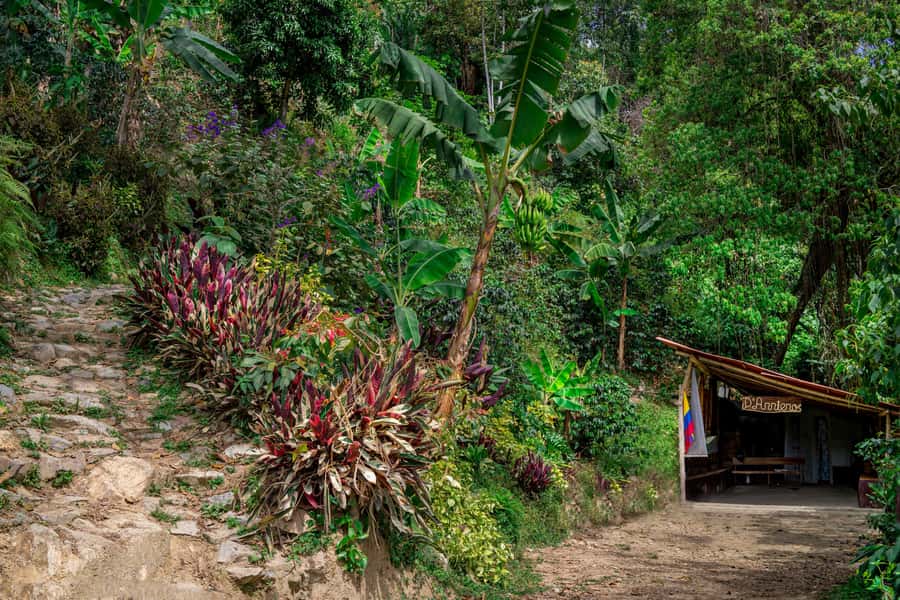
First, you’ll cool down with a coffee mucilage frappé. Mucilage is the honey-like coating that coats coffee beans. Seeing it in the conversation—and tasting something made from the concept—turns an abstract farming detail into a real flavor memory.
Next up: tea made from coffee husks (also described as coffee pulp and mucilage in the tour description). This is one of those experiences that can surprise you in a good way, because it’s not just “more coffee.” It’s coffee-adjacent processing turned into a drink.
Then you get coffee tastings focused on two specialty profiles: honey and cherry. The guide walks you through how to brew and taste like a pro, and you’ll try different coffees to understand what makes each one distinct.
What I like about this tasting structure is balance:
- Some tastings are made from parts of the coffee plant you’d normally ignore (husk tea, mucilage drinks).
- Some tastings are about how the coffee itself behaves (honey vs. cherry notes).
- The guide gives you a way to listen for differences instead of just guessing what you’re tasting.
If you’re the type who wants to know why something tastes the way it does, this tour delivers that habit.
The paisa lunch: what’s included and why it matters
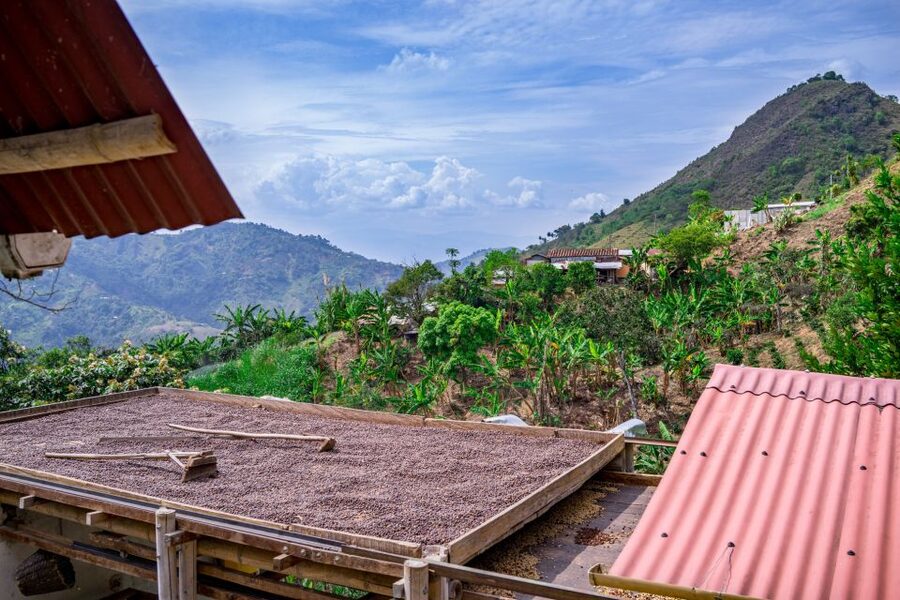
Lunch is included, and it’s not a tiny snack pretending to be a meal. You’ll eat a hearty paisa meal served with:
- rice
- chicken
- boiled eggs
- mashed potatoes
- plantain
It also includes plantain again earlier as a snack during the tasting/lab portions (sweet plantain topped with honey and cheese is described). So yes—you’ll eat plantain more than once, and you should plan for that.
The lunch can be modified for dietary restrictions. That’s important because some coffee tours are heavy on meat and sweet desserts, but this one is explicitly flexible.
One more value point: eating on the farm keeps you in the coffee rhythm. You’re not rushing offsite, and lunch doesn’t feel like an afterthought. It feels like part of the workflow of a working finca.

Coffee brewing instruction plus a coffee-picker certificate
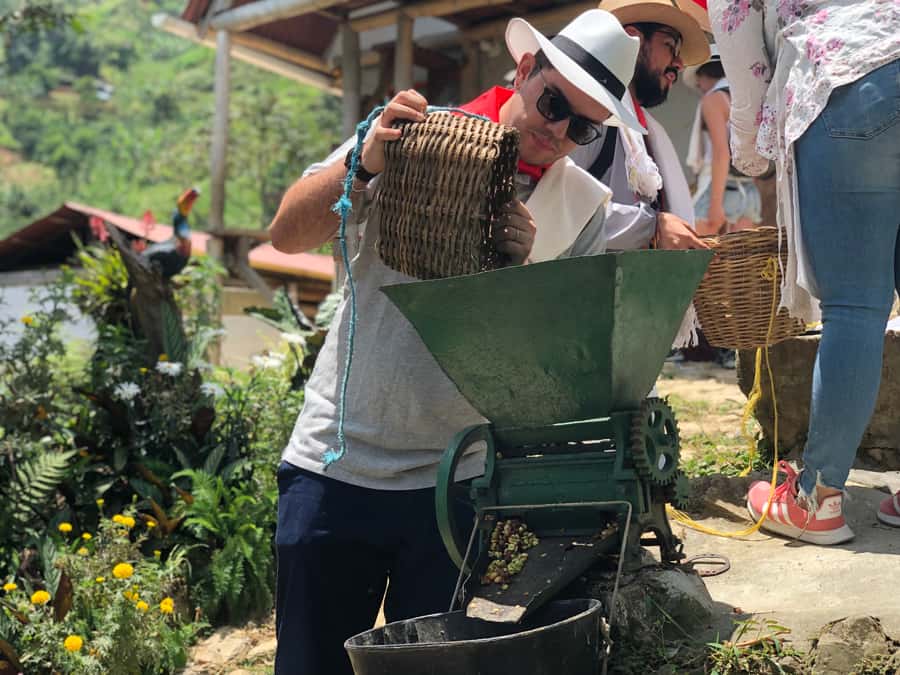
After lunch and tastings, the tour shifts into the skills part: how to brew and taste properly. You’ll learn how to approach flavor and quality, not just sip and move on.
Then you also receive a certification diploma as a coffee picker at the farm. It’s not going to change your life, but it does reinforce that you did real work, not just a walk-through.
And since the souvenir isn’t generic, this part lands well. You get a specific pack of coffee: an 80-gram package of specialty honey coffee, plus a caramelized coffee candy with panela. That makes the day useful later, because you can recreate a taste at home with something tied directly to the tour.
Optional horseback ride: 45 minutes of viewpoints with instructions for beginners
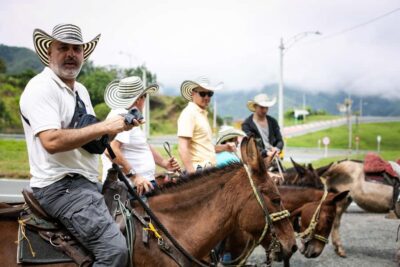
If you choose the add-on, you’ll get a 45-minute horseback ride through the farm. It’s described as going through stunning scenery and reaching viewpoints. Importantly, the tour notes that instructions are provided for inexperienced riders.
That last point matters for safety and enjoyment. The horses travel on mixed ground types (as described in accounts), and the pace is geared to make it manageable even if you’ve never ridden before.
Should you do it? If you enjoy animals and you want a different perspective of the hills around the finca, the ride is a great way to turn “coffee tour” into “half adventure.” If heights and animals make you uneasy, you can skip it and still get the full farm experience.
Weather can also affect how the ride feels. Rain can turn a muddy hillside into a fun memory or a sweaty one, depending on your attitude and clothing choices.
Price, time, and value: is $80 a fair deal?
For $80 per person, you’re buying a tight package:
- Round-trip transportation from key Medellín neighborhoods
- a 3.5-hour guided farm experience (with a longer overall day)
- multiple drinks and tastings, including mucilage frappé, coffee husk tea, and tastings of honey and cherry
- a snack (sweet plantain with panela and cheese)
- a paisa lunch
- traditional clothing loan plus a poncho gift
- a coffee-picker certificate
- an 80-gram specialty coffee souvenir and a panela caramelized coffee candy
That’s a lot for a day trip. The only real “extra cost” you might face is buying water because water is listed as not included, and you’ll want sunscreen too. Closed-toe shoes are on you.
If you’re comparing this to paying separately for transport, a meal, and tastings, the $80 looks more rational. You’re not paying just for walking around coffee plants. You’re paying for structure, food, drinks, and instruction.
What to bring so the day feels easy (not miserable)
The tour is outdoors and includes hills. Come prepared:
- Closed-toe shoes (non-negotiable for uneven ground)
- Sunscreen
- Water (listed as not included)
- Avoid shorts and open-toe shoes
Also consider that you’ll be wearing traditional outfit items during the tour. That means your clothes should handle a farm environment—think comfy and sturdy over stylish.
If you want the best photos, wear something you don’t mind getting a little dusty.
Who should book this coffee tour in Medellín?
This tour is a great fit if:
- you want a structured coffee day trip with transport + food + tastings
- you like learning how things are made, not just seeing them
- you want both coffee education and a cultural touch (paisa muleteer outfit)
- you’re open to walking hills and spending time outdoors
It’s not a good fit if:
- you have mobility limitations or need a wheelchair-friendly plan
But if you can handle a hilly farm walk with good shoes, it’s one of those Medellín experiences that gives you something tangible: a new sense of how coffee is grown, tasted, and brewed.
Should you book? My honest take
Book this tour if you want the full package: hands-on coffee picking, guided tastings (including honey and cherry), a proper paisa lunch, and a souvenir that’s actually tied to the farm.
Skip it if you hate walking on uneven ground or if coffee tastes and farm processes don’t interest you at all. In that case, you’d probably prefer a simpler city-focused activity.
FAQ
How long is the Medellín coffee tour?
The total duration is 6 hours.
How long is the guided part at the coffee farm?
The guided tour is listed as 3.5 hours.
Where do pickups happen in Medellín?
Pickup is available from neighborhoods including El Poblado, Laureles, and Estadio (and there are also options based on specific pickup points such as Poblado Park if you’re outside the main area).
What are the pickup time windows?
Pickup windows are listed as roughly 8:40–9:00 a.m. for Poblado, 9:05–9:25 a.m. for Laureles, and 9:15–9:35 a.m. for Estadio.
Is an English-speaking guide available?
Yes, the tour offers English and Spanish-speaking guides.
What coffee tastings and drinks are included?
Included tastings and drinks include a coffee mucilage frappé, tea made from coffee husks, and tastings of two specialty coffees (honey and cherry).
What snack and lunch are provided?
You’ll get a snack of sweet plantain with panela and cheese. Lunch is a paisa meal including rice, chicken, boiled eggs, mashed potatoes, and plantain (with modifications possible for dietary restrictions).
Do I get traditional clothing to wear?
Yes. You get a loan of traditional clothing during the tour, plus a poncho gift with the farm’s logo.
Is horseback riding included?
Horseback riding is optional, and if chosen it’s listed as a 45-minute ride with instructions for inexperienced riders.
Is water included?
No. Water is not included.
Do you get a souvenir?
Yes. You get an 80-gram package of specialty honey coffee and a caramelized coffee candy with panela. You’ll also have time for shopping at the end of the tour.
More Tours across Medellin and Antioquia
More Coffee Farm and Chocolate Tastings near Medellin
More Medellin Tours and Experiences to Read Next
Not quite your thing? Here is more to do around Medellin, freshly reviewed

Coffee Farm & Chocolate Tastings, compared.
 ★ 4.9Medellín Coffee Farm Tour with Trolley and Cable Car RideFrom $56277 reviews
 ★ 4.8Coffee Tour and Wellness SpaFrom $88209 reviews
 ★ 4.9Coffee Tour with Hotel Transfers and MealsFrom $70186 reviews
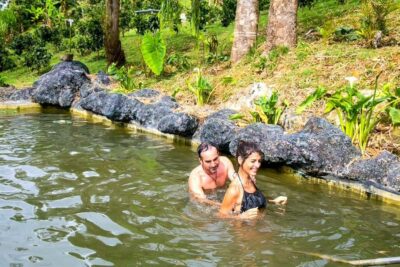 ★ 4.8Horseback Riding Coffee Farm Tour with Coffee SpaFrom $150151 reviews
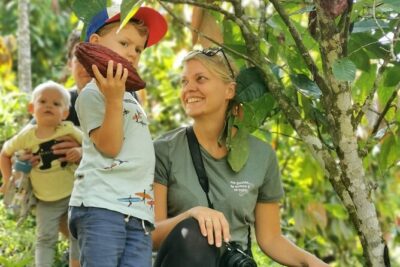 ★ 5.0Coffee & Chocolate Private Tour in Medellin: Genuine ExperienceFrom $179100 reviews
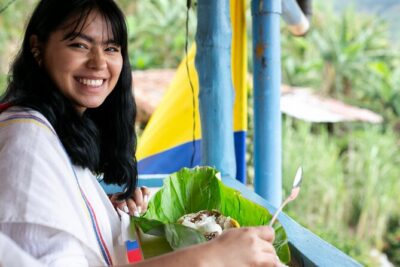 ★ 5.0Coffee Tour with arrival on horseback and sugar cane processingFrom $7590 reviews
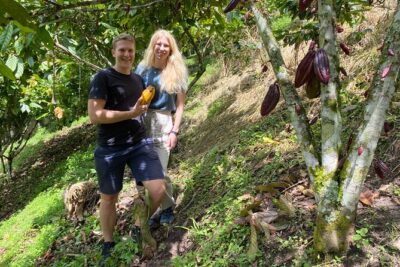 ★ 5.0Chocolate tour near MedellinFrom $11990 reviews
 ★ 4.7Coffee Tour, Horseback Arrival, and Sugar CaneFrom $7682 reviews
Browse the lists this tour appears in