
REVIEW · COFFEE FARM & CHOCOLATE TASTINGS
Medellín Coffee Farm Tour with Trolley and Cable Car Ride
Coffee with city views sounds right. This Medellín experience pairs a Barrio La Sierra walk with a real coffee-farm visit inside the city, plus tramvia and cable car rides. I especially loved the hands-on berry picking and the seed-to-cup process you learn step by step.
One heads-up: this tour is mostly uphill walking with lots of steps, so it is not the best fit if you have mobility limits. I’d bring closed shoes and expect your legs to do some work.
In This Review
- Quick hits before you ride
- Getting to Barrio La Sierra: San Antonio Tranvía to Comuna 8
- Barrio La Sierra walking tour: everyday streets, not a staged stop
- Casa Finca de La Sierra and the museum stop you can’t rush
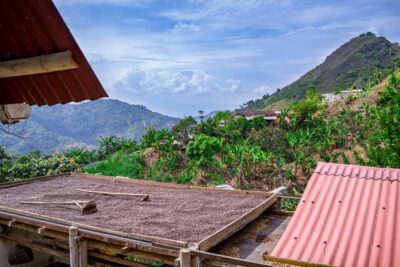
- Coffee farm visit in the heart of Medellín
- Harvesting coffee berries: where the learning becomes hands-on
- Seed to cup, explained in human steps
- Coffee tasting: what you’ll notice once you know the process
- The uphill reality: comfort, safety, and what to pack
- Price and value: is $56 really fair?
- Who this tour suits best in Medellín
- Before you go: what the tour requires of you
- Should you book this Medellín coffee farm tour?
- FAQ
- FAQ
- Where is the meeting point for the Medellín coffee farm tour?
- How long is the tour?
- What transportation is included?
- What happens during the Barrio La Sierra portion?
- Do you harvest coffee berries during the tour?
- What is included besides the farm activities?
- Is coffee tasting included?
- Are coffee bags included?
- What language is the live guide?
- What do I need to provide before the tour?
Quick hits before you ride
- Tramvia + cable car as part of the coffee day for skyline and neighborhood views
- Barrio La Sierra walk in Comuna 8, with context on how the community changed
- Casa Finca de La Sierra and museum visit, so the coffee story isn’t just talk
- Harvest coffee berries yourself, not just a photo stop
- Seed-to-cup education, from cherry to cleaning and tasting
- Tons of coffee sampling, served during the tour rather than only at the end
Getting to Barrio La Sierra: San Antonio Tranvía to Comuna 8
You start at San Antonio Tranvía station, on the street level under the San Antonio metro. Look for the Tranvía sign and meet your guide at the main entrance. This is one of those starts that keeps things simple: you’re already near a key metro hub, and the tour picks you up from there.
Then comes the transit mix that makes the day feel like more than a farm excursion. You ride an electric trolley/tramvia for about 30 minutes, followed by a cable car ride of about 12 minutes. The cable car part matters because you quickly see Medellín from above, and you also get a feel for how steep the neighborhood streets are before you start walking.
A practical note: plan for daylight if you can. Clearer weather makes those cable-car views much more rewarding, and it also helps for the trail-and-stairs rhythm later in the afternoon.
More coffee fincas and chocolate tastings to sip your way through near Medellin
Barrio La Sierra walking tour: everyday streets, not a staged stop
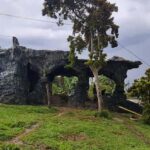
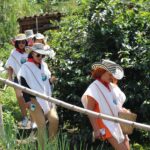
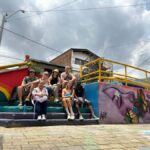
This is the core of the tour. You leave the main sightseeing routes and walk through Barrio La Sierra, which sits in Comuna 8. The point isn’t to gawk at poverty or crime or anything like that. It’s to understand how people live, work, organize, and create stability in places that used to be defined by hardship.
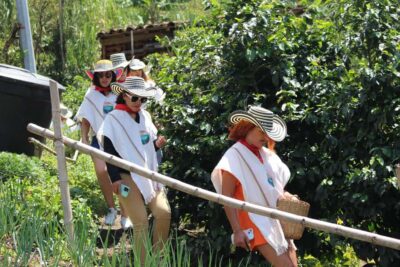
You’ll go at a guided pace through the neighborhood, and the story your guide shares connects the dots between the area and the coffee farm. Guides mentioned in the tour experience include people like Valentina and Carolina, and others such as Camilo, Melissa, and Arturo. Even with different personalities, the theme stays consistent: community comes first, and coffee becomes a way to explain resilience.
You’ll also get scenic viewpoints along the way. If you like walking tours, this one feels different because it stays human. You’re not only looking at Medellín’s skyline; you’re moving through real blocks with real routines.
Casa Finca de La Sierra and the museum stop you can’t rush
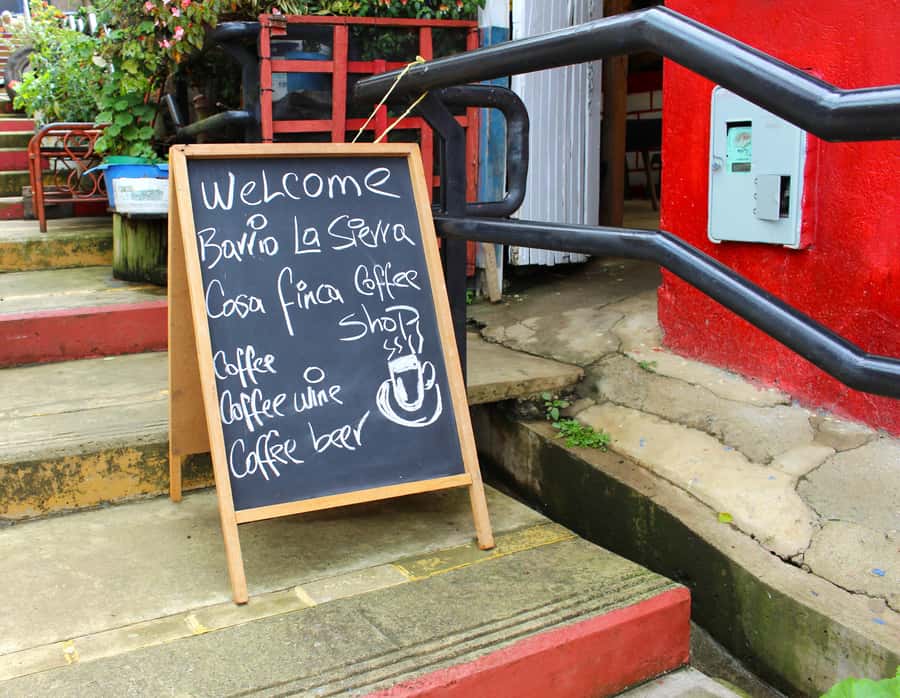
At Casa Finca de La Sierra, you step into the official “coffee base” where the story gets organized. You’ll see the museum component as part of the tour, and this is where the day shifts from walking and views into understanding.
This stop is valuable because it gives you language for what you’ll do on the farm later. You don’t just hear that coffee is a process. You learn why each step matters, and you start recognizing what you’ll later see with your own eyes—cherries, fermentation, drying, and the way roasting and grinding turn into flavor.
You should plan to slow down here. If you’re the type who reads every label, you’ll probably enjoy the museum. If you’re more of a listener, that still works: the guide’s explanations can turn the artifacts into a story you remember.
Coffee farm visit in the heart of Medellín
The farm portion is the part many people came for, and it’s also where the tour earns its price. You visit Casa Finca de La Sierra and then you go into the working areas where coffee grows. This is not a distant countryside “day trip that happens to have coffee.” It’s coffee farm life on Medellín’s hillside scale.
Expect you’ll spend real time moving around. One thing that shows up repeatedly in the experience is the walking and steps. Several guides describe it as a serious uphill route, with one person calling out around 500 stairs. You don’t need a hardcore plan, but you do need a realistic one: your comfort depends on shoes, pace, and patience.
Also, if you’re thinking about food: the tour includes local snacks and welcomes refreshment during the experience. At least one participant noted there is no place to buy food during the day, so don’t count on grabbing a snack from a store mid-walk. If you get hungry easily, eat before you meet at San Antonio.
Harvesting coffee berries: where the learning becomes hands-on
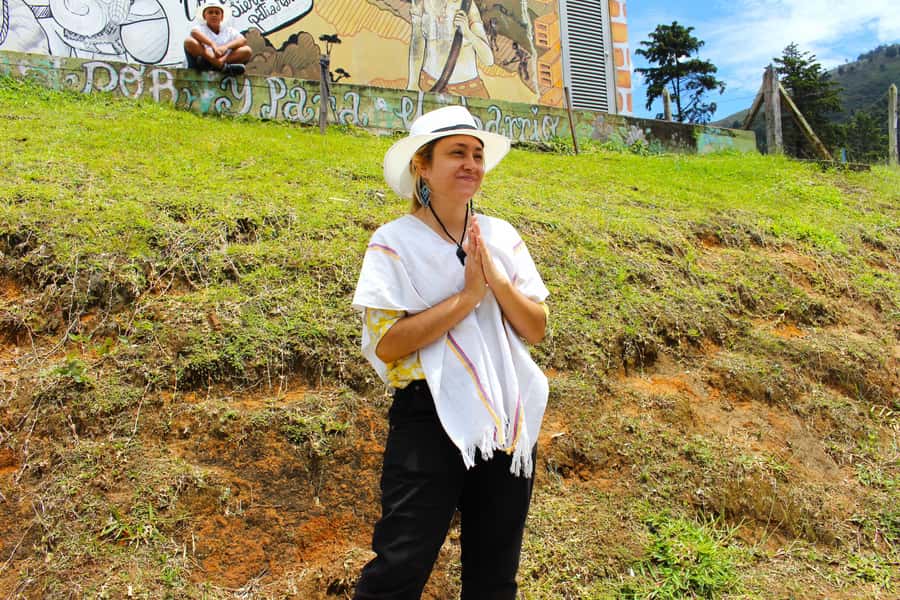
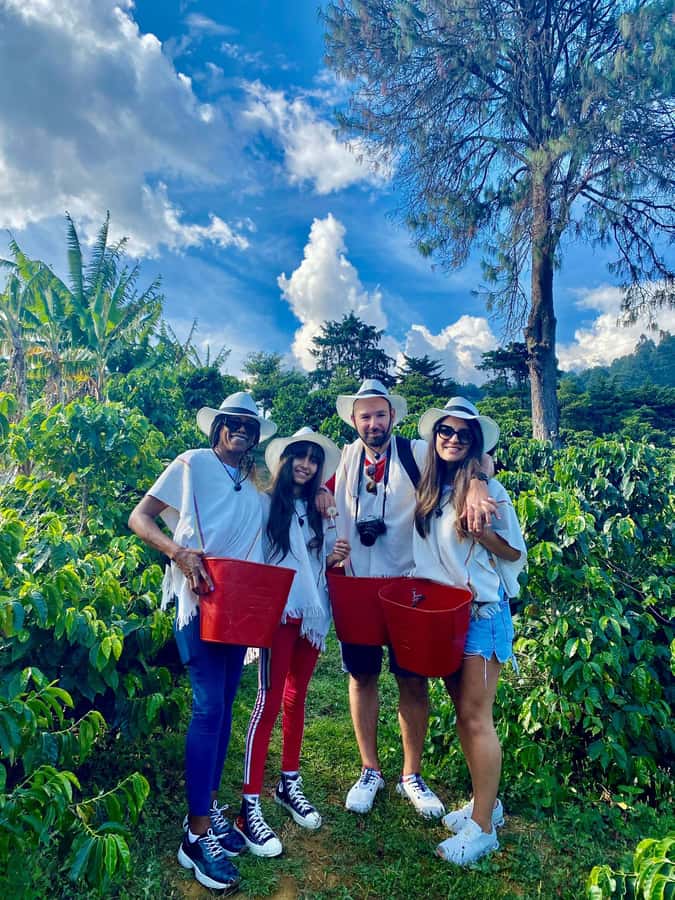
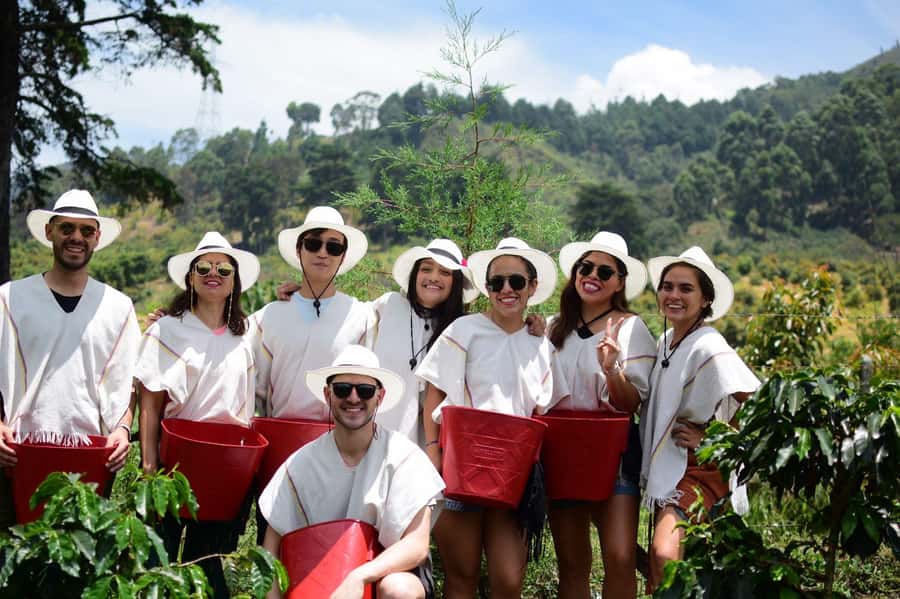
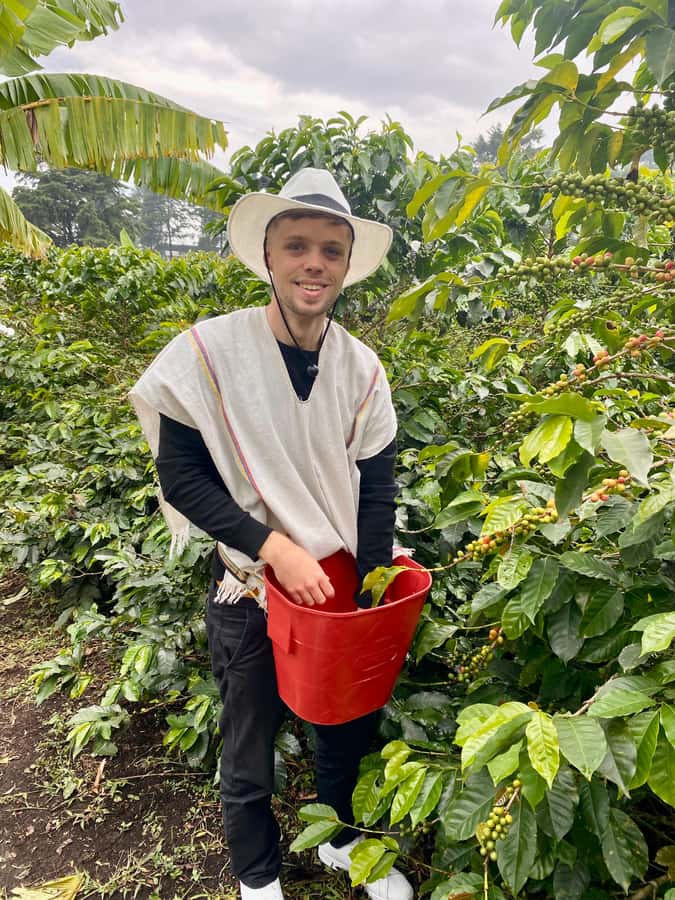
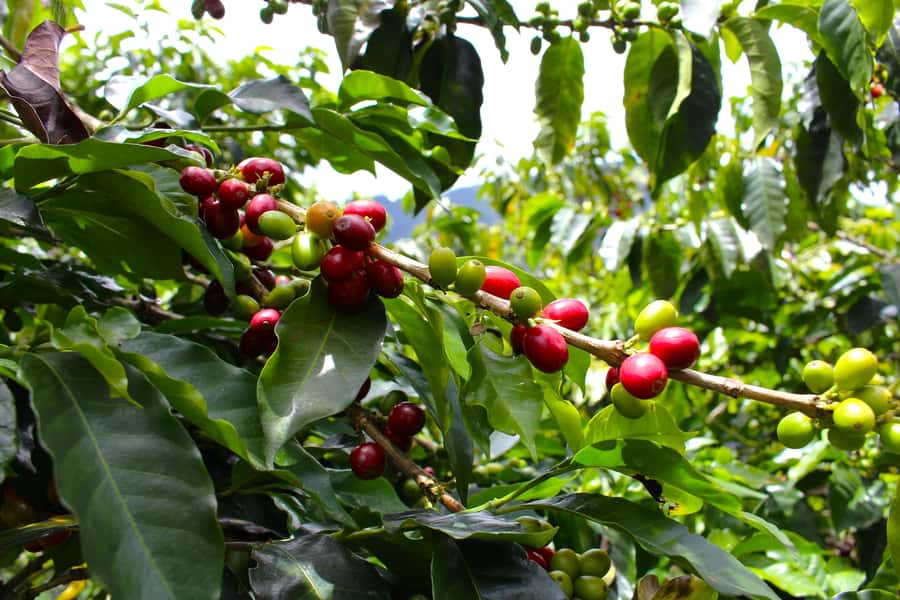
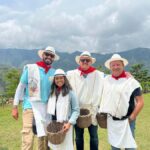
The highlight for many people is picking coffee cherries yourself. You’ll harvest coffee berries on the farm, which changes your whole relationship with coffee. It’s not just tasting. It’s seeing what growers choose, what ripeness looks like, and how much effort goes into getting from plant to cup.
This part is also oddly satisfying. There’s a rhythm to it: listen to the guide, follow the picking instructions, and then do it with your own hands. You’ll probably feel the weight difference and the small effort needed for each handful of cherries. That’s the moment the whole seed-to-cup lesson starts clicking.
If you’re traveling with someone who likes photos, this is where you can safely aim your camera without it feeling like a staged moment. The best images come when you’re paying attention to what you’re holding, not when you’re rushing to pose.


Seed to cup, explained in human steps
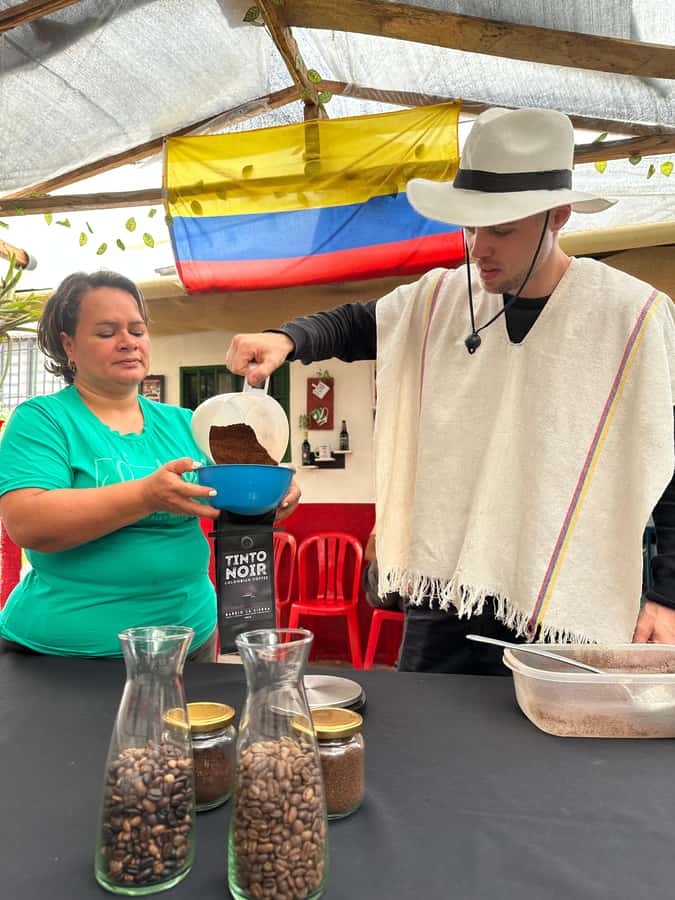
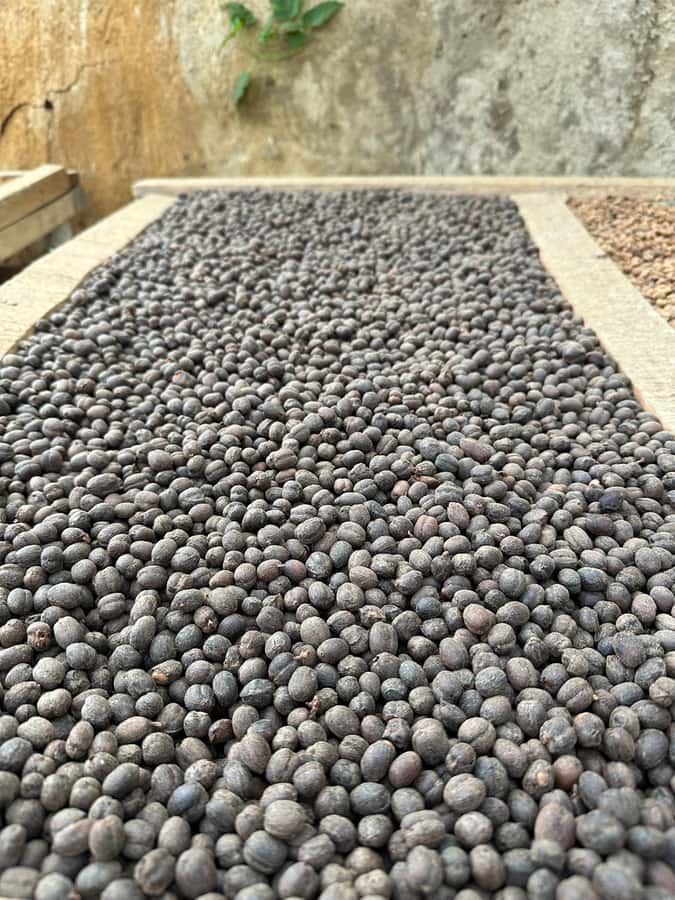
After picking comes the real “how it gets made” portion. The tour teaches the entire process from seed to cup. You’ll learn how harvested cherries move through cleaning and preparation, and you’ll hear about the stages that shape flavor. In the broader process you may see or discuss items like cleaning, fermenting, roasting, grinding, and brewing.
I like this approach because it connects chemistry to daily work. Coffee flavor isn’t just origin. It’s time, moisture, heat, and handling. When you learn the steps in a small-group setting, you start to understand why people argue about roast level and processing methods.
And the guide does the translation work too. Many participants highlighted guides who explained clearly across Spanish and English, including bilingual guides like Annie, Valentina, Carolina, and others. Even if your Spanish is basic, you’ll usually be fine, because the explanations focus on what you’re seeing and doing in the moment.
Coffee tasting: what you’ll notice once you know the process
You’ll get coffee tasting as part of the tour, and the pace spreads it out rather than dumping all sampling at once. The structure includes tasting time and additional opportunities to try coffee made from local beans during the farm experience.
One useful expectation: the coffee tastes better because you know what to look for. You’ll notice aroma and flavor shifts more easily when you’ve just watched the process that produces them. You may also hear references to specific coffees, including a mention of Tinto Noir as a standout local offering.
If you’re a coffee person, you’ll enjoy how the guide talks through flavor. If you’re not a coffee person, you’ll still get something. You’ll learn what makes coffee worth seeking, and you’ll be able to spot the difference between “coffee as caffeine” and coffee as craft.
There is one cost detail to plan for: coffee bags are not included. If you want to take coffee home, you’ll likely need to purchase it separately on-site or through the options offered during the tour.
The uphill reality: comfort, safety, and what to pack
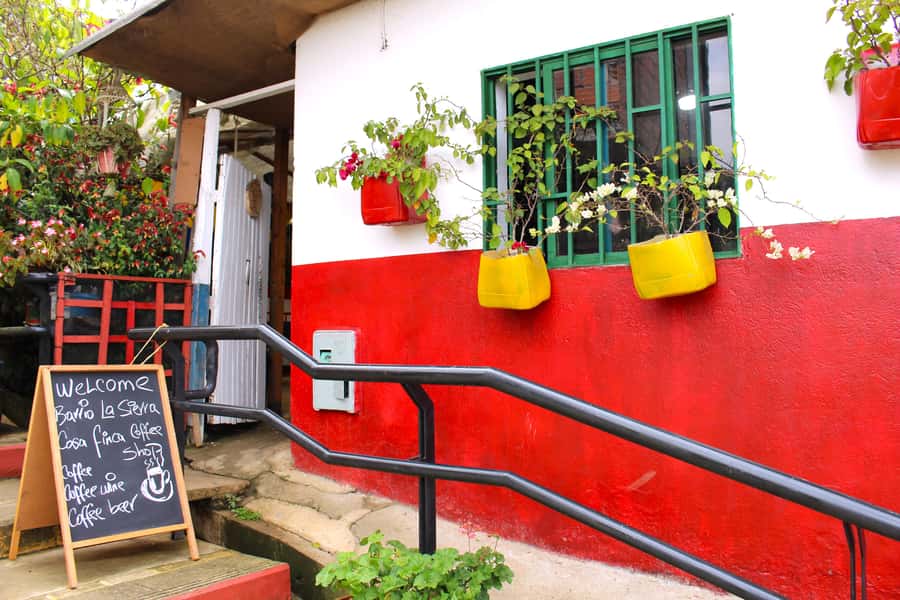
This tour is active. Between neighborhood walking and farm steps, you need gear that handles uneven terrain and hills. I strongly recommend closed shoes. If you’re wearing shorts, consider repellent when you get into the garden and farm areas, since one participant specifically suggested it and that makes sense for any outdoor hillside.
Bring a small day pack. Even if the tour provides refreshment and local snacks, you may want water for yourself, especially on hotter afternoons. Also pack a light layer. Cable cars mean breezes, and shade on hillsides can cool you off after sun exposure.
One more comfort thought: the tour is around 270 minutes (about 4.5 hours). That’s long enough that pace matters. If you go slow early, you’ll feel better during the later walking.
Price and value: is $56 really fair?
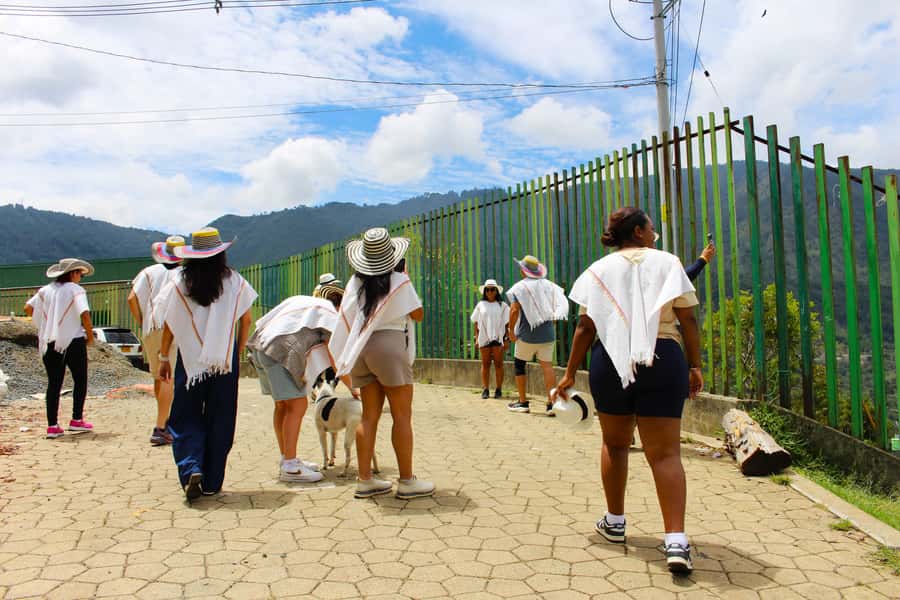
At $56 per person for a roughly 4.5-hour tour, the math works best if you care about the full experience, not only the tasting. Here’s what you’re paying for: a guided Barrio La Sierra walk, a visit to Casa Finca de La Sierra and its museum, and transit support with a tramvia plus cable car ride included in the tour.
In other words, you’re not just buying a coffee afternoon. You’re getting city transportation time, guided neighborhood context in Comuna 8, and a hands-on farm activity. Add in the instruction on seed-to-cup, and it becomes a real learning session with tastings included along the way.
When it might feel pricey: if you only want a quick taste of coffee and don’t want stairs or uphill walking. Also, since coffee bags aren’t included, your final spend could rise if you buy beans to take home. But as a value play for a full, local-led experience, it’s hard to beat.
Who this tour suits best in Medellín
This is a great choice if you want Medellín beyond the classic viewpoints. It’s also ideal if you like practical learning—hands on, not lectures only.
You’ll probably love it if:
- you enjoy walking tours and don’t mind hills
- you’re curious about how coffee actually gets made
- you want to connect coffee to a real community story in Comuna 8
- you like small-group dynamics; multiple participants described it as relaxed and personal
It may not be the right fit if:
- you have mobility limitations or need minimal stairs
- you want mostly flat walking and a short outing
- you dislike hands-on farm activities
Before you go: what the tour requires of you
This tour has a paperwork requirement: all visitors must provide full name and passport number. The good news is you do not bring the passport itself, just provide the number as requested.
Plan clothing like you’re doing a mix of urban walking and farm time. Closed shoes are the safe default. And since it’s a bilingual tour, you can expect explanations in English and Spanish, with translation that participants repeatedly praised.
Also, you’ll meet your guide at San Antonio Tranvía station under the San Antonio metro station. Getting there early helps you find the sign and avoid rushing.
Should you book this Medellín coffee farm tour?
I’d book it if you want a coffee experience that stays rooted in Medellín, not separated from the city by distance. The combination of Barrio La Sierra street time, tramvia and cable car rides, and hands-on harvesting makes it feel like a complete afternoon with substance.
Skip it if stairs are a deal-breaker or if you only want a low-energy coffee tasting. But if you’re game for walking, learning, and sampling along the way, this tour gives you a memorable new way to look at your next cup of coffee.
FAQ
FAQ
Where is the meeting point for the Medellín coffee farm tour?
You meet the guide in front of the main entrance to San Antonio Tranvía station, located on the street level underneath the San Antonio metro station.
How long is the tour?
The duration is 270 minutes (about 4.5 hours), including transport and activities.
What transportation is included?
The tour includes an electric trolley/tramvia ride and a cable car ride.
What happens during the Barrio La Sierra portion?
You’ll take a guided walking tour through Barrio La Sierra, with sightseeing and the neighborhood context, plus time for coffee and tasting.
Do you harvest coffee berries during the tour?
Yes. The tour includes harvesting coffee berries on the farm.
What is included besides the farm activities?
Included activities include the cable car, the guided walking tour through Barrio La Sierra, and a visit to Casa Finca de La Sierra and its museum.
Is coffee tasting included?
Yes. The itinerary includes coffee tasting (with time for tasting during the tour).
Are coffee bags included?
No. Coffee bags are not included.
What language is the live guide?
The live guide offers English and Spanish.
What do I need to provide before the tour?
You must provide your full name and passport number, but you should not bring the passport itself.
More Tours across Medellin and Antioquia
More Coffee Farm and Chocolate Tastings near Medellin
More Medellin Tours and Experiences to Read Next
Not quite your thing? Here is more to do around Medellin, freshly reviewed
Coffee Farm & Chocolate Tastings, compared.
 ★ 4.7Coffee Tour with Transport, Snacks and TastingsFrom $801,357 reviews
 ★ 4.8Coffee Tour and Wellness SpaFrom $88209 reviews
 ★ 4.9Coffee Tour with Hotel Transfers and MealsFrom $70186 reviews
 ★ 4.8Horseback Riding Coffee Farm Tour with Coffee SpaFrom $150151 reviews
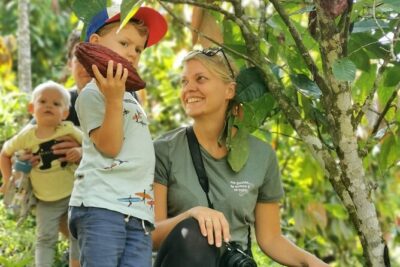 ★ 5.0Coffee & Chocolate Private Tour in Medellin: Genuine ExperienceFrom $179100 reviews
 ★ 5.0Coffee Tour with arrival on horseback and sugar cane processingFrom $7590 reviews
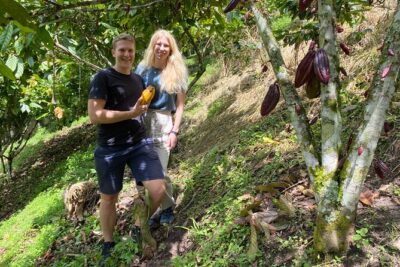 ★ 5.0Chocolate tour near MedellinFrom $11990 reviews
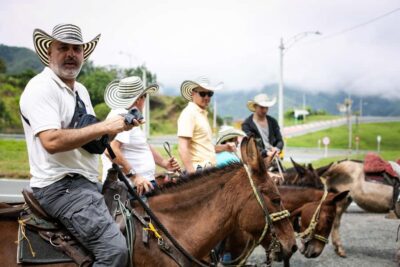 ★ 4.7Coffee Tour, Horseback Arrival, and Sugar CaneFrom $7682 reviews
Browse the lists this tour appears in