
REVIEW · COFFEE FARM & CHOCOLATE TASTINGS
Coffee & Chocolate Private Tour in Medellin: Genuine Experience
Your coffee starts with a steep uphill. This private coffee and chocolate farm day pairs a scenic drive north of Medellín with real farm work, a bilingual guide, and hotel pickup so you can focus on the experience, not directions.
I love the way this tour gives you undivided attention while you move between working farms, not just tasting samples. I also love the truly hands-on parts: picking coffee beans, opening cacao pods, and crafting your own chocolate bar with a mix of add-ins like vanilla, ginger, or lemon zest.
One thing to consider is the 800-foot steep hike on natural terrain. If it’s wet, you’ll want grippy shoes, and the tour does require good weather to run as planned.
In This Review
- Key things that make this tour worth your day
- From El Poblado or Laureles to real working farms
- The Santo Domingo coffee start: 800 feet uphill, then your first cup
- Picking coffee beans and learning depulp, ferment, and dry
- Brewing coffee two ways, then a regional lunch with farm view
- Santo Domingo cacao intro: pests, sustainable care, and why farms matter
- Fermenting, solar drying, and tasting raw cacao seeds
- Wood-fire roasting, grinding, and making your own chocolate bar
- Time, pacing, and what the private format really gives you
- Price and what you actually get for $179 per person
- Who should book this tour, and who might want to skip it
- Should you book Coffee & Chocolate Private Tour in Medellín?
- FAQ
- How long is the Coffee & Chocolate Private Tour?
- Where does pickup and drop-off happen?
- Is breakfast included?
- Is this tour private and does it include a guide?
- Is there any hiking or walking involved?
- Will I get to make chocolate and pick coffee or cacao?
- What if the weather is poor?
Key things that make this tour worth your day
- Private guide, real process: You get step-by-step explanations from your bilingual guide during the work itself.
- Coffee starts with a hike: You leave the vehicle and walk uphill to reach the coffee farm.
- You see cacao at multiple stages: Harvest, taste raw seeds, ferment in wooden boxes, then solar-dry in a greenhouse.
- Wood-fire chocolate making: Roasting over wood adds smoke notes, then you grind and mold your own bar.
- Lunch with a view, farm-made drinks: Expect regional lunch and fresh farm lemonade between tastings.
From El Poblado or Laureles to real working farms
This tour is set up like a smooth day trip, but with farm-life details that feel grounded. Your pickup is from your place in El Poblado or Laureles, and you travel in an air-conditioned vehicle with private transportation. There’s no meeting point scramble, no lineup, and no waiting around for a bigger group.
Once you’re on the road, you’ll head north of Medellín—about an hour away—through scenic country roads before you reach the farm area. That travel time matters because it shifts your day from city pace to countryside pace. You start to feel why coffee and cacao thrive here: it’s all about steep terrain, careful growing, and patience with processing.
A private tour also changes the vibe of the instruction. You can ask questions as they come up, and the guide can pace the day based on your comfort level. In places like the farms, where things can be uneven underfoot and timing matters, this kind of flexibility is a big deal.
More coffee fincas and chocolate tastings to sip your way through near Medellin
The Santo Domingo coffee start: 800 feet uphill, then your first cup
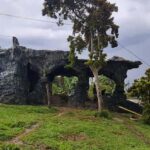
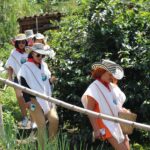
The day kicks off at the cacao farm area in Santo Domingo, with the vehicle left behind and a hike up to the coffee farm. The uphill walk is about 800 feet (around 250 meters), and it’s natural terrain, so it can feel steep. The ascent usually takes 10–15 minutes, and the descent 8–10 minutes.
You don’t have to power through it. The tour notes that you can stop as much as you want/need to catch your breath and take in the views. Still, you should plan for effort. If it’s been raining, you’ll want shoes with good grip, since the ground can get slick.
When you reach the coffee farm, you get a proper welcome: a cup of premium Colombian coffee and an expert introduction to Colombia’s coffee culture. This isn’t just a quick tasting. You’re learning what makes the coffee process matter, from how cherries are treated after harvest to why fermentation and drying are so central.
And that first cup hits better than you might expect because it comes after movement—after you’ve already climbed into the environment that produces it.
Picking coffee beans and learning depulp, ferment, and dry
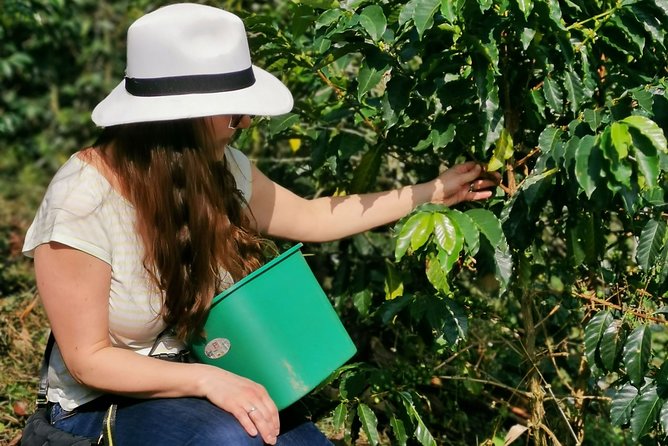
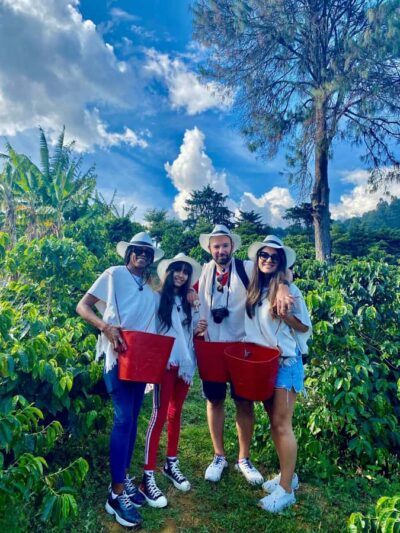
After the welcome, you head into the plantation for the hands-on part. You’ll pick beans by hand, which gives you a real sense of how labor-heavy coffee can be. The goal isn’t just photos. It’s learning what you’re doing and why, while you’re actually doing it.
Then the coffee process gets explained in practical steps, including how beans are depulped, fermented, and dried using traditional artisanal methods. These terms can sound abstract, but on a farm tour they become concrete because you see the stages in context. You’re not imagining what fermentation looks like when you hear the word—you understand it because it’s part of a sequence you just followed (and heard explained) in the workflow.
One underrated value here: you learn how small decisions affect flavor. Even if you don’t leave with a chemistry lesson, you’ll leave with a better sense of what to taste for next time you order Colombian coffee back home.
Also, this stop includes farm access, so you’re not juggling extra tickets or wondering what is and isn’t included.
Brewing coffee two ways, then a regional lunch with farm view
After coffee work, you move into a tasting-and-break phase. You brew coffee using two traditional methods, which helps you understand how preparation changes the cup. It’s a useful skill for any coffee lover because it trains your palate to notice differences rather than assuming all coffee tastes similar.
Lunch comes right after, and it’s one of the best reasons to do this as a guided farm day instead of trying to DIY it. You’ll have a regional lunch with a stunning view, plus fresh farm-made lemonade. This is the kind of meal you usually only get through local connections, not restaurant menus.
There’s also an opportunity to buy freshly roasted coffee from the farm. That’s worth paying attention to because you’re buying from the people who grow and process it. If you care about freshness, you’ll appreciate that the tour includes the chance to take home coffee made in the same working system you learned about.
After lunch, you say goodbye to the coffee hosts and walk to the next experience. You’ll transition from coffee processing into cacao, which feels smart because the two crops tell a similar story: careful cultivation, patience with fermentation/drying, and attention to how harvest becomes product.
Santo Domingo cacao intro: pests, sustainable care, and why farms matter
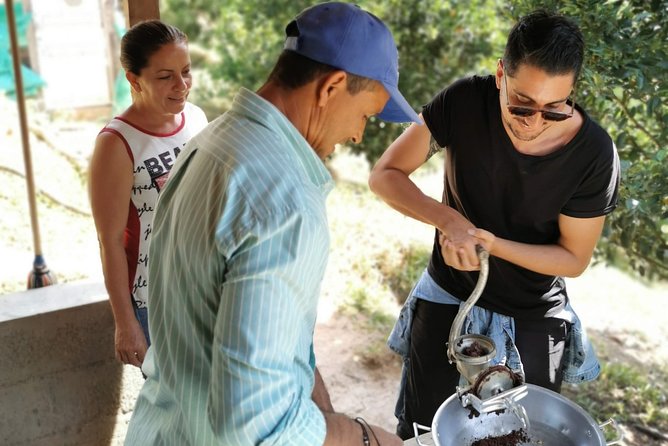
Before you start the hands-on cacao work, you get a structured introduction to chocolate and cacao farming. This portion focuses on real production topics, including the global history and production of chocolate. You’ll also learn how to maintain a healthy cacao plantation.
Then the session turns practical: common cacao pests and sustainable control methods. This matters because “organic” or “sustainable” can be vague marketing words. On the farm, it becomes a set of real challenges farmers manage daily.
At the end of the introduction, you’ll have enough context to think more like a grower instead of just a buyer. That’s part of what makes this tour feel genuine: it treats cacao as agriculture first, chocolate second.
And it’s also how you avoid the classic problem with many food tours—just eating samples without understanding the work behind them.
More private tours to shape around your own pace in Medellin

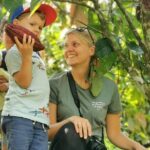

Fermenting, solar drying, and tasting raw cacao seeds
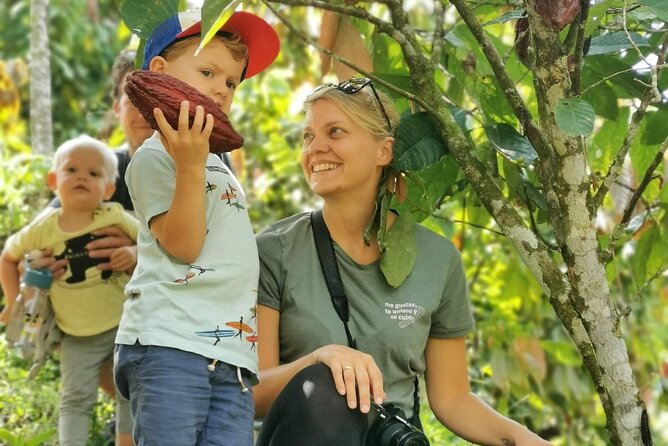
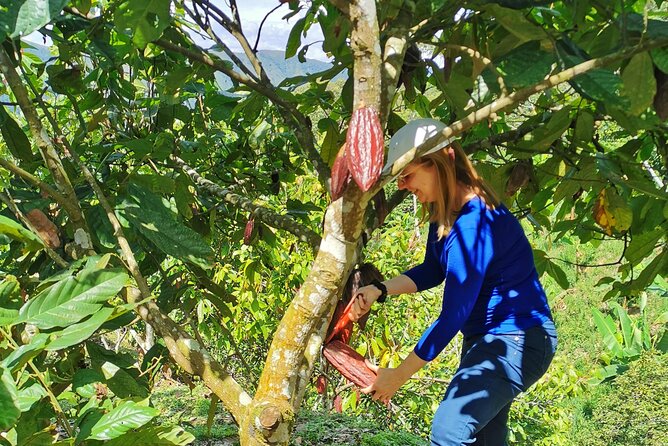
Now you get the cacao stages that make chocolate possible. Step-by-step, you move through harvesting and processing, starting with extracting cacao seeds from pods. The tour includes a moment that’s surprisingly memorable: you can taste the sweet, raw seeds.
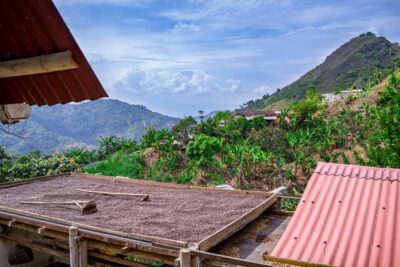
After extraction, the seeds are placed in wooden boxes to ferment for six days. Then they’re dried in a solar greenhouse, sometimes called a marquesina, with drying that takes 5–10 days. Even though you’re not waiting through all those days during the tour, you’ll see how the farm sets up each stage and why time is built into the process.
This is also where you learn that cacao isn’t instantly “chocolate.” It changes through fermentation and drying, and that’s why chocolate can taste the way it does later on. If coffee teaches you about fermentation and drying, cacao teaches you the same lesson but with a different set of sensory results.
You’ll also spend time walking through the plantation and exploring cacao plants in their natural environment along with other local crops. That adds perspective: cacao is part of a whole farming system, not an isolated product.
Wood-fire roasting, grinding, and making your own chocolate bar
Roasting and grinding are where the tour turns hands-on in a way you can’t fake. You’ll roast cacao beans over a wood fire, giving the chocolate a subtle smoky flavor. After roasting and cooling, you remove the husks using your own nails, then grind the beans until the texture changes and becomes melt-like due to friction and heat.
That “watch it change in your hands” moment is one of the best parts of the day. It’s not just tasting; it’s participating in how cacao becomes mass you can shape.
Then comes crafting your bar. You’ll mix your freshly ground chocolate with ingredients the farm provides, such as powdered milk, vanilla, green pepper, salt, lemon zest, or ginger—whatever inspires you. This works well because it turns the tour into a personal experiment. You’re not stuck with a single flavor profile.
Once your mix is ready, it’s molded and placed in the fridge to set. When you get your finished chocolate, you’ll understand why chocolate makers talk about roasting, grind texture, and ingredient balance—because you literally built a bar from component steps you watched.
Time, pacing, and what the private format really gives you
The tour runs about 8 hours 30 minutes. That’s long enough to feel like a full day, but not so long that you’re cooked by constant sitting. The pacing keeps moving: hike to coffee, pick beans and learn processing, brew and taste, lunch with view, cacao intro, harvest/ferment/dry, and then roasting and chocolate making.
This is where private transportation and a private bilingual guide pay off. You spend time with people who can answer questions in plain language while you’re in the middle of the work. You can also slow down if you need to during the hike.
Bring the practical stuff. The tour notes the hike can be steep and recommends trekking boots or grippy shoes, especially if the ground is wet. Based on on-the-ground advice people share for this kind of route, you’ll also want sunscreen and insect repellent since you’re outside walking through farm areas.
Also, remember that this experience requires good weather. If weather turns, you should expect rescheduling or a refund option.
Price and what you actually get for $179 per person
At $179 per person, this isn’t a budget snack tour. But it’s also not priced like a city museum experience. You’re paying for a working-farm day with several real components:
- pickup and drop-off from El Poblado or Laureles
- private air-conditioned transport
- a private bilingual guide
- entrance fees for both coffee and cacao farms
- lunch
- hands-on work plus tastings
When you look at it that way, the price starts to make sense. You’re not just buying access—you’re buying instruction, time in the fields, and the chance to do tasks like picking beans and making a chocolate bar.
If you’re traveling as a couple, family, or small group, private value often feels strongest. You’re not waiting on other schedules, and the guide can keep the explanations tied directly to what you’re seeing and doing.
Who should book this tour, and who might want to skip it
This tour is a great fit if you care about food beyond the final product. If you love coffee and chocolate, you’ll like this because you learn the sequence that creates flavor: depulp → ferment → dry for coffee, and harvest → ferment → solar-dry → roast → grind for cacao.
It’s also a good pick if you want something less like a showroom and more like a real agricultural day. You’ll spend time with farm hosts, see how the process runs, and get to make your own chocolate with mix-ins you choose.
The main reason to think twice is physical comfort. There’s that steep 800-foot hike on natural terrain. If uphill walking is hard for you, you might still manage with frequent stops, but it’s smart to plan around your comfort level.
Should you book Coffee & Chocolate Private Tour in Medellín?
I think you should book this if you want a day that feels honest, hands-on, and worth repeating in your own kitchen later. The tour’s biggest strength is that it connects coffee and chocolate to real farm work—picking, fermenting, drying, roasting, grinding—while also feeding you with a regional lunch and coffee and lemonade.
Book it especially if you appreciate private guidance and want hotel pickup so the day stays easy to manage. Choose it with confidence if you’re fine with outdoors time and a short uphill effort.
Skip or reconsider if you’re worried about steep walking on potentially wet ground, or if you know you’ll be traveling when weather is unreliable.
FAQ
How long is the Coffee & Chocolate Private Tour?
It runs for about 8 hours 30 minutes (approx.).
Where does pickup and drop-off happen?
Pickup and drop-off are included for hotels or places in El Poblado or Laureles.
Is breakfast included?
No. Breakfast is not included.
Is this tour private and does it include a guide?
Yes. It’s a private tour for your group only, and it includes a private bilingual guide.
Is there any hiking or walking involved?
Yes. There is an approximately 800-foot steep hike on natural terrain to reach the coffee farm, plus additional walking between experiences. The tour notes you can stop as much as needed, and grippy shoes are recommended, especially if it’s wet.
Will I get to make chocolate and pick coffee or cacao?
Yes. You’ll pick coffee beans by hand and do cacao steps on the farm, including extracting the seeds and participating in the chocolate crafting process where you mix ingredients and make your own bar.
What if the weather is poor?
The experience requires good weather. If it’s canceled due to poor weather, you’ll be offered a different date or a full refund. You can also cancel for a full refund up to 24 hours in advance.
More Tours across Medellin and Antioquia

More Coffee Farm and Chocolate Tastings near Medellin
More Medellin Tours and Experiences to Read Next
Not quite your thing? Here is more to do around Medellin, freshly reviewed
Coffee Farm & Chocolate Tastings, compared.
 ★ 4.7Coffee Tour with Transport, Snacks and TastingsFrom $801,357 reviews
 ★ 4.9Medellín Coffee Farm Tour with Trolley and Cable Car RideFrom $56277 reviews
 ★ 4.8Coffee Tour and Wellness SpaFrom $88209 reviews
 ★ 4.9Coffee Tour with Hotel Transfers and MealsFrom $70186 reviews
 ★ 4.8Horseback Riding Coffee Farm Tour with Coffee SpaFrom $150151 reviews
 ★ 5.0Coffee Tour with arrival on horseback and sugar cane processingFrom $7590 reviews
 ★ 5.0Chocolate tour near MedellinFrom $11990 reviews
 ★ 4.7Coffee Tour, Horseback Arrival, and Sugar CaneFrom $7682 reviews
Browse the lists this tour appears in