
REVIEW · COMUNA 13 GRAFFITI & STREET ART TOURS
Medellín: Private Pablo Escobar and Comuna 13 Tour
Escobar’s Medellín story is heavier than you expect. This private tour blends Pablo Escobar locations with Comuna 13 murals so you see the real context behind the headlines, not just the legends. I also love how the guide uses clear storytelling to connect politics, economics, and ordinary lives. One drawback to plan for: the subject matter can feel emotionally intense, especially at the memorial.
What makes it practical is the way you get to set the pace. With guides like César, Daniel, Mauricio, Andrés, or Juan, the day tends to move at a human speed, with room for questions and extra stops. You’ll ride in a comfortable air-conditioned car with hotel pickup, and the tour is offered in English or Spanish, which helps if you want this history explained in a way that actually lands.
In This Review
- Key highlights worth your attention
- How this 5-hour Medellín tour makes Escobar make sense
- Cementerio Jardines Montesacro: where history becomes personal
- Inflexión Memorial Park: honoring victims of narco-terrorism
- Los Olivos: the rooftop where Escobar died
- Comuna 13: street art with real neighborhood history
- The local perspective is the whole point
- Private car + hotel pickup: why the format matters
- Your best strategy: how to get value from every stop
- Who this tour fits best (and who should look elsewhere)
- Booking checklist: what to bring and how to be ready
- Should you book this Escobar and Comuna 13 private tour?
- FAQ
- How long is the Medellín private Pablo Escobar and Comuna 13 tour?
- How much does the tour cost?
- Where are the pickup locations?
- Where will I be dropped off after the tour?
- Is the tour private?
- What language is the guide available in?
- Is food included in the price?
- What is included with the tour?
- What do I need to bring?
- Is this tour wheelchair accessible, and what’s the cancellation policy?
Key highlights worth your attention
- Pablo Escobar sites with context: You’re not just sightseeing; you’re building the why behind the headlines.
- Cementerio Jardines Montesacro visit: A guided stop at Escobar’s grave that touches multiple viewpoints.
- Inflexión Memorial Park: A pause for remembering victims of narco-terrorism, not glorifying anyone.
- Los Olivos stop: The rooftop linked to Escobar’s death, framed by Medellín and Colombia’s 80s–90s reality.
- Comuna 13 with a local guide: Street art, neighborhood history, and the shift from fear to education and resilience.
- Private, flexible timing: It’s your schedule—no rush, plus a planned break day in Comuna 13.
How this 5-hour Medellín tour makes Escobar make sense
A Medellín tour about Pablo Escobar sounds like it could turn into a movie set. This one tries to do something smarter: it places Escobar inside Colombia’s political, social, and economic setting—especially the 1980s and 1990s—so you understand how a drug trade grew, how it reshaped power, and why it pulled in people who believed it was a route to get ahead.
You’ll start with pickup in either El Poblado or Laureles – Estadio, then move through a tight route that covers both the “myth” side (Escobar’s story) and the “aftermath” side (memorializing victims and seeing a neighborhood’s transformation).
And because it’s private, you’re not stuck in a crowd mode. The guide can slow down where you’re curious, and speed up where you’re not. That matters in Comuna 13, where a couple hours can feel very different depending on how you move and what you ask.
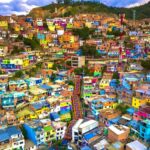
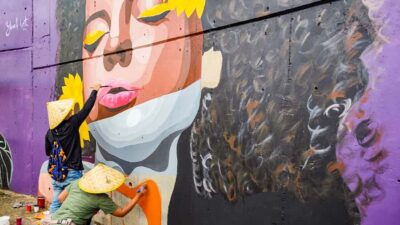
There is more Comuna 13 street art and graffiti to explore around Medellin
Cementerio Jardines Montesacro: where history becomes personal
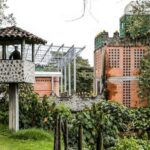
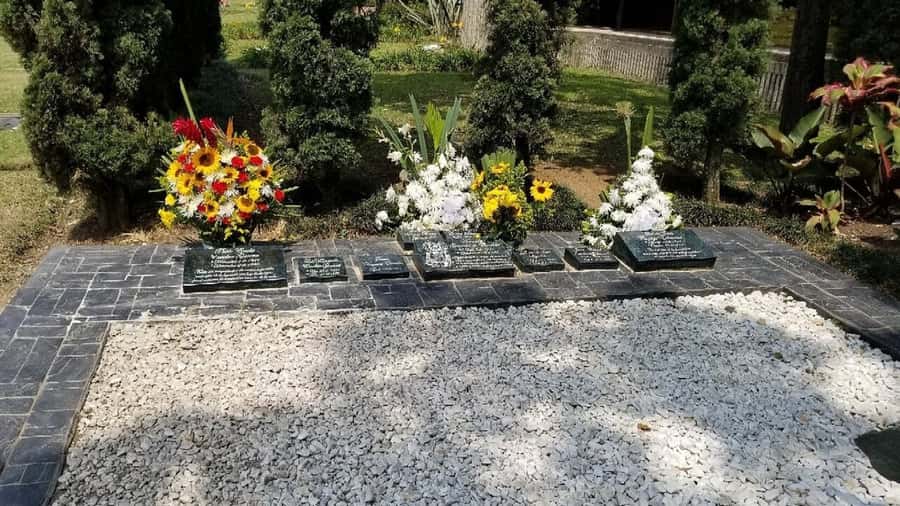
Your first major stop is Montesacro Cemetery (Cementerio Jardines Montesacro). There’s a guided walk here—about 30 minutes—so you don’t just get a fast look and a photo. You get the framing: what life looked like before the world knew Escobar’s name, and what conditions helped shape the kind of person he became.
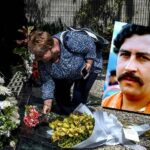
Escobar’s grave is the obvious draw, but the real value is hearing different perspectives on his impact. This isn’t treated like a celebration. It’s treated like a turning point that still affects how Medellín thinks about crime, justice, and blame—especially when you’re hearing from someone local who understands the emotional distance between myth and lived experience.
One thing to keep in mind: cemeteries and memorial spaces are quiet by nature. If you want to ask a lot of questions, do it respectfully, and let the guide set the tone.
Inflexión Memorial Park: honoring victims of narco-terrorism
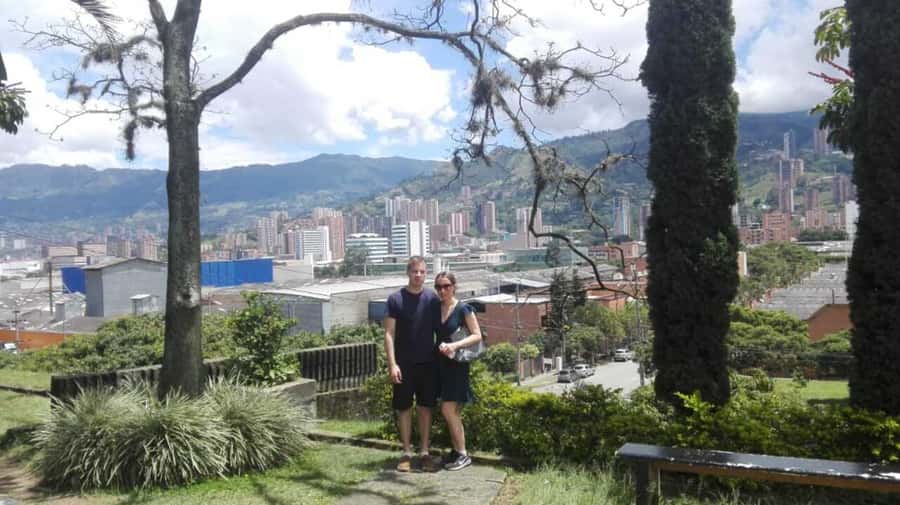
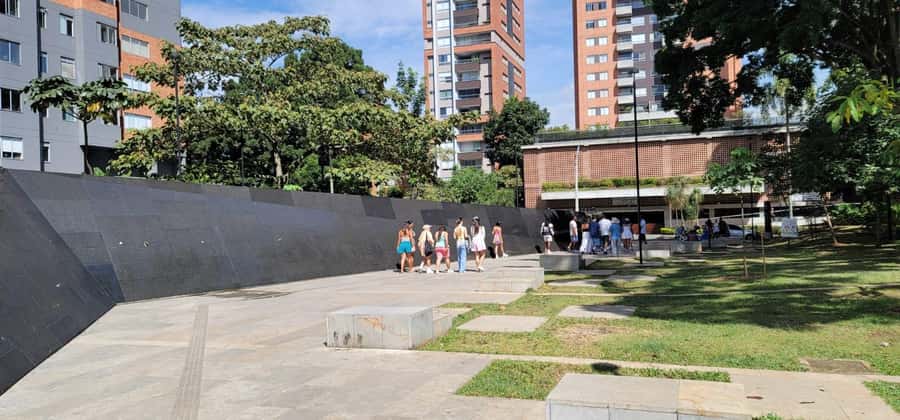
Next comes Parque Conmemorativo Inflexión, a memorial to victims of narco-terrorism. This stop can hit hard because it shifts the focus away from one infamous figure and toward the cost paid by ordinary people. You’ll get a guided visit (about 40 minutes), and that time is useful. It prevents the memorial from feeling like a checkbox.
What I like about this part of the route is that it gives you a moral and human anchor. You can tour graves and “sites” and still walk away thinking you watched a story. The memorial forces a different kind of attention: loss, consequences, and why “the legacy” isn’t just about property or politics—it’s about lives.
If your group has teenagers or younger adults, this is often the most important moment. It brings the topic down from headlines into real harm.
Los Olivos: the rooftop where Escobar died
After Inflexión, you head to Los Olivos neighborhood, with time around the stop (about 20 minutes). This is tied to the rooftop where Pablo Escobar died—a location that can be surrounded by dramatic storytelling in popular culture.
Here, it’s handled through context. The guide connects the rooftop moment to the broader political and economic climate that shaped the 80s and 90s in Colombia. You learn how power, violence, and opportunity got tangled together—and how that created a spiral with consequences that outlasted any single arrest or death.
A good guide will also help you separate the “event” from the pattern. The rooftop is a moment in time; the point of the stop is to understand the system behind it.
Comuna 13: street art with real neighborhood history
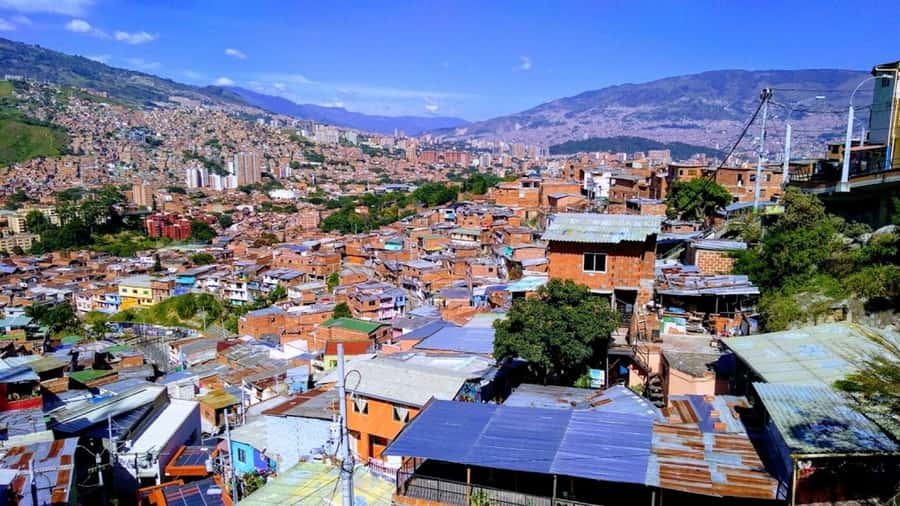
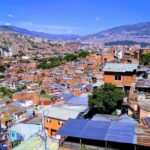
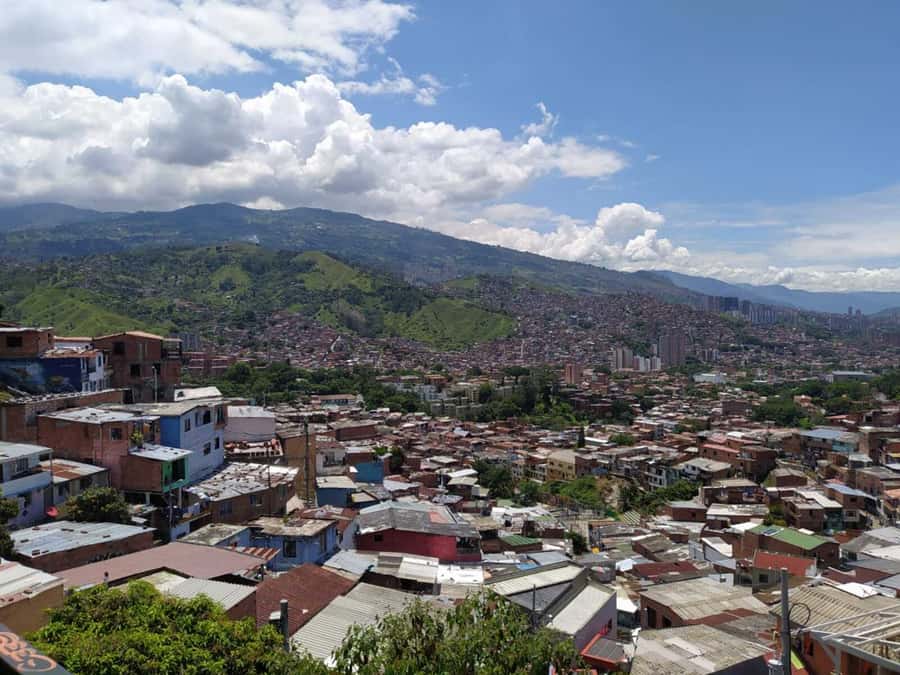
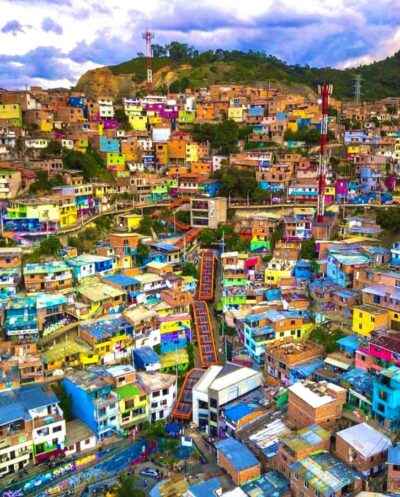
Then you reach Comuna 13, the part of the day that often feels like a breath of air after the heavier stops. This is where your tour shifts from national-level history to a neighborhood-level transformation you can see with your own eyes.
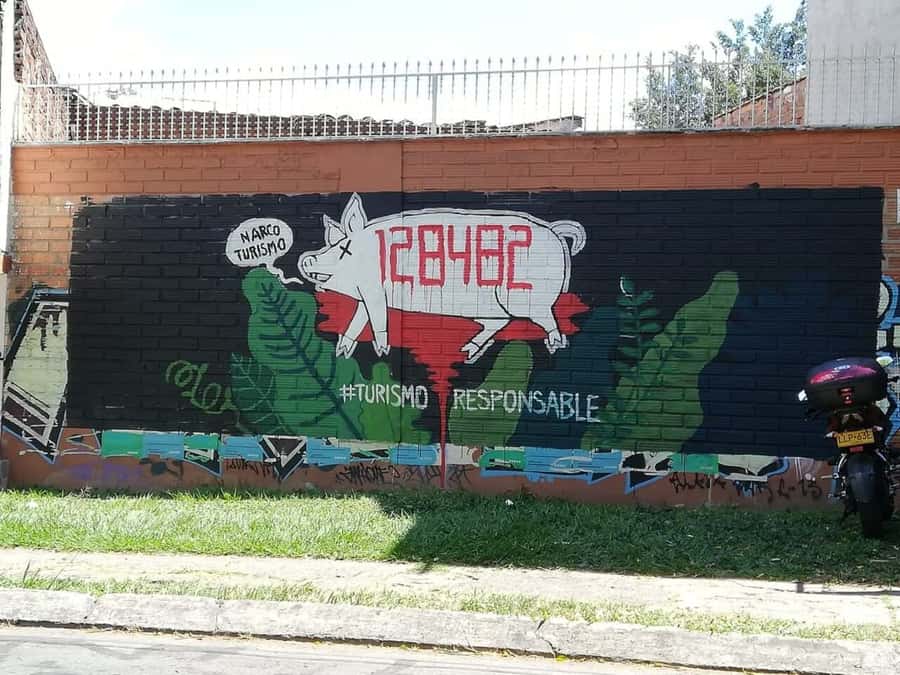
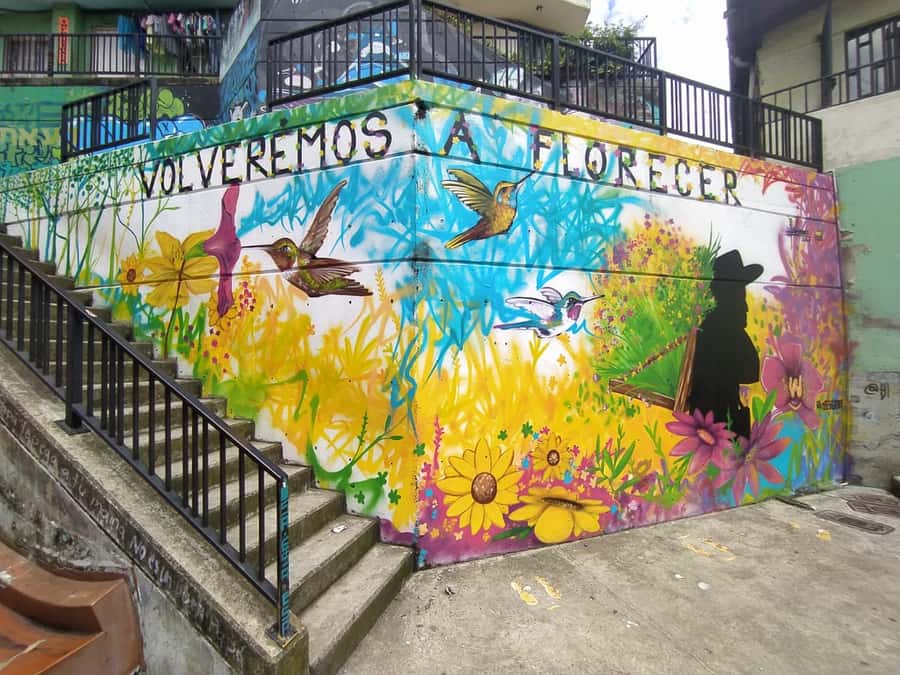
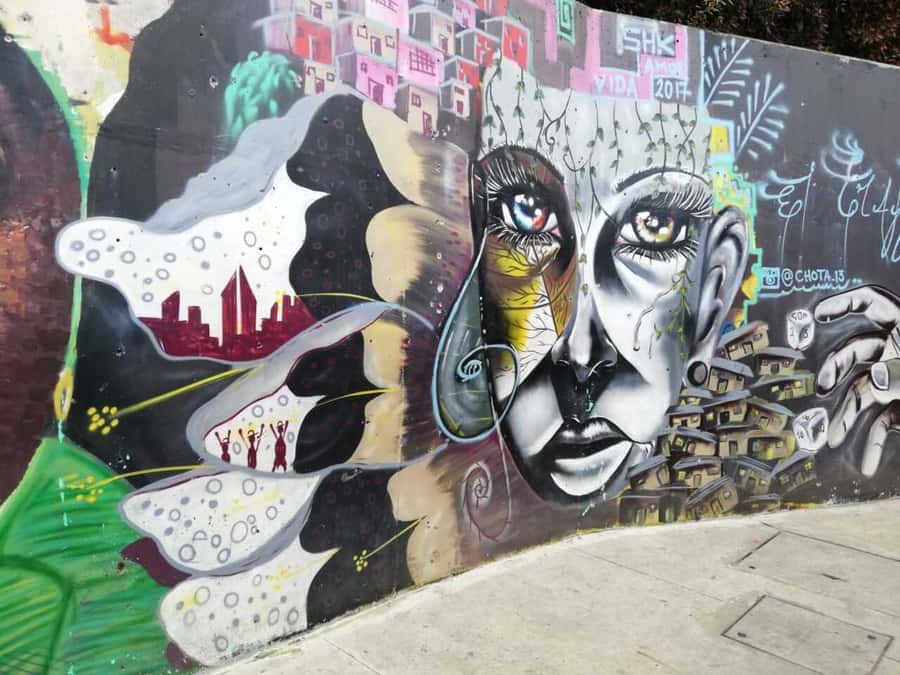
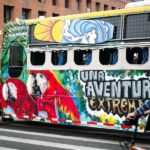
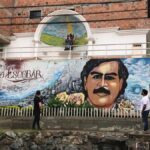
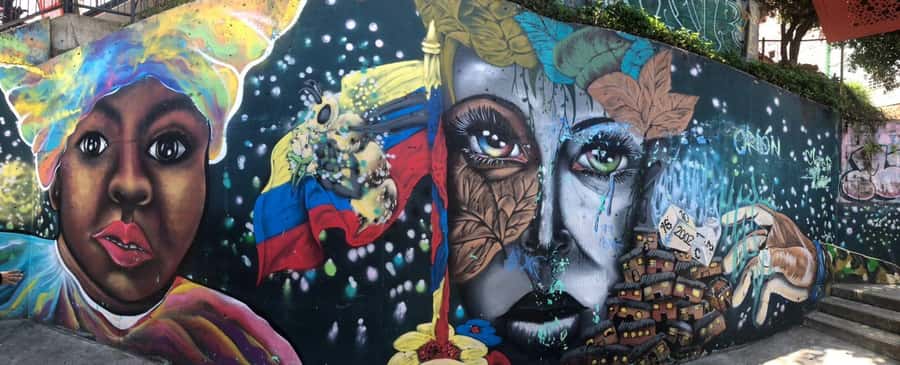
You’ll have a break time, then a visit with a guided component (about two hours). Comuna 13 is known for street art and murals, and this tour uses the art as a map. The murals aren’t just decoration—they’re tied to local stories, community identity, and the long effort to turn a once-dangerous area into a place built for learning and future options.
What you’ll learn here is crucial: the tour doesn’t let stereotypes do the talking. You hear about the strength and resilience of residents, and you also get perspective on how education became a major part of change. The guide’s job is to make the neighborhood feel like people live there today—not like a “tour stop” from a documentary.
We have more tours that tell the sober history of Pablo Escobar and how Medellin moved past it
The local perspective is the whole point
This tour is designed so that Comuna 13 isn’t explained only from afar. With a local guide, you get the human layer: who lived through what, what people believe now, and why the murals matter beyond Instagram.
Guides who lead this route—like Daniel, César, Andrés, or Juan—are often praised for pacing and for handling sensitive topics with care. If you’re the type who asks follow-up questions, Comuna 13 is where your curiosity pays off the most.
Private car + hotel pickup: why the format matters
A lot of Medellín tours try to cram Escobar history and Comuna 13 into something that feels rushed. This one runs about five hours and is private, with hotel pickup and drop-off from El Poblado or Laureles – Estadio.
That format isn’t just a comfort perk. It changes your experience:
- You’re not waiting in line or stuck behind a slow-moving group.
- Your guide can adjust the order or timing if you want extra explanation.
- You can take a breather when topics feel intense.
You’ll ride in a private air-conditioned vehicle and you’ll get water or coffee during the day. Insurance is included too, which is a nice practical safety net for a city-based tour.
One detail that affects planning: food isn’t included. If your tour lands near a meal time, I’d plan for that. Either eat before you go or build in money and time for a stop afterward.
Your best strategy: how to get value from every stop
This day gives you a lot of themes—Escobar’s rise, his impact, the counter-narrative at memorials, then the neighborhood repair story in Comuna 13. To make that work in real life, you need a simple mindset: treat the tour like a guided conversation, not a checklist.
Here’s how to do that:
- Bring your questions. If you want to know what shaped young people’s choices in that era, ask. The tour is built to address the belief that drugs were a way to get ahead.
- Don’t try to “win” the history. The value is in hearing competing perspectives and seeing how the same events can be remembered differently.
- Use the break time in Comuna 13. It keeps the day from feeling mentally heavy.
If you’re hoping to beat crowds, your guide may time Comuna 13 thoughtfully. It’s worth asking your guide on pickup what time they recommend for your visit so you can plan your photo and mural time without feeling rushed.
Who this tour fits best (and who should look elsewhere)
This tour is best for people who want more than an Escobar headline. If you enjoy context, storytelling, and seeing how cities move on, you’ll likely love it.
It also fits families and mixed-age groups because the stops are structured: cemetery, memorial, neighborhood, and then Comuna 13 with a local guide. That structure helps keep attention.
You might want to skip or reconsider if you’re trying to avoid heavy topics altogether. The memorial stop makes it clear this isn’t only about the famous man. It’s about victims and the long ripple effects of narco-terrorism.
Booking checklist: what to bring and how to be ready
You’ll need to bring passport or a passport/ID card copy (a copy is accepted). It’s a good idea to have your documents organized before pickup.
On the day, be ready for pickup and keep an eye on your messages. The provider coordinates details through WhatsApp so you know exactly where to meet your driver.
And don’t forget the basics: bring a small daypack, bring patience, and expect some walking and standing, especially around cemetery time and the Comuna 13 portion.
Should you book this Escobar and Comuna 13 private tour?
Yes, if you want the version of Medellín that’s more honest than pop culture. The biggest reason to book is the pairing: Escobar locations plus Inflexión Memorial Park plus Comuna 13 with street art and a local guide. That mix stops the day from becoming either glorification or ignorance.
Book it especially if you care about how history affects real neighborhoods today. The private format, hotel pickup, and guide-led pacing make it a strong value at $81 per person for a full five hours, transportation, and a structured set of stops with water/coffee included.
If you’re sensitive to dark history or you only want a relaxed art tour, you might feel the weight of the subject matter more than you expect. In that case, you could still enjoy Comuna 13, but you may want a route that stays lighter and avoids the memorial and Escobar-focused stops.
FAQ
How long is the Medellín private Pablo Escobar and Comuna 13 tour?
The tour lasts 5 hours.
How much does the tour cost?
The price is $81 per person.
Where are the pickup locations?
Pickup is available in either El Poblado or Laureles – Estadio (Medellín).
Where will I be dropped off after the tour?
Drop-off is at either Laureles – Estadio (Medellín) or El Poblado.
Is the tour private?
Yes, it’s a private group tour with a private air-conditioned car and private guide.
What language is the guide available in?
The live guide is available in English and Spanish.
Is food included in the price?
No, food isn’t included.
What is included with the tour?
Included items are hotel pickup and drop-off from Medellín or Laureles, water or coffee, private tour guide, private air-conditioned car, and insurance.
What do I need to bring?
Bring your passport, or a copy is accepted. A passport or ID card copy is also accepted.
Is this tour wheelchair accessible, and what’s the cancellation policy?
It is wheelchair accessible. There’s free cancellation up to 24 hours in advance for a full refund, and you can reserve now and pay later.
More Pablo Escobar History Tours in Medellin
More Comuna 13 Street Art and Graffiti Tours in Medellin
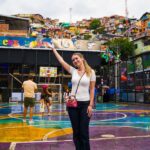
More Medellin Tours and Experiences to Read Next
Not quite your thing? Here is more to do around Medellin, freshly reviewed
Comuna 13 Graffiti & Street Art Tours, compared.
 ★ 4.8Comuna 13 Graffiti Tour, Cable Car & Street FoodFrom $189,046 reviews
 ★ 4.9Comuna 13 True Story and Street Food TourFrom $141,779 reviews
 ★ 4.8Comuna 13 District Tour with Cable Car RideFrom $271,467 reviews
 ★ 4.9Private City Tour with Metrocable and Comuna 13From $76330 reviews
 ★ 4.9Comuna 13 Tour with Snacks And Your Own GraffitiFrom $11311 reviews
 ★ 4.5City Tour + Commune 13 MedellinFrom $37295 reviews
 ★ 4.9Comuna 13 and Graffiti Guided Tour with a LocalFrom $16239 reviews
 ★ 5.0Comuna 4 Walking Tour MedellinFrom $35217 reviews
Browse the lists this tour appears in