
REVIEW · COMUNA 13 GRAFFITI & STREET ART TOURS
Barrio transformation and urban escalator of Comuna 13
Medellín changes fast in Comuna 13. This tour is built around that idea, mixing street art, the famous escalators, and a cable car viewpoint so you understand the urban transformation with your own eyes. I like two things right away: the small-group, personal-service feel, and the way the plan keeps you from worrying about entrance fees.
The only real consideration is that Comuna 13 involves a lot of up-and-around walking on hills. If you hate stairs or you’re low on stamina, wear supportive shoes and pace yourself.
In This Review
- Key points to know before you go
- Comuna 13 and the urban escalators: what the barrio transformation feels like
- Centro Cultural Moravia: a quick start that sets context
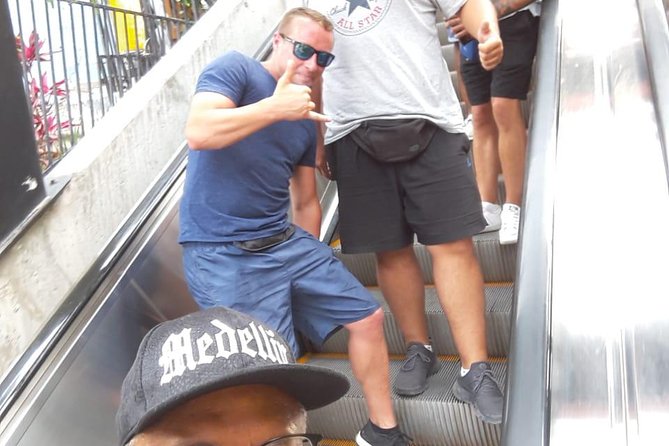
- Escaleras Electricas: graffiti, photo stops, and climbing without the sweat
- Alto San Miguel cable car: the view you get with an included ticket
- Medellín’s humble, innovative barrios: finishing with perspective
- Your guide makes it: private service with Daniel, Luis Alberto, Esteban, and more
- Price and what you avoid paying for: hotel pickup and entry fees
- What to wear and bring for Comuna 13 comfort
- When this tour is the right fit
- Should you book this barrio transformation and escalator tour?
- FAQ
- Where is this tour located?
- How long is the tour?
- How much does it cost?
- Is this a private tour?
- What’s included in the price?
- Are entrance fees included?
- What’s not included?
- What should I wear?
- Is the tour suitable for kids?
- Can I cancel for a refund?
Key points to know before you go
- Street art you can actually see up close on the escalators and surrounding streets
- Alto San Miguel cable car ticket included for a big-picture city view
- Private, you-only group with hotel pickup and drop-off
- Guides with real local context (examples include Daniel, Luis Alberto, Luis Reyes, Esteban, and Louis)
- Flexible order and photo stops so you don’t feel rushed
Comuna 13 and the urban escalators: what the barrio transformation feels like
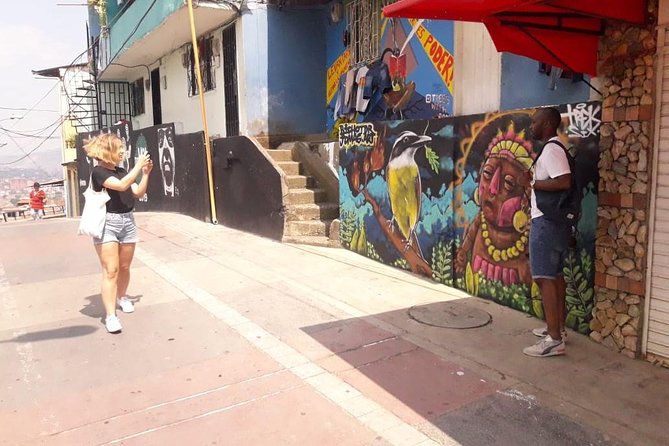
Comuna 13 is one of those places where you stop thinking of Medellín as just a pretty city with good coffee and start seeing it as a living place—layers, change, and people making things work. The tour’s core concept is simple: you move through the neighborhood using infrastructure that helps overcome steep streets, then you stop long enough to read what the community has painted and built.
The escalators (the famous Escaleras Electricas) do two jobs at once. First, they’re practical—an easier way to get around in a steep area. Second, they’re symbolic. When you ride them, you’re literally traveling through a story of effort, risk, and later progress. That’s why this isn’t just a photo stop. The movement matters.
You’ll also get the city in two “modes.” At street level you see the walls, steps, and everyday life. Then the cable car gives you the bigger view from above, which helps everything you saw make sense—how the hills and barrios fit together.
There is more Comuna 13 street art and graffiti to explore around Medellin

Centro Cultural Moravia: a quick start that sets context
Your first stop is Centro Cultural Moravia. The time block is short—about 25 minutes—and admission is free. In that window, you’re mainly there to get your bearings and start forming a mental picture of what you’ll see later.
I like how the tour doesn’t rush straight into the most famous images. It gives you a warm-up moment before you move into the more theatrical street-art parts of Comuna 13. Even if you’re only walking around and taking a few photos, you’re arriving with a little more context than if you skipped this step.
A practical note: since this is a quick hit, don’t plan on it being a deep museum-style visit. Use it to orient yourself—watch how people move through the area, and mentally note the neighborhoods you’ll pass through next.
Escaleras Electricas: graffiti, photo stops, and climbing without the sweat
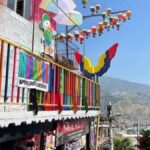
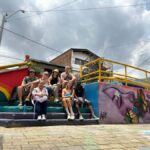
Stop two is where Comuna 13 really shows its personality: the Escaleras Electricas de la Comuna 13 plus colorful graffiti art. The time here is the longest part of the tour—about 3 hours—and admission is free.
This is the section that most people think of first, and for good reason. The escalators create a natural loop. Instead of fighting every hill with your legs, you’re carried partway up while the walls tell you what matters to local artists: identity, memory, and the present-day look of the neighborhood.
One smart detail from the tour experience: guides frequently stop to suggest photo spots. Daniel, for example, was praised for stopping often to point out great picture angles. That changes how you see the area. You’re not just walking; you’re learning how to frame what you’re looking at.
Also, remember the practical rhythm. This is a guided walk with pauses, so you’ll likely spend more time on movement than you would in a pure sightseeing drive. If you’re the type who gets restless on long walks, consider arriving with good energy and a plan for water breaks.
And if you’re wondering how it feels: one review compared it to a metro station without trains. The point is that it’s a transit experience as much as a viewpoint experience. You’ll ride, you’ll walk, and the art rides with you.
Alto San Miguel cable car: the view you get with an included ticket
Next comes Alto San Miguel, at about 45 minutes, and the cable car portion includes the admission ticket. This is your “zoom out” moment.
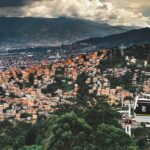
I love this part because it fixes a common problem in hillside cities: at street level everything feels close and steep, and you struggle to understand the geometry. The cable car view helps you connect the dots—where the escalators lead, how the neighborhood sits on the hills, and why certain streets feel tucked in and others feel open.
45 minutes is enough time to get a look, take photos, and still have the energy to keep exploring afterward. It’s also a good break from continuous foot traffic. You get motion plus a view, which is a winning combo when your calves are already protesting.
Bring what you’d bring for any city viewpoint: a charged phone/camera, and something light for wind at higher points. The tour doesn’t mention weather gear, so the safest move is to dress normally but be prepared to adjust.
Medellín’s humble, innovative barrios: finishing with perspective
The tour’s final segment is framed as time in Medellín’s most humble and innovative barrios. This is where the vibe shifts from “attraction” to “place.” The ticket is free for this portion, and you’re spending time walking and looking with a local guide’s eyes.
This is also where the tour earns its real value. Street art is a big draw, sure. But the bigger win is what you take away about everyday life: how people rebuild, how neighborhoods change, and how Medellín manages to show both hardship and creativity in the same view.
I’ll be honest: you won’t leave knowing every detail of the city’s complex story. No four-hour tour can do that. But you will leave with a clearer mental map and a more human perspective—especially if it’s your first time in Medellín.
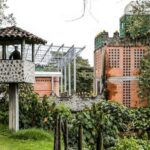
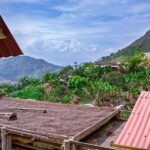
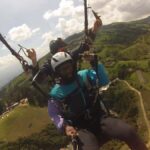
Your guide makes it: private service with Daniel, Luis Alberto, Esteban, and more
This is a private tour/activity, meaning only your group participates. It’s also set up as small-group style with personal service, and hotel pickup/drop-off is included. That combination matters because Comuna 13 isn’t a “wander and hope” kind of place if you want real context without hassle.
You’ll likely notice two kinds of guide talent on this route:
1) Context on what you’re seeing
Daniel was praised for explaining history, local events, and the people behind the transformation. Luis Alberto was praised for giving strong historical information. Louis was praised for presenting history and related events in a way that made people feel safe and taken care of.
2) Practical, on-the-go flexibility
Several guides were described as patient and adaptable. For example, Luis Alberto offered a way to customize the route focus and included street food stops along the way. Another review specifically praised Esteban for flexibility and for handling planning so the experience felt relaxed, with no need to negotiate logistics while you’re out walking.
One more detail I think you’ll appreciate: picture help. Luis Reyes was praised for taking pictures during the tour. So if your travel style is less tripod-and-self-timer and more hands-free memories, this is a big plus.
Price and what you avoid paying for: hotel pickup and entry fees
At $71.25 per person for about four hours, this isn’t the cheapest Medellín tour. But the price makes sense when you look at what’s included.
You get hotel pickup and drop-off, a driver/guide, and a private setup. You also get taxes and fees handled in the price, which is one less surprise step while you’re traveling. Most important for value: entrance fees aren’t an afterthought. Stop one and stop two are free, stop three has an admission ticket included, and the tour highlights say entrance fees are covered.
Here’s how I’d think about it as a budget decision: you’re paying to skip the guesswork. You’re not figuring out routes, timing, or where to stand for photos. You’re getting a guide to connect the art, the infrastructure, and the neighborhood story into one coherent half-day.
And the track record is strong: the booking stats show an extremely high recommendation rate and an excellent average rating. That doesn’t mean every moment will be perfect, but it does suggest the experience is consistently delivered well.
What to wear and bring for Comuna 13 comfort
The dress code is smart casual. That’s a hint that this isn’t a “wear flip-flops and ignore everything” situation, even though you’ll be moving around a lot. Comfortable walking shoes matter more than fashion here.
You can participate as most travelers can, but children must be accompanied by an adult. If you’re bringing kids, plan on the same pace the adults can handle—Comuna 13 involves movement over uneven terrain and hills.
What’s not included is also useful to know. Alcoholic drinks are available to purchase, and food and drinks aren’t included in the tour. So if you get hungry or thirsty easily, plan accordingly before you start or bring what you can carry comfortably.
One more practical tip: since the tour includes escalators and a cable car segment, keep your hands free when possible. Phone in hand is fine for a photo, but if you’re wearing crossbody bags or have small backpacks, keep straps secure so nothing dangles during movement.
When this tour is the right fit
This tour is a strong match if you want:
- Street art you can experience as part of real urban life, not just a wall to photograph
- A neighborhood visit that comes with local context and a safer feeling of direction
- A mix of street-level walking plus a cable car viewpoint
- A private or small-group setup with hotel pickup, so you spend less time figuring out logistics
It’s also a great choice for your first visit to Medellín because it gives you a framework for understanding the city’s transformation in one half-day. By the end, you’re not just looking at a highlight reel—you’re seeing how infrastructure and community identity shape daily life.
Should you book this barrio transformation and escalator tour?
If you like meaningful street art, want big-city views from above, and prefer a guided route over self-planning, I’d book it. The biggest reasons are practical: private setup, hotel pickup, and entry fees handled where they’re needed. Add the fact that guides like Daniel and Esteban were praised for context, flexibility, and even picture help, and the tour becomes easy to recommend.
Skip it only if you know you can’t handle long walking on hilly terrain. The tour is designed for most travelers, but it still sounds like an active day. If walking comfortably is your limit, choose a gentler option.
FAQ
Where is this tour located?
It takes place in Medellín, Colombia, focused on Comuna 13 and nearby areas like Centro Cultural Moravia and Alto San Miguel.
How long is the tour?
It’s listed at about 4 hours.
How much does it cost?
The price is $71.25 per person.
Is this a private tour?
Yes. It’s a private tour/activity, and only your group participates.
What’s included in the price?
Included items are all taxes, fees, and handling charges; a driver/guide; hotel pickup and drop-off; and the private tour setup. Entrance fees are handled as well, with the Alto San Miguel ticket included and other stops listed as free.
Are entrance fees included?
Yes. All entrance fees are included. Centro Cultural Moravia, the Escaleras Electricas area, and the final Medellín segment are listed as free, while Alto San Miguel includes a ticket.
What’s not included?
Alcoholic drinks are not included (but available to purchase), and food and drinks are not included.
What should I wear?
The dress code is smart casual.
Is the tour suitable for kids?
Children must be accompanied by an adult.
Can I cancel for a refund?
Yes. You can cancel up to 24 hours in advance for a full refund. Changes within 24 hours aren’t accepted.
More Comuna 13 Street Art and Graffiti Tours in Medellin

More Medellin Tours and Experiences to Read Next
Not quite your thing? Here is more to do around Medellin, freshly reviewed



Comuna 13 Graffiti & Street Art Tours, compared.
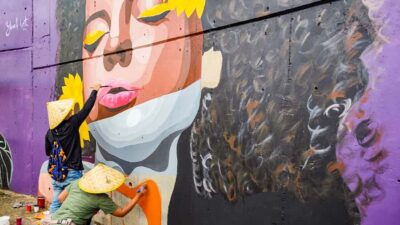 ★ 4.8Comuna 13 Graffiti Tour, Cable Car & Street FoodFrom $189,046 reviews
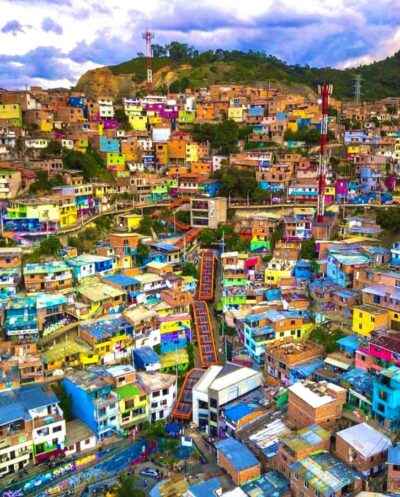 ★ 4.9Comuna 13 True Story and Street Food TourFrom $141,779 reviews
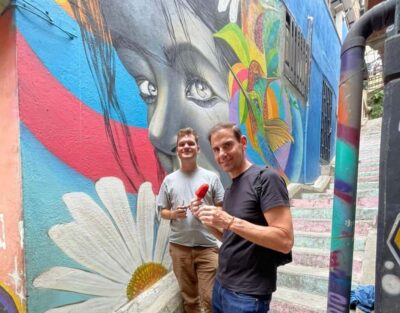 ★ 4.8Comuna 13 District Tour with Cable Car RideFrom $271,467 reviews
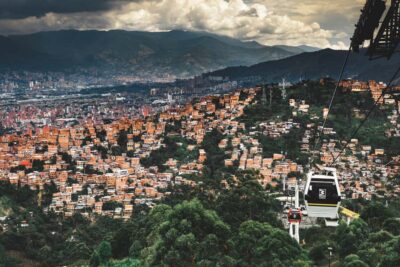 ★ 4.9Private City Tour with Metrocable and Comuna 13From $76330 reviews
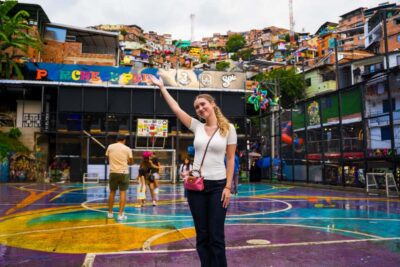 ★ 4.9Comuna 13 Tour with Snacks And Your Own GraffitiFrom $11311 reviews
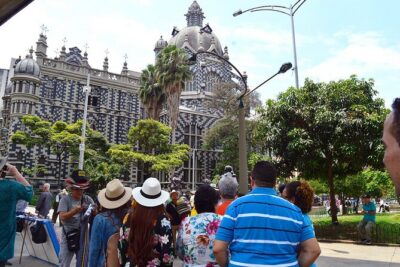 ★ 4.5City Tour + Commune 13 MedellinFrom $37295 reviews
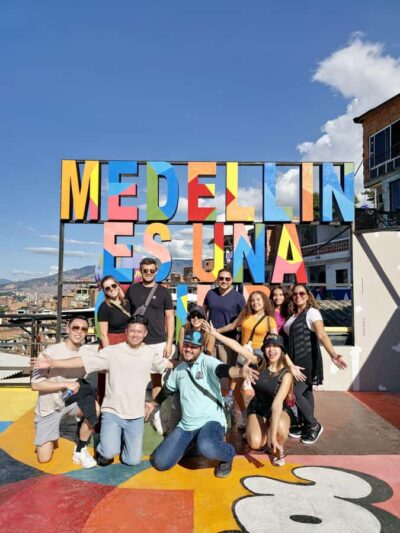 ★ 4.9Comuna 13 and Graffiti Guided Tour with a LocalFrom $16239 reviews
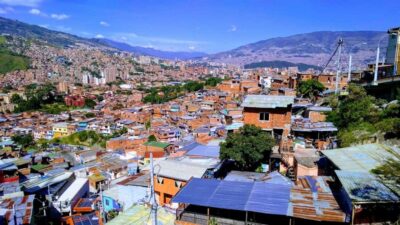 ★ 4.9Private Pablo Escobar and Comuna 13 TourFrom $81233 reviews
Browse the lists this tour appears in