
REVIEW · COMUNA 13 GRAFFITI & STREET ART TOURS
Commune 13, Graffitour street food. History.All inclusive
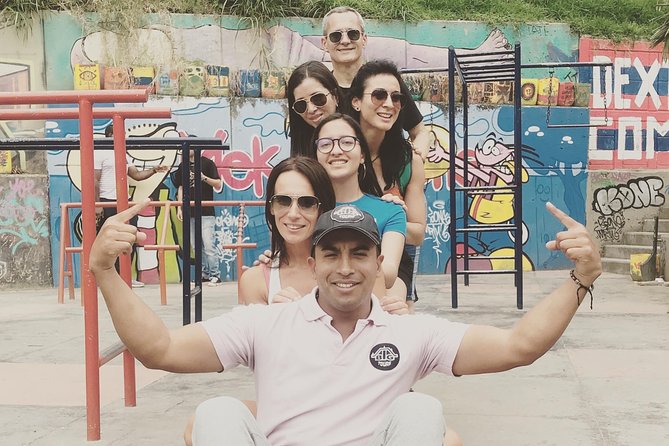
Medellín’s best color comes with a story. This Commune 13 graffitour pairs street art with the neighborhood’s turnaround—plus real tastings. I especially liked the cable car intro, because it makes the geography click fast, and the walk-and-view rhythm stays fun. One catch: there’s a fair amount of stairs and hill walking, so it’s not a great fit if you have chronic knee issues.
What makes this tour feel worth it is how people talk about what you’re seeing. Guides such as Sebastián and Luis are praised for connecting graffiti symbols to real moments in the community, not just pointing at walls. The group is also small (max 20), so questions don’t get lost. If you’re hoping for a super-smooth, low-effort outing, plan for extra movement, and remember it requires good weather.
In This Review
- Key points before you go
- Commune 13 graffiti and street food: what you’re really signing up for
- Starting at Metro San Javier: how the tour sets your pace
- Cable car rides: the fastest way to understand the slopes
- Independence neighborhood: color, viewpoints, and the street food stop
- The escaleras of Comuna 13: why the escalators matter
- Guides that teach you how to read graffiti (not just look at it)
- Street food and the all-inclusive value of $25
- Walking, knees, and weather: the real-world considerations
- Group size and pacing: why max 20 helps
- Who should book this Commune 13 graffitour
- Should you book this tour?
- FAQ
- FAQ
- Where does the tour start?
- Where does the tour end?
- How long is the Commune 13 graffitour?
- Is food included?
- What transportation do you use during the tour?
- How big are the groups?
- Is the price really all-inclusive?
- What if I have knee problems?
- Does the tour run in bad weather?
- What is the cancellation window?
Key points before you go
- Cable car first for big-picture views and instant context
- Graffiti + history together, with guides explaining symbols and meaning
- Street food included, ending with mango ice cream
- Escaleras Eléctricas de la Comuna 13, a unique neighborhood escalator project
- Small groups (up to 20) and lots of time for questions
- Comfort matters: comfy shoes for stairs and hills
Commune 13 graffiti and street food: what you’re really signing up for
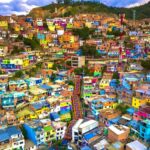
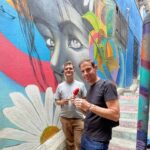
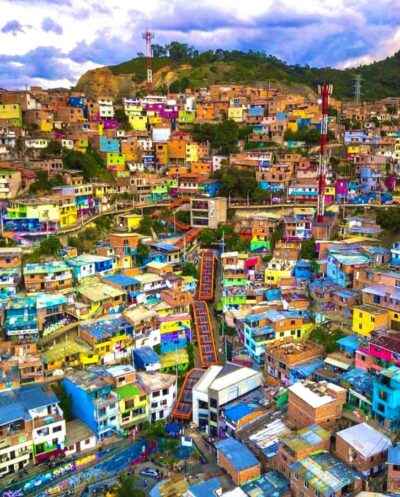
This isn’t just a photo stop in a colorful neighborhood. The point is to understand why Comuna 13 looks the way it does now—through the lens of art, music, and everyday life. You’ll be walking through areas known for graffiti, art galleries, shops, and viewpoints, but the guide steers you toward meaning: symbols, messages, and the community’s own narrative of change.
And yes, there’s food. You’re not stuck doing only walking and listening. Street food is part of the experience, and it helps break up the pace so the tour doesn’t feel like nonstop talking.
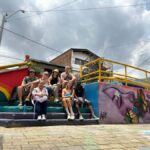
There is more Comuna 13 street art and graffiti to explore around Medellin
Starting at Metro San Javier: how the tour sets your pace
You meet at Estación metro San Javier, at Cra. 95 #96-29 (San Javier II). That location is handy because it’s near public transportation, which makes the day easier to stitch into the rest of your Medellín plans.
The total time is about 3 hours, and with a max group size of 20, you’re not herded around like luggage. That matters in Comuna 13, where moving as a group through streets and viewpoints needs a steady tempo. Expect the schedule to be active: you’re going from the meeting spot to the cable car ride, then shifting by public transport and on foot afterward.
Cable car rides: the fastest way to understand the slopes
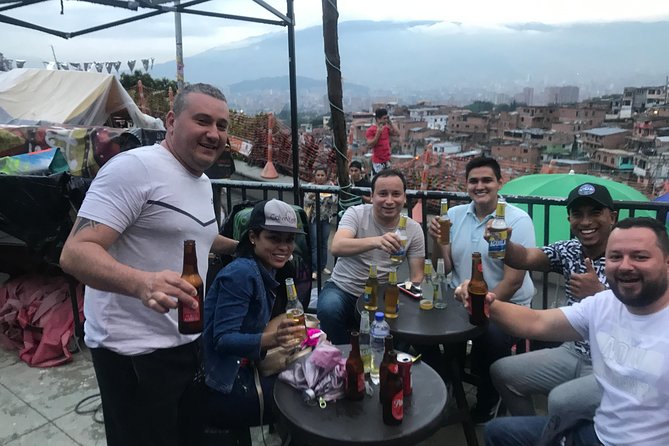
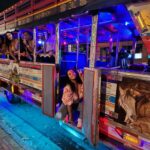
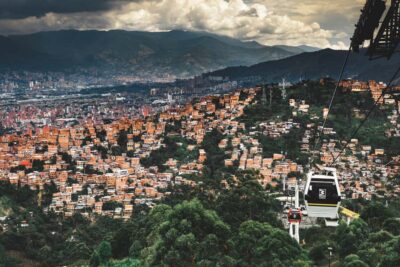
Right after you meet up, you take the cable car. This is a smart move for two reasons.
First, Medellín is all about elevation, and from the air you can see how the neighborhood stacks up on the hills. Second, it sets the tone for the tour’s history angle. From up high, it’s easier to grasp why the neighborhood’s transformation mattered so much to daily life and movement.
Practical tip: wear shoes with grip and keep your phone ready for photos. Several reviews highlight the value of the ride for views and for making the whole tour feel complete.
Independence neighborhood: color, viewpoints, and the street food stop
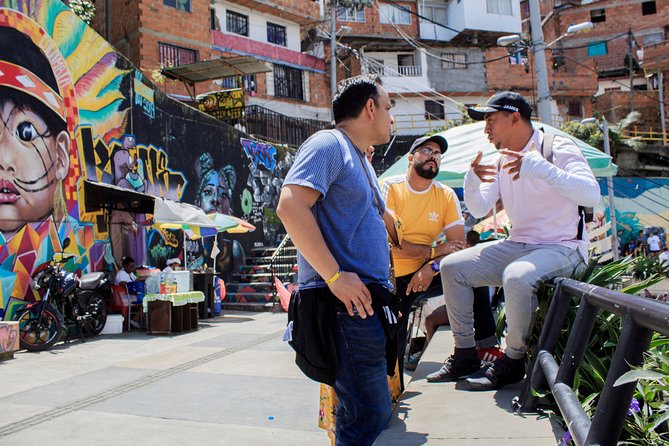
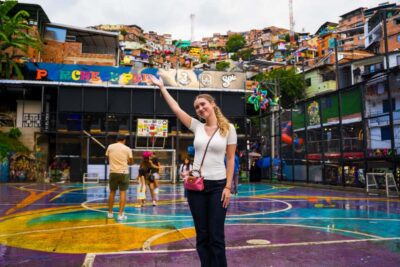
After the cable car, the tour moves you by public bus toward the Independence area, where a lot of the graffiti tour magic happens. This is where you start seeing the neighborhood as a living art corridor, with graffiti scenes, art galleries, shops, and viewpoints working together.
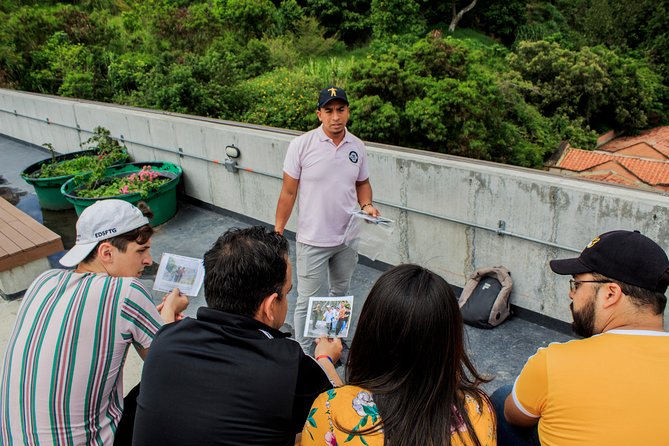
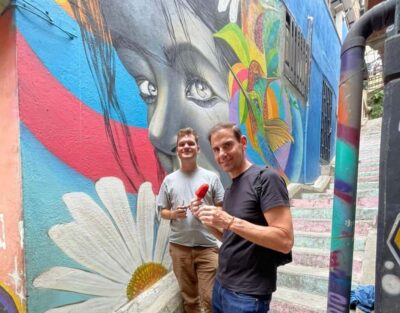
This portion works best if you treat it like a guided walk with a mission. Your guide doesn’t only say what’s painted; they explain why it’s painted and what it represents. People rave about guides like Daniel, Sebastián, and Luis for being friendly and for connecting stories directly to the visuals.
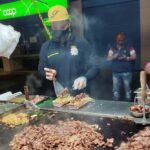
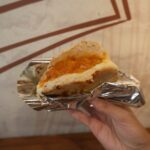
Then comes the food. You’ll enjoy street food as part of the tour, and the itinerary specifically calls out mango ice cream. Reviews also mention tasting different dessert-style bites, so you may find more than just one sweet treat depending on what’s available that day.
For me, this is the part where the tour starts to feel like you’re hanging out with locals for a few hours: you pause for viewpoints, you ask questions, and you snack at a natural break point instead of forcing hunger through the whole walk.
The escaleras of Comuna 13: why the escalators matter
One of the standout stops is the Escaleras Eléctricas de la Comuna 13, also called the electric escalators. The tour frames it as a project that’s unique in Latin America for a neighborhood setting, and that uniqueness isn’t just trivia.
Here’s why it matters for you as a traveler: when a neighborhood builds a way for people to move up and down more easily, it changes daily routines. It affects access to schools, work, and neighbors. The escalators become a visible symbol of progress, and in this tour they connect the area’s past struggles with a practical, physical improvement.
Also, expect this part to reinforce the tour’s pace. Even if you mostly walk at a comfortable speed, you’re still in a hillside neighborhood. The best way to enjoy the escalators without feeling wrecked is to dress for movement: comfy clothing, breathable layers, and shoes you won’t regret halfway up.
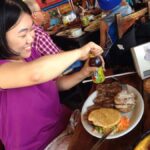
There is more street food and exotic fruit to taste in Medellin



Guides that teach you how to read graffiti (not just look at it)
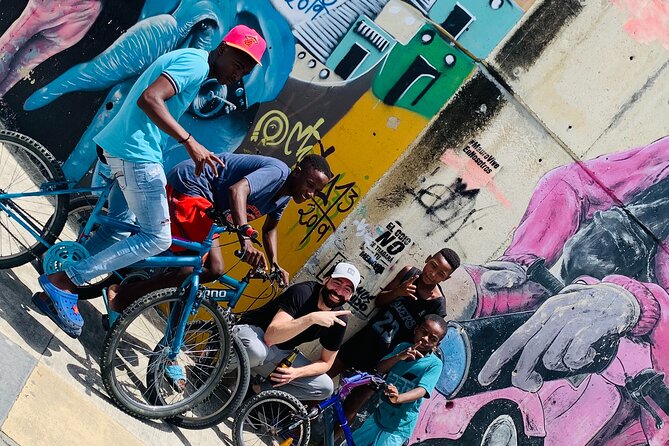
Graffiti can be art, protest, memory, and commentary all at once. The guides on this tour are repeatedly praised for understanding that and explaining it clearly.
Multiple guides come up in reviews, including Sebastián (and his full name appears as Sebastián Soler), Manuela, Luis, Andrés, and Daniel. The pattern is consistent: they’re described as friendly, local, and focused on meaning. Some guides even analyze symbols and their significance in detail. Another theme in reviews is the impact of hip hop—how music becomes a voice for the community and a tool for storytelling.
What I like about this approach is that it makes the tour more interactive. You can ask, and you get answers that connect to the bigger picture. If you want to get more out of it, come with one question in mind, like: What’s the message behind the symbols you’re seeing today? Even a simple question can turn the walk into a real conversation.
Street food and the all-inclusive value of $25
At $25 per person for about 3 hours, this tour is priced like a practical “yes” day: enough structure to feel guided, enough food to make it satisfying, and enough time to get real context without blowing your afternoon.
What helps the value: the itinerary includes an admission ticket, street food, and the mango ice cream stop. You also get transportation components built into the flow (cable car plus a public bus transfer). Even if you’d pay separately for those things, the tour bundles them with interpretation, so you’re not just buying transit.
A fair way to think about value is this: you’re paying for access to understanding. The neighborhood’s history and the meaning behind its graffiti aren’t things you can fully piece together from a quick self-guided stroll. If you like guided context, this price makes sense.
Walking, knees, and weather: the real-world considerations
This experience is labeled not recommended for people with chronic knee problems. That’s a big clue. The tour includes stairs and hills, and even when the route is organized, your body still has to do the work of being there.
So plan around it:
- Wear comfy, supportive shoes.
- Keep your pace steady on hills; don’t force it early.
- If your knees are touchy, consider a different format and save your legs for later days.
Weather matters too. The tour requires good weather, and if it’s canceled due to poor weather, you’ll be offered a different date or a full refund. Also, based on one recorded experience, cable cars may not always operate normally; in that case, the guide adjusted by taking a bus and walking through the neighborhood instead. The lesson: build the day with a little flexibility.
Group size and pacing: why max 20 helps
With a maximum of 20 travelers, the tour tends to stay conversational. That’s important in a neighborhood context where you want to be able to ask questions and still move safely as a group.
Smaller groups also help with photo stops. If you’re waiting for a viewpoint moment, you don’t want to stand around for 20 minutes while the line stretches. The reviews suggest the guides keep people engaged, and that’s easier when the group isn’t too big.
Who should book this Commune 13 graffitour
This is a great match if:
- You like street art with real explanations
- You want a short, structured way to see Comuna 13 in about 3 hours
- You enjoy food stops during walking tours (street food + mango ice cream)
- You’re comfortable with some stairs and hill walking
You might want to skip or switch plans if:
- You have chronic knee issues
- You’re hoping for an easy, mostly-flat tour
- You want a purely passive experience with minimal movement
Service animals are allowed, and the tour is described as near public transportation, which helps if you’re building the rest of your Medellín itinerary around transit.
Should you book this tour?
If you want more than a quick look at street art, I’d book it. The combination of cable car views, guided graffiti meaning, and included street food with mango ice cream makes the day feel complete without dragging on. Guides like Sebastián and Luis stand out in reviews for local insight and for making history understandable, not vague.
Just be honest with yourself about the walking. This is not a sit-and-watch tour. Wear your walking shoes, plan for hills, and go in ready to ask questions. If you do that, you’ll leave with a better grasp of why Comuna 13 looks the way it does today.
FAQ
FAQ
Where does the tour start?
It starts at Estación metro San Javier (Cra. 95 #96-29, San Javier II, Medellín).
Where does the tour end?
The tour ends back at the same meeting point.
How long is the Commune 13 graffitour?
It’s about 3 hours (approx.).
Is food included?
Yes. The tour includes street food, and it specifically includes mango ice cream as part of the experience.
What transportation do you use during the tour?
You take a cable car at the start and then a public bus to reach the Independence neighborhood area for the graffiti portion.
How big are the groups?
The tour has a maximum of 20 travelers.
Is the price really all-inclusive?
The price is $25 per person, and the tour includes an admission ticket plus the street food experience and the mango ice cream stop.
What if I have knee problems?
It’s not recommended if you have chronic knee problems, because the route includes walking, stairs, and hills.
Does the tour run in bad weather?
The experience requires good weather. If it’s canceled due to poor weather, you’ll be offered a different date or a full refund.
What is the cancellation window?
You can cancel for a full refund up to 24 hours before the experience starts. Changes within 24 hours of the start aren’t accepted.
More Medellin Street Food and Exotic Fruit Tours
More Comuna 13 Street Art and Graffiti Tours in Medellin

More Medellin Tours and Experiences to Read Next
Not quite your thing? Here is more to do around Medellin, freshly reviewed

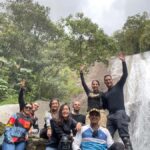
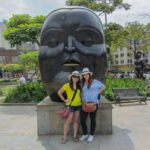
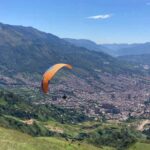
Comuna 13 Graffiti & Street Art Tours, compared.
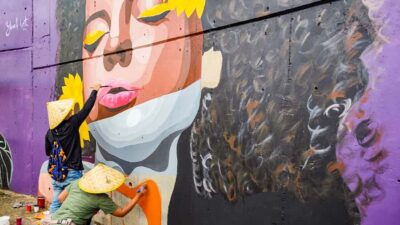 ★ 4.8Comuna 13 Graffiti Tour, Cable Car & Street FoodFrom $189,046 reviews
 ★ 4.9Comuna 13 True Story and Street Food TourFrom $141,779 reviews
 ★ 4.8Comuna 13 District Tour with Cable Car RideFrom $271,467 reviews
 ★ 4.9Private City Tour with Metrocable and Comuna 13From $76330 reviews
 ★ 4.9Comuna 13 Tour with Snacks And Your Own GraffitiFrom $11311 reviews
 ★ 4.5City Tour + Commune 13 MedellinFrom $37295 reviews
 ★ 4.9Comuna 13 and Graffiti Guided Tour with a LocalFrom $16239 reviews
 ★ 4.9Private Pablo Escobar and Comuna 13 TourFrom $81233 reviews
Browse the lists this tour appears in