
REVIEW · COMUNA 13 GRAFFITI & STREET ART TOURS
Comuna 13: Graffiti tour & Street Food/drink with telesferic
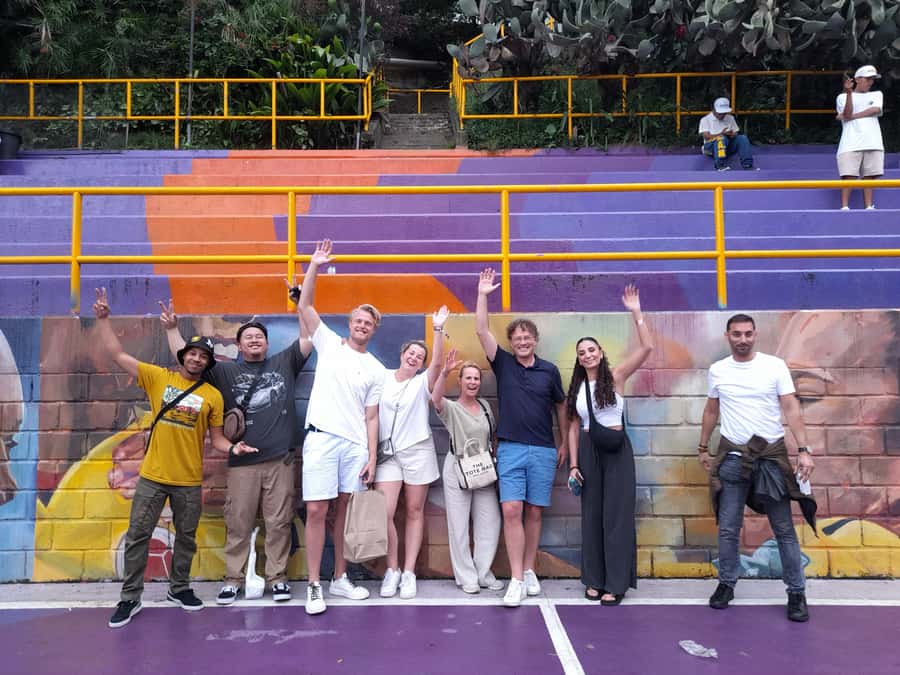
Comuna 13 changes fast, and so do you. This Medellín graffiti tour pairs public transit thrills (metro plus the cable car) with a guided walk through one of the city’s most famous transformation stories. You’ll move at local pace, see colorful walls up close, and get explanations that connect the art to the neighborhood’s hard past.
What I like most is the way the guide turns murals into real-life context, not just pretty street scenes. I also really enjoy the add-ons that make the day feel complete: street food plus a dance performance, and the simple payoff of looking over Medellín from above with your group and locals. With guides like Ezequiel and Melina leading the experience, the tone tends to be friendly and story-driven.
One possible drawback: on busy days, the itinerary can feel transport-heavy, so you’ll spend more time riding and less time sitting with the neighborhood’s details.
In This Review
- Key Things You’ll Notice on This Comuna 13 Tour
- Why Start in Poblado Metro: Getting Oriented in Medellín
- Safety Briefing and a Smart Pace Through Public Transit
- Metro and Scenic Stops: The City Before the Murals
- Telesférico (Cable Car) Views You’ll Actually Remember
- Entering Comuna 13: Graffiti, Escalators, and Local Sayings
- Street Food Stop: Ice Cream and a Drink Without Complicated Ordering
- Street Dance Show: Music Used for Change
- Guided Graffiti Walk: One Hour That Makes the Walls Make Sense
- Beer Stop and the Viewpoint Finish: Medellín From Above
- Price and What You’re Really Buying for $22
- Who This Tour Suits Best (and Who Should Rethink It)
- Practical Tips to Make It Feel Smooth
- Should You Book This Comuna 13 Graffiti Tour With Cable Car?
- FAQ
- How long is the Comuna 13 graffiti tour with cable car?
- What does the price include?
- Where do I meet the group?
- What languages are the guides available in?
- Is this tour wheelchair accessible?
- Is it suitable for older travelers?
Key Things You’ll Notice on This Comuna 13 Tour
- Metro + cable car up front, so you start with big Medellín views
- Graffiti-focused walking time in the safest areas the guide selects
- Street dance show that uses music as change, not just entertainment
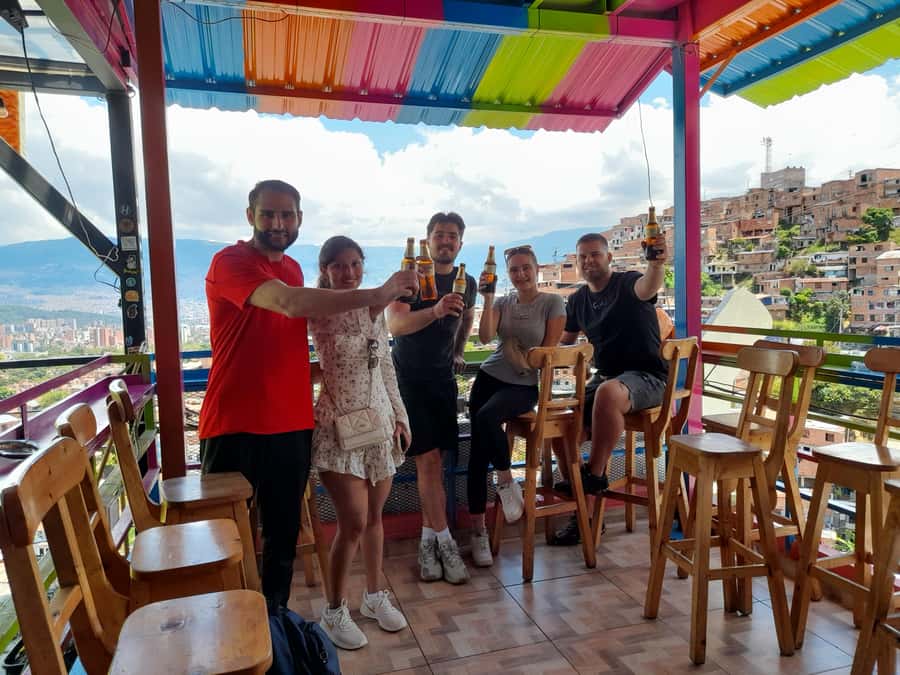
- Ice cream and a drink included, plus a later beer stop
- Small group size (up to 8), which makes the questions easier
- English or Spanish guiding, so you can actually follow the story
Why Start in Poblado Metro: Getting Oriented in Medellín
The tour begins at Estación Poblado at the north entrance. They’ll meet you inside, near the image of the Virgin Mary by the metro ticket shop. It’s a solid choice because you’re not learning Medellín’s transit system after you’re already tired.
Right away, you get a short safety briefing. This matters more than it sounds. Comuna 13 has a complicated reputation, and the whole point of this tour is that you don’t wander on your own. The guide leads you through the areas they consider safe and explains what you’re seeing as you go.
Then you roll onto the metro. Even if you’ve used metros before, this part helps you learn the rhythm of the city: where people get on, how long short rides really take, and how daily commuting feels here.
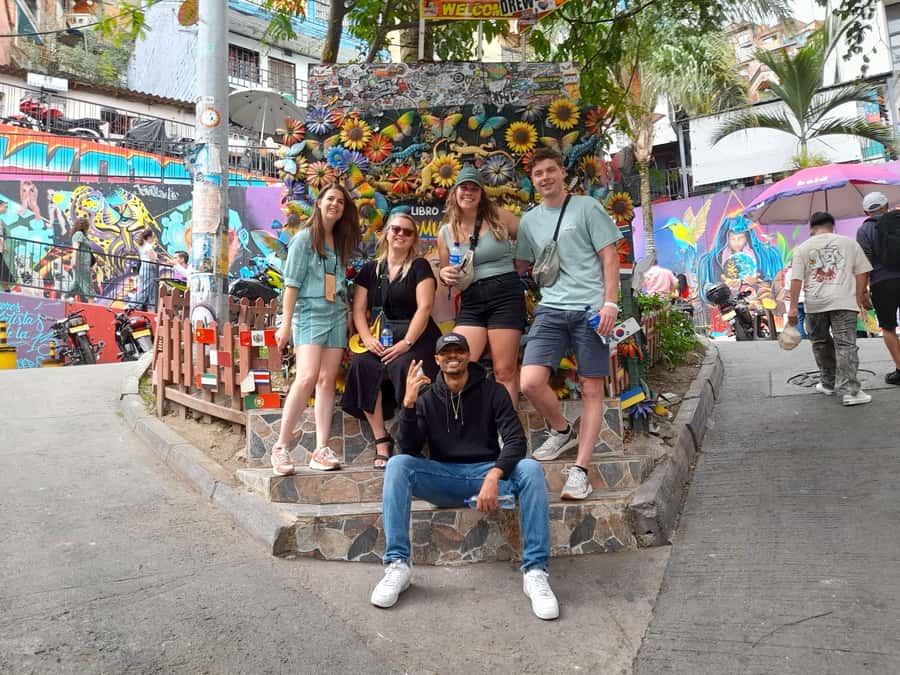
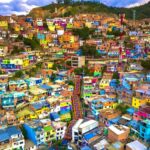
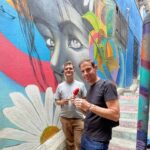
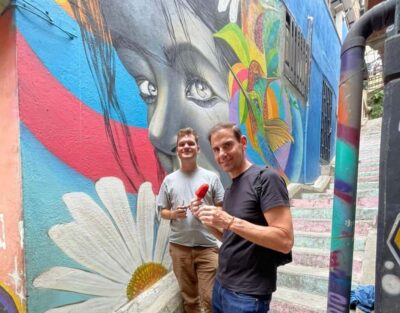
There is more Comuna 13 street art and graffiti to explore around Medellin
Safety Briefing and a Smart Pace Through Public Transit
You’ll spend about 10 minutes on a safety briefing before any major walking begins. This isn’t a lecture. It’s practical: how to stay aware, how to follow the group, and what behavior fits this kind of neighborhood visit.
After that, the schedule moves in chunks—metro ride, then scenic viewpoints, then cable car. Those transitions are part of the design. They reduce the chance that you’re slogging uphill with no context. They also help you see Medellín in layers: the street level, the mid-level routes, and the higher angles you can only get by crossing the city the local way.
The main thing to watch is timing on busy days. One trip can run perfectly. Another day can have more congestion, and then the transit time stretches. If you’re the type who hates waiting around, go with a calm mindset and plan to stay flexible.
Metro and Scenic Stops: The City Before the Murals
There’s a short metro segment, then a scenic stretch on the way. This is when you build context for what’s coming next.
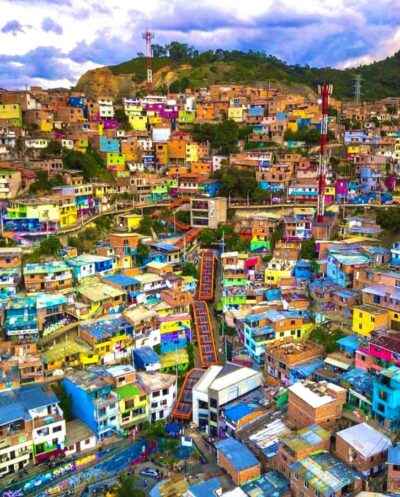
Comuna 13 is all about height, slope, and neighborhoods layered on top of each other. Without the early views, the graffiti walk can feel like a random collection of walls. With the transit-and-view setup, you start to understand why art ended up everywhere. It’s not just decoration. It’s communication, identity, and a public record of change.
Even the simple act of moving through Medellín by metro and related routes helps you see how the city connects rather than cuts itself into isolated pieces.
Telesférico (Cable Car) Views You’ll Actually Remember
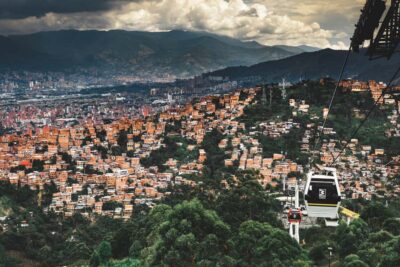
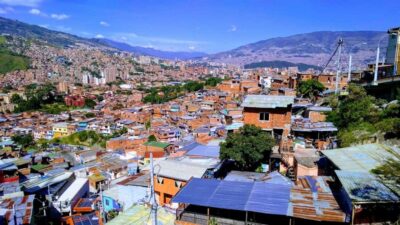
One of the best perks here is the telesférico/cable car ride. It’s only about 15 minutes, but it’s a high-impact segment. You’ll get sweeping city views that you can’t easily recreate from street level.
This ride also acts like a palate cleanser. You go from city transit to skyline views, then step into Comuna 13 art and people-focused stops. If you like photos, this is where you’ll want your camera ready. If you don’t, you’ll still appreciate the understanding you gain when you can see the layout from above.
The cable car also helps you connect Medellín’s modern mobility with the neighborhood experience. It’s a visual reminder that the city has changed its infrastructure over time—part of the same broader theme the guide discusses.
Entering Comuna 13: Graffiti, Escalators, and Local Sayings
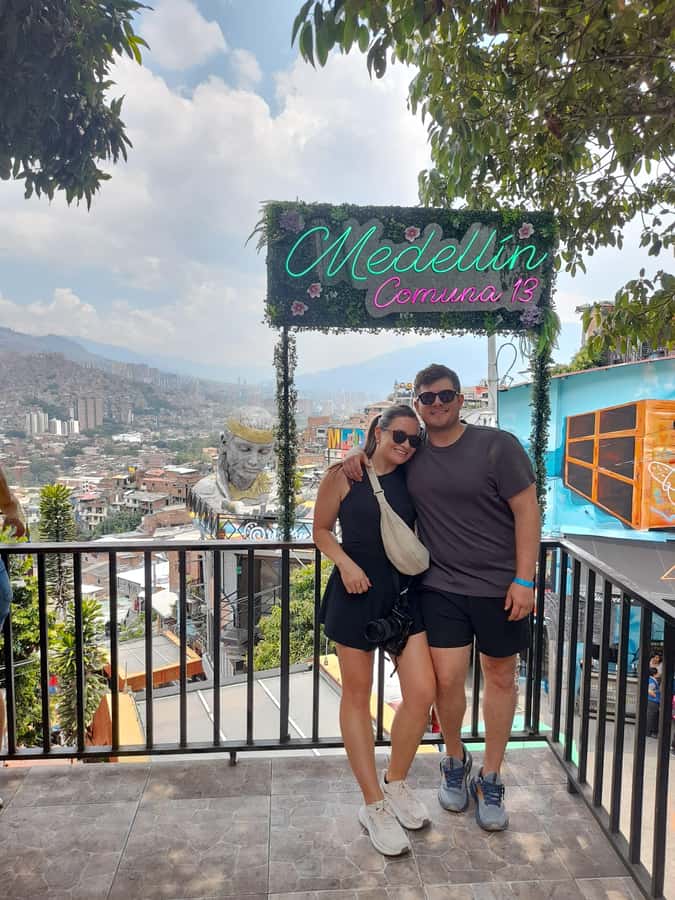
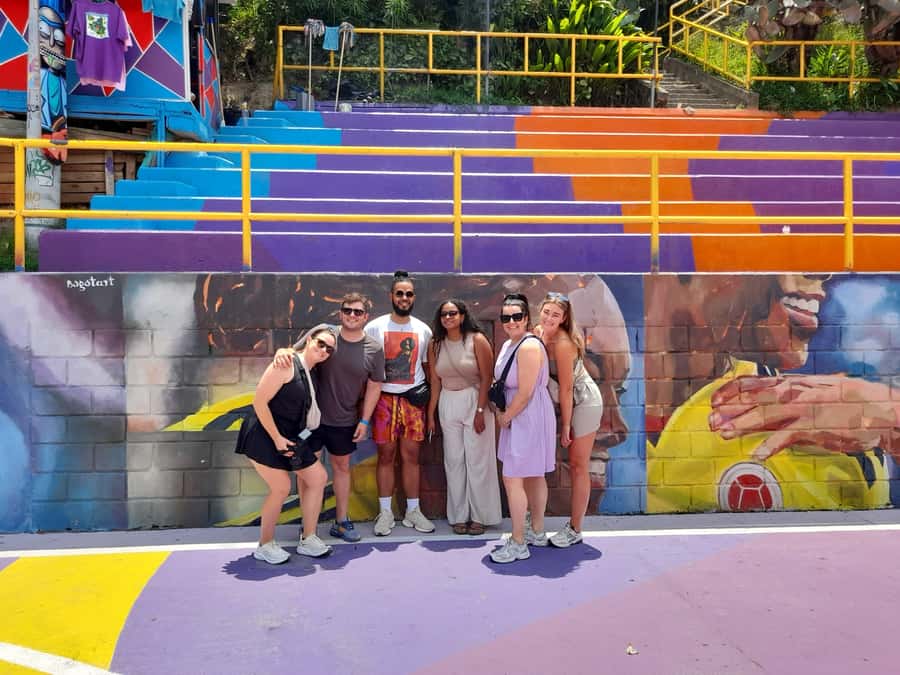
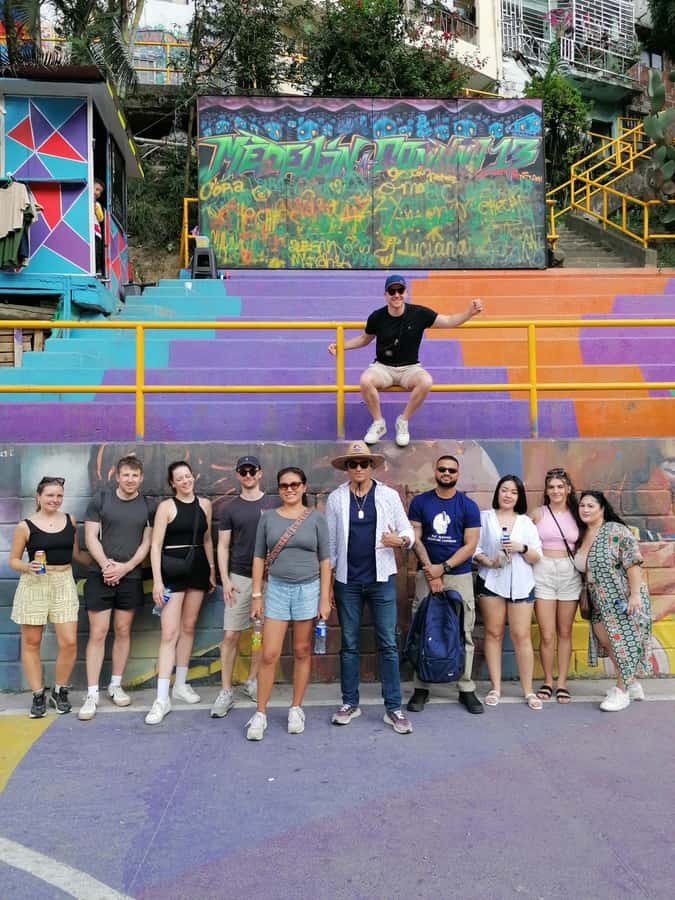
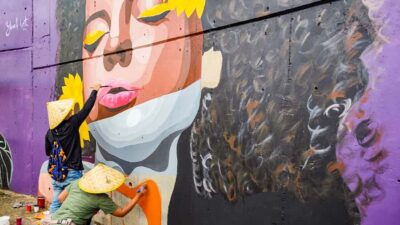
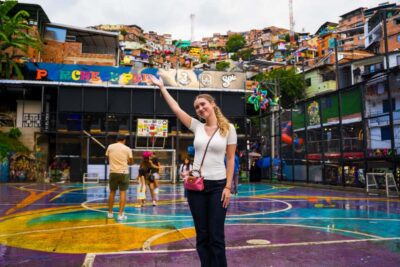
Once you’re in Comuna 13, the focus shifts from transit views to street-level history. The guide takes you through the safest places with lots of graffiti and colorful spots, explaining what each style of art communicates.
The tour is built around transformation. You’ll learn how this area moved from one of the most violent periods into a more hopeful phase through community commitment and creative expression.
Two details I think are worth calling out:
- Escalators are part of the story. You’ll use them while learning.
- You’ll also hear local sayings, which gives you something you can’t read on a basic mural caption.
These small touches are what make this feel like a neighborhood visit rather than a photo shoot. You’re getting language, not just visuals.
There is more street food and exotic fruit to taste in Medellin



Street Food Stop: Ice Cream and a Drink Without Complicated Ordering
There’s a dedicated street food moment (about 15 minutes). Included is 1 traditional ice cream and 1 drink, which can be beer, water, or soda depending on what you choose.
This is a practical way to try local flavors without turning your day into a scavenger hunt. In a neighborhood tour, people often skip food because they’re unsure where to go. Here, you get a simple, built-in break.
The timing is also smart: you eat before the dance show and guided walking takes over again. It keeps your energy steady for the heavier history portion that follows.
If you don’t want alcohol, you’ve got options. If you do, the later beer segment gives you another chance.
Street Dance Show: Music Used for Change
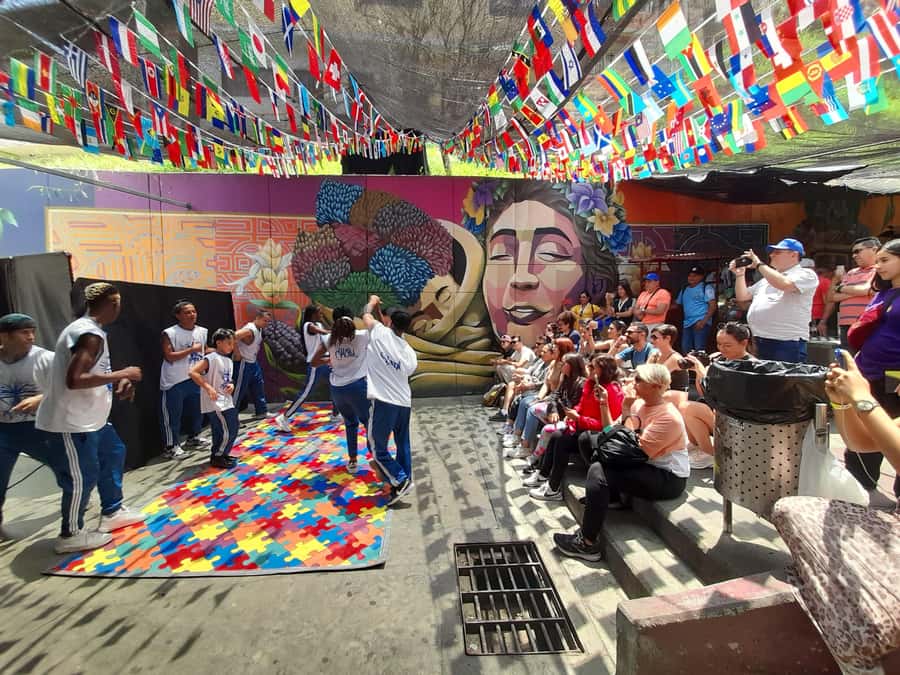
You’ll see a street dance show (around 15 minutes). The concept matters: the performance connects music, community, and leadership—using rhythm as a tool for change rather than a background activity.
Even if you’re not a dance person, I like this inclusion because it shifts the day into emotion. Graffiti tells one story. A live performance tells another. Together they show how creativity works here as a form of action.
It’s also a nice energy reset. After walking and listening, it’s good to watch something with your whole attention for a short, focused block of time.
Guided Graffiti Walk: One Hour That Makes the Walls Make Sense
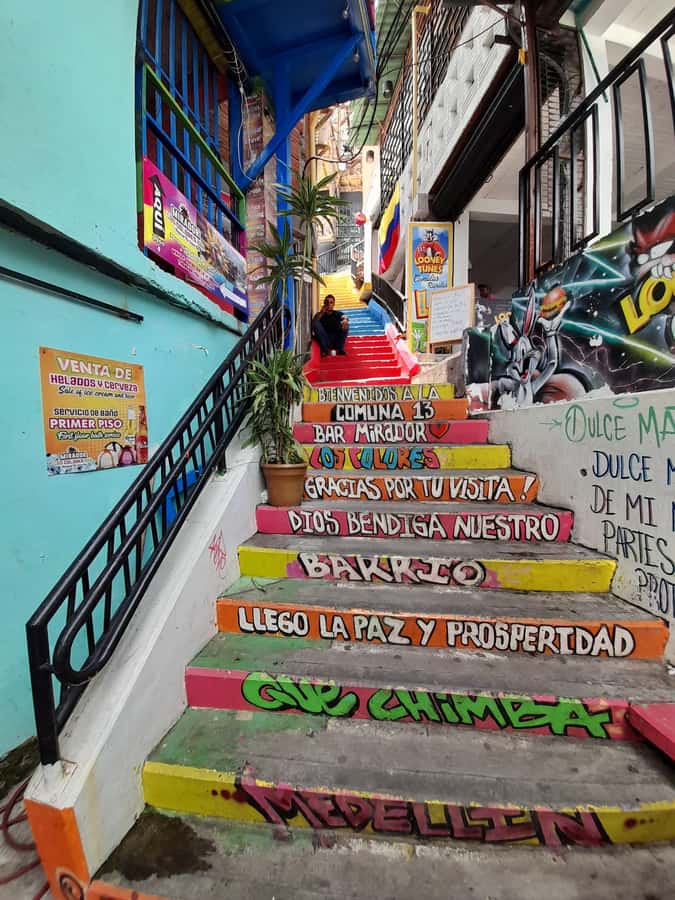
The guided walking tour is about one hour. This is the heart of the value.
Here’s what changes everything: the guide connects murals to the neighborhood’s past and explains how the transformation happened. You don’t just hear facts. You learn why the art looks the way it does, why certain messages show up, and how community identity shows through the walls.
Guides who have led this tour include Ezequiel and Melina, and both are known for making the history easier to follow and more personal. You’ll often feel like the guide is actively checking that you’re tracking the story, not just marching from mural to mural.
Another helpful point: depending on the day, you may get glimpses of locals and additional perspectives. This can add texture fast—especially when you’re trying to understand a place beyond what a guidebook would say.
Beer Stop and the Viewpoint Finish: Medellín From Above
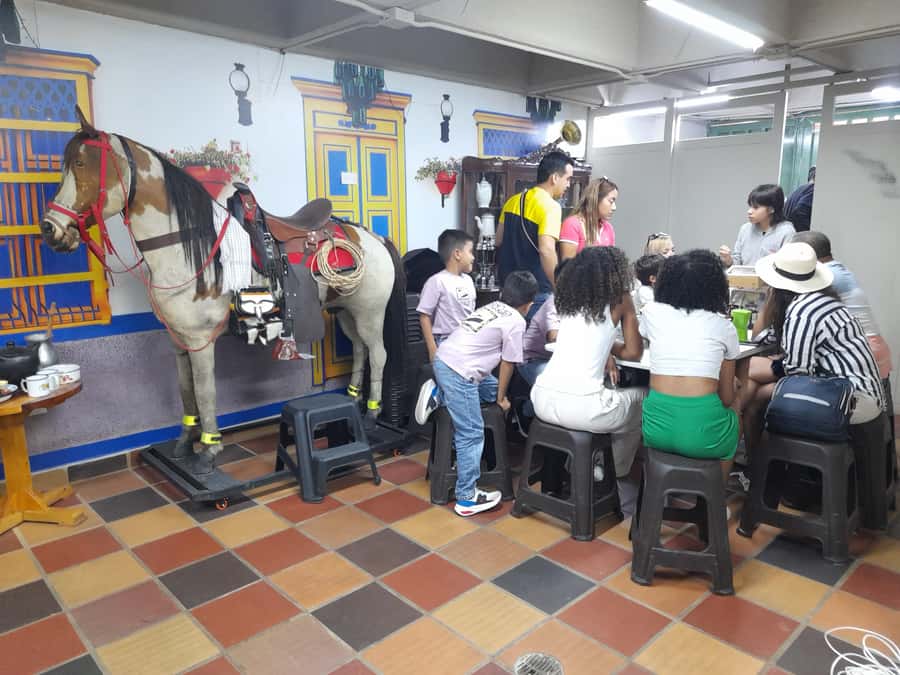
After the guided walk, the schedule gives you a drink stop—around 20 minutes for beer. That’s included, and it matches the tour’s rhythm: you move through history first, then you slow down and reflect.
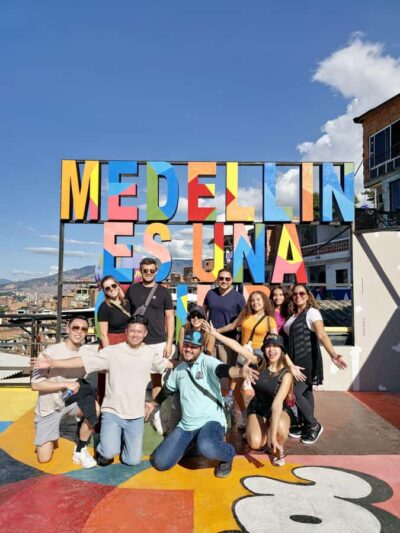
Then comes the payoff: a lookout-bar viewpoint where you can see almost all of Medellín. The tour is designed so you share that moment with locals and your fellow travelers while the guide keeps things grounded with context.
This last segment is more than a photo op. It helps you mentally place Comuna 13 in the bigger Medellín picture—literally and emotionally. When you can see the city spread out, the story of “transformation” stops being abstract.
Finally, you head back the same general way to Estación Poblado.
Price and What You’re Really Buying for $22
At $22 per person for a 210-minute experience, the value comes from what’s included, not just the guide.
You’re getting:
- Metro and cable car tickets
- Bus tickets
- A walking tour and history-focused guiding
- Street dance show
- Graffiti-focused route
- Traditional ice cream plus a drink
- A dedicated beer stop
If you tried to build this yourself, transit alone could eat up a chunk of your budget. Add in local guiding (especially for a neighborhood with sensitive history) and the organized food/show components, and the price starts to look fair.
The main cost you pay is time—especially if the day gets crowded and transit stretches. For the money, you’re buying a structured route through the right context, with safety guidance and interpretation.
Who This Tour Suits Best (and Who Should Rethink It)
This tour is a great fit if you want:
- A guided way to understand Comuna 13’s murals and transformation
- Real transit experience, including the metro and cable car
- A day that mixes street art, performance, and simple food/drink stops
- A small group format (limited to 8 people)
It may not suit you if:
- You strongly dislike crowded situations or long transit days
- You have limited mobility. The tour is not suitable for wheelchair users
- You’re older than 70. The tour data lists that age group as not suitable
Also, if you’re a strict minimalist who wants only quiet walking time, note that this itinerary includes multiple transit segments. You’re signing up for movement, not just lingering.
Practical Tips to Make It Feel Smooth
You can’t control crowds. You can control your expectations.
- Start with energy. The day moves in fixed blocks, so you’ll be walking and riding more than you might guess from the headline.
- Keep your phone camera handy during the cable car and viewpoint segments.
- If you drink beer, plan to enjoy it as a treat, not a time-saver. The later viewpoint is the moment that matters.
- On busy days, don’t treat the schedule like a clock. Treat it like a flow.
And the best mindset: trust the guide’s safety focus. Comuna 13 is famous, but the tour is designed to keep you in the right places with the right explanations.
Should You Book This Comuna 13 Graffiti Tour With Cable Car?
I’d book this if you want a structured, safety-minded way to see Comuna 13’s street art with metro-and-cable-car views and real local context. The combination of history, graffiti walking, and a live dance show plus food/drink stops makes it feel like a full day, not a quick “grab photos and go.”
I’d hesitate only if you know you hate transit congestion and you’re traveling on a day that tends to be packed. If your schedule is tight or you get cranky when plans run long, look for a different time window—or at least go in expecting the day may feel transit-heavy.
If you’re aiming for value and meaning, this tour is built for that.
FAQ
How long is the Comuna 13 graffiti tour with cable car?
The tour lasts about 210 minutes.
What does the price include?
It includes metro, cable car, and bus tickets; a tourist guide; history and walking tour through Comuna 13; a street dance show; graffiti; 1 traditional ice cream; and 1 drink (beer, water, or soda). Beer is also included later in the experience.
Where do I meet the group?
Meet at Poblado Metro Station, north entrance, inside near the image of the Virgin Mary next to the metro ticket shop.
What languages are the guides available in?
The tour is available in English and Spanish.
Is this tour wheelchair accessible?
No. The tour is not suitable for wheelchair users.
Is it suitable for older travelers?
It is listed as not suitable for people over 70 years old.
More Medellin Street Food and Exotic Fruit Tours
More Comuna 13 Street Art and Graffiti Tours in Medellin

More Medellin Tours and Experiences to Read Next
Not quite your thing? Here is more to do around Medellin, freshly reviewed
Comuna 13 Graffiti & Street Art Tours, compared.
 ★ 4.8Comuna 13 Graffiti Tour, Cable Car & Street FoodFrom $189,046 reviews
 ★ 4.9Comuna 13 True Story and Street Food TourFrom $141,779 reviews
 ★ 4.8Comuna 13 District Tour with Cable Car RideFrom $271,467 reviews
 ★ 4.9Private City Tour with Metrocable and Comuna 13From $76330 reviews
 ★ 4.9Comuna 13 Tour with Snacks And Your Own GraffitiFrom $11311 reviews
 ★ 4.5City Tour + Commune 13 MedellinFrom $37295 reviews
 ★ 4.9Comuna 13 and Graffiti Guided Tour with a LocalFrom $16239 reviews
 ★ 4.9Private Pablo Escobar and Comuna 13 TourFrom $81233 reviews
Browse the lists this tour appears in