
REVIEW · COMUNA 13 GRAFFITI & STREET ART TOURS
Comuna 13 tour and cable car
Comuna 13 changes how you see Medellín. This private tour walks you through the neighborhood’s turning points, using the cable metro as your moving classroom and the street art as the language.
I love how the day blends a clear narrative with real places: from the first cable ride context to the escalators that show how the city solved everyday movement.
One thing to consider: this is not a slow coffee-and-photos stroll. You’ll be walking in a lived-in neighborhood, and the route is built around learning and momentum, not long breaks.
In This Review
- Key things I’d circle before you go
- Why Comuna 13 matters beyond the murals
- Price and timing: what $90 buys you
- Stop 1: Cable metro station for context you can actually remember
- Stop 2: Escaleras eléctricas and the story of movement + resilience
- Stop 3: Graffitour, where murals are treated like messages
- Guides you might meet: names that show up often
- What the experience feels like on the ground
- Getting around Comuna 13: cable car views and real neighborhood life
- What to bring (and what’s worth paying attention to)
- If the cable car is closed: how the day can shift
- Who should book this tour (and who might not)
- Should you book the Comuna 13 + cable car tour?
- FAQ
- How long is the Comuna 13 tour with the cable car?
- Is this tour private?
- What’s included in the price?
- Are tickets included for the cable metro and other stops?
- Are drinks included?
- What should I wear?
- Is hotel pickup and drop-off included?
- Can I bring Colombian pesos for local vendors?
- What if the cable car is affected by maintenance?
- FAQ
- What’s the cancellation policy?
- Can service animals join the tour?
- When do I get booking confirmation?
Key things I’d circle before you go
- Private guide + flexible pacing for your group, so you can ask questions and adjust the day
- Cable metro station context that sets Comuna 13 in the bigger Medellín story
- Escaleras eléctricas stop, where progress and daily life are part of the lesson
- Graffitour framing: murals and graffiti treated as meaning, inclusion, and community voice
- Hotel pickup and drop-off plus a private vehicle, so you’re not wrestling logistics
- Snacks included and no added admission fees at the escalators and graffiti stops
Why Comuna 13 matters beyond the murals
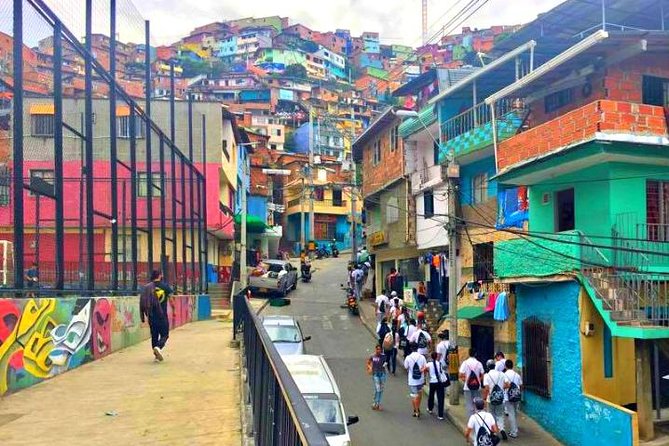
Comuna 13 isn’t just a photo stop. It’s Medellín’s real-world example of how a community rebuilds after violent decades, and how public spaces and art can help people claim belonging again.
What I like is that the tour treats the neighborhood as a place with daily rhythms. You’re not only looking at walls; you’re learning why the walls became a communication tool.
And the guide’s job is to give you context fast. You start with a big picture explanation, then you walk through the physical pieces that make the story understandable: transport, streets, architecture, and the mural messages you’ll see all along the way.
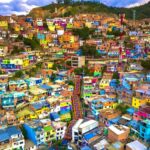
There is more Comuna 13 street art and graffiti to explore around Medellin

Price and timing: what $90 buys you
The price is $90 per person for about 3 to 4 hours, and it’s structured as a private experience. That matters because a Comuna 13 tour only works when your guide can match your pace and answer follow-up questions without cutting you off.
Here’s what you get that affects value:
- Hotel pickup and drop-off (less time lost, fewer decision points on your end)
- Private vehicle transport between key stops
- Guide time on a tight route built around the cable metro, escalators, and street art
- Snacks included, which keeps the day from feeling like a “tour marathon”
- Admission ticket included for the cable metro station portion, while the escalators and graffiti stops don’t add extra admission fees
Not included is the usual stuff: alcoholic drinks and drinks aren’t part of the package. Food beyond snacks isn’t included either, so plan to spend at least a little time in the neighborhood’s local food and shop world if you want that.
Timing note: most days run inside the 3 to 4 hour range. If there’s a change on the ground—like cable services being unavailable—your guide may adjust the plan.
Stop 1: Cable metro station for context you can actually remember
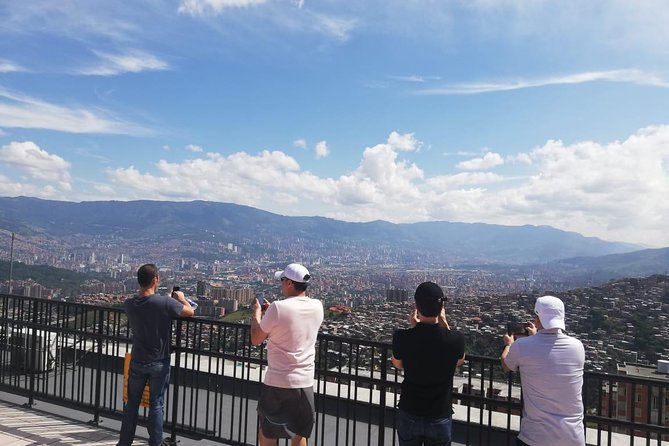
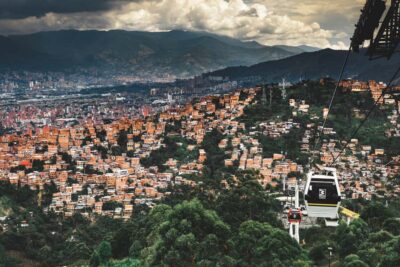
You begin at a cable metro station, and this is where the guide sets you up. The cable ride isn’t treated as sightseeing only. It’s a way to understand Medellín’s geography and the “why” behind how people move through this city.
During the ride, the guide explains the city’s history and specifically how this area fits into it. You’ll connect the dots before you step into Comuna 13 streets, so murals and architecture don’t feel random.
What I like here is the order of operations. Instead of jumping straight to street art, you get context first, so you read what you see with less guessing.
Stop 2: Escaleras eléctricas and the story of movement + resilience
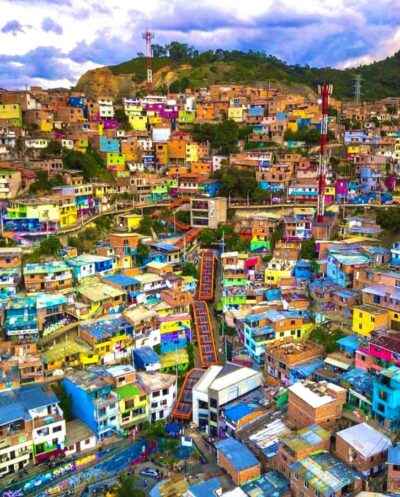
The second stop is the Escaleras eléctricas de la Comuna 13, the electric escalators that helped make daily movement easier. It’s a strong choice for a guided tour because it’s practical infrastructure with meaning.
This part of the day focuses on the decades that shaped the region—events that turned the area into a complicated mix of challenges and responses. The point isn’t just to list what went wrong. It’s to show how Medellín rebuilt: new policies, new systems, and physical changes you can observe.
You’ll also have the chance to interact with locals. Even if you don’t speak much Spanish, your guide helps the conversation stay respectful and human.
One practical consideration: you’re in a real neighborhood. It’s not a quiet gallery. Expect active streets, everyday people, and some variability in how the area feels depending on the day.
Stop 3: Graffitour, where murals are treated like messages
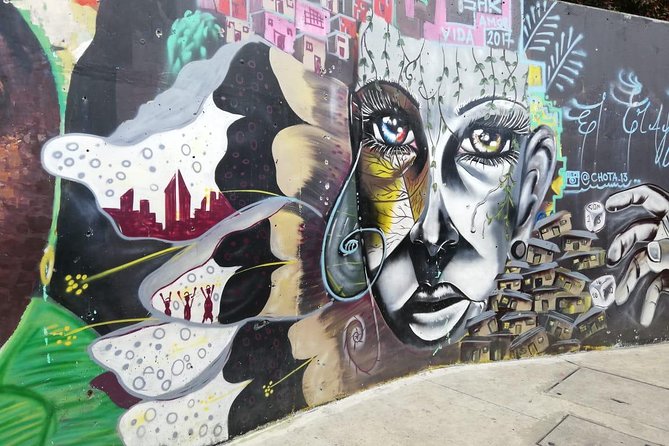
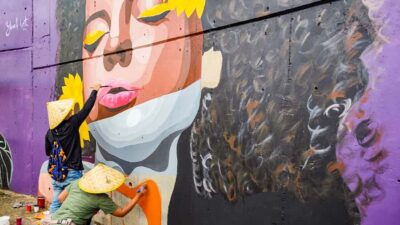
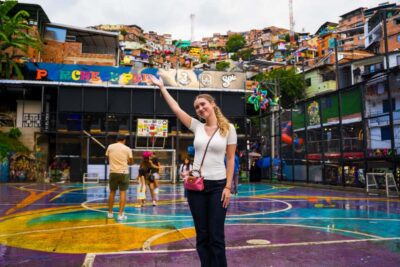
The final stop is the Graffitour format, guided as a “guide for the graffiti tour.” This is where the art stops being decor and starts becoming communication.
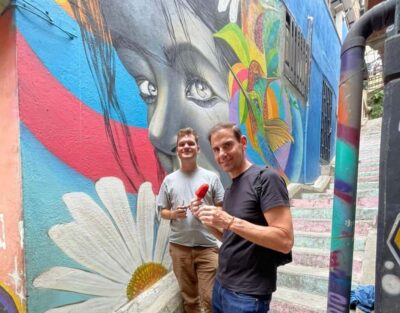
The basic idea is simple: each graffiti piece has meaning. The guide explains how street art grew as a tool for urban expression, relief, and—most importantly—inclusion.
I also like that the focus isn’t only on the past. The tour frames the art as part of ongoing change, not just evidence of earlier trauma. In some stories shared by guides, you’ll hear references to community movements like the Revolution of Love—an attitude that people keep working toward after hard years.
If you care about how art functions socially (not just aesthetically), this is the best part of the day. Even if you usually skip street art tours, the explanation style makes you look longer.

Guides you might meet: names that show up often
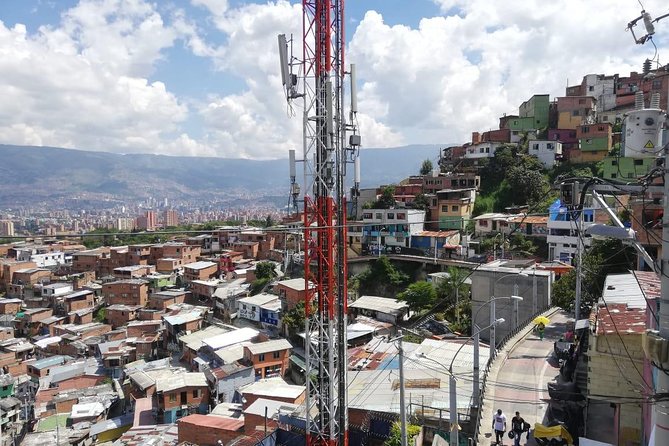
This tour is private, so your guide can make or break the day in subtle ways. Several guides repeatedly come up in bookings, including Daniel, Juan, Juan Carlos, César, Mateo, Kevin, and Camilo.
You’ll notice a pattern in the praise: guides are patient with questions and stick to clear storytelling. Daniel is specifically noted as passionate and good with families and kids. Others, like Juan Carlos, are praised for professionalism and fun, with beautiful views along the route. If you want the day to feel like a conversation (not a lecture), you’ll likely appreciate that style.
What the experience feels like on the ground
This is a private tour, so the energy is different from big group Comuna 13 buses. Your guide can slow down if you’re curious, or move faster if you already get the idea.
Also, the day is built around a gentle rhythm:
- Cable metro for context
- Escalators for place-based history and daily life
- Graffiti tour for meaning and community voice
You’re not being rushed from mural to mural like a checklist. The tour is designed for understanding, and your guide stays focused on the “why” behind the visuals.
That said, don’t come expecting lots of sit-down breaks. If you want time to linger over coffee, you’ll probably need to add that on your own after the tour ends.
Getting around Comuna 13: cable car views and real neighborhood life
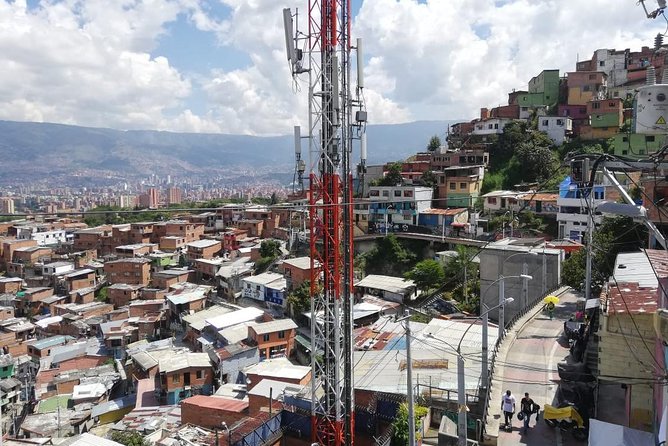
The cable metro ride gives you an “above the streets” perspective that’s hard to get any other way. More than that, it signals something important: cable systems here are part of how locals travel, not only how tourists take scenic rides.
When you combine that with the escalators, you get a sense of how Medellín links steep neighborhoods to the rest of the city. That’s why the tour feels coherent: it uses transportation infrastructure as the spine of the story.
If you’re a photo person, you’ll get plenty of chances. But the guide’s goal is to help you see with meaning, not just frame a shot.
What to bring (and what’s worth paying attention to)
Wear comfortable clothes. You’ll be moving through a neighborhood with stairs and slopes, and your feet will notice if you wear the wrong shoes.
Bring the right mindset too. The tour is built for listening and asking questions. If you show curiosity, your guide can go further.
Money tip: one practical piece I’d copy from successful outings is bringing some Colombian pesos for small purchases from local vendors. It’s a simple way to turn your visit into direct support.
And since drinks and alcoholic beverages aren’t included, plan if you want something beyond the included snacks.
If the cable car is closed: how the day can shift
Here’s a real possibility: cable services can be paused for maintenance. In at least one case, the planned cable portion couldn’t happen, and the guide adjusted by adding time downtown to make up the missed segment.
So if you’re the type who hates schedule changes, know this tour is still designed to adapt. Your guide may swap in another meaningful stop when operations shift.
Who should book this tour (and who might not)
This tour is a great fit if:
- You’re visiting Medellín for the first time and want an introduction that explains how the city got here
- You want private guidance with room for questions
- You care about murals and street art as social storytelling, not just aesthetics
- You appreciate learning with context tied to real infrastructure like cable metro and escalators
It may be less ideal if:
- You want a long, slow break-heavy schedule with lots of café time
- You expect a classroom-style lecture with very granular detail on every event (your guide will explain, but the focus stays on the tour’s rhythm)
- You dislike being around daily neighborhood life while you’re learning
Should you book the Comuna 13 + cable car tour?
My take: yes, if you want the clearest, most meaningful way to understand Comuna 13 in a short time window. The combination of cable metro context, the Escaleras eléctricas place-based lesson, and the graffiti meaning-first approach makes it more than a sightseeing circuit.
It’s also strong value because it’s private, includes hotel pickup and drop-off, and keeps admissions from turning into extra hassle. If you can handle a walking-based neighborhood tour and you’re open to learning, you’ll get a lot out of it.
If you’re still deciding, here’s the simplest way to choose: book it if you want a guided explanation you can carry with you after the photos fade. Skip it only if your ideal day is mostly sitting, sipping, and taking slow strolls without structure.
FAQ
How long is the Comuna 13 tour with the cable car?
It runs about 3 to 4 hours.
Is this tour private?
Yes. It’s a private tour/activity, and only your group participates.
What’s included in the price?
Included are a driver/guide, a professional guide, private vehicle transport, hotel pickup and drop-off, and snacks.
Are tickets included for the cable metro and other stops?
The cable metro station admission ticket is included. Admission tickets for the escalators stop and the graffiti tour stop are listed as free.
Are drinks included?
Snacks are included, but drinks are not included. Alcoholic drinks are also not included and are available to purchase.
What should I wear?
Wear comfortable clothes and bring a good attitude. The tour involves walking and moving around the neighborhood.
Is hotel pickup and drop-off included?
Yes, hotel pickup and drop-off are included.
Can I bring Colombian pesos for local vendors?
You can bring Colombian pesos for local products and street food sold by vendors during the day.
What if the cable car is affected by maintenance?
In at least one case, the cable cars were closed and the guide adjusted the day with an alternative plan.
FAQ
What’s the cancellation policy?
You can cancel for a full refund if you cancel up to 24 hours in advance. If you cancel less than 24 hours before, the amount paid is not refunded.
Can service animals join the tour?
Yes, service animals are allowed.
When do I get booking confirmation?
Confirmation is received at the time of booking.
More Tours across Medellin and Antioquia
More Comuna 13 Street Art and Graffiti Tours in Medellin

More Medellin Tours and Experiences to Read Next
Not quite your thing? Here is more to do around Medellin, freshly reviewed


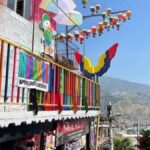
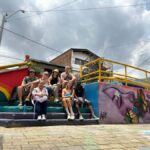


Comuna 13 Graffiti & Street Art Tours, compared.
 ★ 4.8Comuna 13 Graffiti Tour, Cable Car & Street FoodFrom $189,046 reviews
 ★ 4.9Comuna 13 True Story and Street Food TourFrom $141,779 reviews
 ★ 4.8Comuna 13 District Tour with Cable Car RideFrom $271,467 reviews
 ★ 4.9Private City Tour with Metrocable and Comuna 13From $76330 reviews
 ★ 4.9Comuna 13 Tour with Snacks And Your Own GraffitiFrom $11311 reviews
 ★ 4.5City Tour + Commune 13 MedellinFrom $37295 reviews
 ★ 4.9Comuna 13 and Graffiti Guided Tour with a LocalFrom $16239 reviews
 ★ 4.9Private Pablo Escobar and Comuna 13 TourFrom $81233 reviews
Browse the lists this tour appears in