
REVIEW · COMUNA 13 GRAFFITI & STREET ART TOURS
Graffiti Tour comuna 13 and cable car (made by local guides)
Graffiti here has a heartbeat. This Comuna 13 experience in Medellín pairs a cable car ride with street-art stops, performances, and a real look at how this neighborhood changed after years of conflict.
I love the cable car views and the way your guide connects the murals to social transformation, not just aesthetics. You’ll also get to do a genuine graffiti experience and see dance and rap up close. One consideration: it’s active, with walking and steps, and it runs rain or shine.
In This Review
- Key highlights worth planning for
- Why Comuna 13 graffiti feels different from a street-art photo stop
- Meeting at San Javier: the spot that keeps your first hour smooth
- Cable car + the ride into 20 de Julio: Medellín from above first
- Independence sectors 1, 2, and 3: history, murals, and the performances that explain the mood
- Soccer pitch, Casa Neon, and the 3D House: where pop culture meets place-making
- Escalators and viewpoints: the climb that earns the photos
- Mass grave mountain and the transformation talk: the serious ending that sticks
- Food, coffee, and pacing in a 3-hour format
- Price and value: what $33 buys you in the real world
- Should you book this Comuna 13 graffiti and cable car tour?
- FAQ
- How long is the tour?
- Where do I meet for the Comuna 13 graffiti and cable car tour?
- What languages are the guides available in?
- Does the tour run in bad weather?
- What’s included besides the graffiti experience?
- Is the itinerary mostly walking or mostly rides?
- Do you have photo stops or free time?
- Do you visit places tied to Medellín’s armed conflict history?
- Is alcohol, drugs, or anything explosive allowed?
Key highlights worth planning for
- San Javier metro start with a clear meet-up spot outside Exit B
- Cable car + bus to get you into Comuna 13 efficiently
- Independencia sectors 1, 2, and 3 with murals tied to Medellín’s history
- Graffiti experience plus breakdance and rap performances
- Escalators to viewpoints for photos of emblematic Medellín spots
- Mass grave mountain stop to understand the serious side of the story
Why Comuna 13 graffiti feels different from a street-art photo stop
If you’re used to thinking of graffiti as decoration, this tour changes that. In Comuna 13, the murals carry context—history, identity, and the long work of reclaiming public space. You start with an introduction to the armed conflict Medellín faced in Comuna 13 from 1990 until 2002, and then you move through sectors where the art is part of the neighborhood’s story.
What I like about the approach is that it doesn’t treat the walls like a backdrop. The guide helps you notice details you’d otherwise miss: style choices, how certain artists’ work shows up repeatedly, and why murals matter when a community has had to rebuild itself. That shift is the whole point. You’re not just seeing street art. You’re learning how art became a language for change.
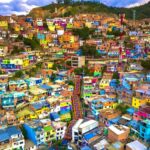
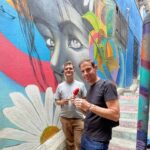
There is more Comuna 13 street art and graffiti to explore around Medellin
Meeting at San Javier: the spot that keeps your first hour smooth
The tour begins at Estación metro San Javier, outside the station on Exit B, near the red public phones. You’ll want to look for a guide wearing a red T-shirt or red jacket.
This matters more than it sounds. Comuna 13 trips rely on timing, and the first transfer is the cable car. When your meet-up goes smoothly, you spend your energy sightseeing instead of hunting your group in a busy transit area.
You’ll be traveling with a live guide who can speak Spanish and English, and the tone stays focused on respect and safety. You won’t be dealing with sketchy add-ons or surprises—just a structured route that’s meant to make the neighborhood understandable in a short time.
One more practical note: the tour doesn’t limit itself to one street or one viewpoint. It uses a mix of walking, bus rides, and escalators, so wear shoes you can trust on uneven pavement and stairs.
Cable car + the ride into 20 de Julio: Medellín from above first
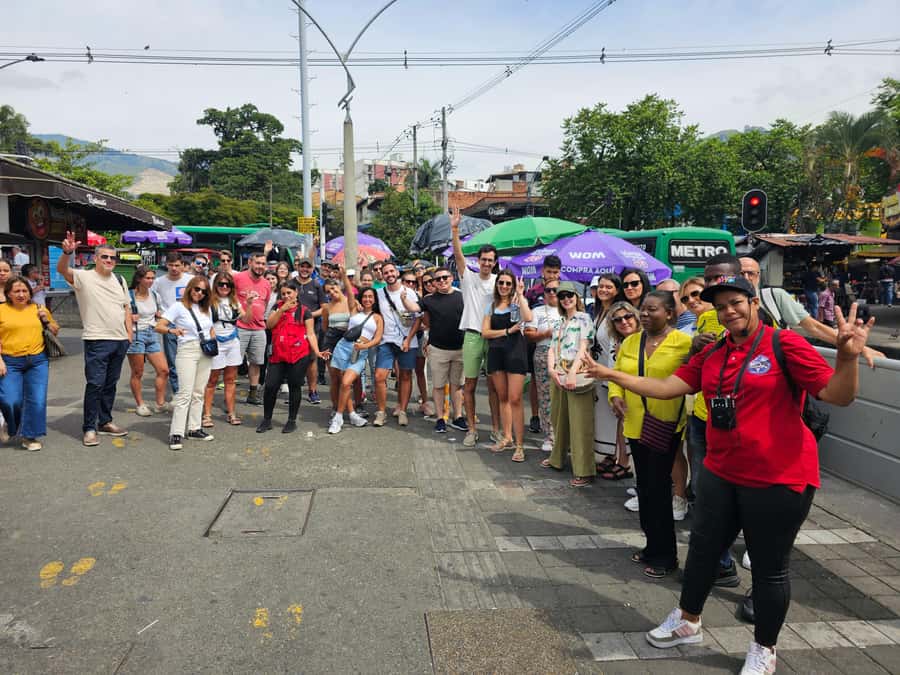
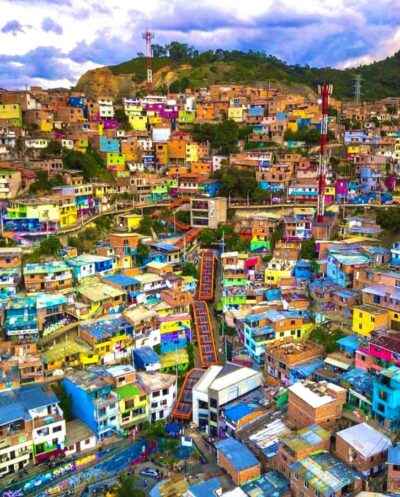
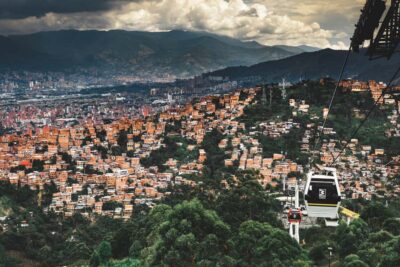
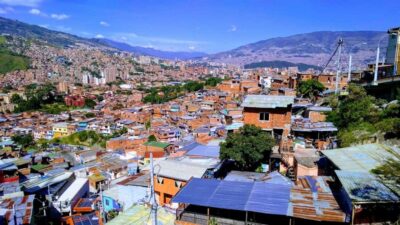
Right after meeting, you take the cable car, which is one of the best ways to get oriented quickly. From up there, Medellín’s shape makes more sense: slopes, density, and how neighborhoods connect vertically.
After the cable car, you head to the 20 de Julio neighborhood by bus. That bus hop keeps the tour moving without turning it into a long slog. Once you arrive, the day shifts from “views from above” to “stories at street level,” which is exactly what makes the tour feel well-paced for a 3-hour block.
The value here is the combination. Cable car tours alone can become only scenery. Graffiti tours alone can feel like random walking if you don’t understand context. This one links both—so the views aren’t separate from the message.
Independence sectors 1, 2, and 3: history, murals, and the performances that explain the mood
In Comuna 13, your route focuses on the sectors of Independencia number 1, 2, and 3. You’ll walk through these areas while your guide gives you a grounded explanation of what the neighborhood went through and how social transformation showed up afterward.
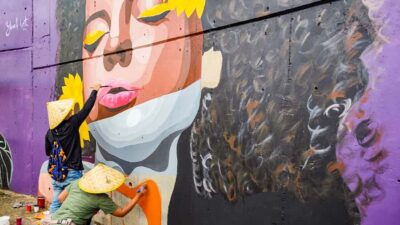
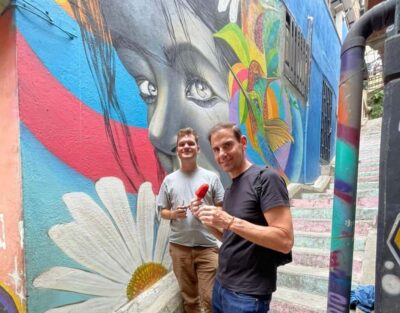
From there, you get into the art itself. The guide explains graffiti and murals by different artists from Comuna 13, so you’re not just looking at color—you’re learning what the community wanted to say and how it did that through public walls.
Then it turns into performance. You’ll watch:
- a breakdance show
- a rap show
This part works because it connects the dots between street art and street culture. Graffiti is one form. Dance and rap are others. When you see them together, the tour stops feeling like an art gallery and starts feeling like a neighborhood.
And yes, there’s also a hands-on moment. The tour includes a graffiti experience, so you’re not only observing—you’re participating in the creative side of the visit.
Soccer pitch, Casa Neon, and the 3D House: where pop culture meets place-making
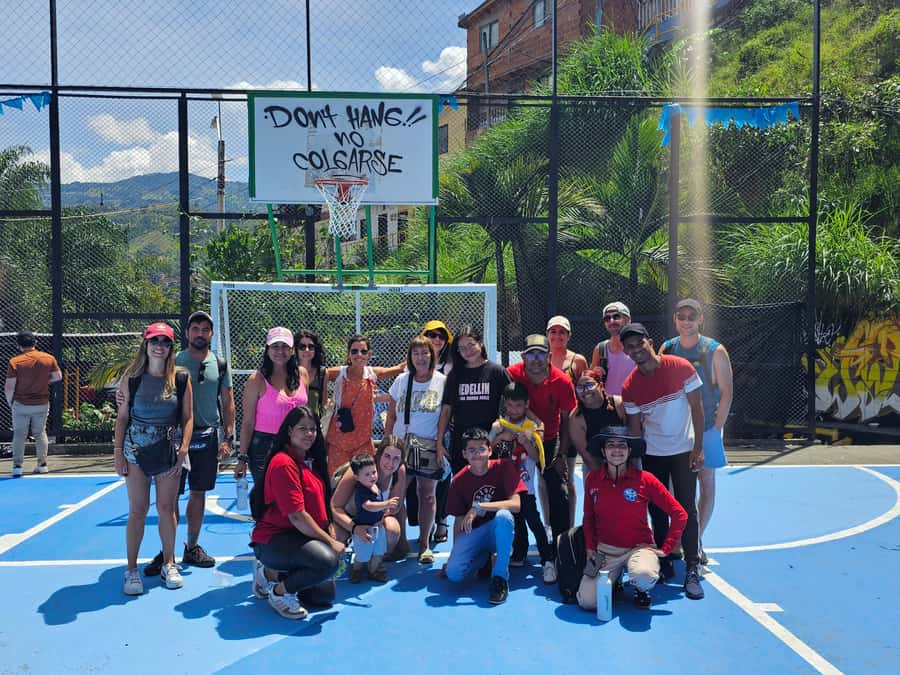
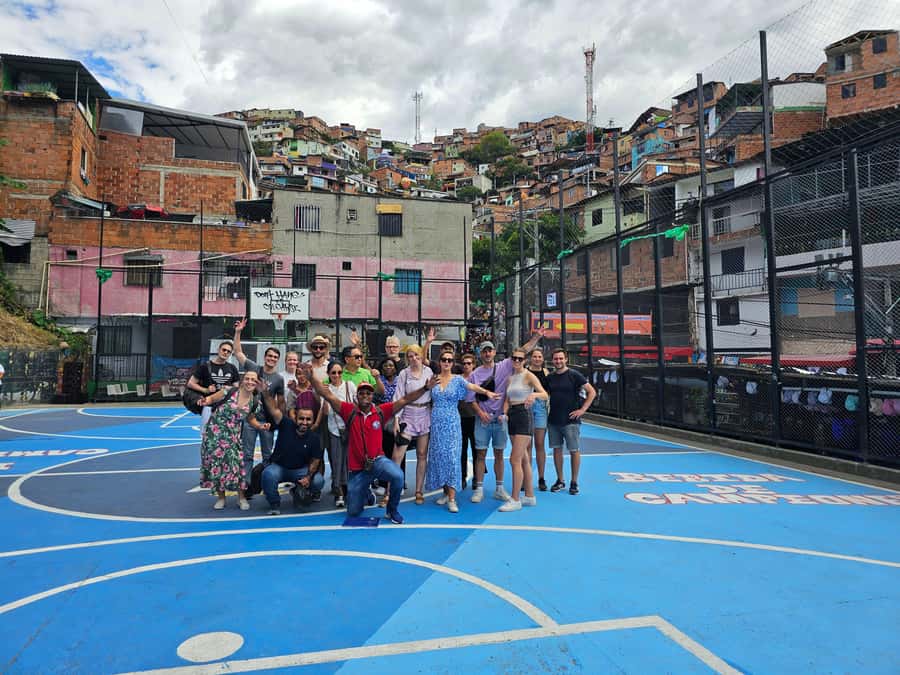
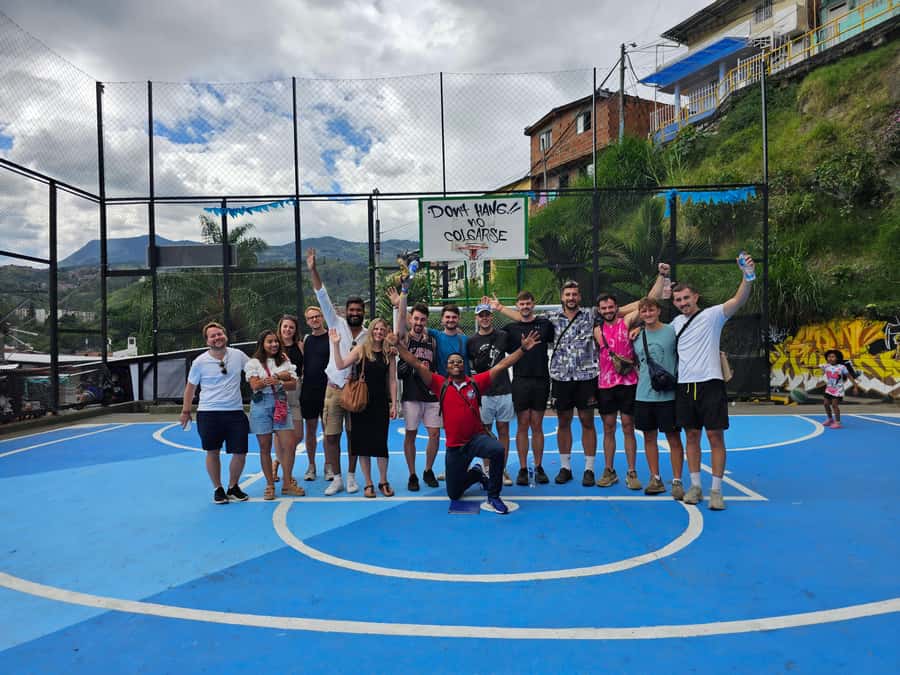
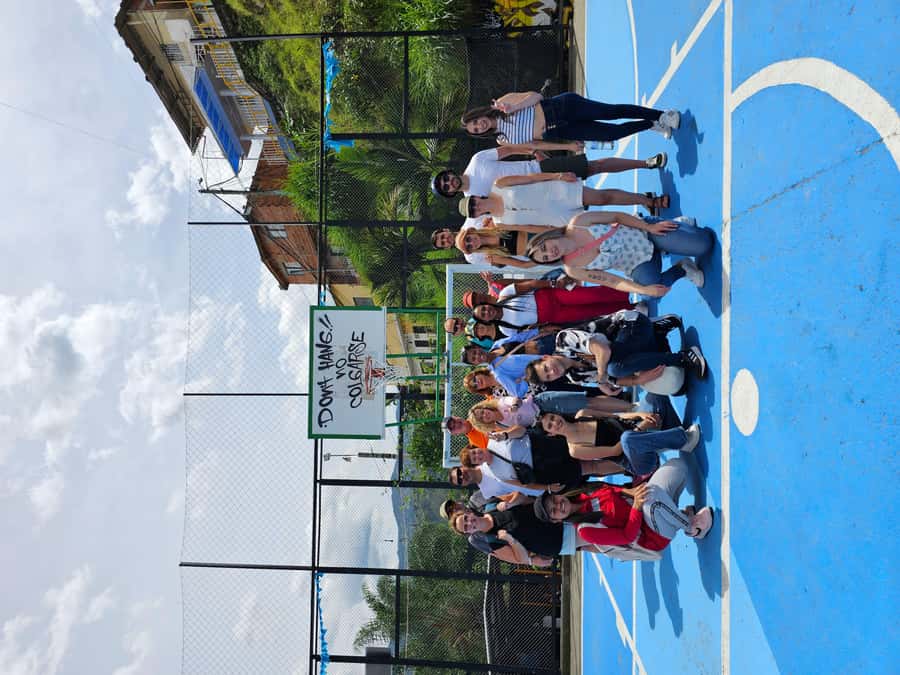
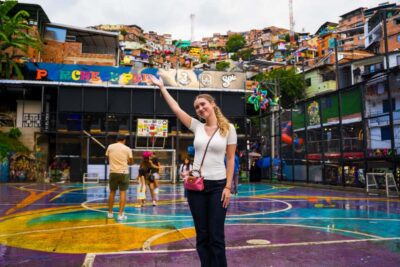
After the performance segment, you visit a famous soccer pitch where some celebrities have recorded video clips. It’s a fun break from heavy context, but it still fits the theme: sports, music, and art all show up as ways communities show pride and visibility.
Next comes Casa Neon / Casa 3D. This stop tends to land well because it’s visual and photo-friendly without being the entire focus of the tour. It gives you a different style of experience—more playful, more interactive, and a reminder that the neighborhood isn’t only about what happened to it. It’s also about what it’s becoming.
Between the graffiti stops and these “scene change” stops, you also get art galleries during the walk. That mix keeps the tour from feeling like repeating the same kind of street view.
Escalators and viewpoints: the climb that earns the photos
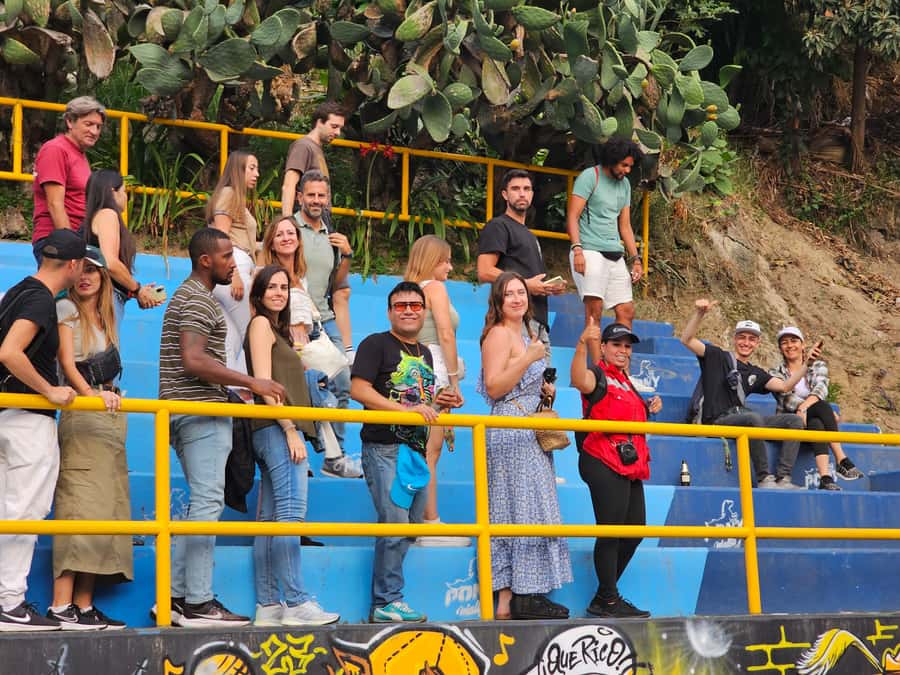
A standout moment is the escalators segment. You’ll take the escalators to reach the top and enjoy one of the best parts of the route: the views of emblematic places in Medellín.
You’ll also get a built-in pause—there’s break time with a photo stop and free time for 15 minutes. This is useful because the tour includes enough walking that you’ll appreciate a real breather.
One practical tip: treat this part like a photo mission. The escalators and viewpoints make it easy to get shots, but you’ll move from lower streets to a broader view, so step carefully and keep your phone secure. If you go during the day, the light helps murals pop. If you go later in the trip, Medellín’s colors can look different. Either way, plan to spend a few minutes just looking outward.
Mass grave mountain and the transformation talk: the serious ending that sticks
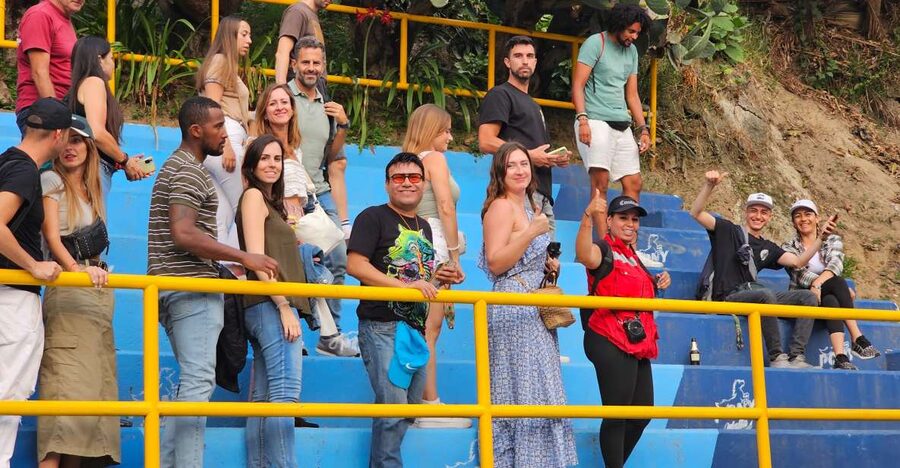
Toward the end, you visit mass grave mountain, described as one of the biggest mass graves in South America. This is the most emotionally heavy stop in the route, and the tour doesn’t rush past it.
Afterward, you finish with a talk about social transformation in a place with a good view, and then you head back to the San Javier metro station.
If you’re traveling with sensitive moods, plan your energy for this ending. Bring patience and a respectful attitude. The goal isn’t sadness for its own sake—it’s understanding. You come away seeing why the murals and performances aren’t entertainment only. They’re part of the long process of healing and rebuilding.
Food, coffee, and pacing in a 3-hour format
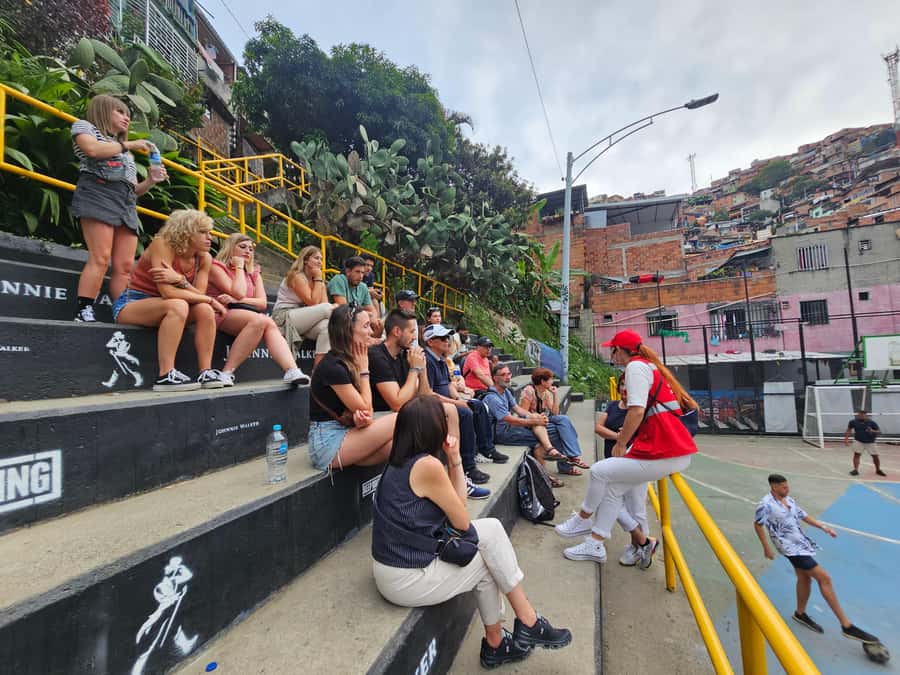
This is a compact tour, so the food moments matter. Included stops include:
- ice cream
- a refreshing drink
- a local café segment (tea, shopping time, and coffee tasting for about 15 minutes)
That café pause is also practical. It gives your legs a rest and gives you a more “local routine” moment than just another roadside snack.
In terms of pacing, the route uses:
- metro + cable car
- bus to 20 de Julio
- walking through the independence sectors
- escalators for the climb
Expect steps. The route isn’t a flat stroll, so if you’re juggling low stamina, choose your shoes wisely and slow down when you need to.
Price and value: what $33 buys you in the real world
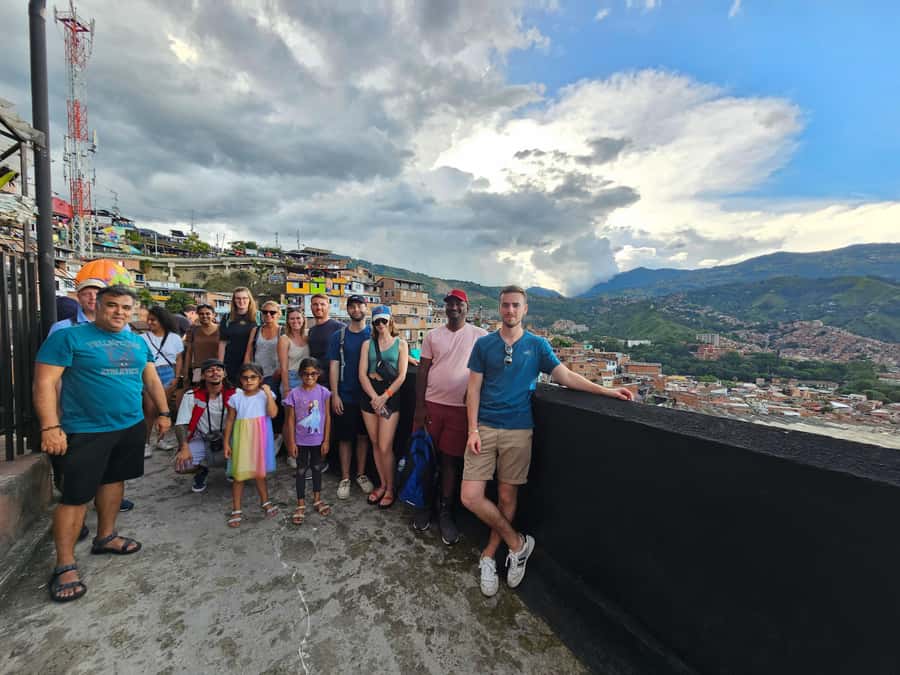
At $33 per person for about 3 hours, the value is the mix: transport + access + context + activities.
You’re not only paying for walking past walls. You’re paying for:
- the cable car ride
- a bus transfer
- guided interpretation of the neighborhood’s history and transformation
- the graffiti experience
- breakdance and rap performances
- Casa Neon / Casa 3D and art gallery stops
- ice cream and a refreshing drink
- escalators and viewpoints
Even if you discount the cultural performances, the transport and included creative/art components already add up. What makes it feel worth it is that the tour compresses a lot into a short window without turning it into a checklist.
This tour fits best if you like street art with meaning, you enjoy cultural performances, and you want a guided route into an area you might not navigate alone. It’s less ideal if you want a mostly relaxed sightseeing day with minimal walking and minimal emotion.
Should you book this Comuna 13 graffiti and cable car tour?
I’d book it if you want Medellín that goes beyond the postcard. The combination of cable car views, guided street-art context, hands-on graffiti, performances, and the ending at mass grave mountain creates a full arc: climb, create, understand, reflect, then look out over the city.
I’d skip it if:
- you’re not comfortable with a serious history component
- you need a very low-step itinerary
- rain disrupts your plans a lot (this tour runs rain or shine)
If you do book, pick a guide you feel comfortable with. People often mention the warmth and energy of guides like Laura, Samuel, Jonathan, Fernanda, Leandro, and Natalie—and that matters here. This isn’t the kind of tour where you can coast. A good guide shapes how respectfully and clearly you take in what you see.
FAQ
How long is the tour?
The tour lasts about 3 hours.
Where do I meet for the Comuna 13 graffiti and cable car tour?
You meet outside Estación metro San Javier, Exit B, near the red public phones, and look for the guide wearing a red T-shirt or red jacket.
What languages are the guides available in?
The live tour guide offers Spanish and English.
Does the tour run in bad weather?
Yes. The tour runs rain or shine.
What’s included besides the graffiti experience?
In addition to graffiti, the tour includes the cable car, bus, ice cream, a refreshing drink, dance (breakdance) and rap shows, escalators, Casa Neon / Casa 3D, and views with guided history.
Is the itinerary mostly walking or mostly rides?
It’s a mix. You use the cable car, take a bus to 20 de Julio, walk through multiple sectors, and use escalators for the viewpoint portion.
Do you have photo stops or free time?
Yes. There is break time with a photo stop, plus 15 minutes of free time.
Do you visit places tied to Medellín’s armed conflict history?
Yes. The tour includes an introduction to the armed conflict in Comuna 13 from 1990 until 2002, and it includes a stop at mass grave mountain.
Is alcohol, drugs, or anything explosive allowed?
No. Alcohol and drugs are not allowed, and explosive substances are also not allowed.
If you want, tell me what day you’re going and whether you prefer art + performances or history first—I can suggest a smart plan for the rest of your Medellín schedule around this 3-hour block.
More Tours across Medellin and Antioquia
More Comuna 13 Street Art and Graffiti Tours in Medellin

More Medellin Tours and Experiences to Read Next
Not quite your thing? Here is more to do around Medellin, freshly reviewed
Comuna 13 Graffiti & Street Art Tours, compared.
 ★ 4.8Comuna 13 Graffiti Tour, Cable Car & Street FoodFrom $189,046 reviews
 ★ 4.9Comuna 13 True Story and Street Food TourFrom $141,779 reviews
 ★ 4.8Comuna 13 District Tour with Cable Car RideFrom $271,467 reviews
 ★ 4.9Private City Tour with Metrocable and Comuna 13From $76330 reviews
 ★ 4.9Comuna 13 Tour with Snacks And Your Own GraffitiFrom $11311 reviews
 ★ 4.5City Tour + Commune 13 MedellinFrom $37295 reviews
 ★ 4.9Comuna 13 and Graffiti Guided Tour with a LocalFrom $16239 reviews
 ★ 4.9Private Pablo Escobar and Comuna 13 TourFrom $81233 reviews
Browse the lists this tour appears in