
REVIEW · COMUNA 13 GRAFFITI & STREET ART TOURS
Medellín Comuna 13 local guides snacks and your own graffiti
Comuna 13 can feel heavy at first, then surprising in the best way. What I like most is the local guide story that connects the neighborhood’s past and its comeback, plus the hands-on graffiti experience that turns photos into something you actually make. One thing to plan for: the tour includes performances and art gallery stops where voluntary contributions are part of the culture, so you’ll want a little cash ready and a calm attitude about optional tipping.
You’ll walk through two emblematic areas—20 de Julio and Las Independencias—with time set aside for viewpoints, snack breaks, and a few cultural stops that go beyond a quick photo loop. The tour is offered in Spanish and English, and it’s wheelchair accessible, which makes it a lot more doable than many neighborhood tours in Medellín. (It also isn’t suitable for people over 95 years, so check this before you book.)
In This Review
- Key highlights you’ll feel in 3 hours
- Why Comuna 13 matters so much in Medellín
- Meeting at Cra. 108: how this tour stays organized
- 20 de Julio and Las Independencias: two neighborhoods, one clear story
- Snack stops and ice cream: small breaks that keep the day real
- The graffiti experience: make art instead of just taking pictures
- Dance show time: breakdance, freestyle, and optional contributions
- The escalator project and viewpoint walks: where Medellín shows its teeth and heart
- Art galleries of local artists: supporting creativity in a practical way
- Price and value: $22 for 3 hours that actually fill the time
- Who should book this Comuna 13 tour (and who might skip)
- Should you book this Medellín Comuna 13 local guides, snacks, and graffiti tour?
- FAQ
- How long is the Medellín Comuna 13 tour?
- What does the tour cost?
- Is the tour private?
- What languages are available?
- What is included in the price?
- What is not included?
- Where do I meet the group?
- If I arrive by metro at San Javier station, how do I get to the meeting point?
- What should I bring, and is it suitable for everyone?
Key highlights you’ll feel in 3 hours
- Private, local-led route: you’re guided through Comuna 13 with story context, not just a checklist of murals.
- 20 de Julio + Las Independencias: two neighborhoods with clear connections to why the area changed.
- Graffiti experience you can participate in: not just watching street art from the sidewalk.
- Dance performances with voluntary contributions: breakdance and freestyle-style shows are part of the day.
- Escalator project + viewpoint walks: you see how infrastructure and community pride shape daily life.
- Art galleries of local artists: you get access to community creativity, not only street-level murals.
Why Comuna 13 matters so much in Medellín
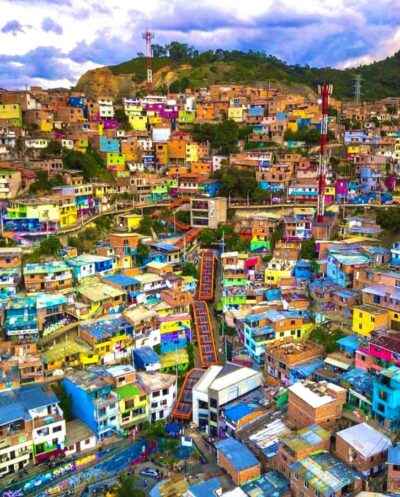
Comuna 13’s story is famous for a reason: it was once viewed as one of Medellín’s most dangerous places, and then it changed—slowly, painfully, and with a lot of community effort. On this tour, you don’t just look at murals. You’re taught how the neighborhood got labeled, what daily life looked like for residents, and why the area later became one of Antioquia’s most visited destinations.
The emotional payoff is the contrast. As you move from one viewpoint to the next, the tour leans into the idea of #VibrarConLosColores—not as a marketing slogan, but as a shift in what the community chooses to show the world. That matters because so many places get reduced to “pretty street art.” Here, the art comes with context: it’s tied to identity, memory, and a new public face.
And because you’re walking with a guide who has a personal connection, the tone stays human. In the guide stories shared by past participants, you’ll hear about growing up in Comuna 13 and how residents see the transformation from inside—not like a lecture, but like someone explaining what they lived through. Names that came up include Ana, Paula, and Luisa, and the common thread is the same: genuine commitment and clarity.
There is more Comuna 13 street art and graffiti to explore around Medellin
Meeting at Cra. 108: how this tour stays organized
The meeting point is Cra. 108 #38-12. The best part of meeting at a fixed address is that the tour starts as a group ritual—brief orientation, then walking. You also get a chance to sync in real time. The tour organizer asks you to leave a contact number so they can coordinate your arrival and avoid the annoying timing stress that can happen in neighborhood travel.
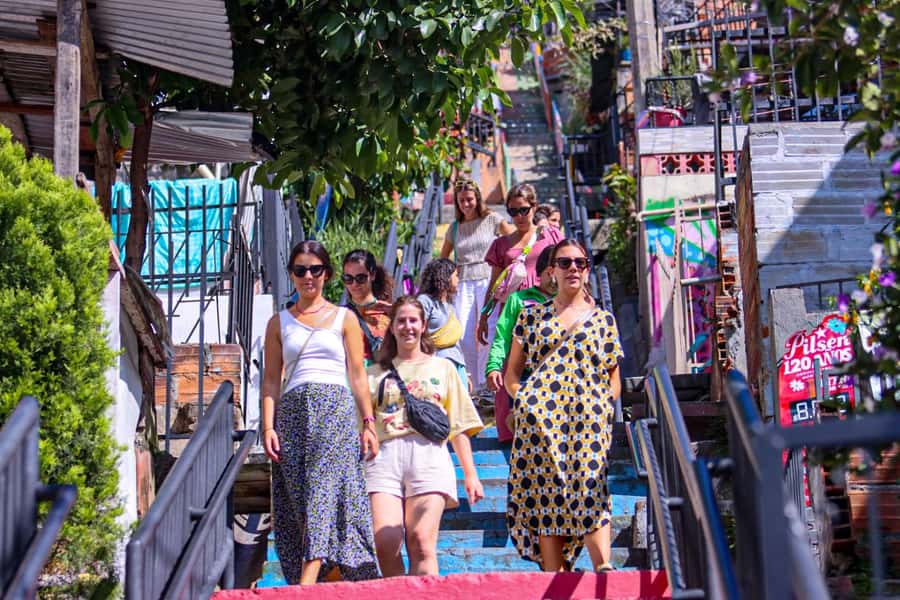
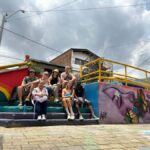
If you’re arriving by metro at San Javier station, you’ll take bus 225 from there. It drops you near the meeting point area; you’ll want to get off one block before the last stop, close to the colored stairs. That’s a practical detail that helps a lot, because Medellín transit can feel logical until you’re in the last mile.
Bring comfortable clothes. The tour involves walking through multiple areas and viewpoints, and you’ll move at a neighborhood pace—not a museum pace. Wear something you can stand and stroll in without thinking about it.
20 de Julio and Las Independencias: two neighborhoods, one clear story
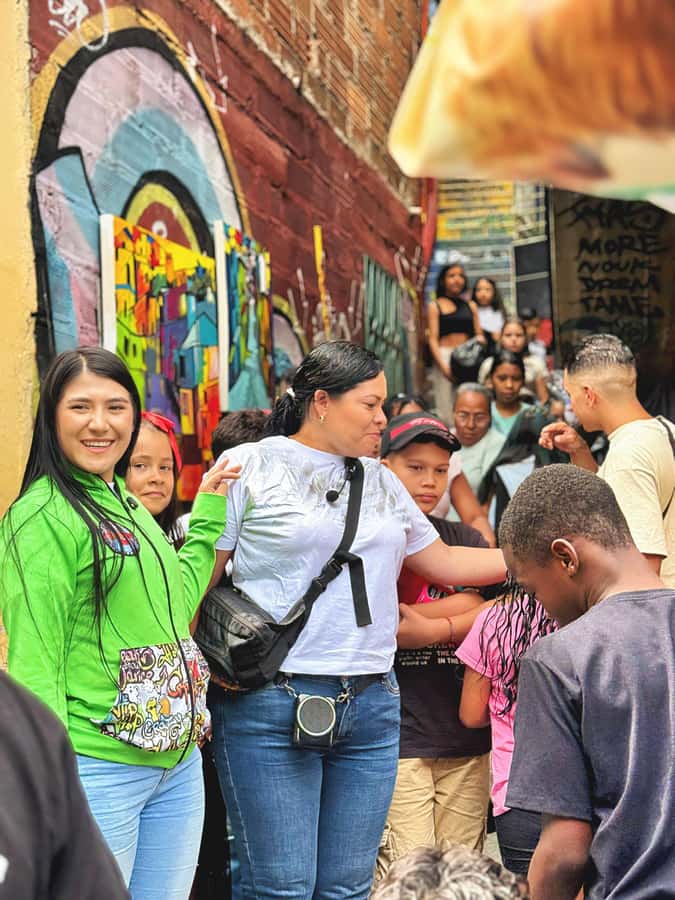
You’ll spend meaningful time in two emblematic parts of Comuna 13: 20 de Julio and Las Independencias. This is one reason the tour feels more coherent than the typical “walk and point” style experience.
In practical terms, the guide’s job is to connect what you see to what it means. That’s where the historical explanation comes in: why Comuna 13 was considered so dangerous, how that reputation shaped the way people moved through the area, and why it became a destination later on. You’ll hear this while walking, which keeps the story from sounding abstract. Instead, the neighborhood becomes the textbook.
This is also where your photos will improve. A mural doesn’t just look “cool” when you know what it represents or what it sits beside. The tour helps you read the walls like language: color, placement, and community symbols become easier to understand.
Snack stops and ice cream: small breaks that keep the day real
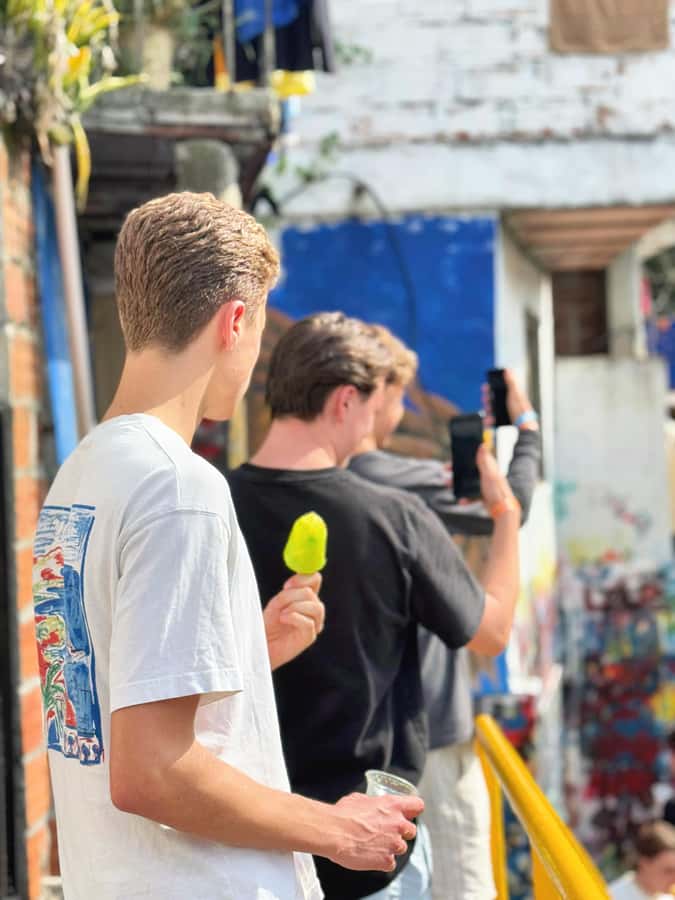
You’ll stop for local snacks and you’ll also get typical ice cream. These pauses might sound minor, but they do something important: they keep you grounded. In a neighborhood tour with emotional context, a calm break helps you absorb what you just learned and not run on pure adrenaline.
You also get a glimpse of everyday rhythm. Food stops are where the day stops feeling staged. If you’re traveling on your feet, this kind of planned pause is a win for comfort and stamina.
One small tip from the vibe of the experience: if you’re thinking you’ll come hungry or skip meals because you’ll “eat later,” don’t. The snack and ice cream timing is built into the flow, so plan around it.
The graffiti experience: make art instead of just taking pictures
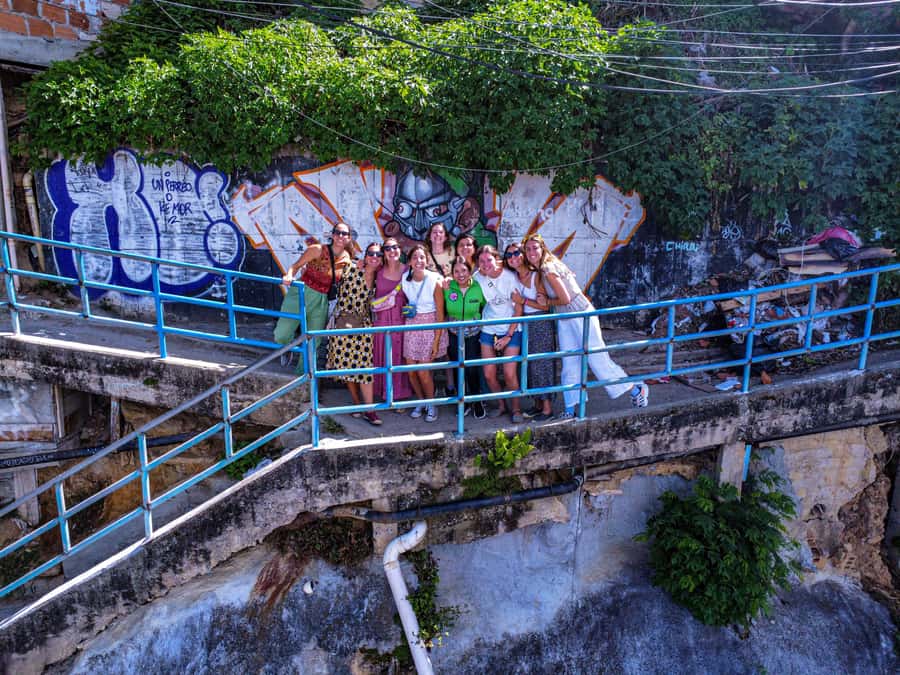
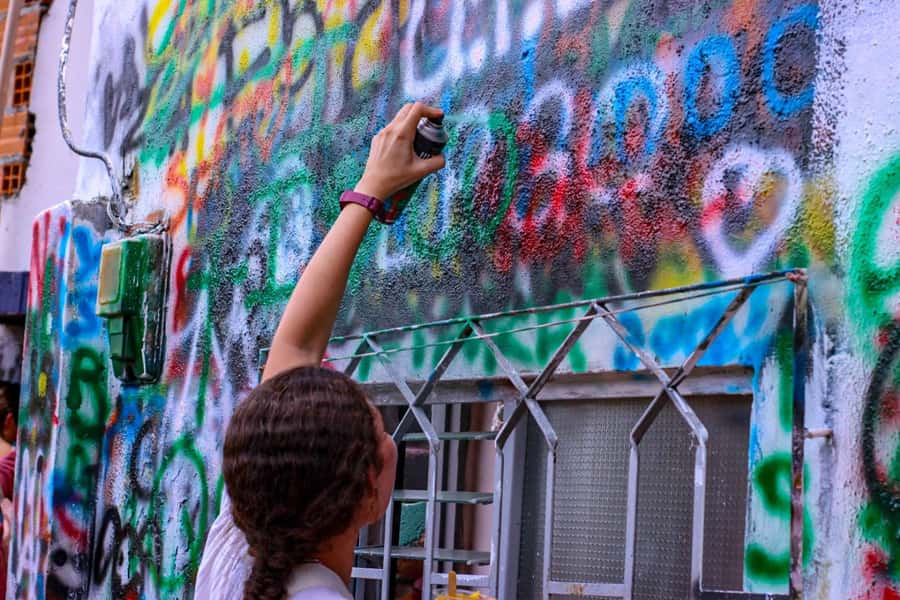
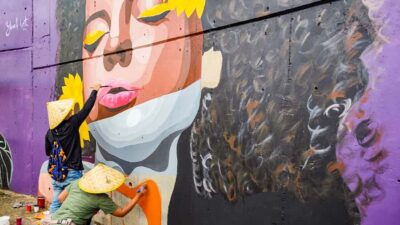
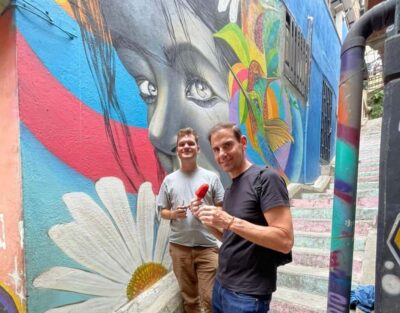
This is one of the most praised parts of the tour because it changes your role. Instead of watching street art happen, you get the chance to graffiti as an activity—something guided, something participatory, and something you’ll remember longer than another photo set.
Participants who mentioned the graffiti component described it as fun and memorable, with guides who made the experience feel personal and encouraging. One highlight that came through was that the experience is led with warmth, not performance pressure, so even if you don’t think you’re an “artist,” you still get to try.
You’ll also likely see how graffiti fits into the neighborhood’s public voice. When you create something yourself, you understand the energy behind the colors and the sense of ownership.
Dance show time: breakdance, freestyle, and optional contributions
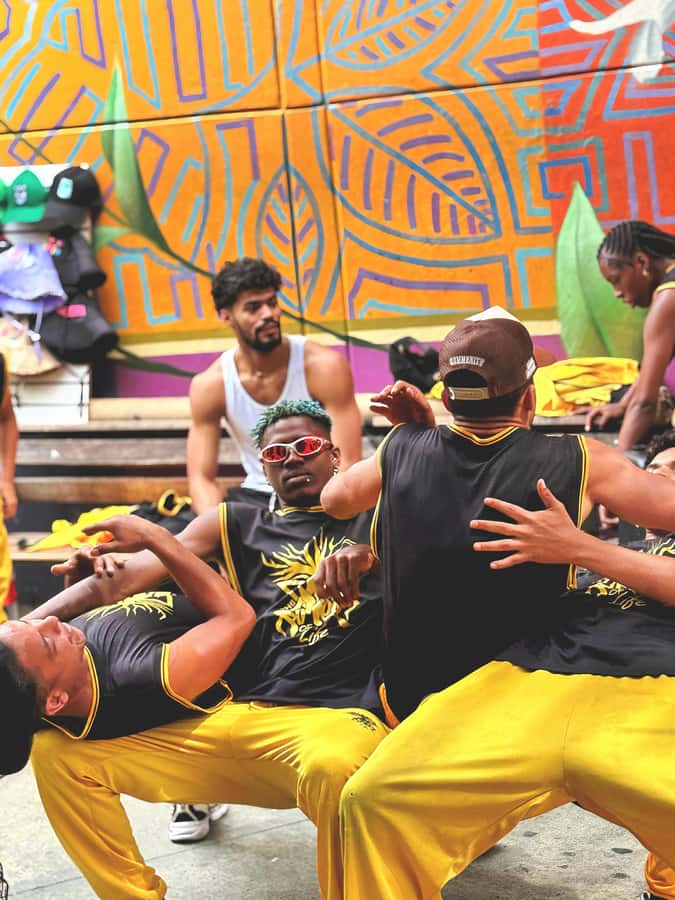
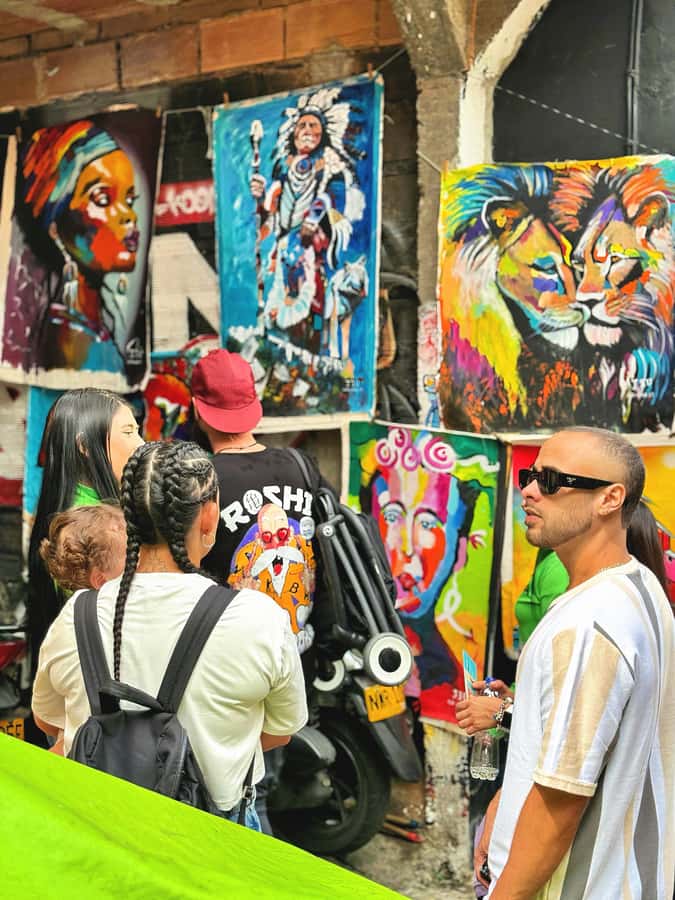
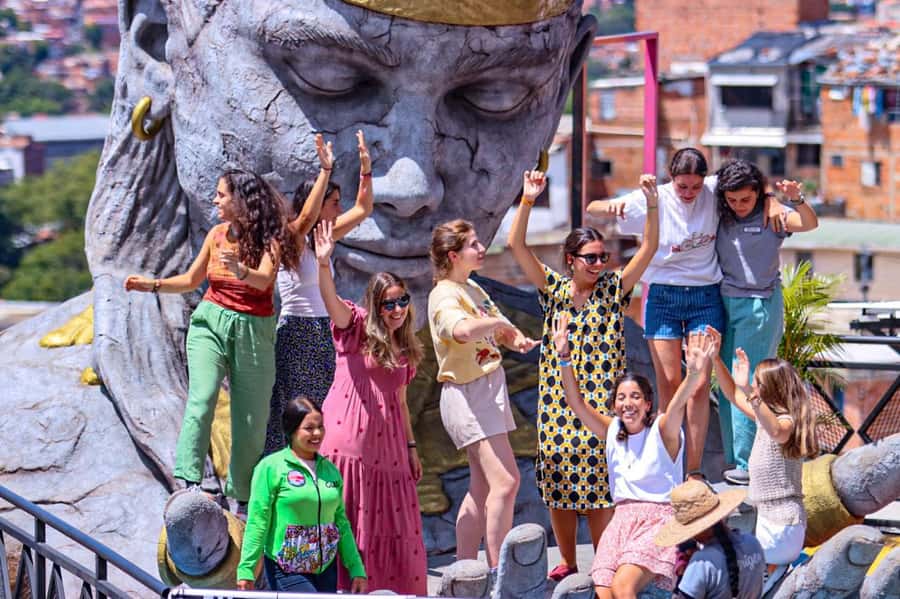
The tour includes artistic shows in Comuna 13, with styles like breakdance and freestyle, plus more. These performances are paired with a key instruction: donations are voluntary.
That matters for your mindset. If you’re worried about a “pressure” scene, you can plan for it like this: treat the contributions as appreciation, not payment. The tour data is clear that these contributions are voluntary. The practical move is to decide in advance what feels fair to you, then follow your own comfort level.
A common takeaway from experiences with Comuna 13 performers is that the shows are seen as real talent, not staged entertainment. The point here isn’t to judge the business model. It’s to give yourself room to watch with respect, because the energy of street performance depends on audience participation and openness.
The escalator project and viewpoint walks: where Medellín shows its teeth and heart
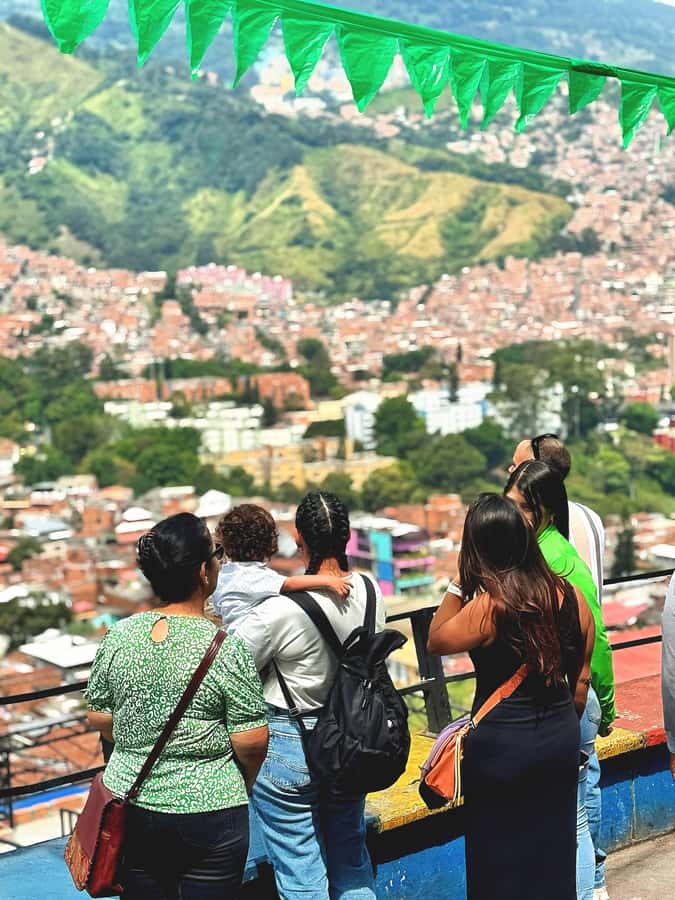
A major included stop is the escalator project. You’ll walk through the commune’s viewpoints, which is where the day’s emotional arc becomes visual. From these vantage points, Comuna 13 doesn’t read like a backdrop. It reads like a place people built, reclaimed, and reshaped.
Infrastructure here isn’t just infrastructure. It’s a signal: the neighborhood is connected, visible, and part of Medellín’s public story now. Seeing that shift firsthand is powerful—especially after learning why the area was once feared.
This section is also where the guide’s pacing matters. Viewpoints need pauses. You want a moment to look, listen, and take in the neighborhood without being rushed back onto the next stop.
Art galleries of local artists: supporting creativity in a practical way
Another included element is entry to art galleries of local artists. Some of these galleries run with voluntary contributions, meaning you’re not just a spectator. You’re stepping into local creative work that lives beyond the street.
If you like art travel that feels grounded—where you meet the art through the people who made it—this stop will click. It also balances the day. Graffiti gives you the street energy, and galleries give you the slower, reflective angle.
Just remember: this isn’t a silent, passive museum moment. The point is to connect you to the neighborhood’s creative ecosystem.
Price and value: $22 for 3 hours that actually fill the time
At $22 per person for about 3 hours, this tour looks like a budget-friendly way to experience Comuna 13 with real guidance. The value comes from what’s included, not just what you’re paying for.
You get:
- Guide accompaniment
- A graffiti experience
- Local snack time and typical ice cream
- Artistic shows (with voluntary contributions)
- The escalator project
- Viewpoint walks
- Entry to local art galleries
What’s not included is transportation and voluntary contributions tied to shows and galleries. That’s normal for this kind of cultural tour. The smart way to think about it is: you’re paying for structure, local context, and hands-on activities, while leaving personal spending decisions—like contributions and any transit you add—up to you.
If you compare this to doing Comuna 13 on your own with a patchwork plan, the guide becomes the real value. It’s not only about safety or navigation. It’s about understanding why the neighborhood changed and how the art connects to that story.
Who should book this Comuna 13 tour (and who might skip)
This tour fits best if you want:
- A guided walk with meaningful context in English or Spanish
- Hands-on street art through a graffiti experience
- Cultural stops beyond murals—performance time and local galleries
- A pace that includes breaks for snacks and ice cream
It might not be a fit if:
- You’re not comfortable with optional contributions at performances/galleries
- You’re expecting a purely photo-based loop with no activities
- You’re traveling in a way that can’t handle walking between several stops
The tour is also marked as wheelchair accessible, which is a big plus for many people who struggle to find inclusive neighborhood experiences. The one hard limit listed is not suitable for people over 95 years, so plan around that.
Should you book this Medellín Comuna 13 local guides, snacks, and graffiti tour?
If you want Comuna 13 with context and participation, I’d book it. The combination of history plus active making—through graffiti—turns it from “see murals” into “understand a community’s change.” Add the escalator project, viewpoints, and art gallery access, and you get a full picture without needing to plan multiple separate activities.
Book it especially if you like tours where the guide’s personal connection shows up in the way they explain the neighborhood. Past experiences highlighted guides like Ana, Paula, and Luisa for being attentive, prepared, and able to make the story feel real. That kind of guiding matters here, because Comuna 13 isn’t a generic city attraction. It’s a place with emotion built into the streets.
One last practical note: come with comfortable shoes and a clear head. If you respect the optional contribution part of the performances and galleries, you’ll get more out of the day and avoid the awkwardness that can happen when expectations don’t match local norms.
FAQ
How long is the Medellín Comuna 13 tour?
The tour lasts about 3 hours.
What does the tour cost?
It costs $22 per person.
Is the tour private?
Yes, the experience is described as a totally private tour.
What languages are available?
The live guide offers Spanish and English.
What is included in the price?
The tour includes guide accompaniment, a graffiti experience, typical ice cream, local snacks, artistic shows (with voluntary contributions), the escalator project, viewpoint walking, and entry to art galleries of local artists.
What is not included?
Transport is not included, and voluntary contributions for shows and art galleries are not included.
Where do I meet the group?
Meet at Cra. 108 #38-12.
If I arrive by metro at San Javier station, how do I get to the meeting point?
Take bus 225. Get off one block before the last stop, near the colored stairs.
What should I bring, and is it suitable for everyone?
Wear comfortable clothes. The tour is wheelchair accessible, but it is not suitable for people over 95 years.
More Comuna 13 Street Art and Graffiti Tours in Medellin

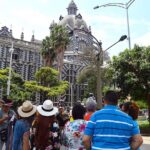
More Medellin Tours and Experiences to Read Next
Not quite your thing? Here is more to do around Medellin, freshly reviewed

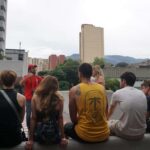
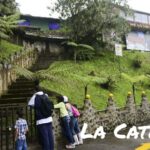
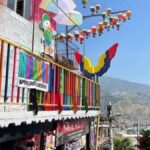

Comuna 13 Graffiti & Street Art Tours, compared.
 ★ 4.8Comuna 13 Graffiti Tour, Cable Car & Street FoodFrom $189,046 reviews
 ★ 4.9Comuna 13 True Story and Street Food TourFrom $141,779 reviews
 ★ 4.8Comuna 13 District Tour with Cable Car RideFrom $271,467 reviews
 ★ 4.9Private City Tour with Metrocable and Comuna 13From $76330 reviews
 ★ 4.9Comuna 13 Tour with Snacks And Your Own GraffitiFrom $11311 reviews
 ★ 4.5City Tour + Commune 13 MedellinFrom $37295 reviews
 ★ 4.9Comuna 13 and Graffiti Guided Tour with a LocalFrom $16239 reviews
 ★ 4.9Private Pablo Escobar and Comuna 13 TourFrom $81233 reviews
Browse the lists this tour appears in