
REVIEW · MEDELLIN CITY & BOTERO DOWNTOWN TOURS
Shared Medellín Downtown Tour with Wireless Audio
Medellín’s downtown tells hard truths. This shared walking tour puts you in the middle of the city’s story, from Botero Plaza art and Paisa industry culture to the complicated 1980s and 1990s past, then forward to the railroad-era symbols of progress.
I especially love how the tour connects street corners to real change over time, so you’re not just memorizing dates. I also like the wireless audio setup, which helps you catch the guide’s narration even around busy intersections like Junín Street.
The main thing to plan for is the pace: you’ll walk a long stretch (about 8 km in total), and downtown can be crowded enough to feel a bit intense in the moment.
In This Review
- Key things you’ll notice on this tour
- Botero Plaza: a smart starting point at Museo de Antioquia
- Wireless audio: clear stories on busy streets (and what to watch for)
- Paisa industry and culture: the foundation beneath the headlines
- The 80s and 90s chapter: history without taboos
- From Junín Street to the city’s turning points
- The railroad and La Alpujarra: symbols of Medellín’s development
- Park of Lights: an homage that matters
- How long and how far: 150 minutes, about 8 km on foot
- Price and value: $13 includes more than a walk
- What to know about downtown comfort and street reality
- Guides: what people love about the way stories are told
- Should you book this Medellín downtown history tour?
- FAQ
- Where is the meeting point for the tour?
- How long is the Medellín downtown tour?
- What languages is the tour offered in?
- Is the wireless audio system included, and is it good for busy streets?
- Are entrance tickets included for stops?
- How much walking should I expect?
- Is the tour suitable for children and rain?
- What should I bring to make the walk easier?
Key things you’ll notice on this tour
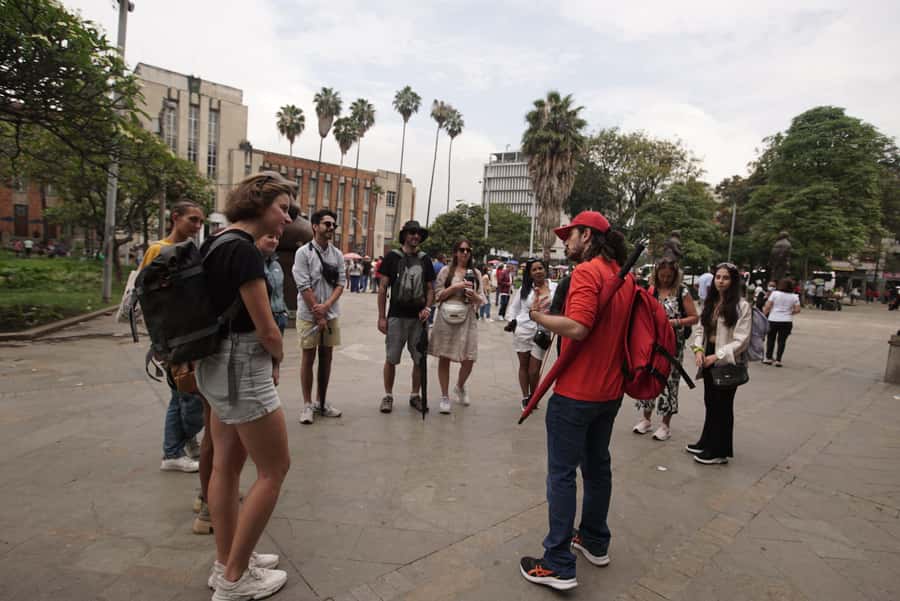
- Botero Plaza start right by Museo de Antioquia, so you get oriented fast
- Wireless audio receivers for clearer listening while you’re walking and photographing
- The 80s and 90s chapter explained without sugarcoating
- Railroad + La Alpujarra stops as symbols of Medellín’s development
- Park of Lights as an homage to the father of railroads in the city
- Local recommendations for lunch, coffee, souvenirs, and more
Botero Plaza: a smart starting point at Museo de Antioquia
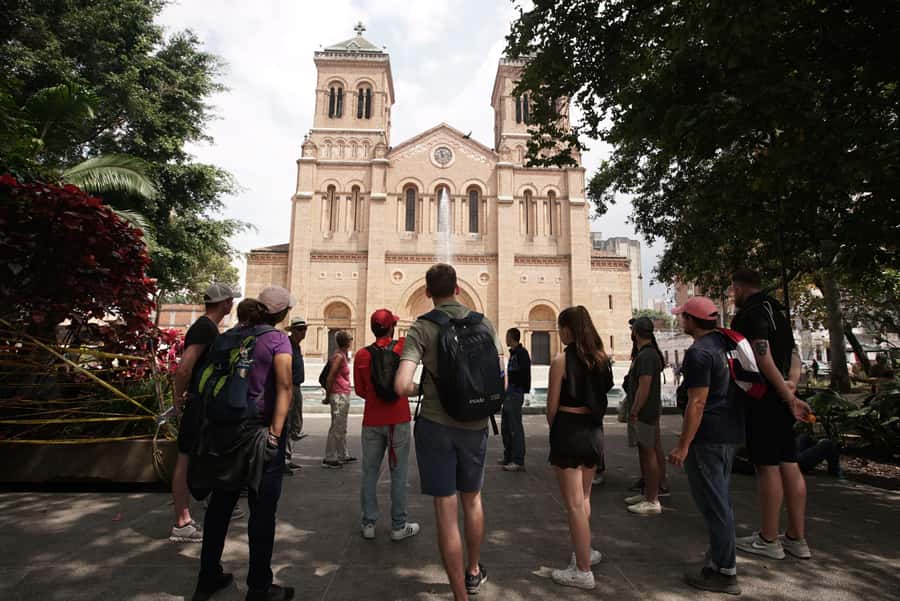
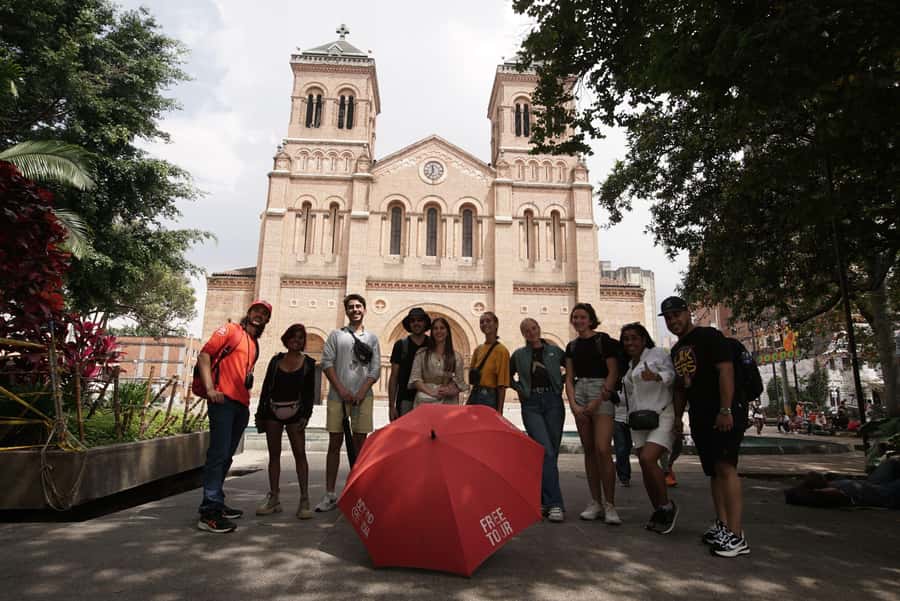
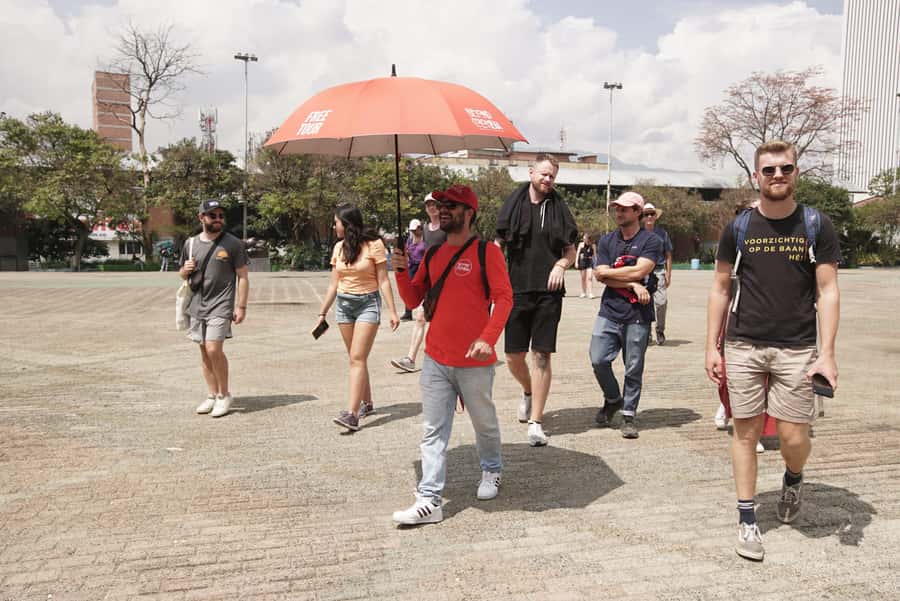
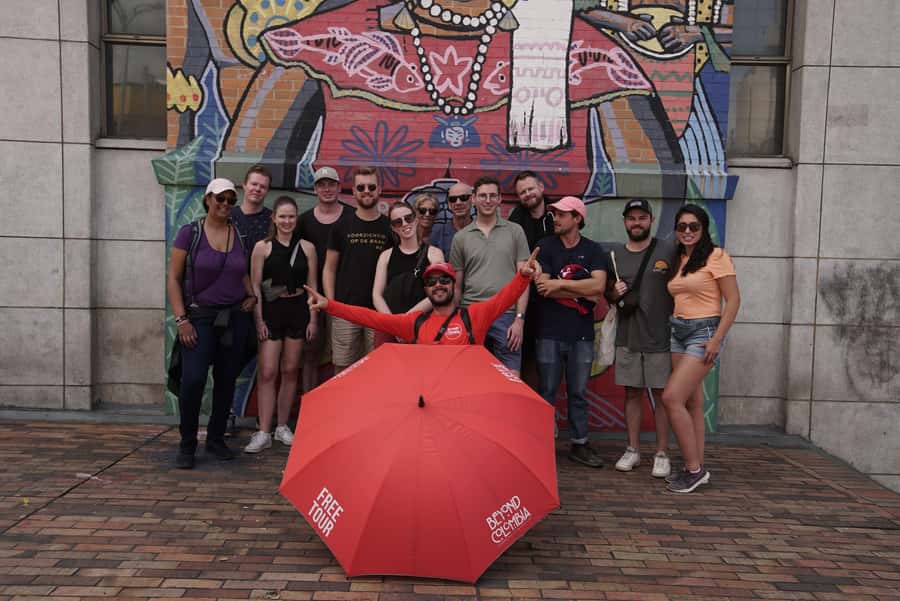
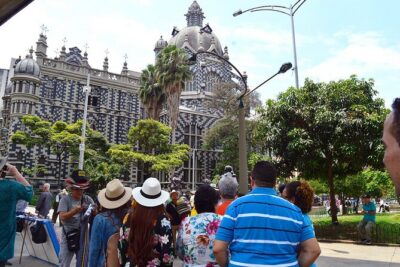
You meet right in front of Museo de Antioquia at Botero Plaza, with Beyond Colombia guides using red umbrellas. That’s a useful setup for first-timers because Botero’s public art area is an instant “this is the center of things” marker.
From the start, you’re meant to connect the city visually and historically. The tour includes a stop at Art in Botero’s Square, treated as a reference point for understanding Medellín’s identity. Even if you’re not a museum person, this is a good way to ground the rest of the walk.
You’ll also get that “local guide rhythm” quickly: short story, then move. It keeps the tour from turning into one long lecture.
See more downtown and Botero city tours across Medellin
Wireless audio: clear stories on busy streets (and what to watch for)
One of the practical upgrades here is the professional wireless audio system. On paper, it just sounds like comfort. In real life, it matters because downtown Medellín is not quiet. Clear sound means you can actually follow the timeline while you’re crossing streets, listening, and grabbing photos.
You’ll be free to take pictures without constantly asking people to repeat themselves. And because you have individual receivers, you’re not stuck trying to hear over the whole group.
Two important limits: the audio system isn’t suitable for children under 15, and it’s not waterproof. If it rains, you’ll have to pause while devices are collected and kept safe. I’d pack for weather anyway, since the tour says you should bring rainproof clothing or an umbrella.
Paisa industry and culture: the foundation beneath the headlines
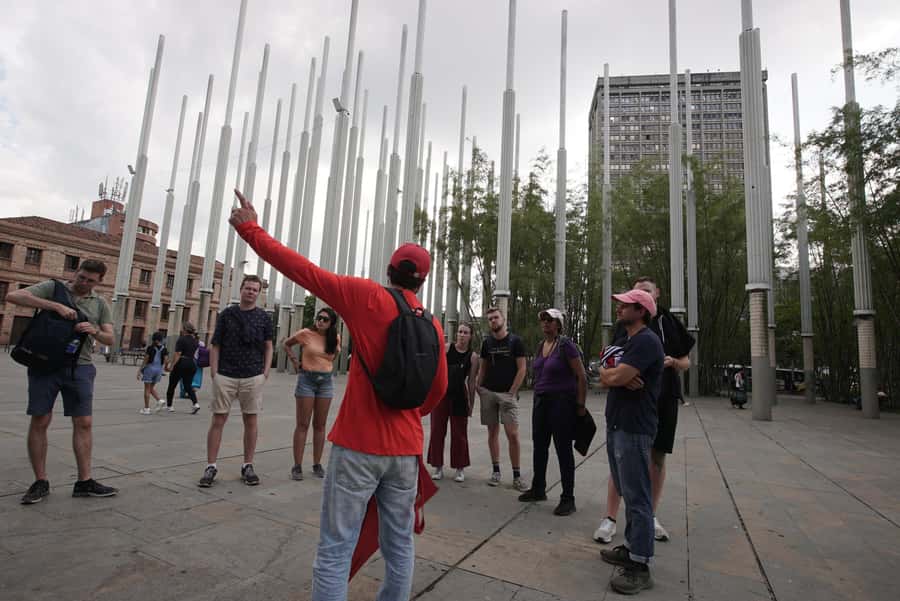
The tour’s backbone is the Paisa story: who the people are, what shaped their work culture, and why Medellín grew the way it did. The guide frames “Paisa industry and culture” as pillars you need to understand the city’s importance inside Colombia.
This is where I think the value kicks in. If you come expecting only dramatic criminal-history talk, you’ll miss half the point of Medellín’s identity. Here, the explanation ties social character to daily life—industry, community values, and how the city learned to invest in itself.
It also helps that the tour promises accurate and objective knowledge, not arguing politics on the street. That doesn’t mean the past gets ignored; it means the narration tries to stay grounded.
The 80s and 90s chapter: history without taboos
Medellín’s reputation is tangled with the 1980s and 1990s. This tour addresses that era directly, including the conflict connected to drug trafficking. But it’s not presented as a gossip session or a one-topic obsession.
What you’ll get instead is the bigger arc: how a dark period shaped the city, then how people worked toward turning the page. The tour emphasizes Medellín’s resilience and collective effort—social investment that (today) lets you walk, visit, and live in the city as more than just an image.
That said, this is a history-focused walk. If your goal is only light sightseeing, this may feel heavy at points. If your goal is understanding why certain neighborhoods and symbols look the way they do, this chapter is what makes the rest click.
From Junín Street to the city’s turning points
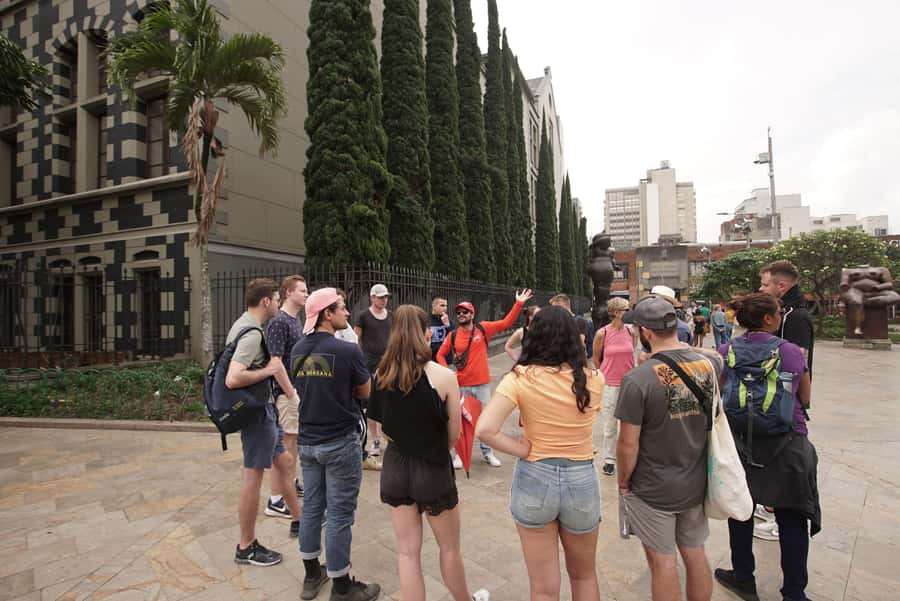
You move between passages and cross Junín Street, described as a way to discover the essence of downtown Medellín. I like this kind of route because the geography does the teaching. You’re not just seeing landmarks—you’re seeing how the city flows around them.
Downtown is also where you’ll notice the contrast between what’s being rebuilt and what’s still dealing with social pressure. One guide-led highlight is the way local stories often connect buildings and public spaces to real turning points, not just pretty scenery.
A small note on inside access: if a site is closed for a local event or holiday, you might not get inside certain places. I’d treat it as normal life in a working city, not a tour failure.


The railroad and La Alpujarra: symbols of Medellín’s development
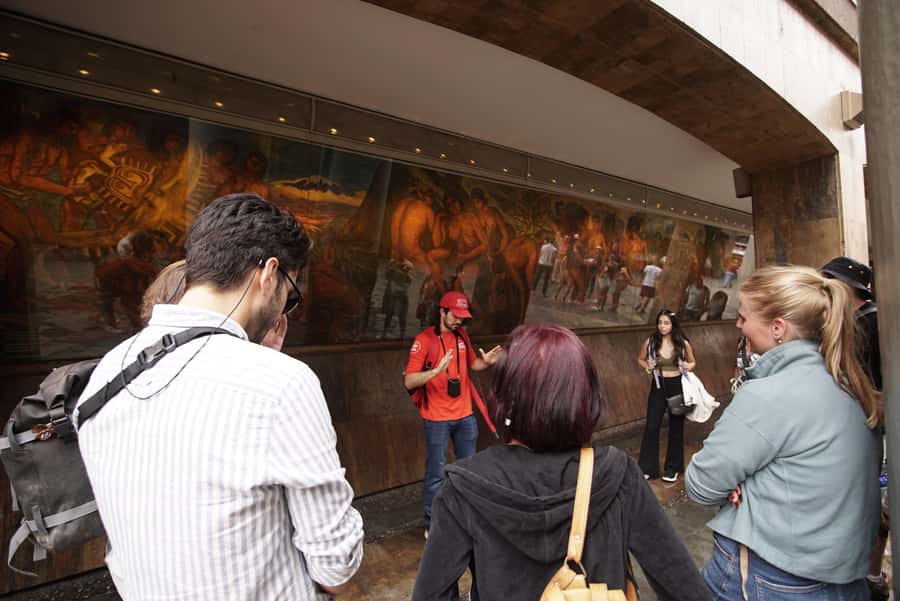
Two of the strongest thematic stops are the railroad and La Alpujarra—both presented as symbols of the city’s development. It’s not random history trivia. Railroads in Medellín are tied to how the city organized growth, movement, and opportunities.
When a guide points to these spots, you start seeing infrastructure as culture. It’s the kind of thing you’d miss if you were only snapping photos and moving on.
I also appreciate that the tour doesn’t treat development like a straight line. You get progress, but you also get context for why it took time, and why it came with struggles.
Park of Lights: an homage that matters
The walk includes Parque de las Luces (Park of Lights), described as an homage to the father of railroads in Medellín. This stop acts like a bridge between the earlier development story and the present-day identity of the city.
Even without going into every design detail, the idea is clear: the city remembers the people and systems that helped it modernize. That’s a useful lens when you’re walking around Medellín, because public spaces often carry messages—about values, founders, and what the city wants to be known for.
How long and how far: 150 minutes, about 8 km on foot
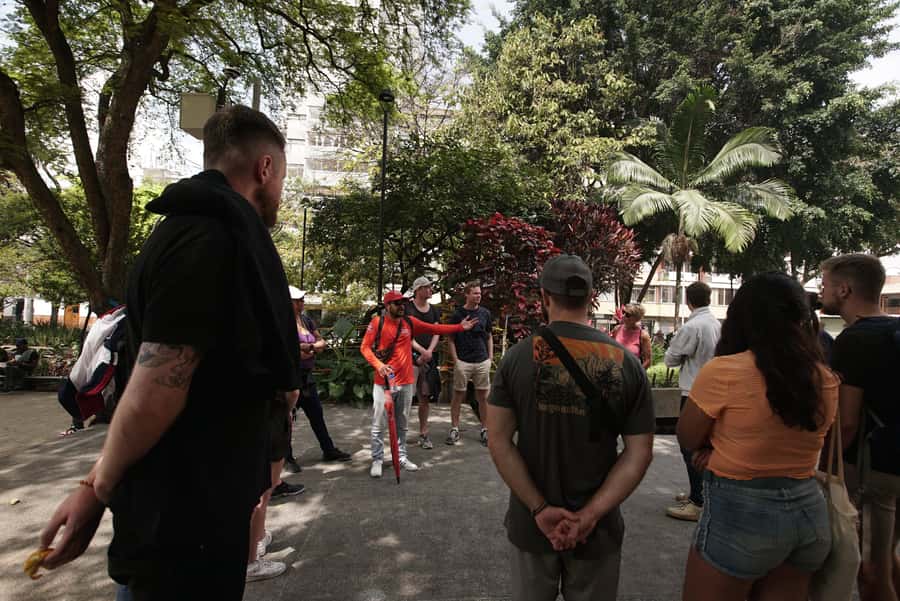
This is built as a 150-minute (about 3-hour) walking tour. The route includes walking “about 8 km,” with resting stops and moving between sections of downtown.
So yes, you’ll want comfortable shoes. If your feet aren’t happy, the history won’t land the way it should. You’re also encouraged to bring camera gear, plus water or your preferred hydration method, since it’s a long walk.
Weather prep is also not optional here. The tour specifically says to bring umbrella/capes and weather-appropriate clothing. And because the audio gear isn’t waterproof, rain can affect how the tour runs in real time.
If you’re sensitive to crowds, plan mentally for busy downtown streets. The tour includes rules that you keep belongings close, because you’ll be in crowded areas.
Price and value: $13 includes more than a walk
At $13 per person, this is priced like a budget-friendly introduction to Medellín’s center. The key is what you actually get for that cost.
Included:
- A live English or Spanish-speaking guide
- A guided look at essential historic-center places
- Recommendations for lunch, coffee, souvenirs, and more
- The wireless audio system for comfort and clarity
Not included:
- Food, drinks, souvenirs
- Transportation to and from your hotel
- Tickets or entrances (and the tour says it won’t take you to places with sudden extra charges)
The “shared tour” format matters. You’re not buying private-guide exclusivity. You’re buying a strong structure, clear listening tools, and the guide’s storytelling without extra museum-style fees. For a first visit, that tends to be good value.
What to know about downtown comfort and street reality
Downtown Medellín can be pushy in places. One review specifically calls out persistent begging and aggressive approaches in the inner city. That’s not a reason to skip the tour, but it is a reason to go with your eyes open.
Keep your belongings close, stay aware in crowded moments, and don’t get pulled into unplanned conversations. A history tour can still be a good experience even if parts of the street are annoying—just don’t romanticize it.
Also note: the tour is not suitable for people with mobility impairments. It’s a walking-focused route with about 8 km of total walking.
Guides: what people love about the way stories are told
The tour is run by Beyond Colombia, with a guide team that gets praised for combining history with local perspective. Names that come up again and again include Miguel, Deisy, Alejandro, Carolina, Santiago, and Manuel, plus guides like Sebastián and Daniel.
What stands out in the feedback is not one personality trait—it’s the practical skill of answering questions and keeping the pacing engaging. One common theme is that guides explain the historical significance of each stop and also help you orient yourself for what to do next in Medellín.
If your Spanish is limited, you’ll likely be okay. One guide is noted for checking in to make sure people understood while still keeping the flow of the walk.
Should you book this Medellín downtown history tour?
If you’re visiting Medellín for the first time, this is an excellent way to get the city’s context fast. I’d book it early in your trip if you want your later plans to make sense—why places developed where they did, and why the city’s modern identity is tied to choices made after difficult decades.
You should also book it if you like history that includes real social issues, not just postcard highlights. The 80s and 90s chapter, plus the railroad-era stops like La Alpujarra and Park of Lights, gives you a fuller picture than a simple sightseeing loop.
Skip it if you can’t handle about 8 km of walking, or if you’re traveling with kids under 15 due to the wireless audio system limits. And if rain is likely, bring real rain protection—because the audio equipment isn’t waterproof.
FAQ
Where is the meeting point for the tour?
You meet right in front of Museo de Antioquia at Botero Plaza, with the Beyond Colombia guides holding red umbrellas.
How long is the Medellín downtown tour?
The tour runs for about 150 minutes, around 3 hours.
What languages is the tour offered in?
The live tour guide speaks English or Spanish.
Is the wireless audio system included, and is it good for busy streets?
Yes. The tour includes a professional wireless audio system for enhanced comfort, designed to provide crisp sound even on busy streets.
Are entrance tickets included for stops?
No. Tickets or entrances are not included, and the tour says it won’t take you to places where sudden extra charges apply.
How much walking should I expect?
Plan for about 8 km of walking, with resting stops during the route.
Is the tour suitable for children and rain?
The wireless audio system is not suitable for children under 15, and it is not waterproof. If it starts to rain, the devices are collected and kept safe.
What should I bring to make the walk easier?
Bring comfortable shoes, weather-appropriate clothing, and water or your preferred hydration method, plus a camera if you want photos.
More Tours across Medellin and Antioquia
More Medellin City and Botero Downtown Tours

More Medellin Tours and Experiences to Read Next
Not quite your thing? Here is more to do around Medellin, freshly reviewed


Medellin City & Botero Downtown Tours, compared.
 ★ 4.9Private City Tour with Metrocable and Comuna 13From $76330 reviews
 ★ 4.5City Tour + Commune 13 MedellinFrom $37295 reviews
 ★ 5.0Comuna 4 Walking Tour MedellinFrom $35217 reviews
 ★ 4.4Medellín City Tour and Comuna 13 ExperienceFrom $41216 reviews
 ★ 4.8Full Day Guided City Highlights TourFrom $57204 reviews
 ★ 4.5City Tour Medellin with a Chiva or a thematic vanFrom $31155 reviews
 ★ 4.9Medellin Historic Walking TourFrom $1486 reviews
 ★ 5.0Private half day Medellin tour: meet Fernando Botero´s 23 statuesFrom $6584 reviews
Browse the lists this tour appears in