
REVIEW · COMUNA 13 GRAFFITI & STREET ART TOURS
Shared Tour to Comuna 13 & Aurora Cable Car in Medellin
A hillside neighborhood with a powerful story. On this 4-hour shared walk in Comuna 13, street art turns a tough past into clear lessons, and the Aurora cable car adds big views.
I like how the guides keep it objective, explaining gang violence and drug trafficking in the past while also pointing to community-led change. I also like the moment you reach the Escaleras Eléctricas, where the staircases and murals make the neighborhood’s story feel physical.
One possible drawback: this is hill walking with steep stairs. If you’re not into that, plan for extra time and rest.
In This Review
- Key points to know before you go
- Why Comuna 13 Changed Everything
- Starting in San Javier and Learning the Route by Walking
- Escaleras Eléctricas: Why This Staircase Matters
- Street Art You Can Actually Read (Not Just Shoot)
- Music, Hip-Hop, Dance, Crafts, and Food in the Mix
- Aurora Cable Car: Panoramic Views From the Right Kind of Perspective
- Price and Value for a 4-Hour Shared Tour
- Pace, shoes, and who should skip it
- Should you book Comuna 13 and Aurora Cable Car?
- FAQ
- How long is the Comuna 13 and Aurora Cable Car shared tour?
- What does the tour cost?
- Where does the tour start?
- Are the guide services available in English?
- What’s included in the price?
- Is it suitable for wheelchair users or pregnant women?
Key points to know before you go
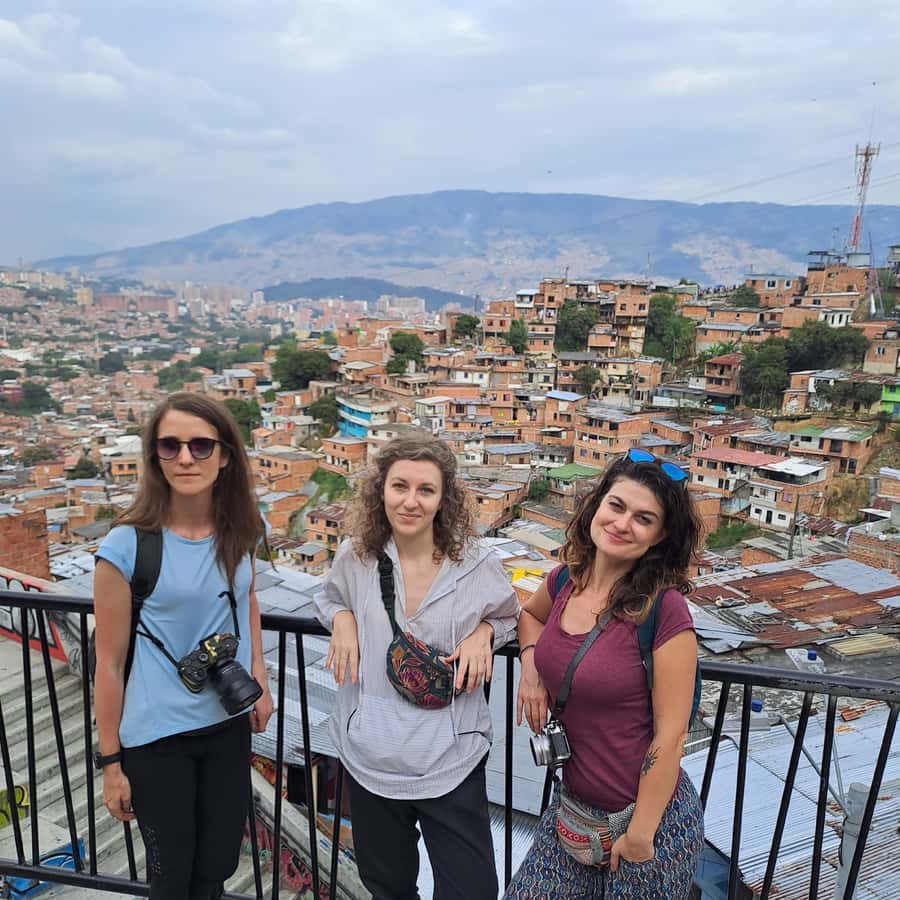
- San Javier start point keeps the tour grounded where the story lives, then the route works up through the neighborhood.
- Street art with context helps you read the murals instead of just taking photos.
- Escaleras Eléctricas is the iconic stop where art, design, and history all meet.
- Community initiatives show how change happens through culture, organizing, and daily life.
- Aurora cable car gives you a safer, scenic view back over Medellín.
Why Comuna 13 Changed Everything
Comuna 13 in Medellín is a neighborhood that refuses to be a simple postcard. It went through years of gang violence and drug trafficking, and those realities shaped the streets, the routines, and people’s sense of what was possible.
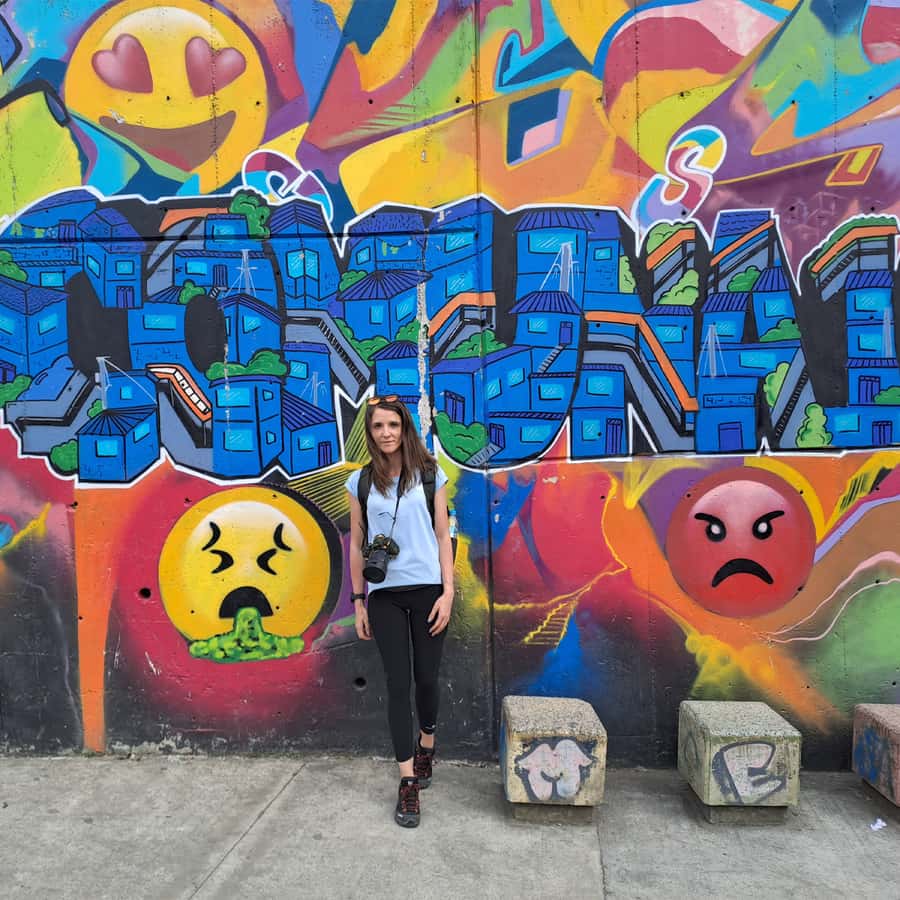
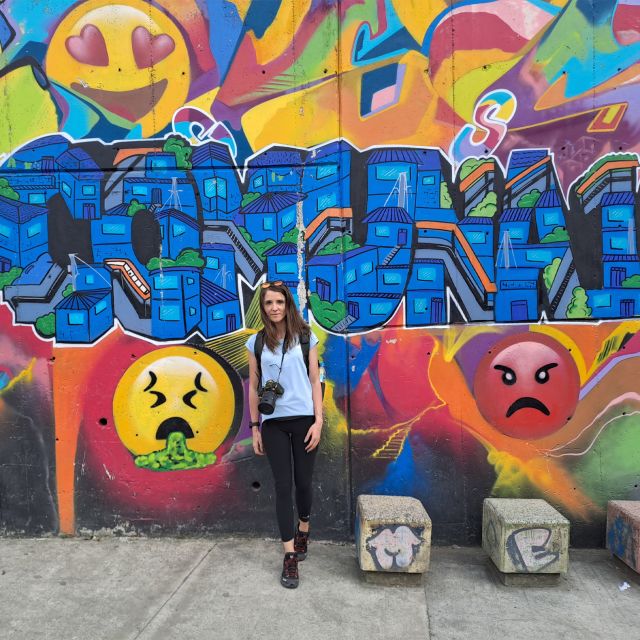
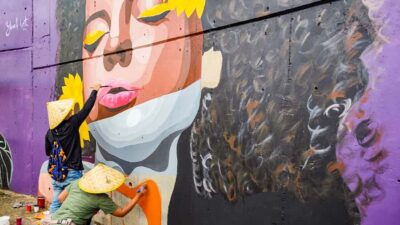
Today, you’ll see the transformation in a way that feels earned, not staged. Murals and graffiti cover surfaces almost everywhere, and the best part of a guided visit is that you learn what you’re looking at: the artwork often reflects struggles, survival, and later hope driven by locals.
If you want Medellín that’s more than a viewpoint, this is one of the most direct ways to understand the city. You’re not just passing through; you’re walking through the lessons people built on the hillside.
There is more Comuna 13 street art and graffiti to explore around Medellin

Starting in San Javier and Learning the Route by Walking
You begin around San Javier, then move through Comuna 13 on foot. This matters. The neighborhood is made of narrow alleys and steep staircases, so you can’t truly grasp it without doing some walking.
I like that the tour doesn’t try to rush you across it. You’ll get a steady pace, with resting stops along the way. That small detail is practical: on a hill, the difference between comfortable and miserable can be just one too-fast climb.
The guide also sets the tone early: the information is meant to be accurate and objective, with no sides taken. That approach helps a lot when the subject matter includes real violence. You’ll hear the stories clearly, and you’ll also hear what people did afterward to rebuild community life.
Expect a mix of emotions. It’s not just a photo walk. But it’s also not only heavy. The second half of the tour often shifts toward culture—music, dance, crafts, and everyday food—so you leave with more than one feeling.
Escaleras Eléctricas: Why This Staircase Matters
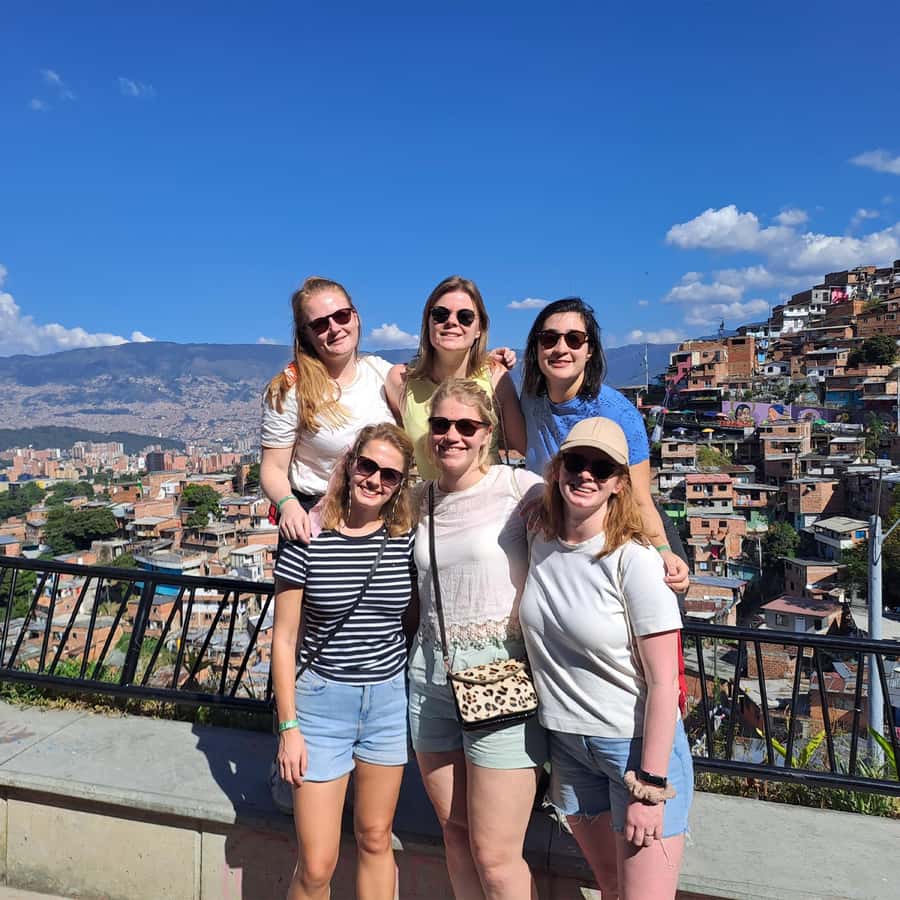
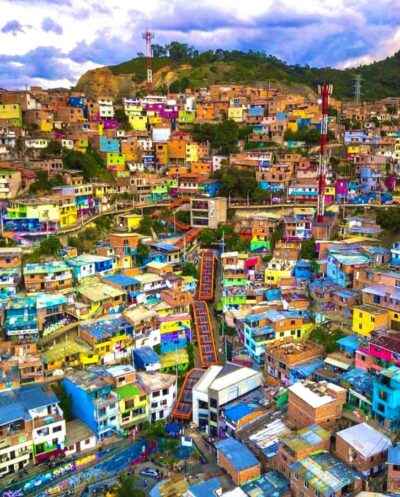
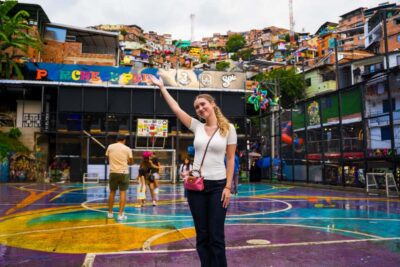
The headline stop is the Escaleras Eléctricas, the electrified staircases that have become the neighborhood’s most iconic landmark. Even if you’ve seen photos before, seeing them in person hits differently because you understand the geometry of the hill—how vertical a place like this really is.
Here’s what the staircases represent beyond the wow factor. They reflect investment in safer, faster movement for residents in an area where steep terrain makes daily travel a challenge. When you connect that to the neighborhood’s past, the contrast becomes powerful: what used to be a hard, risky environment becomes a place where people can move through public space with more confidence.
Now add the street art around the area. Murals and graffiti aren’t decoration here. They’re communication—some pieces tell stories, others honor people or ideas, and many show how residents processed what happened and what they wanted next.
You’ll also get the chance to learn how the art became part of the neighborhood’s identity. That’s the big difference between random pictures and understanding.
Street Art You Can Actually Read (Not Just Shoot)
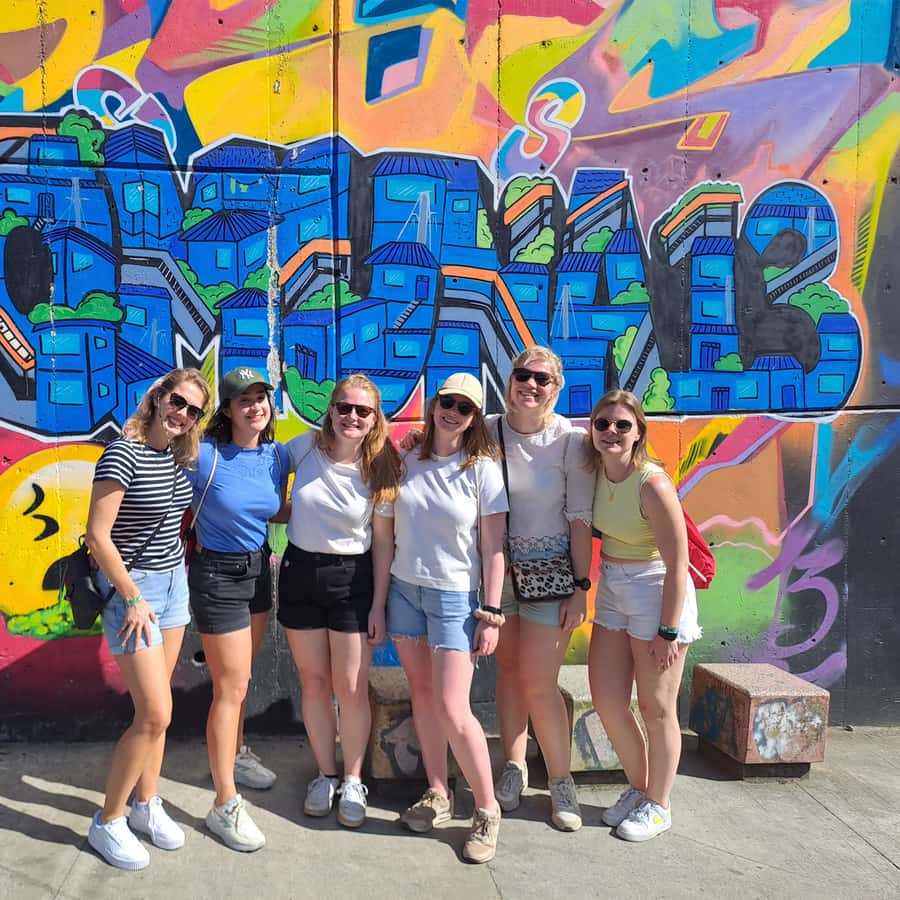
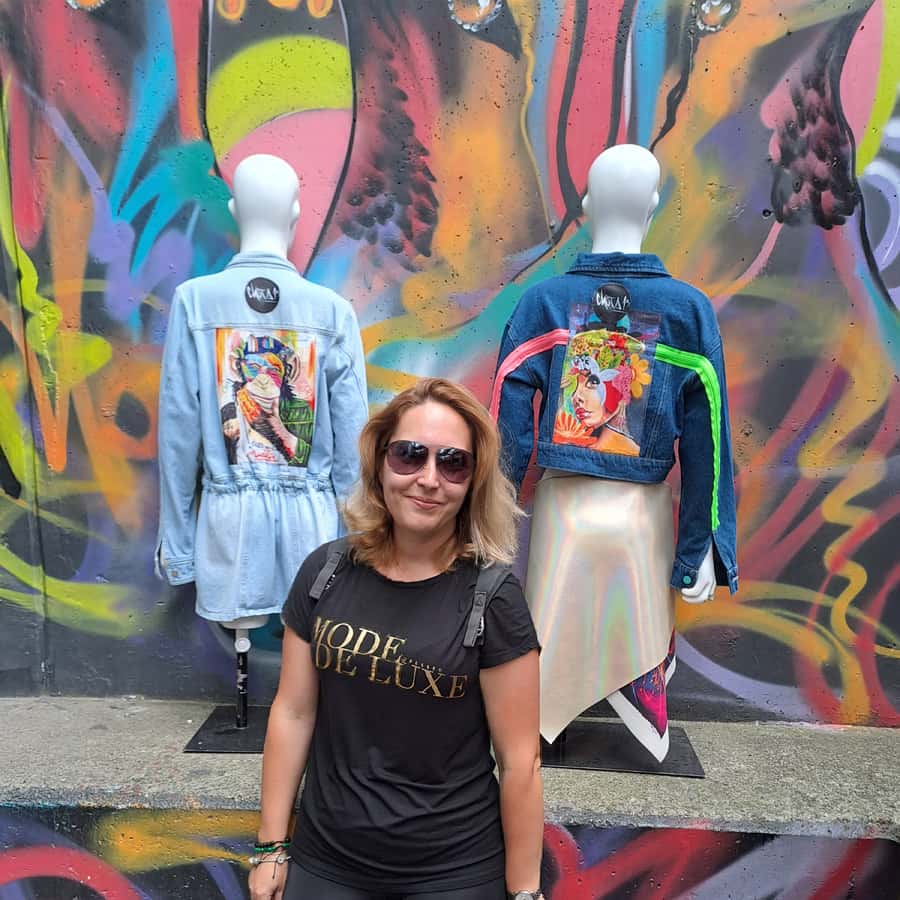
Comuna 13’s walls are crowded with artwork, but the best guides help you read it. The murals you’ll see are tied to local experience—resilience, community pride, and the realities that people lived through. Some pieces reference the tough past directly; others point to change, creativity, and collective momentum.
I love when a guide points out details you’d miss on your own. It might be the way a mural is placed where people gather, or how a set of paintings tells one story across multiple surfaces. It’s a reminder that urban art works like a local language.
And you’ll notice that street art here isn’t isolated. It blends into daily life: you pass by corners where conversation happens, you see how neighborhoods share space, and you watch how art sits alongside practical things like movement routes and small commerce.
If you care about design, you’ll enjoy the way art adapts to the hillside. If you care about history, you’ll enjoy the human scale—these aren’t museum pieces. They’re messages on living walls.
Guides can vary by departure, and names you might hear include Alejandro, Yolanda, and Daniel. In particular, some guides are known for clearly explaining Comuna 13’s history—like Yolanda did—while others are praised for offering lots of insight and making you feel connected to the community by the end—like Daniel. If you’re choosing your language, French-speaking runs have also been highlighted as a plus.
Music, Hip-Hop, Dance, Crafts, and Food in the Mix
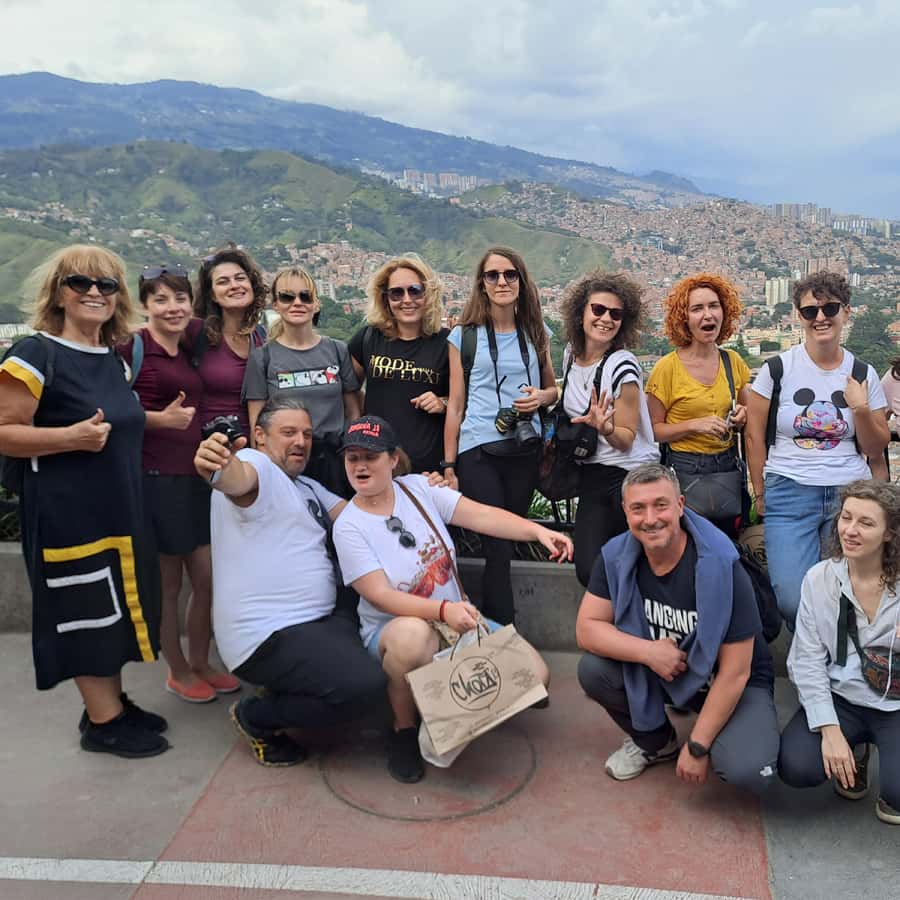
Comuna 13 isn’t only about murals and stairs. A strong part of this experience is the culture that grew from the neighborhood’s creativity—music, hip-hop, dance, and local crafts. You’ll also get a snack during the tour, which helps turn it from sightseeing into a more complete, human visit.
This is one reason I think the tour works well for people who worry they’ll be “overwhelmed” by the topic. Yes, you’ll confront the past. But you’ll also see how cultural expression helped people cope and how that expression keeps evolving.
The food element matters too. When a tour includes a local snack, it adds a real pause to recharge your energy on the climb. It also keeps the visit grounded: you’re not just hearing stories, you’re experiencing parts of day-to-day life.
If you’re coming to Medellín expecting nightclubs and big museums only, this gives you another angle. Comuna 13 shows how art and music can be both identity and engine for change.

Aurora Cable Car: Panoramic Views From the Right Kind of Perspective
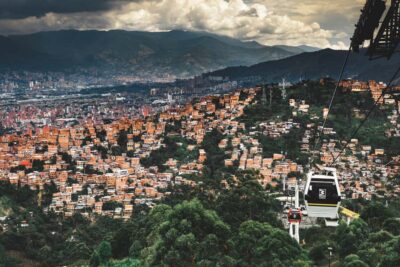
The tour finishes (or starts) with the Aurora cable car ride. This cable car system was built to provide safe, efficient transportation for residents, and that’s the key detail people sometimes miss.
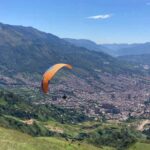
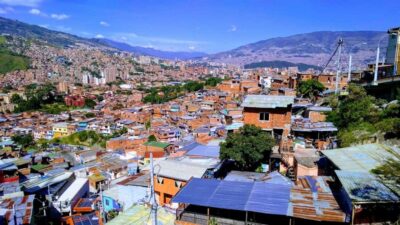
Yes, the views are stunning. As you rise above rooftops, you’ll get panoramic sightlines across Medellín and the surrounding hills. But the ride isn’t only about sightseeing. It’s also about understanding how the city improved movement for the people who live on these slopes.
That changes the feeling of the ride. You’re not just looking down like a tourist in a gondola. You’re seeing the neighborhood from a different angle—one that connects geography, infrastructure, and daily life.
If you tend to get tired on stairs, this portion is a smart payoff. You’ll still have wind and changing light up in the air, so bring water and keep your phone ready, but it’s also a chance to breathe and reset.
Price and Value for a 4-Hour Shared Tour
At $48 per person for about 4 hours, this isn’t a budget mystery. You’re paying for a licensed-style guide experience plus the cable car entrance plus a snack.
Here’s where the value shows up:
- You get English-speaking guidance (and guides also operate in French and Spanish), which matters because Comuna 13 is full of meaning you’d miss without interpretation.
- The route uses walking and rest stops instead of transferring you by vehicle, which helps you experience the steep geography the way residents do.
- You’re included in a shared group, which usually keeps the cost down while still giving you a live guide.
What’s not included also helps you plan smart. You won’t get hotel pickup or drop-off; the tour focuses on walking around San Javier and the neighborhood route. Drinks beyond the snack aren’t included either, so if you like sipping constantly while walking, pack extra water.
Also, the tour says it won’t take you to places where sudden extra charges apply. That’s a real quality-of-life thing, especially on a short 4-hour outing.
Pace, shoes, and who should skip it
This tour is ideal if you like walking tours where you learn as you move. It’s also a good choice if you want a structured introduction to Comuna 13’s transformation—past trauma and later community-driven cultural change—without having to research on your own.
But I’d think twice if any of these apply:
- You’re not comfortable with steep staircases and uneven hillside walking.
- You’re someone who needs wheelchair access, since it’s not suitable for wheelchair users.
- You’re pregnant, since it’s listed as not suitable for pregnant women.
Even if you’re fit, don’t underestimate the hill. Wear comfortable shoes and comfortable clothes. Bring sunscreen and drinks. On a bright day, the climbs and sun exposure can sneak up on you.
Small group runs are available, which usually means less time waiting around and more chance to ask questions. If you’re going with friends, you may find that the shared setting makes the stories connect faster, because people compare what they’re seeing in real time.
Should you book Comuna 13 and Aurora Cable Car?
Yes, I think you should book it if you want Medellín with context. This is one of those tours where the street art isn’t just decoration—it’s evidence of how a community processed history and rebuilt identity.
I’d skip it only if your top priority is easy, flat walking with minimal effort. The stairs are part of the point here. And if you need fully accessible routes, you’ll want to look for an alternative that matches your mobility needs.
If you do book, pick your language carefully and use it. When the guide can explain in French, Spanish, or English, you get more out of the murals, the historical background, and the reasons behind the cable car experience.
FAQ
How long is the Comuna 13 and Aurora Cable Car shared tour?
The tour lasts about 4 hours.
What does the tour cost?
It costs $48 per person.
Where does the tour start?
The starting location is San Javier.
Are the guide services available in English?
Yes. The tour includes an English-speaking guide, and guides are also available in French and Spanish.
What’s included in the price?
Included are the tour guide (English-speaking, with French/Spanish availability), an Aurora cable car ticket entrance, and a refreshing local snack.
Is it suitable for wheelchair users or pregnant women?
No. The tour is not suitable for wheelchair users or for pregnant women.
More Tours across Medellin and Antioquia
More Comuna 13 Street Art and Graffiti Tours in Medellin

More Medellin Tours and Experiences to Read Next
Not quite your thing? Here is more to do around Medellin, freshly reviewed




Comuna 13 Graffiti & Street Art Tours, compared.
 ★ 4.8Comuna 13 Graffiti Tour, Cable Car & Street FoodFrom $189,046 reviews
 ★ 4.9Comuna 13 True Story and Street Food TourFrom $141,779 reviews
 ★ 4.8Comuna 13 District Tour with Cable Car RideFrom $271,467 reviews
 ★ 4.9Private City Tour with Metrocable and Comuna 13From $76330 reviews
 ★ 4.9Comuna 13 Tour with Snacks And Your Own GraffitiFrom $11311 reviews
 ★ 4.5City Tour + Commune 13 MedellinFrom $37295 reviews
 ★ 4.9Comuna 13 and Graffiti Guided Tour with a LocalFrom $16239 reviews
 ★ 4.9Private Pablo Escobar and Comuna 13 TourFrom $81233 reviews
Browse the lists this tour appears in