
REVIEW · COFFEE FARM & CHOCOLATE TASTINGS
Medellin: The Best Coffee Tasting Experience
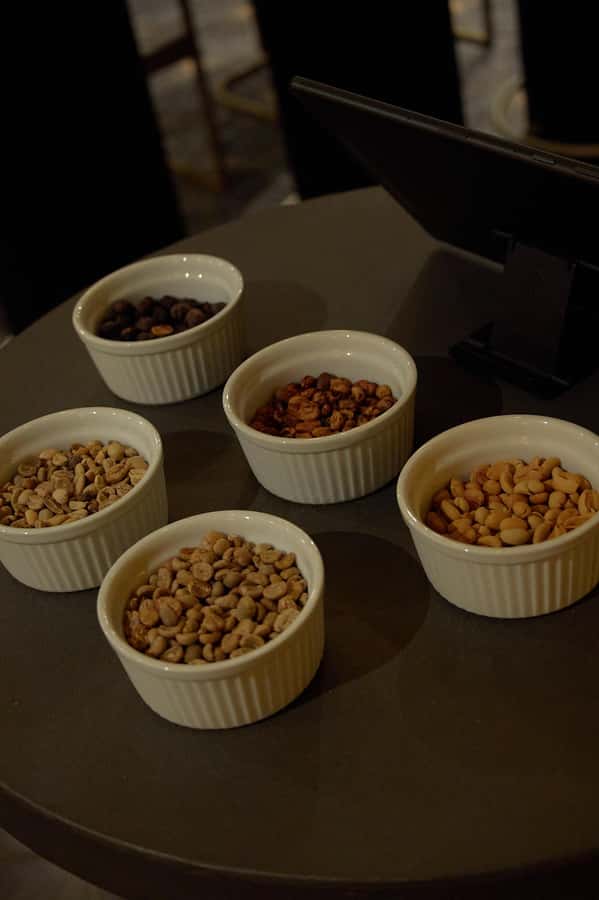
Coffee gets personal fast. At this 90-minute Medellín tasting, you learn from Javier, and the goal is simple: figure out what makes a cup taste great and why some cups don’t. I like the interactive setup where you rate coffees yourself, and I love how the session uses a sensory protocol so it’s not just opinions in a circle.
You’ll also appreciate the private, warm space that helps you focus, rather than doing a rushed walk-through in a loud room. One possible catch to plan for: your exact start time is coordinated based on space and other reservations, so punctuality matters.
In This Review
- Key Points I’d Prioritize
- Why This 90-Minute Medellín Tasting Fits Real Life
- Meeting at Marquee Hotel in Parque Lleras
- The Welcome Drink: More Than a Nice Extra
- How the Sensory Protocol Changes the Way You Taste
- Production Standards 101: What Makes Colombian Coffee More Consistent
- Extraction Basics: Connecting Flavor to Brewing
- Fragrance, Aroma, Body, Aftertaste: The Four Lenses
- Low vs High Quality Coffee: How to Spot the Difference
- The Short Brewing Class and Coffee Recommendations
- Price and Value: Is $50 Worth It?
- Who This Tour Is Perfect For (and Who It Isn’t)
- Practical Tips Before You Go
- Should You Book This Medellín Coffee Tasting?
- FAQ
- Where is the meeting point for the Medellín coffee tasting?
- How long is the experience?
- How much does it cost?
- Is the instructor available in English?
- What is the group size limit?
- Is the experience wheelchair accessible?
- What’s included in the price?
- What should I bring?
- Is alcohol allowed during the experience?
- Who is it not suitable for?
Key Points I’d Prioritize
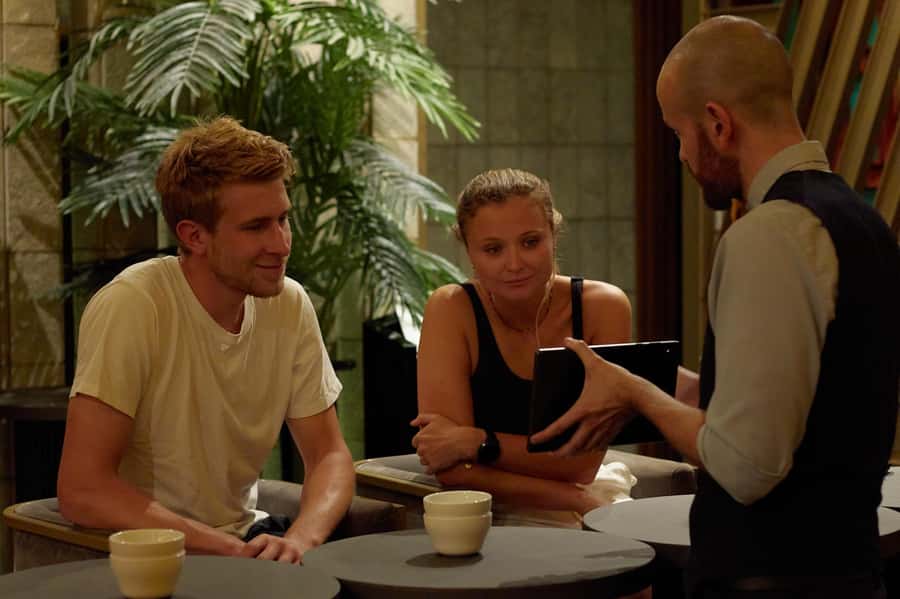
- Javier’s myth-busting coffee teaching: expect practical explanations tied to what you actually taste.
- A real sensory scoring method: you’ll rate multiple coffees using a professional protocol, not vibes alone.
- Extraction basics with Colombian samples: you’ll connect flavor to how coffee is pulled.
- Training your nose for fragrance and aroma: you learn what each smell stage is telling you.
- From tasting to brewing: you finish with a short class plus recommendations you can use right away.
- Max 10 people, English instruction: enough attention to talk, small enough to stay in sync.
Why This 90-Minute Medellín Tasting Fits Real Life
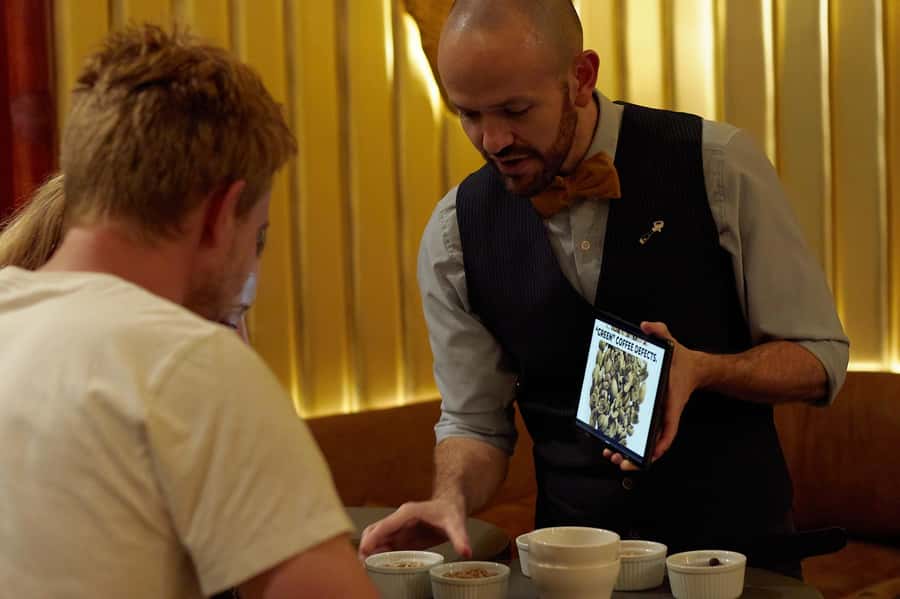
If you like coffee, you probably have opinions already. This experience is built to turn those opinions into something useful. In just 90 minutes, you move from tasting to explaining what you tasted, using clear categories that help you buy and brew smarter later.
I like that the experience doesn’t assume you’re an expert. You start with a short introduction to high-quality production standards and processes, then you jump into structured tasting. That matters because it keeps things grounded: your palate learns the vocabulary, and the instructor ties that vocabulary back to how coffee is produced and prepared.
The setting also helps you learn. A private, warm space means you can focus on the cup, not the noise around you. And since it’s limited to 10 participants, you get more of the back-and-forth that makes learning stick.
More coffee fincas and chocolate tastings to sip your way through near Medellin
Meeting at Marquee Hotel in Parque Lleras
Your meeting point is the Marquee Hotel, in Parque Lleras. That’s a big plus for most visitors because it’s easy to find and it keeps the experience from feeling like a detour.
Marquee also gives you something practical: access to the restaurant and rooftop bars. So if your timing leaves you with a little extra time before or after, you can unwind without immediately changing neighborhoods. Just keep in mind the tasting itself is the priority, and the start time is set by the host based on space and other reservations.
What to do right away: arrive early. Not for show, but because the session depends on everyone getting seated and started together. If you show up late, you don’t just inconvenience yourself—you cut into your own tasting time.
The Welcome Drink: More Than a Nice Extra
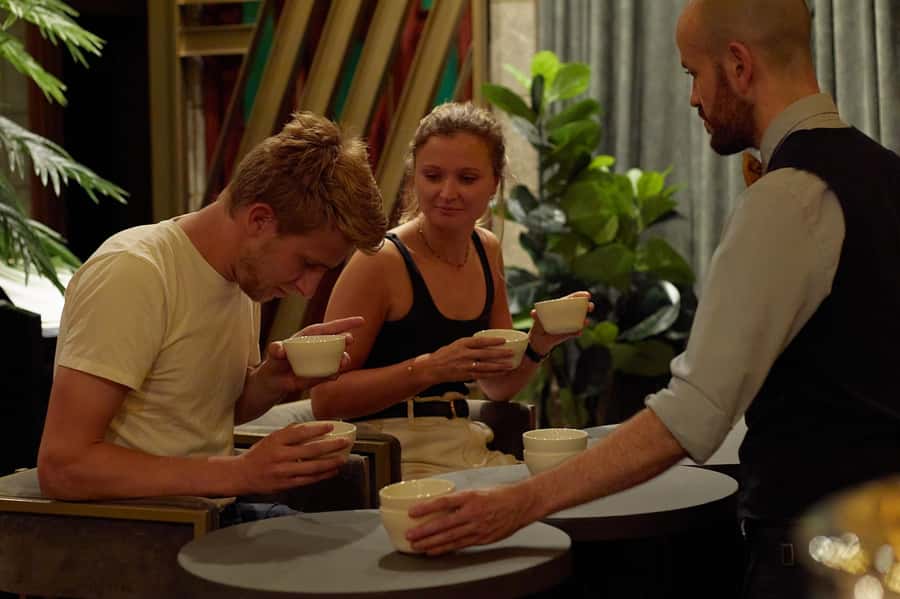
You get a free coffee-based welcome drink. This isn’t just a perk to make you feel good at the start. It gives your senses a baseline so you’re not walking in cold.
If you’re the type who orders coffee at home or in cafés without thinking much about why it tastes the way it does, this is a smart first step. You’re basically calibrating your expectations before the guided scoring begins.
Also, because the activity does not allow alcohol and drugs, the tasting stays clean and focused. Translation: the session is designed for attention, not partying. That’s a feature if you actually want to learn what’s in the cup.
How the Sensory Protocol Changes the Way You Taste
Here’s where the experience earns its reputation: you taste several coffees and rate them using a professional sensory protocol. That’s the difference between “this one is tasty” and “this one has strong aroma, heavier body, and a longer aftertaste.”
You’ll be guided through what to look for during tasting. And instead of you trying to remember everything mentally, the protocol gives you a structure. It turns a messy sensory impression into something you can repeat.
I find that approach especially valuable if you’ve ever struggled to describe your coffee preferences. Maybe you know you like something “smooth,” or you think you hate “bitterness,” but you can’t tell if that’s about roast level, extraction, or something else. A scoring system helps separate those things.
And because the group is small, you can compare your observations with the instructor and others without getting lost in a crowd.
Production Standards 101: What Makes Colombian Coffee More Consistent
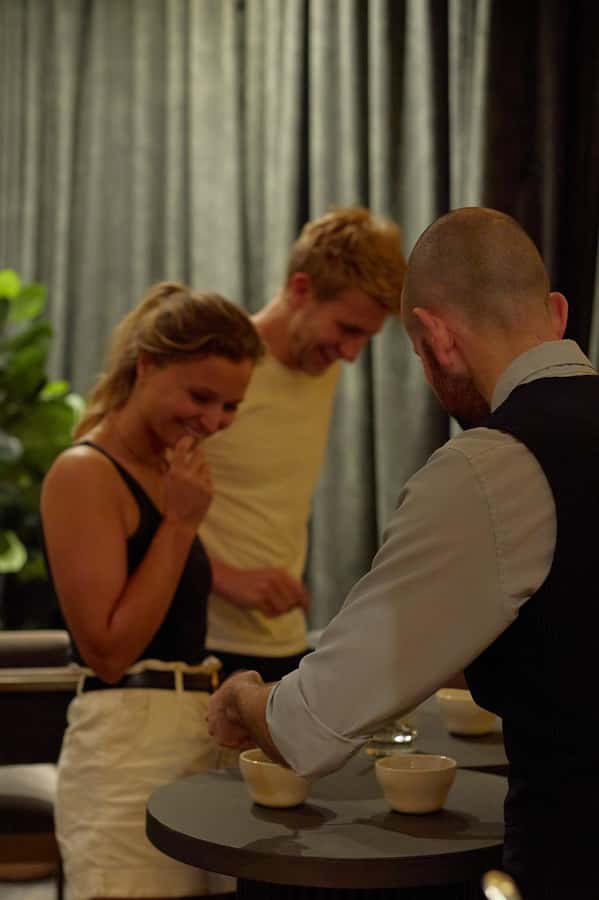
Before the heavy tasting, you get a short introduction to high-quality coffee production standards and processes. The purpose isn’t to recite technical trivia. It’s to give you context so you can connect the cup to the chain behind it.
This is where you’ll get a better sense of how quality is shaped before the coffee reaches a café. You learn that good coffee isn’t only about the final roast date or the brand on the bag. It’s also about how the coffee is handled and prepared through earlier stages.
From there, your tasting becomes more meaningful. You stop treating every cup as a mystery and start treating it as evidence. Even if you don’t remember every process step, you’ll remember the flavors—and now you’ll have a way to explain why they happened.
More food and drink to savour around Medellin





Extraction Basics: Connecting Flavor to Brewing
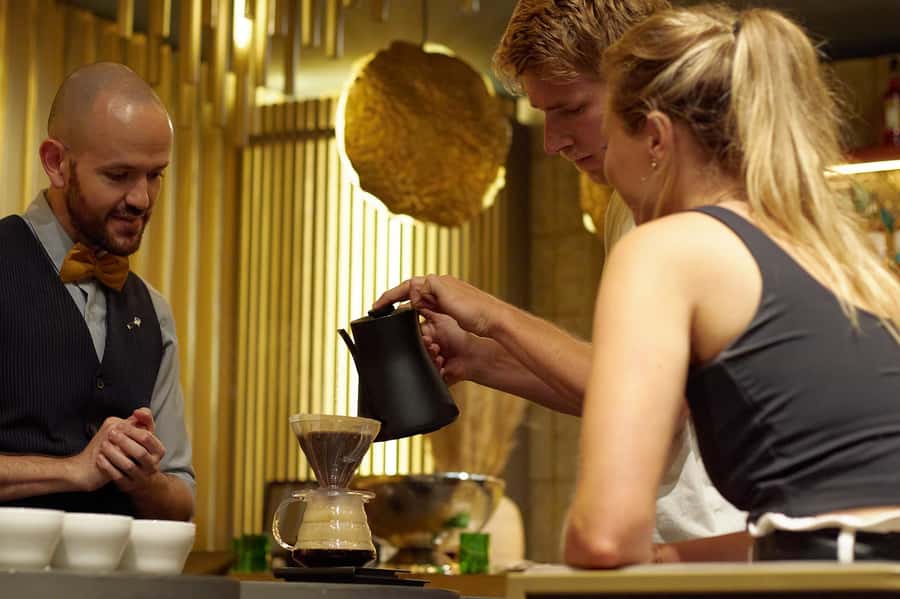
Next comes one of the most practical parts: you discern the basics of coffee extraction. The session uses some of the best Colombian samples, so you’re not just tasting random cups—you’re working with quality coffee as your reference point.
Extraction is the hidden variable in most home brewing problems. If your coffee tastes sour or thin, it’s often not “your palate.” It’s the balance of what got pulled from the grounds. If it tastes harsh or overly bitter, the story can be different, but the root idea stays the same: extraction affects flavor.
During this part of the experience, you learn the fundamentals that explain why different cups taste the way they do. You’re not expected to perform a lab experiment. You’re learning the language and the logic that help you troubleshoot your next brew.
When you understand extraction basics, you can stop blaming your grinder, your water, your machine, or your beans without a plan. You start adjusting with purpose.
Fragrance, Aroma, Body, Aftertaste: The Four Lenses
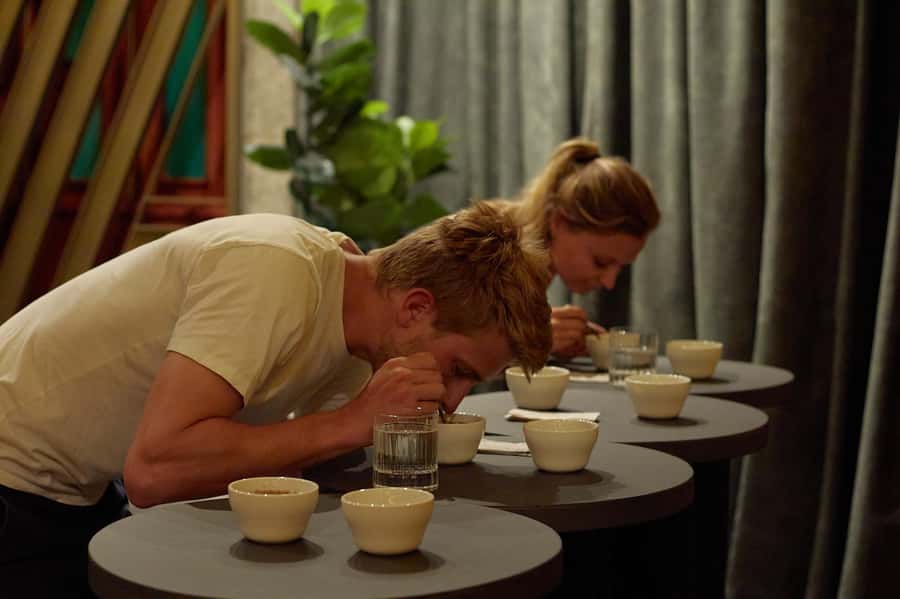
This tasting doesn’t treat smell and taste as one big blur. You’ll learn concepts like fragrance, aroma, body, and aftertaste—plus how they help you enjoy coffee’s real flavor.
Think of it like this: fragrance and aroma tell you what’s happening before and during the first sip. Body is how the coffee feels in your mouth—light, medium, heavy. Aftertaste is what lingers and what it reminds you of afterward.
You’ll also notice how these categories relate to what people usually call “good” coffee. “Good” often means more than one thing at once: a pleasant aroma, a balanced body, and an aftertaste that doesn’t fall apart.
This is also why the experience works for different types of coffee drinkers. If you already know you like bold roasts, you can focus on body and aftertaste. If you prefer lighter, brighter cups, you can pay more attention to aroma and how the flavor changes as the coffee cools.
Low vs High Quality Coffee: How to Spot the Difference
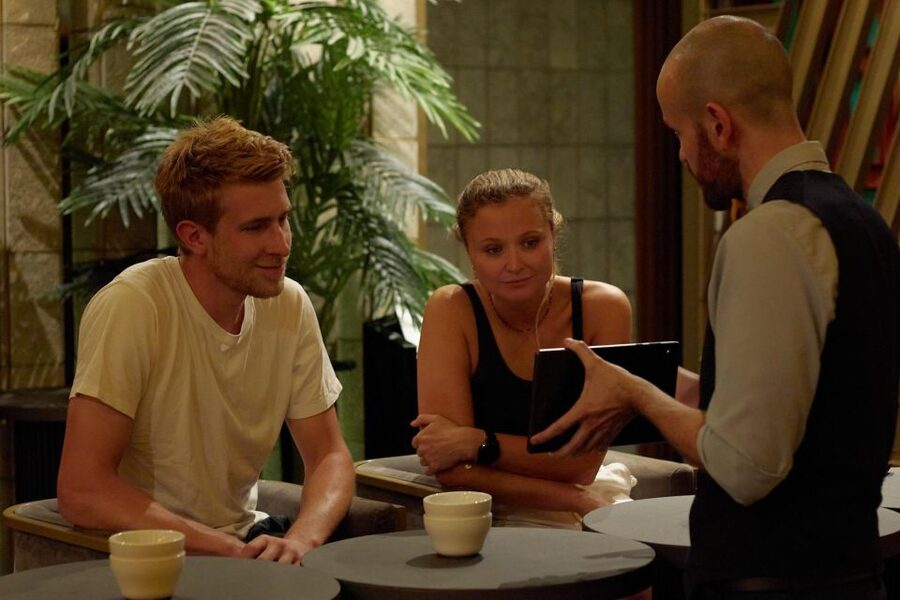
You’ll appreciate the difference between low and high quality coffee. That’s not just about being fancy—it’s about learning what quality actually tastes like.
Higher quality coffee tends to be more consistent across those sensory categories you’re practicing. It often has clearer aroma, a more even body, and an aftertaste that feels intentional rather than just “burnt” or “random.”
Low-quality coffee can still be drinkable, but it usually makes it harder for you to enjoy the cup for its real character. It may taste harsh, flat, or overly stressed. The point of this section is to help you recognize those patterns so you can choose better in the future.
Even if you’re not a coffee nerd, this is useful. It helps you spend your money on cups you’ll want to finish.
The Short Brewing Class and Coffee Recommendations
The experience ends with a short coffee-brewing class and coffee consumption recommendations. This is the part that turns the session from a fun lesson into something you’ll actually use.
The brewing class is short, so it’s not meant to overwhelm you with gear and formulas. Instead, it gives you a practical direction: what to try at home (or what to ask for in a café) so you can chase the flavor profile you enjoyed in the tasting.
You also get recommendations of the best coffee shops in town and other coffee activities around. That’s helpful because it keeps your Medellín coffee journey connected. Once you’ve learned the basics, you’ll be more alert to what you’re tasting at other cafés.
Price and Value: Is $50 Worth It?
At $50 per person for 90 minutes, this tasting isn’t the cheapest way to spend an hour and a half. But it’s also not overpriced for what you get.
You’re paying for four main things:
- Expert instruction in English from Javier
- Structured tasting with a professional sensory protocol
- Coffee education that connects to brewing, including extraction basics
- Extras that extend the day, like the welcome drink plus access to the restaurant and rooftop bars
If you’re the type who buys coffee often, learns fast, and likes guided experiences, this is a strong value. You’ll leave with a clearer sense of what you like, plus a method for choosing better coffee later.
If you only want casual sampling and don’t care about understanding the why, you might feel $50 is more than you need. But if you want to become a better judge, this price is easier to justify.
Who This Tour Is Perfect For (and Who It Isn’t)
This is ideal if you:
- like coffee but want clearer, repeatable ways to describe what you’re tasting
- enjoy small-group activities where you can talk and learn without rushing
- are curious about Colombian coffee beyond the postcard version
It’s also a good fit if you already visited a coffee farm nearby and want a different angle. A tasting like this focuses on what happens in the cup and how to interpret it, so it complements farm visits that emphasize production.
The experience is not suitable for children under 5, which makes sense since it’s sensory-focused and paced like a proper class.
Practical Tips Before You Go
Here’s how to get the most from the session without turning it into homework.
Bring a charged smartphone in case you want to note down your preferences or remember the categories you practiced. Bring water if you like to reset between tastings, and have cash and a credit card since you never know what purchases or add-ons you might make before or after.
And since the experience is hosted by a professional and guided in English, show up with an open mind. The instructor will guide the process, but your job is to taste, rate, and pay attention. That’s where the payoff is.
Should You Book This Medellín Coffee Tasting?
I’d book this if you want a fun, focused coffee class that teaches you how to judge coffee like a pro, without making you feel small or lost. The strongest part is the combination of interactive tasting, a real sensory protocol, and practical brewing guidance at the end.
Skip it only if you’re looking for a more casual, low-structure activity, or you hate any setting where you’re expected to be on time and pay attention. Otherwise, this is one of the more efficient ways to level up your coffee instincts during a Medellín stay.
FAQ
Where is the meeting point for the Medellín coffee tasting?
The meeting point is Marquee Hotel, Parque Lleras.
How long is the experience?
It lasts 90 minutes.
How much does it cost?
It costs $50 per person.
Is the instructor available in English?
Yes, the instructor speaks English.
What is the group size limit?
The group is a small group with a limit of 10 participants.
Is the experience wheelchair accessible?
Yes, it is listed as wheelchair accessible.
What’s included in the price?
You get a free coffee-based welcome drink, access to the restaurant and rooftop bars, and recommendations for coffee shops and other coffee activities around Medellín.
What should I bring?
Bring a credit card, water, cash, and a charged smartphone.
Is alcohol allowed during the experience?
No. Alcohol and drugs are not allowed.
Who is it not suitable for?
It is not suitable for children under 5 years.
More Food and Drink Experiences in Medellin
More Coffee Farm and Chocolate Tastings near Medellin

More Medellin Tours and Experiences to Read Next

Not quite your thing? Here is more to do around Medellin, freshly reviewed

Coffee Farm & Chocolate Tastings, compared.
 ★ 4.7Coffee Tour with Transport, Snacks and TastingsFrom $801,357 reviews
 ★ 4.9Medellín Coffee Farm Tour with Trolley and Cable Car RideFrom $56277 reviews
 ★ 4.8Coffee Tour and Wellness SpaFrom $88209 reviews
 ★ 4.9Coffee Tour with Hotel Transfers and MealsFrom $70186 reviews
 ★ 4.8Horseback Riding Coffee Farm Tour with Coffee SpaFrom $150151 reviews
 ★ 5.0Coffee & Chocolate Private Tour in Medellin: Genuine ExperienceFrom $179100 reviews
 ★ 5.0Coffee Tour with arrival on horseback and sugar cane processingFrom $7590 reviews
 ★ 5.0Chocolate tour near MedellinFrom $11990 reviews
Browse the lists this tour appears in