
REVIEW · MEDELLIN CITY & BOTERO DOWNTOWN TOURS
Medellín: Walking Tour with Cable Car and Botero Plaza
Medellín is more than viewpoints. This 3-hour tour strings together Botero Plaza sculpture time, metro and cable car rides, and a guided look at daily life in a comuna. I like how the guide builds context around Fernando Botero’s oversized bronze style, so photos feel meaningful, not random. I also like the practical side: you get safe walking plus public-transit time without having to figure anything out yourself. The only real drawback is the moderate walking, so bring comfortable shoes.
You’ll start in central Medellín, then move through the city with transit designed to connect neighborhoods to the metro. The last stretch takes you to the Santo Domingo Savio area and the library, with an option to step into the neighborhood vibe with your guide. If you want art, transit, and human-scale Medellín in one go, this is a strong fit.
In This Review
- Key things I’d circle on your map
- Botero Plaza in Medellín: Art You Can Walk Around, Not Just Look At
- Getting From El Poblado to the Action: Private Ride, Smooth Metro Time
- The Cable Car That Solves a Real Problem, Not Just a Sight
- Downtown Medellín on Foot: Churches, Plazas, and Cultural Stops
- Santo Domingo Savio Library: Modern Architecture With a Social Connection
- Comuna or Barrio Walking Time: Seeing How People Live and Survive
- Safety and Comfort Tips for a 3-Hour Walking Mix
- Value Check: Is $79 Worth It for Art, Transit, and Neighborhood Access?
- Who This Tour Fits Best
- Should You Book This Medellín Botero and Cable Car Tour?
- FAQ
- How long is the Medellín walking tour with cable car and Botero Plaza?
- What does the price include?
- Do I get hotel pick-up and drop-off?
- Is the tour mostly walking?
- Are food and drinks included?
- What language is the live guide?
- Is it wheelchair accessible?
- Can I cancel for a refund?
Key things I’d circle on your map
- Botero statues with explanation so you understand what you’re looking at, not just what you’re photographing
- Metro + cable car that shows why the system matters for everyday commuting
- Santo Domingo Savio Library as modern architecture tied to public life
- Comuna or barrio walking option with local know-how, not guesswork
- Photo help for postcard shots with the sculptures as your backdrop
Botero Plaza in Medellín: Art You Can Walk Around, Not Just Look At
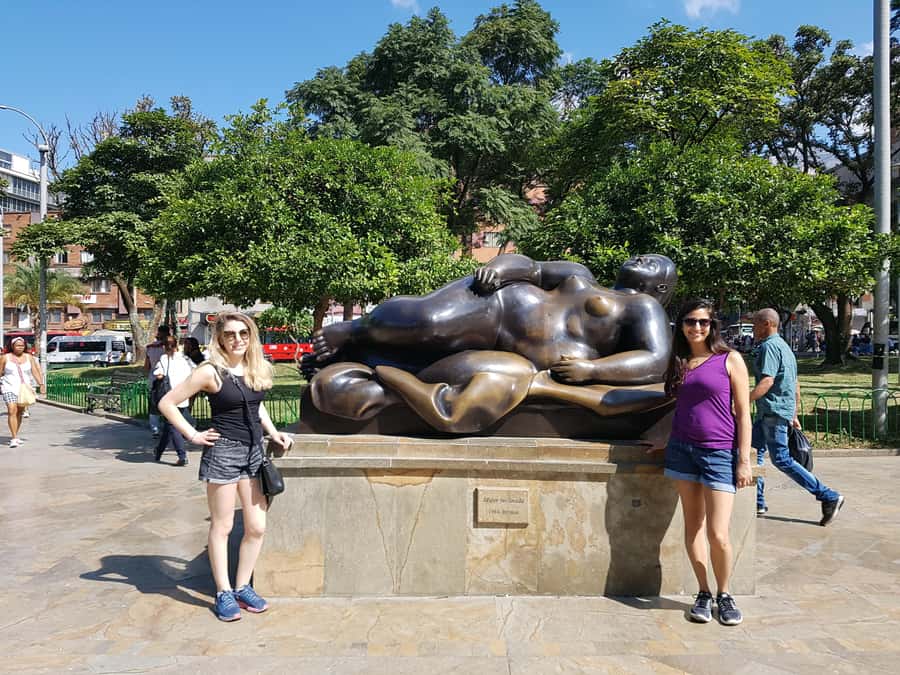
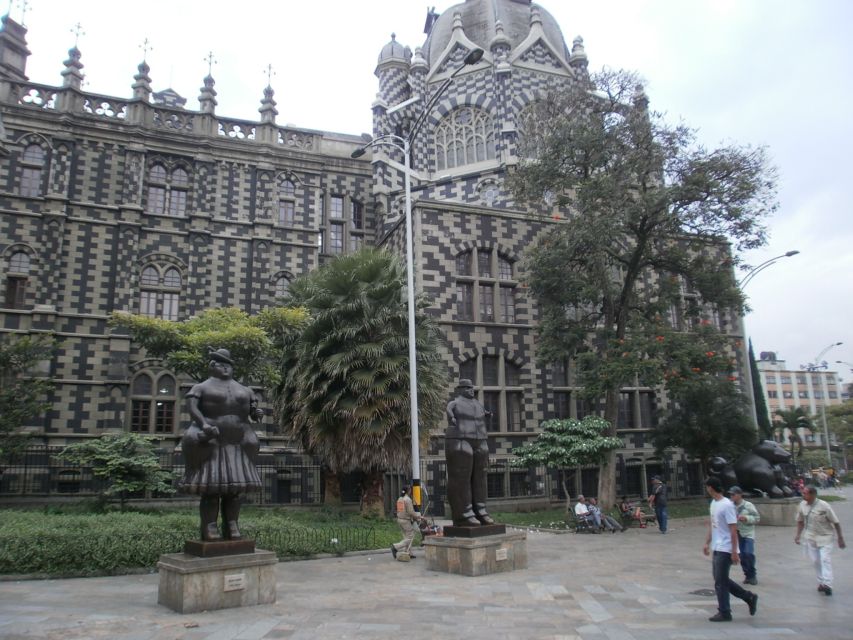
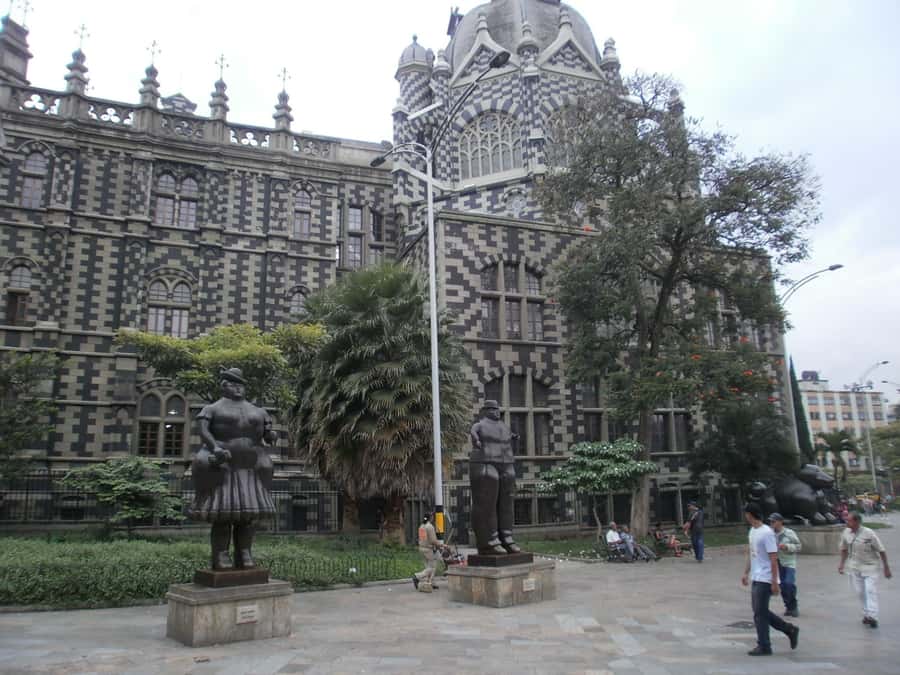
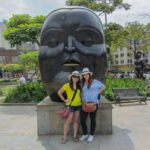
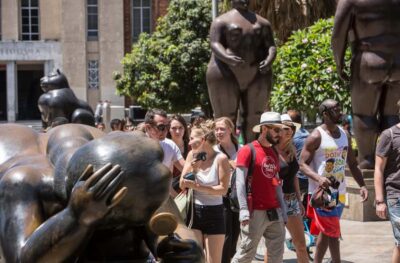
If you’ve seen Botero before, you know the look: big forms, playful seriousness, and a kind of deliberate exaggeration. What I love about seeing Fernando Botero’s bronze sculptures in Medellín is how the guide connects the art to place. Instead of treating the statues like museum props, you learn the historical and artistic context behind the maestro’s style, which changes how you see the details.
In practical terms, you can take your time. There’s no cost to view these sculptures, and the tour is set up so you’re not rushing. Bring a decent camera if you want clean shots, because your guide will help you set up postcard-perfect images of you posing with the larger-than-life figures. It’s the kind of photo moment that’s actually fun instead of awkward because someone is guiding you on angle and timing.
One thing to keep in mind: since the statues are outdoors, plan for standard city conditions. That means comfortable walking shoes, sun protection if it’s bright, and a light layer if the weather turns cool near the valley.
See more downtown and Botero city tours across Medellin
Getting From El Poblado to the Action: Private Ride, Smooth Metro Time
The day starts with a pick-up. If you’re staying in El Poblado, you’ll be picked up from your hotel or apartment in a comfortable vehicle. You ride to the metro station, and the transit portion is part of the show: the ride includes pleasant views of the city, the river, and the Andes mountains that surround the valley.
This matters more than it sounds. Medellín has a lot going on, and public transport can feel intimidating if you’ve never used it. Here, you’re not learning the system while also trying to stay oriented. You’re simply using it, and you’ll understand it better because the guide frames why each connection exists.
The metro portion isn’t just efficient. It gives you city rhythm. You’ll feel how Medellín moves, then you’ll switch into the cable car.
The Cable Car That Solves a Real Problem, Not Just a Sight
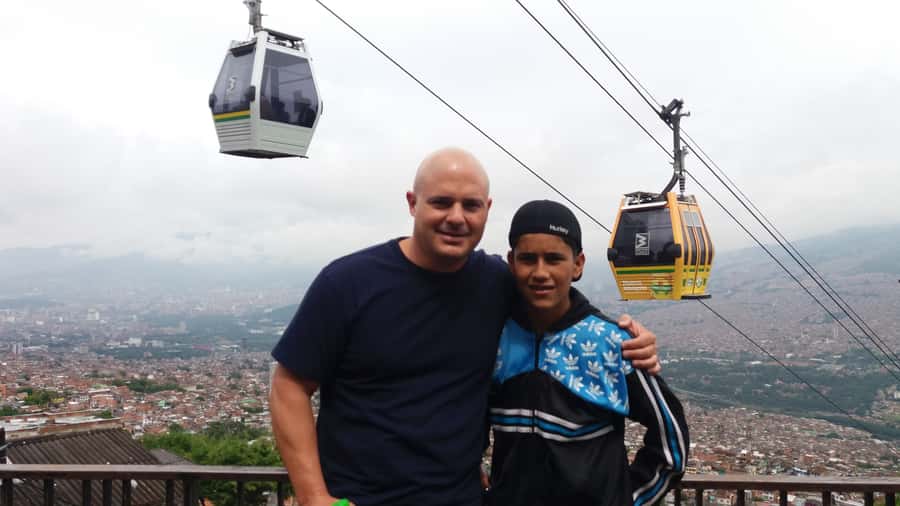
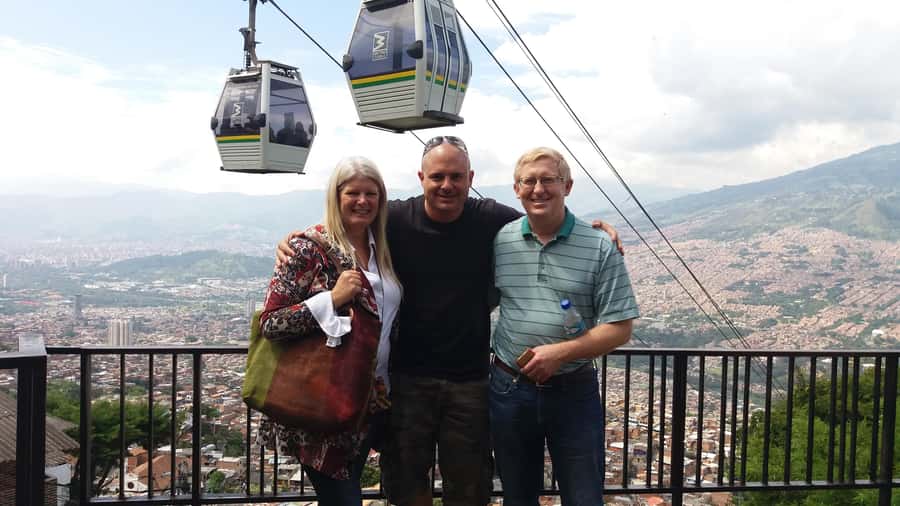
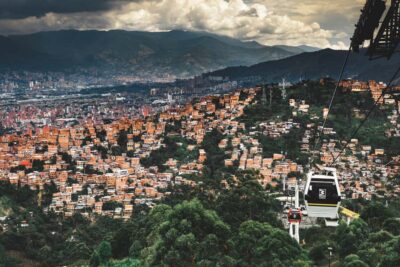
Next comes the Metro cable, the aerial cable car that was built for a clear purpose: to help reduce traffic, improve transportation, and connect citizens in their respective barrios to the metro and other transport options. That’s why this segment feels different from a tourist-only ride.
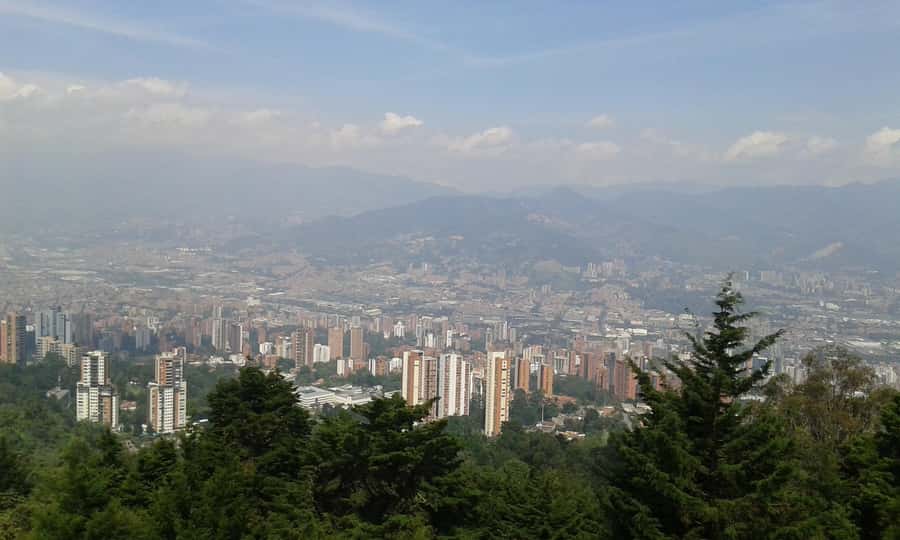
As you travel, you’re not only seeing Medellín from above. You’re seeing how infrastructure improves daily life. The cable car is described as sturdy and well maintained, and that combination matters for comfort. You’re likely to spend enough time in the air to notice the layout of the valley, the way neighborhoods stack and spread, and how the city’s geography shapes movement.
If you’re the type of traveler who likes your tours practical, this is the part that will click. It’s easier to remember the city when you understand how people get around inside it.
Downtown Medellín on Foot: Churches, Plazas, and Cultural Stops
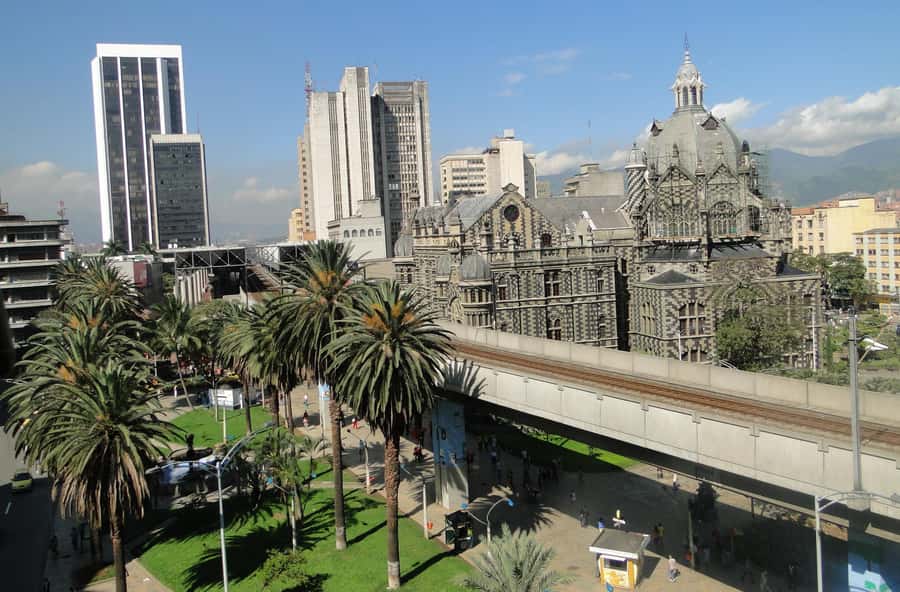
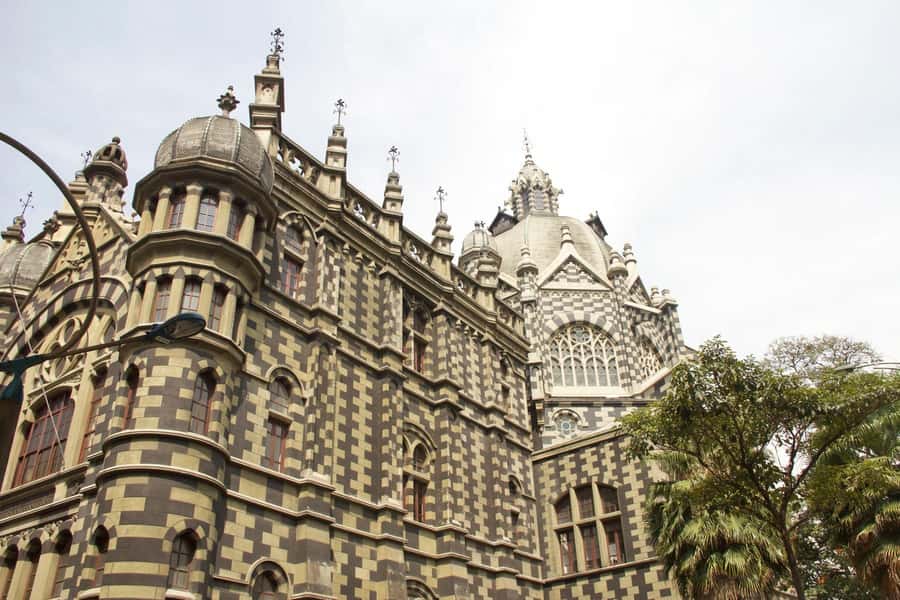
After Botero Plaza, the tour shifts to walking through downtown Medellín. This is where you slow down enough to feel the city’s everyday center: old colonial churches, plazas, and the cultural palace are all part of the route.
I like this approach because it prevents the “hit-and-run city tour” problem. You get one anchor point with Botero, then you transition into streets and open spaces where you can spot the textures that make Medellín feel like a real city.
A practical note: this is still a city walk, with moderate walking involved overall. That means you should plan to pace yourself, especially if you’re not used to uneven sidewalks or changing elevation in the valley. Your guide helps keep things manageable, including knowing where to go and how to navigate the downtown feel without unnecessary stress.
If you enjoy street-level culture—plazas, architecture, and public spaces where locals actually spend time—this section delivers.
Santo Domingo Savio Library: Modern Architecture With a Social Connection
The cable car takes you onward to the Santo Domingo Savio library, a modern edifice described as partially donated by the King of Spain. Even if you’re not an architecture fanatic, this stop makes sense because it’s a public building you can link to community life.
What I took from it: libraries like this are more than quiet rooms. They’re visible commitments to education and public access. In the context of the cable car ride—designed to connect neighborhoods—this feels like part of the same story: the city investing in access, movement, and opportunity.
You also get a choice. There’s an option to get off here and walk to see real life in a comuna or barrio with your guide, who knows the neighborhood well. That option is the bridge between “looking at Medellín” and “understanding Medellín.”




Comuna or Barrio Walking Time: Seeing How People Live and Survive
The tour’s highlights include stepping into the vibe of the comuna or barrio. This isn’t presented as a spectacle. It’s framed as a chance to see how people live and survive on a daily basis, with a guide who knows the people and the neighborhood.
One detail I appreciated in the way the experience is described is the mention of locals and kids who are sponsored and moving forward in a peaceful direction. That tells you the intent here is to emphasize positive momentum and human scale, not sensational scenes.
To be clear, this part still follows the rules of respect and safety that any guided neighborhood walk should. Your guide is there to provide context and to keep you moving in a responsible way. If you’re nervous about visiting communities far from the usual tourist routes, this guided format is the main reason the tour works.
And if you’re the type who likes meeting people indirectly—through conversations, context, and observation—this section will give you more than just a few photos.
Safety and Comfort Tips for a 3-Hour Walking Mix
This experience includes moderate walking, plus transit rides that involve getting on and off metro and cable car systems. So I’d treat it as an active city tour, not a sit-down museum day.
Here’s how I’d prep based on what’s included and what you’ll likely be doing:
- Wear comfortable shoes that handle city streets.
- Bring a camera if Botero Plaza photos are a priority; your guide will help you set up the shots.
- Keep your water and basics simple since food and drinks are not included.
- If you’re using a wheelchair, the tour is marked as wheelchair accessible, but you’ll still have to manage getting around the city’s outdoor areas and transit stops.
The best thing you can do is show up with a relaxed attitude. Your guide’s job is to keep the pace reasonable and the route clear, so you can focus on what you’re seeing.
Value Check: Is $79 Worth It for Art, Transit, and Neighborhood Access?
At $79 per person for about 3 hours, the value is strongest when you weigh the full package you’re getting.
You’re paying for:
- a professional certified guide (licensed and fluent in Spanish and English)
- private vehicle transport for pick-up and drop-off if you’re in El Poblado
- metro and metro cable fees
- parking fees
- on-foot time in downtown plus the option to explore the comuna or barrio
Food isn’t included, and that matters for budgeting. But the core cost is mostly about guide expertise and transport. If you were to handle the metro and cable car yourself and then hire a guide for the art and walking context, the total usually climbs fast.
So the real question is: do you want the guide’s interpretation plus transit included? If yes, this is a solid value. If you only want a quick Botero photo and nothing else, you might feel it’s more tour than you needed.
For most visitors who want a day that mixes art with how the city actually works, this price lands in the practical sweet spot.
Who This Tour Fits Best
This tour makes the most sense if you:
- want Botero’s statues explained rather than just photographed
- like combining public transit with city walking
- are curious about Medellín beyond the main tourist core
- want the option to see a comuna or barrio with local guidance
It may be less ideal if you:
- hate walking or have limited mobility needs and want a mostly seated experience (the tour is wheelchair accessible, but there is still walking involved)
- only care about indoor sights and short routes
- aren’t interested in the transit and neighborhood context
If your travel style is part art, part everyday city life, this tour matches it.
Should You Book This Medellín Botero and Cable Car Tour?
I’d book it if you want a short, well-structured outing that gives you three different kinds of Medellín: art in public space, transit that explains how neighborhoods connect, and a guided look at real life in a comuna or barrio.
One extra tip: if you see the name Juan Pablo associated with your guide, that’s a good sign. He’s been praised for professionalism and charisma, which matters on tours like this where the quality of explanation can make the whole experience click.
Skip it if you’re already planning an independent day focused only on downtown sights or you want a purely relaxing, low-walking schedule. Otherwise, this is a smart way to get more meaning per hour.
FAQ
How long is the Medellín walking tour with cable car and Botero Plaza?
It lasts about 3 hours.
What does the price include?
The tour includes a professional certified guide, private vehicle transport (with hotel pick-up/drop-off if you’re in El Poblado), parking fees, and all Metro and Metro Cable fees.
Do I get hotel pick-up and drop-off?
Pick-up and drop-off are included only if you’re staying in El Poblado. If you’re staying elsewhere, you’ll need to contact the provider for a meeting point.
Is the tour mostly walking?
There is a moderate amount of walking involved, plus transit rides by metro and cable car.
Are food and drinks included?
No. Food and drinks are not included, so you’ll want to plan accordingly.
What language is the live guide?
The tour offers a live guide in Spanish and English.
Is it wheelchair accessible?
Yes, it’s marked wheelchair accessible.
Can I cancel for a refund?
Yes. Free cancellation is available up to 24 hours in advance for a full refund.
More Tours across Medellin and Antioquia
More Medellin City and Botero Downtown Tours

More Medellin Tours and Experiences to Read Next
Not quite your thing? Here is more to do around Medellin, freshly reviewed




Medellin City & Botero Downtown Tours, compared.
 ★ 4.9Private City Tour with Metrocable and Comuna 13From $76330 reviews
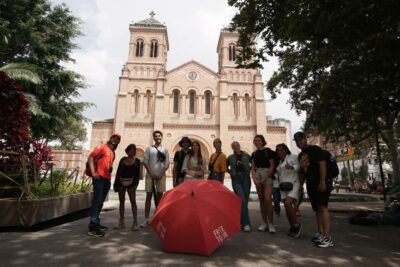 ★ 4.8Shared Medellín Downtown Tour with Wireless AudioFrom $13315 reviews
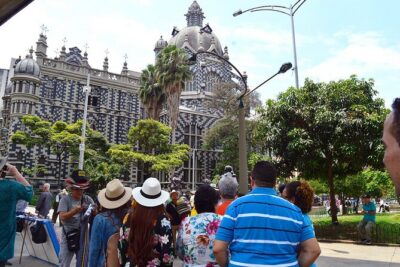 ★ 4.5City Tour + Commune 13 MedellinFrom $37295 reviews
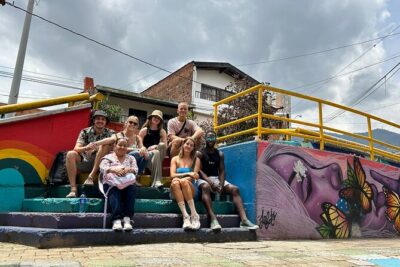 ★ 5.0Comuna 4 Walking Tour MedellinFrom $35217 reviews
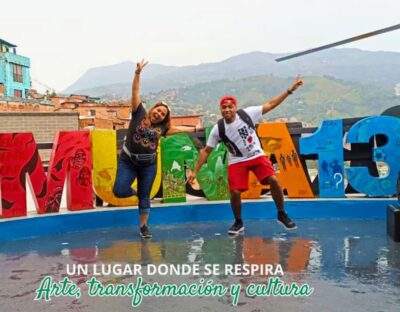 ★ 4.4Medellín City Tour and Comuna 13 ExperienceFrom $41216 reviews
 ★ 4.8Full Day Guided City Highlights TourFrom $57204 reviews
 ★ 4.5City Tour Medellin with a Chiva or a thematic vanFrom $31155 reviews
 ★ 4.9Medellin Historic Walking TourFrom $1486 reviews
Browse the lists this tour appears in