
REVIEW · COMUNA 13 GRAFFITI & STREET ART TOURS
pablo, comuna 13 & cable car express tour
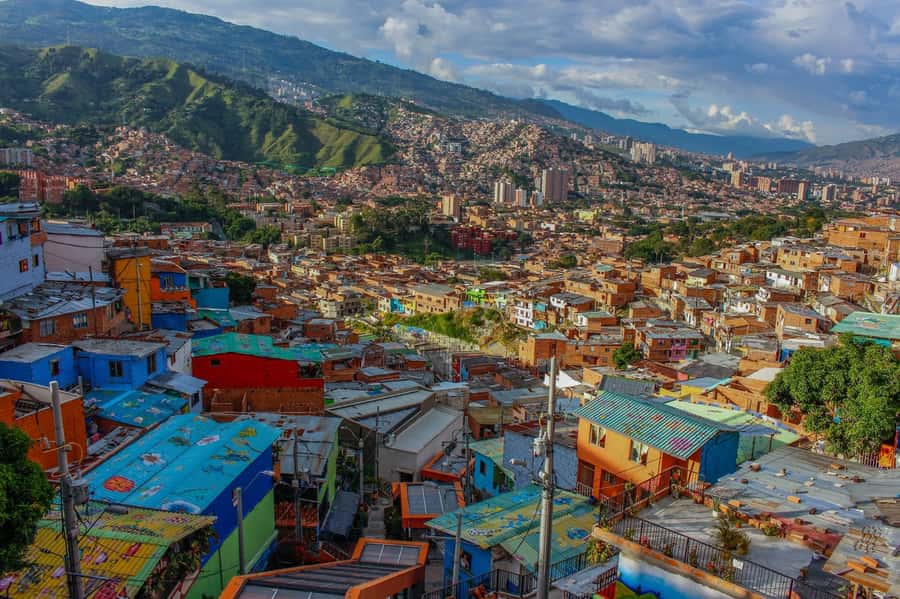
Medellín changes fast in Comuna 13. This Pablo Escobar, Comuna 13 & Cable Car tour pieces together the story of the city and then gives you a sweep of views from the cable car, all with a certified bilingual guide. I like that it’s not just photo stops, it’s a guided walk through how Medellín shifted over time.
Two things I especially liked: first, the way your guide explains the timeline, from the 1970s–1990s period to the late 1990s and early 2000s, in plain language. Second, the cable car adds a reality check: you’re looking down at the same city you just heard about, and the geography suddenly makes sense. The tour also includes metro entry and time to learn how Medellín’s transit system fits into the broader story.
One consideration: this tour takes place in the rain, so if you hate wet shoes and slick sidewalks, plan for it and wear grippy footwear. Also, the Escobar-related stops are tied to real violence and loss, so keep your expectations honest and your mind ready.
In This Review
- Key things to know before you go
- Why this tour works: hard history with a clear route
- Pickup, metro context, and the first guided moments
- Pablo Escobar memorial and the house tied to his death
- Comuna 13: understanding the timeline, not just the skyline
- The cable car ride: views that actually help you understand the city
- Metro and Medellín’s smarter transportation story
- Guides and the difference between facts and meaning
- Price and value: what $76 buys in a tight 4-hour window
- What to bring for rain and comfort (seriously)
- Who should book this Pablo Escobar, Comuna 13, and cable car tour
- Should you book it or skip it
- FAQ
- How long is the Pablo Escobar, Comuna 13 & Cable Car Express tour?
- Is hotel pickup and drop-off included?
- What does the tour include for transportation and tickets?
- What languages are the guides?
- Is the tour private?
- What should I wear for the tour?
Key things to know before you go
- 3 major story stops tied to Pablo Escobar, Comuna 13, and the city’s viewpoint from the cable car
- Bilingual, certified guiding in English and Spanish, with an emphasis on the real sequence of events
- Includes metro entry plus water, which helps the pacing stay easy in a 4-hour window
- Private group feel, so questions don’t get lost in a crowd
- Rain is possible, so pack for weather and comfort
- You’ll learn why Medellín is different in Colombia, especially because of its metro
Why this tour works: hard history with a clear route
There are tours in Medellín that hit one theme hard: either the Escobar era, or neighborhood history, or the views. This one tries to connect the dots in a way that feels practical. You get the city’s political and social shifts explained, then you move through neighborhoods and transit that show how Medellín grew into a more connected place.
The biggest value here is the structure. You’re not wandering and guessing what you’re looking at. Your guide helps you place what you see into a timeline, and that turns the experience from sightseeing into understanding. For me, that’s the difference between reading about Medellín and actually getting oriented in Medellín.
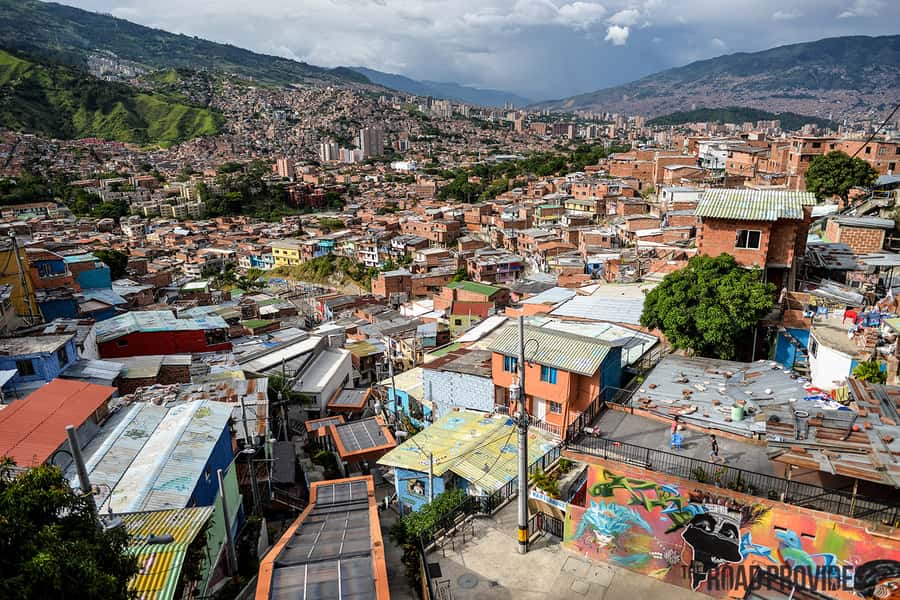
And you finish with the cable car ride, which is more than a nice photo moment. It gives your brain a map. When you can see the layout from above, the hills, the routes, and the neighborhood boundaries stop feeling abstract.
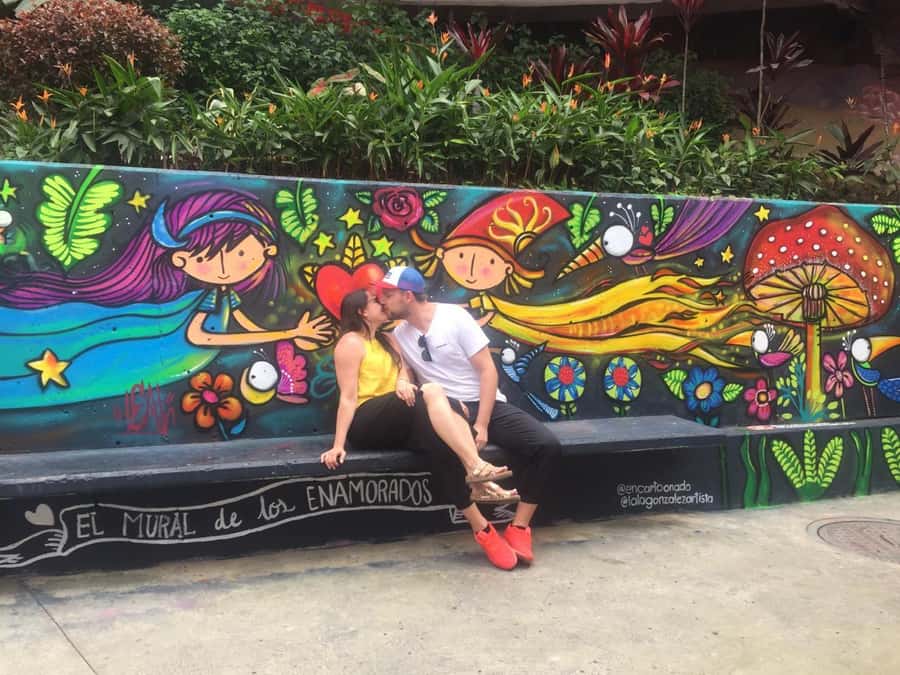
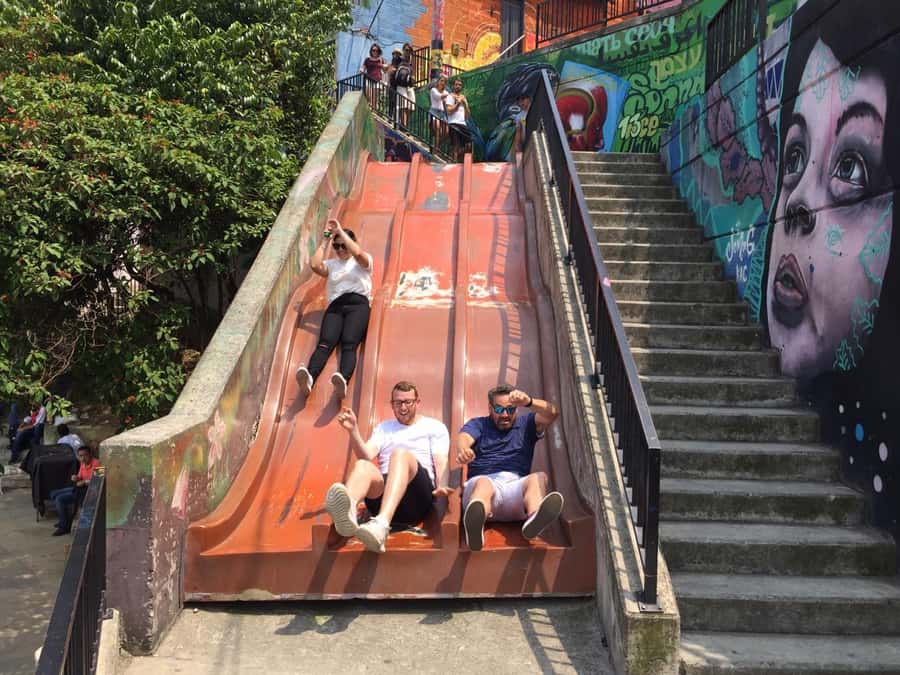
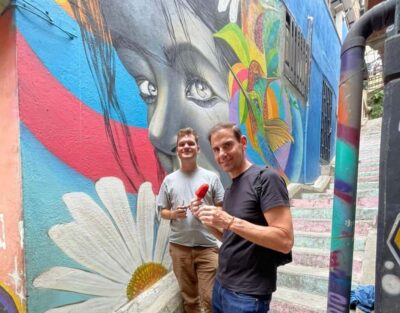
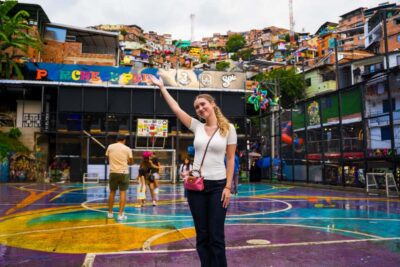
There is more Comuna 13 street art and graffiti to explore around Medellin


Pickup, metro context, and the first guided moments
You start with hotel pickup in Medellín, then you roll right into guided time. The tour includes multiple short guided segments around the city area, plus a stop in Itagüí before you continue back toward Medellín for the bigger story portions.
Why those early minutes matter: when a guide talks about Medellín’s metro and how the system works, it’s easier to follow what comes next. You learn why the metro matters here and why Medellín stands out in Colombia for having this kind of transit. That context helps when you’re later thinking about community access, movement across steep terrain, and the way infrastructure can reshape daily life.
A second practical reason: it breaks up the day. Even though the whole tour is only 4 hours, the pacing is tight but not rushed. You get a rhythm of walking, listening, and brief viewpoints rather than one long information dump.
One small drawback to watch for: because the route is tight and weather can slow things down, you’ll want to stay flexible and keep an eye on your guide’s timing. If it’s raining hard, don’t expect long pauses for extra photos.
Pablo Escobar memorial and the house tied to his death
One of the tour’s core stops is the Pablo Escobar memorial, plus the cemetery house where he died. This is the part of the experience that can feel the most emotionally intense, because it connects the mythology to the reality. You’re not just hearing names and dates; you’re standing in places linked to a very specific moment in Medellín’s history.
What I like about including these stops in the same tour as Comuna 13 is that it avoids the common trap of treating Escobar as a movie plot. Your guide connects the Escobar era to the city’s social conditions and then to what followed afterward. It helps you understand that Medellín’s story didn’t end with one person. It splintered into many realities, and people’s lives changed long after the headlines.
What you might want to keep in mind: the tone here is not entertainment. If you’re someone who gets uncomfortable with heavy topics, this will likely feel direct. I’d treat it like a historical visit, not a casual walk.
Also, wear shoes you don’t mind getting a little beat up. Even in good weather, these kinds of stops often involve walking on uneven surfaces. With rain, traction becomes your best friend.
Comuna 13: understanding the timeline, not just the skyline
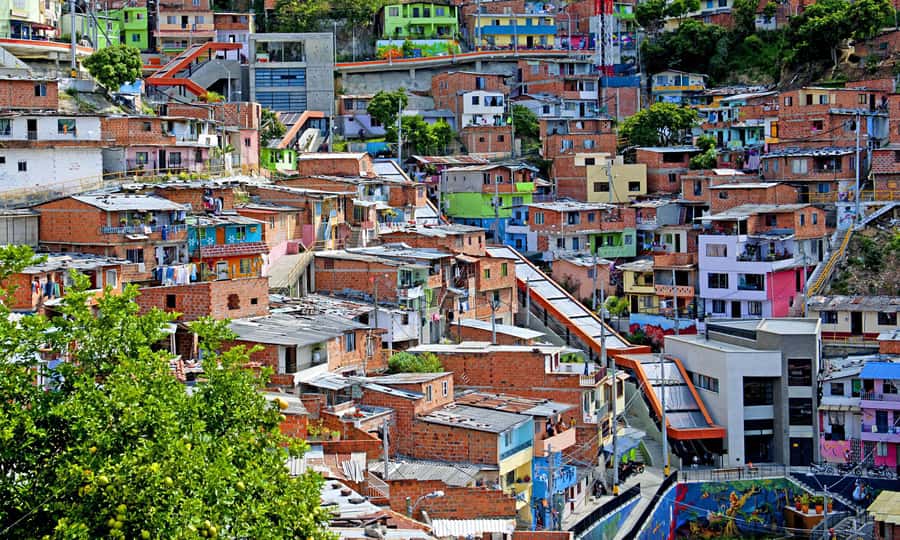
The tour’s next major chapter is Comuna 13, explained by your certified bilingual guide. You’ll learn about what life was like in the neighborhood, with the guide focusing on two big phases: the earlier period (1970s–1990s) and then the later shift from the late 1990s into the early 2000s.
This is where the tour earns its name. Comuna 13 is known worldwide, but the important part is the lived timeline. When your guide lays out how events evolved across those decades, you stop seeing the area as one static image. You start seeing it as a place that changed under pressure and then reorganized itself, step by step.
I also like that your guide aims to explain the real history rather than only pointing things out. The difference matters. If you’re only shown landmarks, you’ll miss the why. If you’re taught the why, the walk becomes clearer and more respectful.
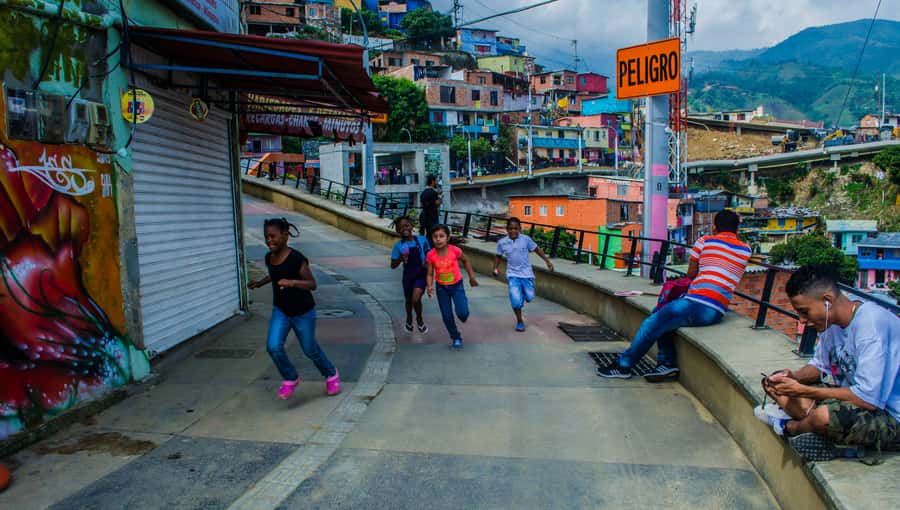
Practical note: Comuna 13 is a neighborhood, not a theme park. You’ll likely move through streets with local life around you, so keep your pace and your awareness up. It’s the kind of place where your attention matters, especially in wet conditions.
The cable car ride: views that actually help you understand the city
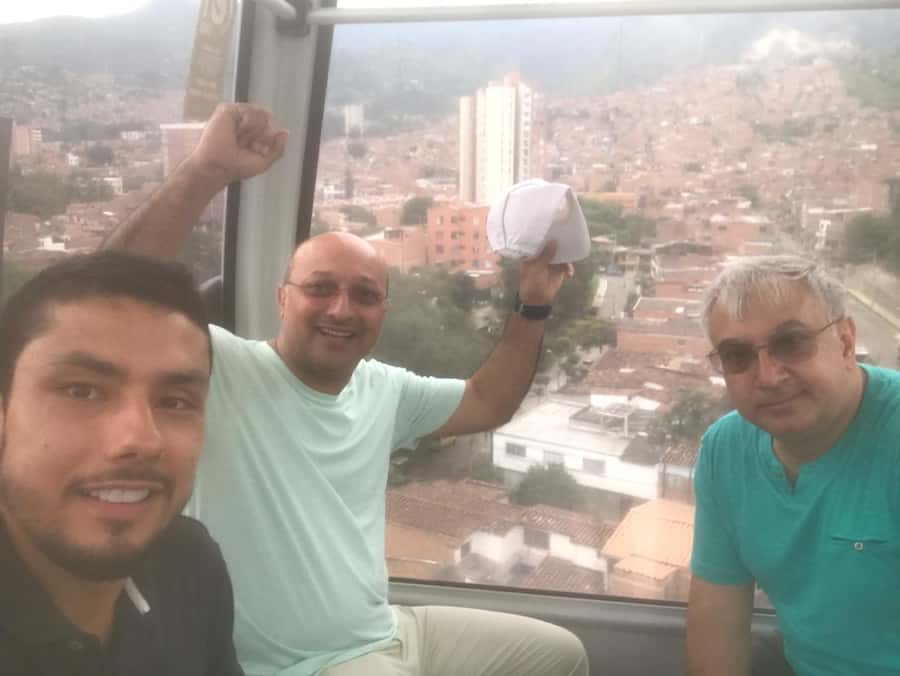
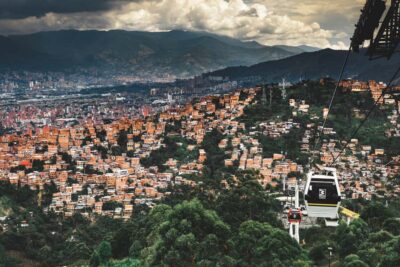
After the story stops, you get to the cable car portion, and this is one of those add-ons that feels worth it rather than optional. Riding the cable car gives you Medellín from above, with the city’s steep terrain and neighborhood layout becoming visible in a way you simply can’t get from street level.
For many people, Comuna 13 is hard to picture from a distance. A cable car view fixes that. Suddenly, you can connect what you heard about movement, elevation, and access to what you’re seeing. It’s one of the best ways to make your mental map click.
Why this matters for value: in a 4-hour tour, you want at least one experience that changes your understanding, not only your photos. The cable car ride does that. You’re not just ending with a view. You’re using the view to anchor the story you just learned.
In rain, the ride can be less comfortable, but it’s still worth it. If visibility is low, try to focus on the route and how the landscape is laid out. And bring your best mood—wet weather can blur the distant skyline, but it doesn’t blur the meaning of what the route shows.
We have more tours that tell the sober history of Pablo Escobar and how Medellin moved past it


Metro and Medellín’s smarter transportation story
One detail I find especially useful in this tour is the emphasis on Medellín’s metro, and the fact that it’s the only city in Colombia with this kind of transportation. Your guide weaves it into the broader historical context, so the metro isn’t treated like a separate sightseeing box.
Here’s why it’s smart: transit is infrastructure with social consequences. When you understand the metro’s role, it’s easier to grasp why Medellín’s reinvention didn’t happen only through politics or culture. It also happened through how people move through space—how they get to work, school, and services across hills.
Even if you already know the metro runs in Medellín, this tour helps you see it as a piece of the city’s recovery and growth story. That’s the kind of connection I look for on short tours.
Guides and the difference between facts and meaning
I’ve taken enough tours to know this truth: the best guides don’t just share information. They translate it into something you can hold onto. In this case, the guide’s role shows up again and again in the results you’ll feel during the walk.
The experience includes a bilingual, certified guide, and names like Jaime, Carlos, and Juan come up in the guide praise. What I take from that is simple: you’ll likely get a guide who speaks with clarity and a personal sense of care. When someone is good at this, you’ll feel it in how they pace explanations, answer questions, and keep the tone thoughtful.
I’d also expect the guide to tailor the storytelling to the group in real time. That private group format helps, because you can ask follow-ups without feeling like you’re stealing attention.
If you’re the kind of traveler who likes your history with context and your context with real places, this is where you’ll feel the payoff.
Price and value: what $76 buys in a tight 4-hour window
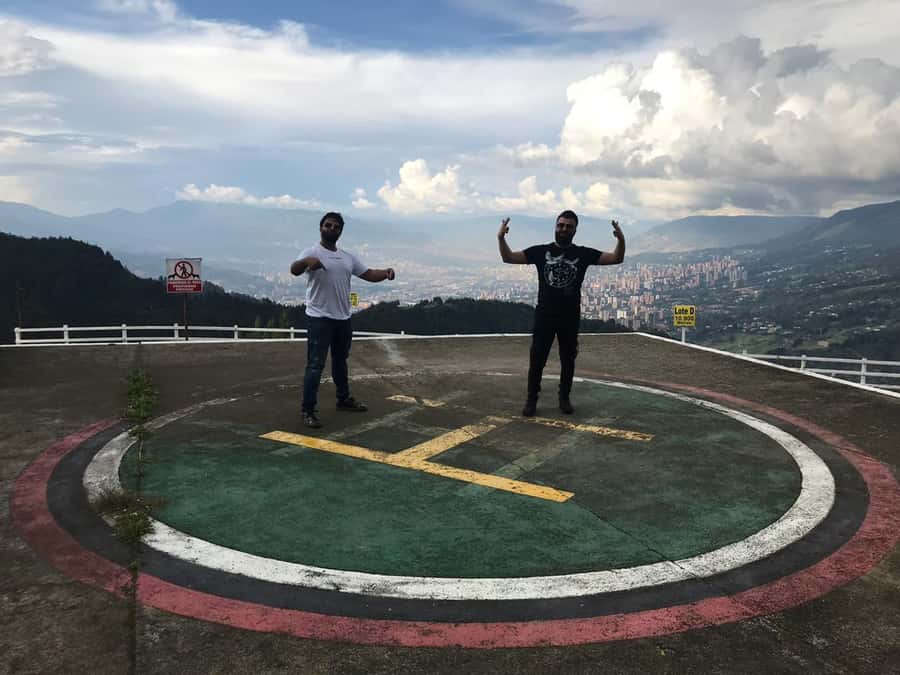
The price is $76 per person for about 4 hours, and it includes several practical items: hotel pickup and drop-off, entry tickets for the metro, water, and a live bilingual guide (English and Spanish).
Is it expensive? It depends on how you travel. If you usually hire taxis, buy transit entry on your own, and pay for a private guide separately, this starts to look like better math. The pickup and drop-off alone saves time and reduces stress, especially with rain.
The guide is also doing heavy lifting here. You’re getting interpretation of difficult history tied to multiple stops plus a guided cable car experience. For many visitors, that’s the part they can’t recreate with an independent plan without a lot of reading and map work.
So I see the value as: you’re paying for clarity, pacing, and a route that connects the story threads into one coherent morning or afternoon.
If your travel style is very self-led and you already have a strong background on Medellín’s history, you might feel the price is justifiable but not necessary. But if you want your time in Medellín to feel meaningful fast, I think the cost is reasonable.
What to bring for rain and comfort (seriously)
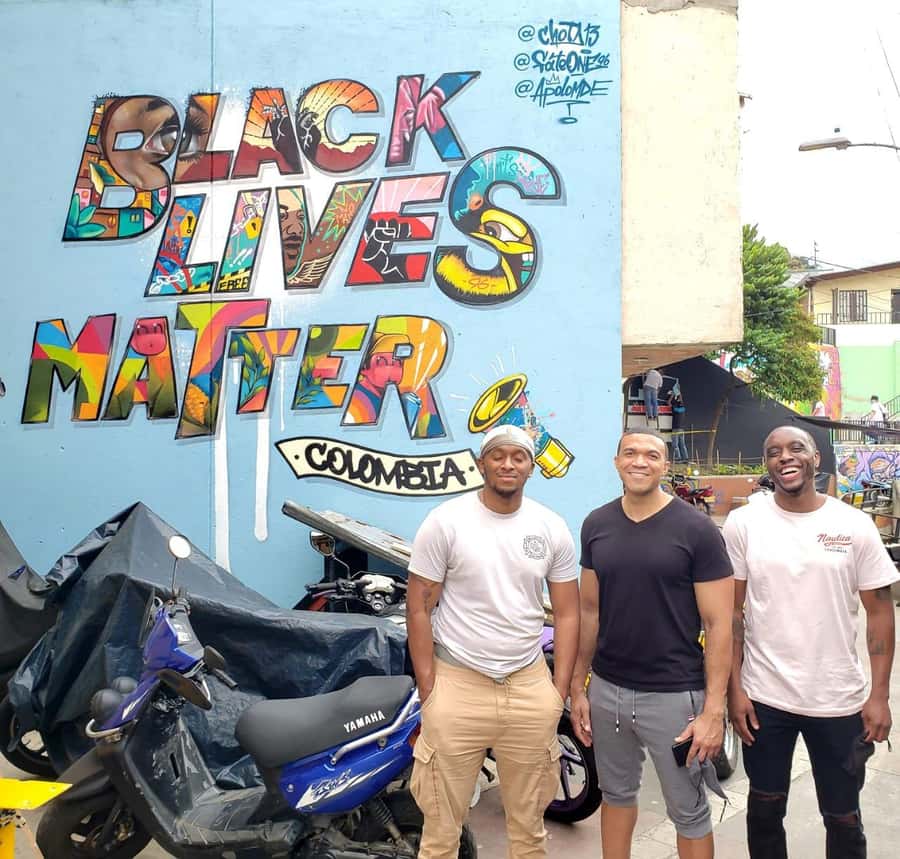
The tour is explicitly set to happen with rain, so you should plan like it will. Bring comfortable clothes and comfortable shoes with good grip. If you have rain gear, use it. If you don’t, wear something you can live in for a couple of hours while staying warm enough.
Also, keep your plan simple: don’t wear anything you can’t stand getting wet. A short tour still involves enough walking that soggy clothes become annoying quickly.
One more tip: pack a small towel if you have one, or at least tissues. It’s a small thing, but it makes bathroom breaks and wiping down easier when weather changes.
Who should book this Pablo Escobar, Comuna 13, and cable car tour
This tour is a strong fit if you want:
- Guided history you can understand, including Medellín’s changes from the 1970s–1990s to the late 1990s and early 2000s
- A mix of real-place context (memorial and significant sites) plus a neighborhood-focused walk
- The cable car viewpoint as part of your mental map, not a random add-on
- A private group setup with a bilingual guide so you can ask questions
If you’re traveling with limited time in Medellín and you want the big themes without making a complicated itinerary, it’s also a smart choice. The structure is built for a short visit.
If you’re not comfortable with difficult subject matter or you prefer tours that stay strictly positive, you might want to consider a different option. The Escobar and Comuna 13 components are tied to real violence and community impact, and the tour treats that seriously.
Should you book it or skip it
I’d book it if you want a 4-hour plan that’s more than sightseeing. The mix of Pablo-related sites, a guided Comuna 13 history timeline, and a cable car ride gives you both context and perspective. You’ll leave with a better sense of why Medellín looks the way it does and how its neighborhoods fit into the bigger story.
I’d also book it if you value a guide who can explain the why, not just point at sights. The repeated praise for guides like Jaime, Carlos, and Juan suggests this tour works best when you’re there to learn and ask questions.
Skip it only if rain will ruin your comfort too much or if you know you can’t handle heavy, sensitive history. Otherwise, this is the kind of tour that turns a short Medellín visit into real understanding.
FAQ
How long is the Pablo Escobar, Comuna 13 & Cable Car Express tour?
It lasts about 4 hours.
Is hotel pickup and drop-off included?
Yes. Your guide picks you up at your hotel, hostel, or Airbnb, and returns you after the tour.
What does the tour include for transportation and tickets?
The tour includes metro entry tickets, and you’ll also ride a cable car during the experience.
What languages are the guides?
The live guide is available in English and Spanish.
Is the tour private?
Yes, it’s listed as a private group.
What should I wear for the tour?
Wear comfortable clothes and comfortable shoes, since the tour can take place with rain.
More Pablo Escobar History Tours in Medellin
More Comuna 13 Street Art and Graffiti Tours in Medellin

More Medellin Tours and Experiences to Read Next

Not quite your thing? Here is more to do around Medellin, freshly reviewed



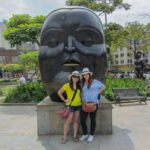
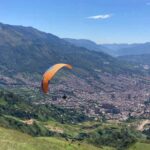
Comuna 13 Graffiti & Street Art Tours, compared.
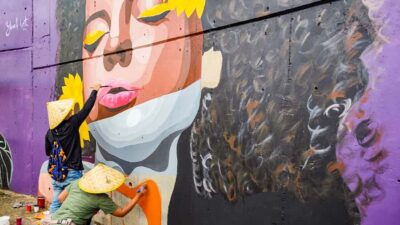 ★ 4.8Comuna 13 Graffiti Tour, Cable Car & Street FoodFrom $189,046 reviews
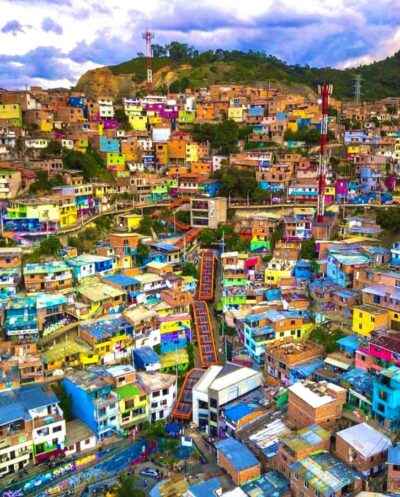 ★ 4.9Comuna 13 True Story and Street Food TourFrom $141,779 reviews
 ★ 4.8Comuna 13 District Tour with Cable Car RideFrom $271,467 reviews
 ★ 4.9Private City Tour with Metrocable and Comuna 13From $76330 reviews
 ★ 4.9Comuna 13 Tour with Snacks And Your Own GraffitiFrom $11311 reviews
 ★ 4.5City Tour + Commune 13 MedellinFrom $37295 reviews
 ★ 4.9Comuna 13 and Graffiti Guided Tour with a LocalFrom $16239 reviews
 ★ 4.9Private Pablo Escobar and Comuna 13 TourFrom $81233 reviews
Browse the lists this tour appears in