
REVIEW · COMUNA 13 GRAFFITI & STREET ART TOURS
Pablo Escobar tour and comuna 13
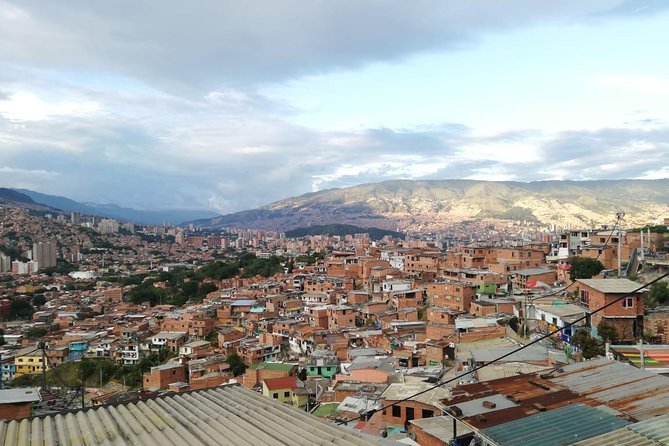
Escobar’s shadow still falls on Medellín. This private 4–5 hour experience pairs Pablo Escobar sites with hotel pickup and Comuna 13’s art-to-recovery story. You also get a stress-free ride in an air-conditioned vehicle, so you spend less time figuring things out and more time absorbing the meaning.
I like the way the tour keeps things grounded in consequences, with a final focus on harm done to real people. Parque Memorial Inflexion makes that point clearly, and it avoids turning the story into celebrity worship. Along the way, Comuna 13 adds a second side of Medellín: community resilience shown through graffiti and local interaction.
The main drawback is emotional weight. If you want an all-fun sightseeing loop, this may feel heavy, and the tour requires good weather to run comfortably.
In This Review
- Key Things I’d Mark on Your Medellín Map
- Medellín With No Guesswork: Private Vehicle, Pickup, and Real Timing
- Cementerio Jardines Montesacro: Pablo’s Grave and the Power of Context
- Los Olivos: The Death-Site Stop and Why Policy Comes Into the Story
- Comuna 13: Street Art With Meaning, Plus a Community-Minded Pace
- Parque Memorial Inflexion: Remembering 83–94 and the Real Numbers
- What the Best Guides Actually Do for You
- Price and Value: Why $92.86 Can Make Sense in Medellín
- Who Should Book This Tour (and Who Might Skip It)
- Practical Tips for a Comfortable, Respectful Day
- Should You Book It?
- FAQ
- How long is the Pablo Escobar and Comuna 13 tour in Medellín?
- What is included in the price?
- Is lunch included?
- Do you pick people up and drop them off at their hotel?
- Is this a private tour or a group tour?
- What if the weather is poor?
Key Things I’d Mark on Your Medellín Map
- Hotel pickup and drop-off, plus private transport keeps the whole plan simple and low-stress
- Two Pablo-related stops (a grave site and the property tied to his death) frame the story with context and consequences
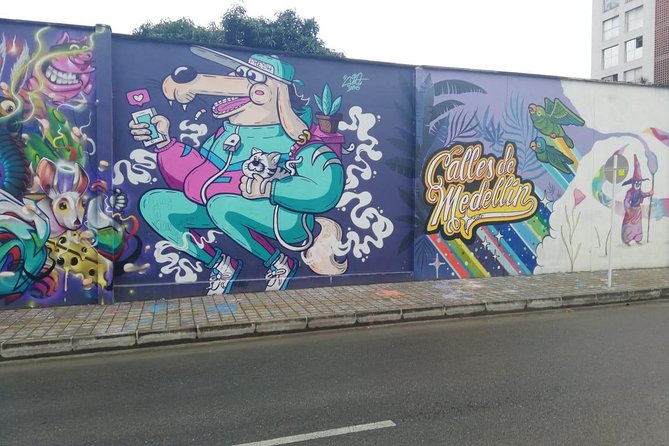
- Comuna 13 ends the route with urban art meaning, inclusion, and community-minded time
- Parque Memorial Inflexion anchors the moral message with remembrance for 83–94 and a total of 46,612 victims
- Coffee or tea included helps you stay human through a packed day
- Private group format means you can move at your pace and ask as many questions as you want
Medellín With No Guesswork: Private Vehicle, Pickup, and Real Timing
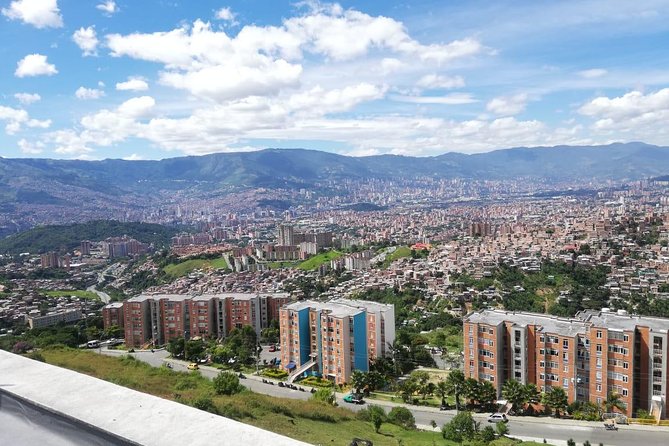
Medellín can be wonderfully walkable and also a little tricky when you’re trying to link neighborhoods in one day. This tour solves that with an air-conditioned vehicle and hotel pickup and drop-off, so you’re not scanning routes, timing buses, or worrying about where to meet your driver.
It’s also booked often enough that timing matters. On average, this experience gets reserved about 22 days ahead, which is a sign you shouldn’t treat it like a last-minute gamble—especially if you’re visiting during a busy stretch.
The duration is around 4 to 5 hours, and that matters because it’s long enough to cover the core sites without dragging all day. One nice touch from real-world feedback: you can usually fine-tune how long you want at each area, instead of feeling rushed through every stop. That flexibility is the difference between “I saw it” and “I understood it.”
Finally, it’s a private tour, meaning it’s only your group. That usually creates a better conversation—less waiting around, fewer interruptions, and easier questions for the guide.
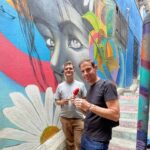
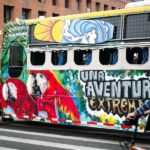
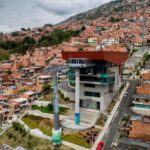
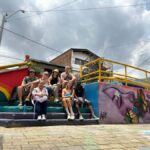
There is more Comuna 13 street art and graffiti to explore around Medellin

Cementerio Jardines Montesacro: Pablo’s Grave and the Power of Context
The route begins at Cementerio Jardines Montesacro, where you visit the grave tied to Pablo Escobar. This isn’t framed as dark sightseeing. It’s used as a starting point to talk about upbringing, the uncertainty of the era, and how violence can grow when social safety nets and opportunities are missing.
The guide’s job here is to help you hold two ideas at once. One is the man and the myth people attached to him. The other is the environment that shaped that period—why violence felt possible, and what it did to communities after the fact.
You’ll spend about 30 minutes here. That’s long enough to listen, absorb, and ask questions, without turning it into a long, silent vigil where you feel awkward. Admission is free for this stop, so the time goes straight into interpretation instead of ticket logistics.
A practical consideration: you should treat this as a reflective site. Even if you’ve watched series or read headlines about Escobar, the point here is consequences—who paid the price and how Medellín changed in response.
Los Olivos: The Death-Site Stop and Why Policy Comes Into the Story
Next you head to Los Olivos, visiting the property where the drug lord died. This is where the tour starts connecting personal biography to broader systems: public policy, drug trafficking, and the ripple effects of choices made by governments, armed groups, and families caught in the middle.
You’ll see this stop as short—about 20 minutes—but it’s packed with meaning. The intent is not just to say what happened. It’s to discuss scope: what drugs and money can do to a society’s institutions, and how policy can either reduce harm or accidentally worsen instability.
Admission here is also free. That keeps things focused on the guide’s storytelling and your questions, rather than stopping to calculate costs.
One thing I really like about a visit like this is how it helps you spot the difference between crime-as-drama and crime-as-a-system. Escobar’s story isn’t only about one person; it’s about how networks formed, how enforcement worked (or didn’t), and what ordinary residents experienced during the fallout.
Comuna 13: Street Art With Meaning, Plus a Community-Minded Pace
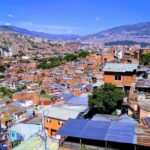
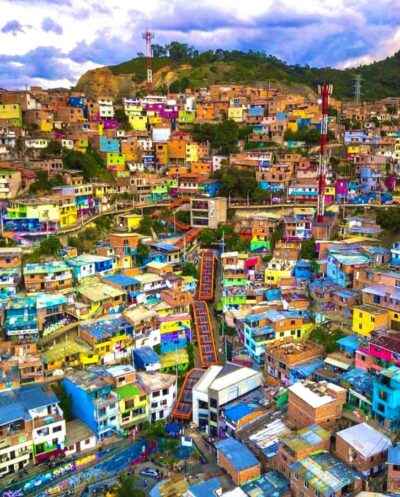
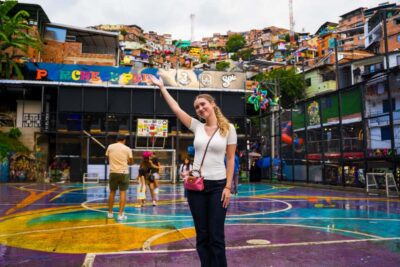
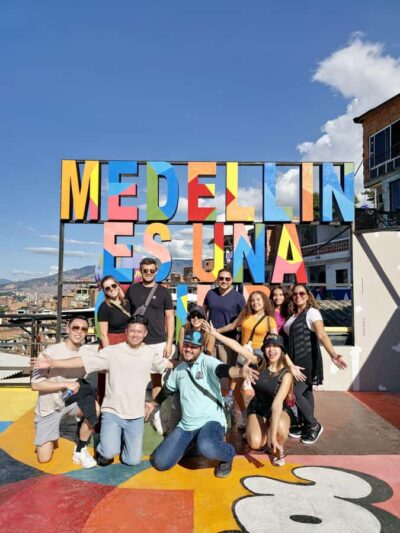
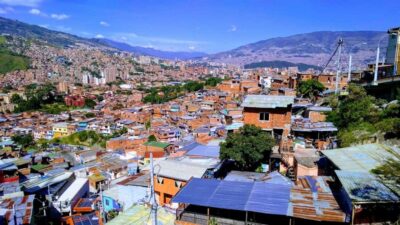
Comuna 13 is where the tour changes tone—without skipping the past. You spend about 1 hour 30 minutes here, and the tour sets it up as the best place to end the experience because you can contrast two Medellíns: the era of dark days and the city’s later push toward social investment and resilience.
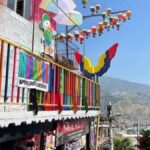
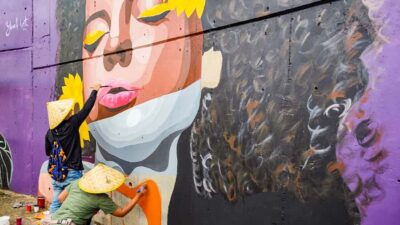
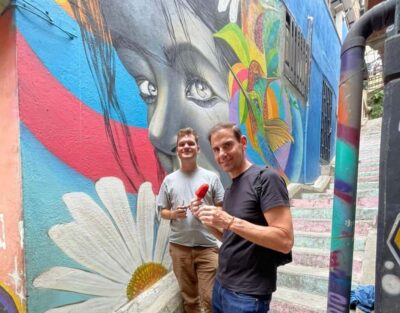
Expect urban art to take center stage. The tour doesn’t treat graffiti as decoration. It frames each wall as communication, with meanings tied to relief, expression, and inclusion. In other words, it’s not just colors on concrete; it’s identity in public space.
Another key element is that you’re not supposed to be a rubberneck spectator. The experience includes time to interact with locals and support community-positive development. That can change the whole feel of the neighborhood visit. Instead of ticking off murals, you get a more human sense of how the area sees itself now.
This stop is usually the biggest emotional swing in the day. You may start thinking about violence and policy at the earlier sites, but Comuna 13 shifts your attention to recovery, pride, and how people claim space again.
From practical experience, Comuna 13 is often described as one of the few places that welcomes daytime visits, which helps explain why it’s structured here. You get the benefits of the neighborhood’s transformation without trying to turn a day visit into something rushed or unsafe-feeling.
If you’re bringing someone who thinks “Escobar tour” automatically means glamor, this is where the tour tries to correct that idea. You finish by seeing what happens when a community reclaims the story through art and shared presence.
Parque Memorial Inflexion: Remembering 83–94 and the Real Numbers
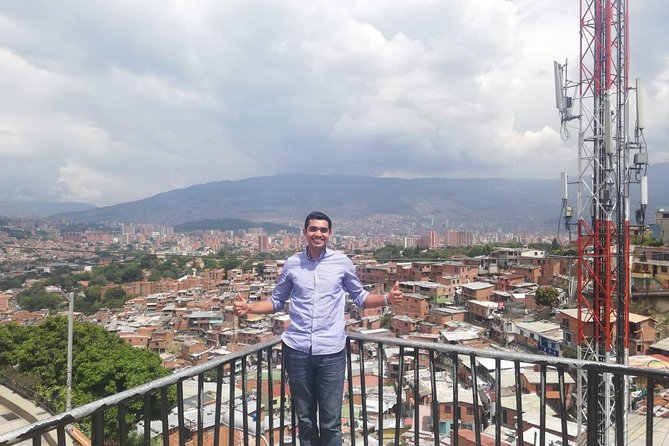
The final stop is Parque Memorial Inflexion, created through city hall work and the National History Memory Center. The purpose is straightforward: remembering people who lost their lives during a 10-year period from 83 to 94.
What makes this stop powerful is the way it counters a common media trap. Popular shows and documentaries often compress history into a mythic villain arc. This memorial is built to shift your brain back onto victims, grief, and the damage caused by narcoterrorism and the culture of easy money.
The memorial is also tied to a specific scale of tragedy. One guide-led interpretation notes the tribute includes 46,612 people killed by bombs during Escobar’s campaign. Numbers like that don’t let you float away into abstract storytelling.
You’ll spend about 30 minutes here. That’s a good length for reflection: enough time to read what’s there, slow your thoughts down, and land the moral message of the day—without turning it into a long sit that leaves you numb.
If you’re the type who likes history but hates “lecture tours,” this is where the tone usually clicks. It doesn’t ask you to memorize dates. It asks you to remember who suffered.
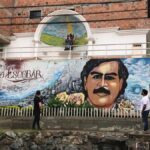
We have more tours that tell the sober history of Pablo Escobar and how Medellin moved past it
What the Best Guides Actually Do for You
A tour like this stands or falls on the guide’s framing. The most consistently praised aspect is how well guides handle the Pablo Escobar material without turning it into admiration.
Guides such as Juan, Daniel, Mateo, Cesar, and Andres are mentioned for strong storytelling and for knowing how to explain both the Colombia context and the Medellín specifics. The best part is not just facts; it’s the ability to answer questions without getting defensive or simplifying everything into one moral lesson.
You’ll also get useful pacing. One person noted the day felt tailored, with the ability to spend more or less time at each area depending on interest. Another highlighted that the information came through clearly, without overload.
This matters because Escobar and Comuna 13 can pull people in two opposite directions: either they go in searching for sensational drama, or they go in expecting only trauma. The stronger guides steer you toward a third place—understanding how violence happened, how communities endured, and what rebuilding looks like afterward.
And yes, you may even get practical local tips along the way. One guide offered food recommendations, including empanadas, which is exactly the kind of small detail that makes a city feel like a real place instead of a checklist.
Price and Value: Why $92.86 Can Make Sense in Medellín
At about $92.86 per person for a private, 4 to 5 hour outing, the price has to be judged against what you’re actually buying.
Here’s what you get that usually costs real money and time on your own:
- Hotel pickup and drop-off
- Air-conditioned private vehicle
- Parking fees
- Insurance
- Coffee or tea
- A guide who connects grave sites, a death-site property, Comuna 13, and the memorial into one coherent story
Because the visits to those key sites are free of admission, most of what you’re paying for is interpretation, transport, and the human time of the guide. That’s typically where value shows up for tours like this.
The main thing you should consider is not the price itself—it’s whether the themes fit your mood. This isn’t a light culture tour. It’s built around a country’s violent past, and it ends with remembrance for victims. If that’s what you want, the cost feels reasonable. If you only want murals and street vibes, it may feel like you’re paying for weight you didn’t expect.
Lunch isn’t included, so plan to grab something before or after, depending on your day’s schedule.
Who Should Book This Tour (and Who Might Skip It)
This is a great choice if you:
- want a structured way to see both the Pablo Escobar story and the Medellín transformation side of the same city
- like guided explanation more than solo wandering
- appreciate tours that don’t glamorize a violent figure
- want a private format with the ability to ask questions and adjust pacing
You might skip it if you:
- only want a fun Comuna 13 street-art walk with zero heavy context
- prefer to spend a whole day purely on neighborhoods without memorial stops
- are sensitive to remembering mass loss; this memorial portion is specifically designed for reflection and grief
The tour also says most people can participate, and service animals are allowed. If you have specific needs, it’s worth asking ahead of time, but the basic participation stance is inclusive.
Practical Tips for a Comfortable, Respectful Day
A few smart points will help you get the most out of the experience:
- Dress and plan for good weather. The experience requires it, and if weather turns bad, you’ll be offered a different date or a full refund.
- Expect a tight schedule. Even with flexibility, you’re going to multiple meaningful stops: a cemetery site, a property tied to Escobar’s death, Comuna 13, and the memorial park.
- Bring questions. Guides are praised for answering questions and handling the story with care, so use that time.
- Plan for food outside the tour. Lunch isn’t included, but the tour does provide coffee or tea.
- Use the private format. If you want extra time at Comuna 13’s graffiti focus or you want more explanation at one of the earlier sites, you can usually ask to adjust.
Also, don’t underestimate what ending at Parque Memorial Inflexion does to the tone. It’s the emotional landing. If you’re going to see the city afterward, be gentle with yourself.
Should You Book It?
Yes, I’d book it if you want the Medellín story with both truth and context. This tour’s value comes from the contrast: grave and death-site context on one end, Comuna 13’s street art and community resilience on the other, and a memorial stop that keeps the focus where it belongs.
But book it with the right expectations. This isn’t a playful Pablo Escobar photo-op day. It’s designed to explain harm, show how communities endured, and then show the city’s response through urban art and remembrance.
If that sounds like your kind of travel day, this is one of the most meaningful ways to understand Medellín beyond the headlines.
FAQ
How long is the Pablo Escobar and Comuna 13 tour in Medellín?
The tour runs about 4 to 5 hours total, with time at each main stop.
What is included in the price?
It includes an air-conditioned vehicle, parking fees, coffee and/or tea, and insurance.
Is lunch included?
No, lunch is not included.
Do you pick people up and drop them off at their hotel?
Yes, hotel pickup and drop-off are included.
Is this a private tour or a group tour?
This is a private tour/activity, so only your group participates.
What if the weather is poor?
The experience requires good weather. If it’s canceled due to poor weather, you’ll be offered a different date or a full refund.
More Pablo Escobar History Tours in Medellin
More Comuna 13 Street Art and Graffiti Tours in Medellin

More Medellin Tours and Experiences to Read Next
Not quite your thing? Here is more to do around Medellin, freshly reviewed
Comuna 13 Graffiti & Street Art Tours, compared.
 ★ 4.8Comuna 13 Graffiti Tour, Cable Car & Street FoodFrom $189,046 reviews
 ★ 4.9Comuna 13 True Story and Street Food TourFrom $141,779 reviews
 ★ 4.8Comuna 13 District Tour with Cable Car RideFrom $271,467 reviews
 ★ 4.9Private City Tour with Metrocable and Comuna 13From $76330 reviews
 ★ 4.9Comuna 13 Tour with Snacks And Your Own GraffitiFrom $11311 reviews
 ★ 4.5City Tour + Commune 13 MedellinFrom $37295 reviews
 ★ 4.9Comuna 13 and Graffiti Guided Tour with a LocalFrom $16239 reviews
 ★ 4.9Private Pablo Escobar and Comuna 13 TourFrom $81233 reviews
Browse the lists this tour appears in