
REVIEW · MEDELLIN CITY & BOTERO DOWNTOWN TOURS
The “not polite to use his name” City Tour
Escobar’s footprint is hard to forget. This 3 to 4 hour tour in Medellín follows that trail with a small group and a guide like Daniel, who makes tough history feel clear and respectful. I love the order of stops, because you move from a memorial site to places tied to Escobar’s control and escape, then end at the cemetery where the human cost lands. One drawback: this is heavy material, so if you prefer light sightseeing, you may find it emotionally intense.
You’ll start and finish back near where you begin in El Poblado, with roundtrip rides from Lleras Park. The pacing is tight but doable: short visits at each key site, guided in both English and Spanish, with just enough time to ask questions. With a maximum of 10 travelers, it’s the kind of tour where “silly” questions are still welcome.
In This Review
- Key highlights to watch for
- What This Medellín Tour Covers in 3 to 4 Hours
- Value For $44.99: Transport, Tickets, and a Real Guide
- Stop 1: Parque Memorial Inflexion and the Story Behind the Site
- Stop 2: Monasterio Santa Gertrudis La Magna, a Jail Escobar Built
- Stop 3: Cancha El Dorado Soccer Field and Politics Dreams
- Stop 4: Cementerio Jardines Montesacro and the Cost of the Drug War
- How to Prepare: Questions, Comfort, and Heavy Topics
- Who This Tour Suits Best (and Who Might Prefer Something Else)
- Should You Book This Tour?
- FAQ
- How long is the tour?
- What does the tour cost?
- Is roundtrip transportation included?
- Which entrances are included?
- Where do I meet the guide?
- What is the maximum group size?
- What languages does the guide speak?
- What if the weather is bad?
- Is free cancellation available?
Key highlights to watch for
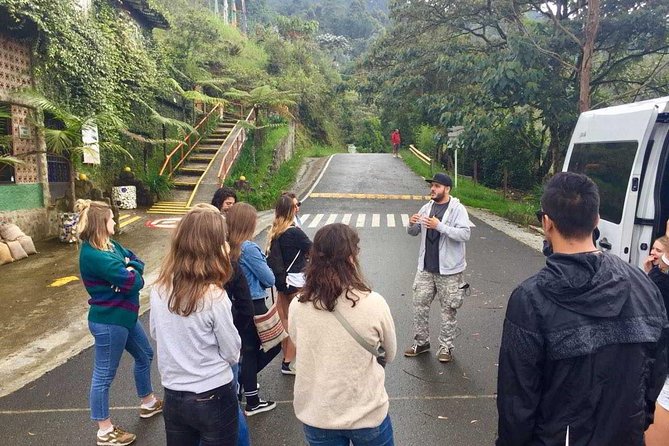
- Bilingual guide, Daniel-style Q&A: friendly, enthusiastic, and you can ask anything without feeling awkward
- Small group size (max 10): better conversation than big-bus history tours
- Transport from Lleras Park: you don’t waste time figuring out local routes
- Tickets handled: cemetery entrance and the special entrance fee for the Monasterio are included
- Stop-to-stop storyline: memorial → jail → soccer → cemetery, in a way that makes the cause-and-effect easier to grasp
What This Medellín Tour Covers in 3 to 4 Hours
This tour is built like a timeline you can actually follow. In about 3 to 4 hours, you visit four places strongly connected to Pablo Escobar—some to show power and escape, others to show the impact on victims and families.
The “value” here is not just seeing buildings and walls. It’s how the tour connects themes: how a violent era took root, how it tried to rewrite its own image, and how Colombia still carries the consequences. Short stop lengths matter because they keep the tour moving, which also means you’re not stuck standing around waiting for everyone to catch up.
One more thing: the tour name signals that this is a sensitive subject. You’ll feel that in the tone, and it helps keep the focus on people and harm, not gossip.
See more downtown and Botero city tours across Medellin
Value For $44.99: Transport, Tickets, and a Real Guide
At $44.99 per person, you’re paying for more than a walking route. You get roundtrip transportation from Lleras Park, a guide who speaks English and Spanish, insurance, and entrance support for key sites.
Here’s why that matters in real life:
- You save energy. Lleras Park is a common base for visitors, so getting picked up and dropped back makes the day simpler.
- You don’t gamble on tickets. The cemetery entrance is included, and the newer entrance fee for Monasterio Santa Gertrudis La Magna is covered too.
- You get context. The guide is where this tour really earns its star rating. Daniel’s passion and depth showed in the way he answered questions and explained what you were looking at.
Also, the max group size of 10 helps you get something bigger than facts: you get understanding. When the guide is friendly and accommodating, you’ll be more likely to ask the “why” questions that turn a site visit into learning.
Stop 1: Parque Memorial Inflexion and the Story Behind the Site
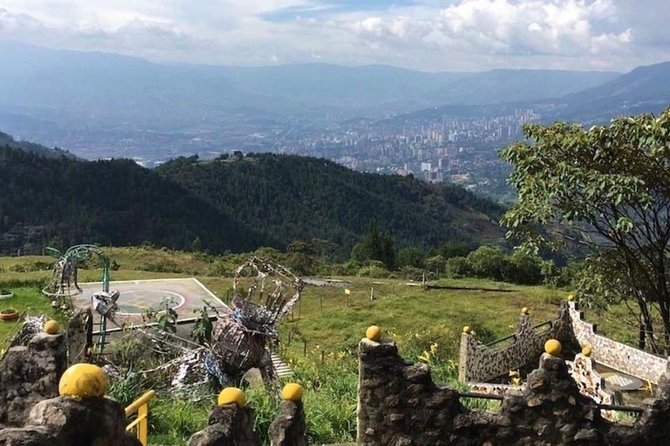
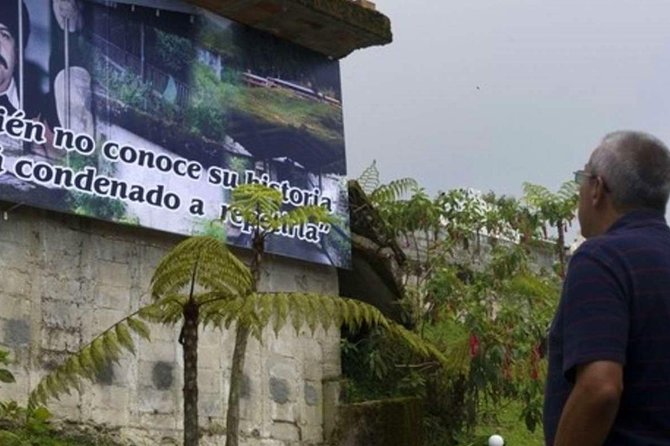
You begin at Parque Memorial Inflexion, at the former home connected to Escobar. The key idea is transformation: a place tied to hiding and fear has been reshaped into a memorial park for victims of Colombia’s drug war.
This stop is only about 20 minutes, but don’t treat it like a quick photo stop. The point here is the shift in meaning. You’re not just looking at a location—you’re learning how a country reframes painful spaces into remembrance.
What I like about this start:
- It sets the tone. Starting with victims makes the rest of the tour feel grounded rather than glorifying.
- It gives you a framework. Once you understand the memorial purpose, later sites make more sense emotionally.
Possible drawback: if you’re sensitive to the topic of political violence, this first stop might hit hard fast. Go in expecting that, not as a scare tactic—just as a heads-up so you can mentally prepare.
Stop 2: Monasterio Santa Gertrudis La Magna, a Jail Escobar Built
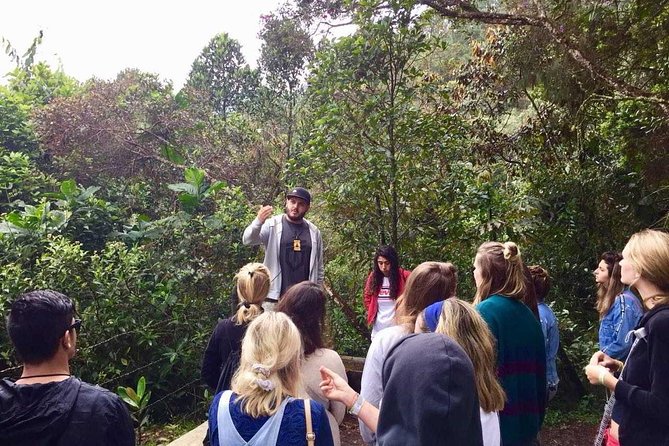
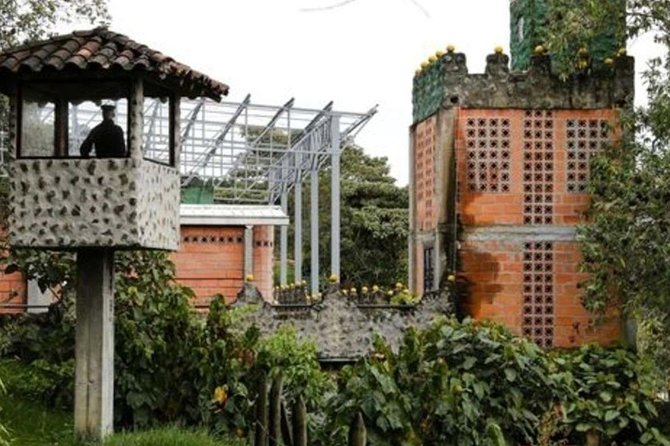
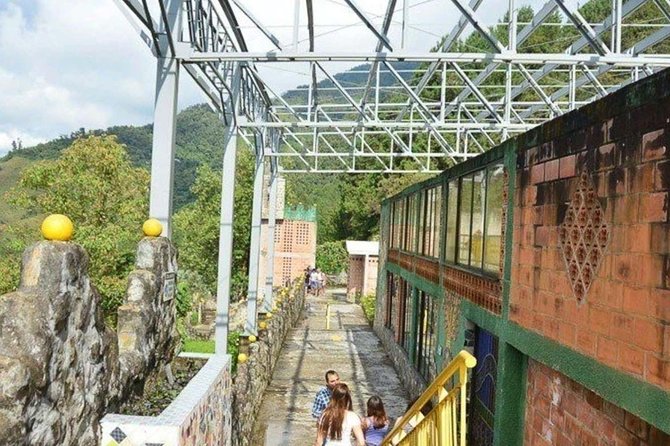
Next is Monasterio Santa Gertrudis La Magna, often described as the “cathedral” jail that Escobar built for himself. The story involves his agreement with the government and the later escape.
Plan for about 45 minutes here. That length is right for a guided explanation because this site isn’t just “a jail.” It’s an example of how power can try to engineer its own narrative—down to the spaces it creates.
What makes this stop valuable:
- You see the mechanics, not just the headline. The tour connects arrangements and escape, so the story feels more coherent.
- You get to compare places. After the memorial, this stop shows the same era from the opposite angle: control versus consequence.
What to watch out for: a jail-related site can feel more architectural than emotional, depending on the explanation. The best way to get the full benefit is to ask the guide how he interprets what you’re seeing—especially if you want to understand why this site became part of the public record.
Stop 3: Cancha El Dorado Soccer Field and Politics Dreams
Then you head to Cancha El Dorado, the soccer field Escobar built, known for its visionary design. You’ll also learn that he gave speeches there as he tried to move into Colombian politics.
This one is shorter—about 15 minutes—but it’s a smart pivot. After jail and memorial themes, the soccer field adds a different layer: image-making. It’s a reminder that violent figures often try to win legitimacy through spectacle and public events.
Why I think this stop works:
- It broadens the story. Violence didn’t only happen in hidden places; it also played out in public performances.
- It’s easier to absorb quickly. A sports site is visually understandable, so you can focus on the meaning without getting lost.
Consideration: if you dislike discussions of manipulation and propaganda, this stop may feel uncomfortable. But discomfort is part of the learning here. You’ll walk away seeing how charisma can be used to distract from harm.




Stop 4: Cementerio Jardines Montesacro and the Cost of the Drug War
To cap the tour, you visit Cementerio Jardines Montesacro, where Escobar is buried along with family and other gang members, including Griselda Blanco.
This stop runs about 30 minutes and is included with cemetery entrance. It’s one of those moments that changes the tone of the entire day. You’re not dealing with plans or buildings anymore—you’re dealing with memory, grief, and the way a country keeps accounting for violence.
What you should expect emotionally:
- The tour ends with a clearer understanding of Escobar’s negative impact on Colombia and the lives of Colombian people.
- The guide helps frame the cemetery beyond name recognition—so it feels about victims and repercussions, not just spectacle.
One practical point: cemeteries usually require slower movement and quieter focus. Wear shoes you’re comfortable in, and if you need a breather, take it. This is a long enough stop that you can step back for a moment without rushing your group.
How to Prepare: Questions, Comfort, and Heavy Topics
This tour is informative and fast-paced enough that it rewards being ready. Here are my practical tips:
- Bring questions before you arrive. The best experience I see on this kind of tour comes from people who ask “why” questions. The guide is accommodating, and Daniel is known for making it easy to ask anything.
- Expect a respectful tone, not a movie-tour tone. You’re visiting memorial and burial spaces. Keep your body language and pace calm.
- Wear comfortable shoes. Even with short stop times, you’re moving between sites for several hours.
- Plan for weather. The tour requires good weather. If it’s canceled due to poor weather, you’ll be offered a different date or a full refund.
And one tiny mindset shift that helps: treat this as a history-and-impact tour, not a “who did what” quiz. The goal is understanding how damage spread and how people remember it.
Who This Tour Suits Best (and Who Might Prefer Something Else)
This tour is a strong fit if you:
- Want a guided way to understand Medellín’s complicated drug-war past
- Like small groups where you can ask questions and get full explanations
- Prefer tours that connect multiple sites into one storyline rather than isolated stops
You might consider something else if you:
- Want a purely scenic or light day
- Get overwhelmed by emotionally heavy history
- Prefer deep, slow museum-style pacing over short site visits
It helps that the group limit is 10. If you’re the kind of traveler who likes conversation, you’ll likely enjoy how the guide handles questions and pacing.
Should You Book This Tour?
Yes, I’d book it if you’re curious about Medellín’s history and you want a tour that stays respectful while still being direct. The pricing makes sense for what’s included—roundtrip transport from Lleras Park, a bilingual guide, insurance, and covered entrances at major stops.
The biggest reason to pick this one: the guide quality. Daniel’s mix of friendliness, deep subject knowledge, and willingness to answer even odd questions is exactly what turns a tough topic into something you leave understanding instead of just watching.
If heavy history will weigh on you, just go in prepared. Bring calm expectations, wear comfortable shoes, and let the memorial-first structure do its job.
FAQ
How long is the tour?
It lasts about 3 to 4 hours.
What does the tour cost?
The price is $44.99 per person.
Is roundtrip transportation included?
Yes. Roundtrip transportation is included from Lleras Park.
Which entrances are included?
Entrance to the cemetery is included, and the new entrance fee is included for Monasterio Santa Gertrudis La Magna. The other stops list free admission.
Where do I meet the guide?
The start is at Cl. 9A #37-16, El Poblado, Medellín, Antioquia, Colombia.
What is the maximum group size?
The tour has a maximum of 10 travelers.
What languages does the guide speak?
The guide speaks English and Spanish.
What if the weather is bad?
The experience requires good weather. If it’s canceled due to poor weather, you’ll be offered a different date or a full refund.
Is free cancellation available?
Yes, you can cancel for a full refund up to 24 hours in advance of the experience start time.
More Tours across Medellin and Antioquia
More Medellin City and Botero Downtown Tours

More Medellin Tours and Experiences to Read Next
Not quite your thing? Here is more to do around Medellin, freshly reviewed





Medellin City & Botero Downtown Tours, compared.
 ★ 4.9Private City Tour with Metrocable and Comuna 13From $76330 reviews
 ★ 4.8Shared Medellín Downtown Tour with Wireless AudioFrom $13315 reviews
 ★ 4.5City Tour + Commune 13 MedellinFrom $37295 reviews
 ★ 5.0Comuna 4 Walking Tour MedellinFrom $35217 reviews
 ★ 4.4Medellín City Tour and Comuna 13 ExperienceFrom $41216 reviews
 ★ 4.8Full Day Guided City Highlights TourFrom $57204 reviews
 ★ 4.5City Tour Medellin with a Chiva or a thematic vanFrom $31155 reviews
 ★ 4.9Medellin Historic Walking TourFrom $1486 reviews
Browse the lists this tour appears in