
REVIEW · PABLO ESCOBAR HISTORY TOURS
We Don’t Talk About Pablo: Untold Narcos Story and Transformation
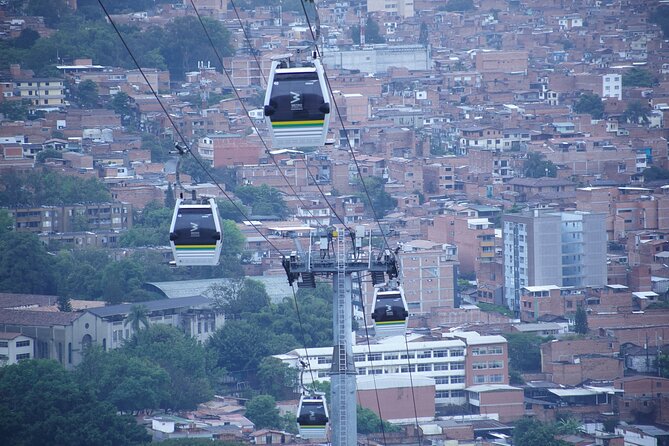
Narcos has a second story in Medellín. This tour doesn’t treat Pablo Escobar like a hero or even a full main character; it frames his era through the effects on society and the rebuilding that followed, with Comuna 8 cable car views and a ride on the tram to the Memory Museum.
I really like how the guide keeps the tone grounded: the walking stops and museum time are about context, not fandom. I also like that the logistics are handled for you—hotel pickup, bilingual guidance (English/Spanish), cable car and tram tickets, and entry fees are all included, plus snacks to keep you going.
The main consideration: if you’re chasing a classic Escobar checklist of famous spots, this one can feel more about people and place than about dramatic “things to see.” A couple of people noted there wasn’t much visible at certain exteriors, so go in expecting meaning, not a movie set.
In This Review
- Key highlights you should know first
- Why this tour feels different than the usual Escobar circuit
- Price and value: what you’re actually paying for at $95
- The ride that changes your perspective: cable car and tram routing
- Stop 1: Medellín orientation (and why the first hour matters)
- Stop 2: Museo Casa de la Memoria and Comuna 8 connection
- Stop 3: Parque Memorial Inflexión and the walk through change
- How the guides set the tone (and why you should care)
- What you’ll likely do if your group wants extra moments
- Transportation, comfort, and pacing (the practical stuff)
- Best for: what kind of trip this fits
- A few words on what you might see (and what you might not)
- Should you book this Medellín tour?
- FAQ
- How long is the tour?
- How much does it cost?
- What’s included in the price?
- Is transportation by cable car and tram included?
- Is this a private tour?
- What should I wear?
- What areas are part of the route?
- FAQ
- Can I cancel for a full refund?
Key highlights you should know first
- Cable car + tram routing that shows Medellín’s geography, not just a street-level walk
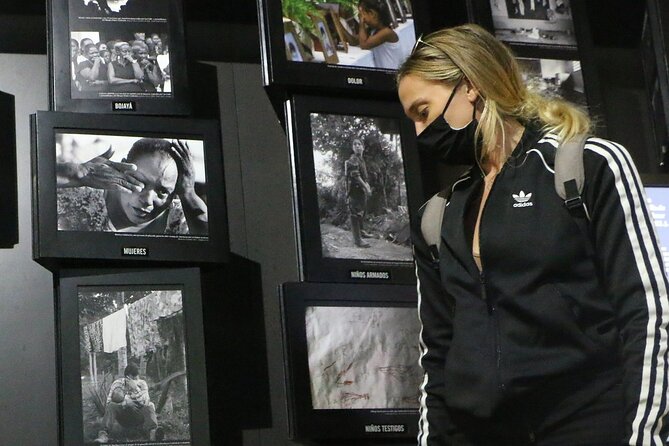
- Museo Casa de la Memoria (Memory Museum) with interactive exhibits and multiple voices
- Parque Memorial Inflexión as a memorial stop tied to victims of the narco wars
- A bilingual guide who explains the era without putting Escobar in the spotlight
- Small-group feel since it’s private for your group only
- Guides sometimes add small practical extras, like adjustments or local food stops, depending on timing
Why this tour feels different than the usual Escobar circuit
Medellín’s narco story is everywhere—on TV, in conversations, in street corners where memory is part of daily life. What makes this experience stand out is the choice to tell the story through impact: how the narco era shaped neighborhoods, daily safety, social trust, and even how the city learned to keep moving.
The tour title, We Don’t Talk About Pablo, is basically a promise about tone. You’re not meant to come out thinking Escobar was a leader or a brand. Instead, you’ll get a more complete picture of the narco phenomenon in Colombia, including how it continues to influence society today and how transformation grew out of surviving the worst of it.
I also appreciate the way the route supports the message. You don’t just sit and listen; you move through parts of the city where the geography matters to understanding why communities were affected the way they were.
We have more tours that tell the sober history of Pablo Escobar and how Medellin moved past it

Price and value: what you’re actually paying for at $95
At $95 per person for about four hours, the headline value is the package, not the price tag. You’re getting hotel pickup and drop-off, a bilingual guide, transport tickets for the cable car and tram, entry fees, and snacks.
That matters in Medellín because the city can be hilly and spread out. Using the cable car and tram isn’t just scenic—it’s practical, and it saves you time figuring out routes. If you’re visiting for a short trip, that convenience can be the difference between squeezing in museums and missing them.
Also, this tour includes admissions for the main museum and the memorial-related stops. If you tried to DIY it, you’d still spend time and money on getting the right transport to the right areas.
A final value point: you’re paying for interpretation. The experience is designed around research-backed storytelling and interactive exhibits at the museum, so the guide helps you connect the dots while you’re there.
The ride that changes your perspective: cable car and tram routing
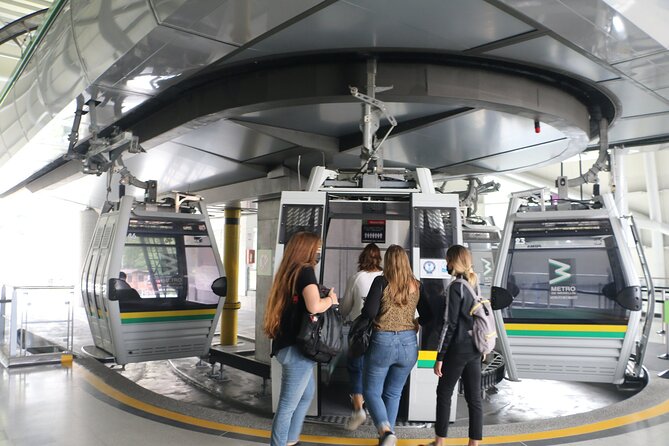
One of the smartest parts is the way transportation is built into the narrative. Starting in the Medellín center-east area and then switching to the cable car gives you a fast sense of how the city is laid out—how neighborhoods rise, how distances work, and why certain places are easier to reach from above than by car.
Then you continue by tram to the Memory Museum. That shift helps you mentally change gears from street-level history to curated storytelling. The message lands better because you’re moving while you learn, instead of treating the tour like a single long lecture.
If you’ve ever visited a city where public transit feels like a local cheat code, you’ll understand why this matters. In Medellín, the cable car and tram aren’t just for getting around—they’re part of the city’s modern identity, and that connects directly to the tour’s theme of resilience and transformation.
Stop 1: Medellín orientation (and why the first hour matters)
The tour begins with hotel pickup in a comfortable, air-conditioned minivan. The first stop is more than a meetup moment—it’s where you get the frame for everything that follows.
Here, the guide sets up how narcotrafficking emerged, why it mattered to everyday life, and how its impacts can still be felt in Colombia today. The important detail is that this is not positioned as an Escobar-centered story. It’s about the broader narco era and the resulting social and environmental wounds.
This hour can help you avoid the most common mistake people make on this topic: getting so focused on names and dates that you miss the bigger system. If you come in with questions—like how communities were pulled into conflict or how government and society reacted—this opening time is a good place to ask them.
Stop 2: Museo Casa de la Memoria and Comuna 8 connection
After the initial framing, you take the cable car to Comuna 8 and then continue by tram to Museo Casa de la Memoria (Memory Museum). This is the tour’s emotional core.
Inside, the museum uses interactive exhibits to show impacts of narcotrafficking on Colombian society through multiple voices. That approach is key. Instead of one straight line narrative, you’re shown different perspectives—stories of struggle, but also recovery and the kind of resilience that doesn’t show up in crime documentaries.
A big plus: the tour description notes the museum collaborated in the design and research of the narrative and contents. Even if you don’t know the background, you can feel the structure—this is built to communicate meaning, not just facts.
Practical tip: museum time is where you’ll likely want to slow down, read carefully, and let the contradictions sit with you. You’ll come away thinking differently about what “memory” means in a city that lived through violence and then had to rebuild social trust.




Stop 3: Parque Memorial Inflexión and the walk through change
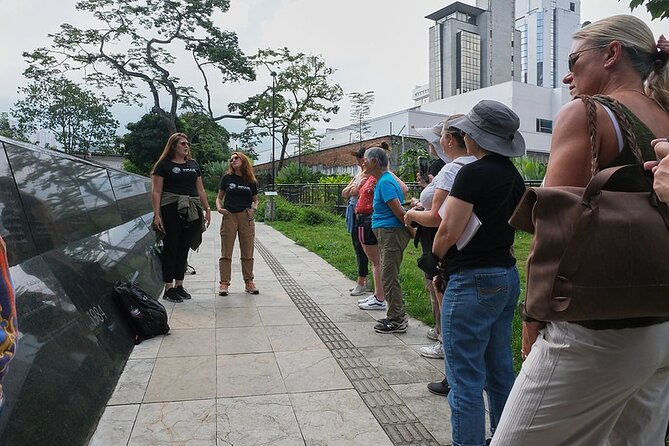
The final segment focuses on Parque Memorial Inflexión, a memorial to victims of the narco wars. This is where the tour becomes less about understanding history in the abstract and more about respecting what happened to real people.
From there, you walk through neighborhood stops that highlight different perspectives of Medellín’s transformation. The tour mentions moving through areas such as El Pinal and Ayacucho, using those locations to connect geography to social change.
This part is valuable because it shows that transformation isn’t one event. It’s visible in how communities rebuild, in how they mark memory, and in how public spaces hold stories for years.
One consideration: walking time depends on your pace and the group, and certain areas are more about context than photo ops. If you’re hoping for constant “wow, look at that” moments, you might find this section feels quieter. But quiet is often the point with memorial spaces.
How the guides set the tone (and why you should care)
The best thing about this tour is not just the route. It’s how the guide tells it.
Across the guides named in people’s experiences, a pattern shows up: they answer questions, keep the tone neutral, and talk about the era in a way that doesn’t turn Escobar into a hero. Guides mentioned include Carlos, Juan Carlos, Wilson, Luis Ospina, Hector, Nicolas, and John William.
Some guides also bring personal perspective from having lived through the era, or from working in public safety during those times. For example, one guide described having been a police officer during the Escobar years in Medellín, and that history shaped how the story landed.
You’ll get the most from the tour if you treat the guide like a teacher and ask more than one question. Good questions include: how were neighborhoods affected differently, how did public policy shift, and what does “resilience” look like day-to-day rather than as a slogan?
What you’ll likely do if your group wants extra moments
This tour is designed around specific stops, but people have shared that guides sometimes adjust schedules or add small extras when timing allows.
For instance, one experience mentions changing the plan after Comuna 13 was already seen on a prior day and adding a visit to La Catedral for a small extra fee. Another mention includes ending with local ice cream in the Comuna 13 area. A different group described visiting the electrical escalator thanks to a guide making it happen.
Those are not guaranteed parts of every run, but they’re a useful clue: if you want more than a rigid script, you’ll probably enjoy working with a guide who can read the day and your interests.
Transportation, comfort, and pacing (the practical stuff)
The whole tour is about four hours. You’ll spend time riding and walking, so comfortable shoes matter. Wear clothes you can move in, since the neighborhood walking is part of the learning—not an afterthought.
The minivan is air-conditioned for the transfer, and then the cable car and tram take over for the route segments. If you get motion- or altitude-sensitive, you might want to take it easy during the cable car portion and pace your breathing on the ride.
Snacks are included. That’s a small detail, but it helps a lot when you’re mixing museum time with walking and transit.
Also, it’s private for your group only. That tends to make it easier to ask questions without feeling like you’re interrupting a big crowd. It’s especially nice if you’re traveling with a partner or parents.
Best for: what kind of trip this fits
This is a great choice if you:
- Want Medellín context that goes beyond the Netflix-style take on Pablo
- Prefer learning from real places and how cities remember
- Like interactive museum exhibits and guided interpretation
- Care about social impact, victims’ stories, and how Medellín changed afterward
You may feel less satisfied if you:
- Only want “famous Escobar spots” for photos
- Expect a heavy focus on interiors or dramatic remaining structures
- Don’t want memorial and museum time to take up most of your experience
A balanced way to put it: this tour is for people who want to understand the cost of the narco era and what the city did to heal—not just to collect names.
A few words on what you might see (and what you might not)
Some parts of the story can’t be restored into something flashy. People’s notes include that certain exteriors can feel like less is visible than expected, such as an area related to Escobar’s death that turned out to be more limited than imagined.
That doesn’t mean the tour is weak. It means your expectations should match the reality of a memorialized city. Think: perspective, interpretation, and place-based context—not a theme-park layout.
If you go in knowing that, you’ll likely leave with a stronger emotional understanding than you would from purely visual sightseeing.
Should you book this Medellín tour?
I’d book it if you want an informed, non-sensational look at the narco era—one that connects history to how Medellín operates now. The cable car and tram routing helps you see the city while you learn, and the Memory Museum plus Parque Memorial Inflexión give the story weight.
I’d skip or reconsider if your goal is mainly Escobar trivia and iconic photo stops. This tour is built around transformation, victims, and resilience. It may not satisfy if you’re expecting a greatest-hits itinerary.
If you’re arriving in Medellín and want a strong first-day learning foundation, this style of tour is also a smart move because it gives you context before you start exploring on your own.
FAQ
How long is the tour?
It lasts about 4 hours.
How much does it cost?
The price is $95.00 per person.
What’s included in the price?
A bilingual guide (English and Spanish), hotel pickup and drop-off, cable car and tram tickets, snacks, and entry tickets.
Is transportation by cable car and tram included?
Yes. Cable car and tram tickets are included, and the route uses both.
Is this a private tour?
Yes. It’s private, and only your group participates.
What should I wear?
Wear comfortable clothes and shoes.
What areas are part of the route?
The tour includes the Medellín center-east area, uses cable car access to Comuna 8, and includes Museo Casa de la Memoria plus Parque Memorial Inflexión with neighborhood stops such as El Pinal and Ayacucho.
FAQ
Can I cancel for a full refund?
Yes. Free cancellation is offered, and you can cancel up to 24 hours in advance for a full refund.
More Pablo Escobar History Tours in Medellin

More Medellin Tours and Experiences to Read Next
Not quite your thing? Here is more to do around Medellin, freshly reviewed






Pablo Escobar History Tours, compared.
 ★ 4.8The Real Pablo Escobar TourFrom $423,205 reviews
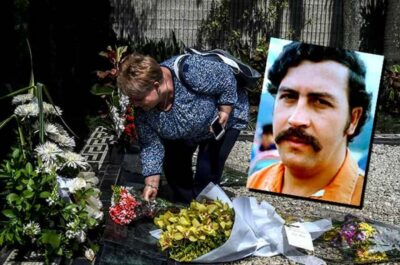 ★ 4.7Pablo Escobar Tour with beer includedFrom $31612 reviews
 ★ 4.7Guatapé Day Trip & Boat to Pablo Escobar’s EstateFrom $64365 reviews
 ★ 4.9Private Pablo Escobar and Comuna 13 TourFrom $81233 reviews
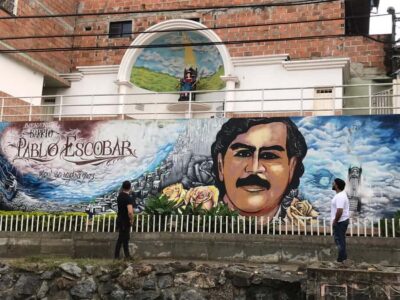 ★ 4.8Private Pablo Escobar Tour with Cable Car RideFrom $73228 reviews
 ★ 4.9From Medellín: Private Pablo Escobar History TourFrom $6384 reviews
 ★ 4.8Medellin Pablo Escobar TourFrom $5581 reviews
 ★ 5.0(Private Guatapé) Mansion Pablo Escobar+Paintball+Cuatrimoto+BoatFrom $23573 reviews
Browse the lists this tour appears in