
REVIEW · PABLO ESCOBAR HISTORY TOURS
Medellín: Pablo Escobar Jail Private Tour
Medellín’s narco past has teeth. In a tight four-hour private tour, you’ll trace Pablo Escobar’s story through the places tied to his rise, his violence, and his final moments. You’re not just looking at rooftops and ruins—you’re hearing the context behind them, including the rivalry between the Medellín and Cali cartel.
I love how the tour keeps a clear line between history and glorification. With an insider guide who’s comfortable in Spanish and English, the explanations aim to be nuanced and human—revered by some, hated by many, and felt sharply by people who lost loved ones.
One consideration: this is emotionally heavy territory. You’ll visit sites connected to killings and hear hard stories, and food and drinks aren’t included, so you’ll want to plan a meal around the tour.
In This Review
- Key things to know before you go
- A 4-hour narco reality check in Medellín
- Price and what $135 buys you (and why it can be worth it)
- Pickup zones, timing, and how the half-day actually works
- Escobar’s rise, money, and the two-sided reputation you’ll hear
- Visiting Escobar’s self-designed “prison” house
- The murder site where associates were killed
- Monaco building ruins and the start of Medellín vs Cali cartel war
- The last house where Escobar lived and died
- Who this tour is best for (and who should think twice)
- Practical details that help you enjoy the tour more
- Should you book the Pablo Escobar Jail Private Tour?
- FAQ
- How long is the Pablo Escobar Jail Private Tour?
- How much does the tour cost?
- What’s included in the price?
- Do I need to pay for food or drinks?
- Where is hotel pickup available?
- What language is the guide available in?
- Is free cancellation available?
Key things to know before you go
- Private, guided access to several high-impact Escobar sites in one half-day block.
- Cartel rivalry context: the Medellín vs Cali war is part of the story, not just a side note.
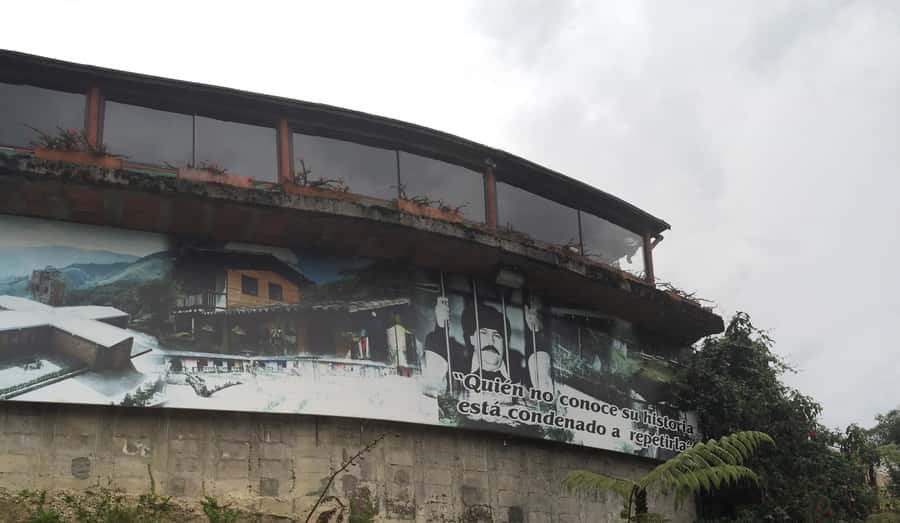
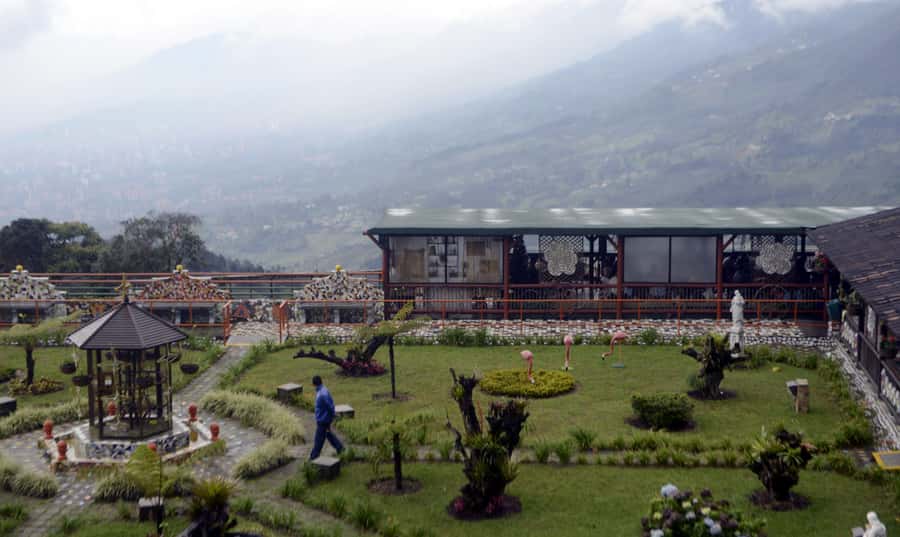
- Escobar’s self-designed “prison” plus the site of his murders of associates.
- Monaco building ruins where the cartel conflict is described as starting.
- Last house where he lived and died, giving the timeline a hard ending.
A 4-hour narco reality check in Medellín
If you come to Medellín hoping for pretty scenery only, this tour will recalibrate your expectations fast. The point here isn’t entertainment. It’s to understand how one man’s criminal empire shaped neighborhoods, politics, and daily life—then see the physical leftovers of that era with an actual guide turning on the lights.
Over four hours, you cover more than one “photo stop.” You follow a narrative: Escobar moves from petty theft toward extreme wealth, and the story then turns into how that wealth was framed and used. You also get the dual reality most people struggle with: some people saw him as a hero of sorts; others saw him as pure terror. That push-pull makes the tour more than a list of names.
You should also know what kind of tour this is. It’s a private group with hotel pickup and drop-off, so the schedule stays compact. That means fewer transitions and more time focused on meaning—and also fewer chances to slow down when a subject gets intense.
We have more tours that tell the sober history of Pablo Escobar and how Medellin moved past it

Price and what $135 buys you (and why it can be worth it)
At $135 per person for a four-hour private tour with pickup, guide time, and multiple major sites, the value comes from the “someone else handles it” part. You’re paying for transportation coordination, a guide who can explain the context in real time, and the ability to hop between locations without you piecing together routes.
Could you learn the same facts alone? Sure. But you’d miss the practical benefits: a live guide to answer questions, help you make sense of why certain locations matter, and set expectations around what you’re looking at. The reviews highlight that the tone stays careful—informative without turning into hero worship—which is a big deal in a topic like this.
One more value factor: the tour is designed to be emotional but guided. You’re not left alone at heavy sites. Even if you only care about one part of the Escobar story—like the “prison” or the cartel war—you still get the framing that makes the stops connect.
Pickup zones, timing, and how the half-day actually works
This is a 4-hour private tour with hotel pickup and drop-off. Pickup is possible from hotels in El Poblado and Laureles. If you’re staying elsewhere in Medellín, you’ll need to contact the operator after booking to confirm the meeting point.
Why this matters for you: Medellín traffic and distances can change quickly depending on where you sleep. Having pickup in the main tourist areas keeps the experience smoother. It also helps you avoid the “I lost 45 minutes getting there” problem that turns a short tour into a long day.
Language is another practical point. The tour runs with a live guide in Spanish and English, so you’re not relying on audio playback. That matters most when the guide is connecting the dots—like explaining the rivalry between cartels or tying the sites to the timeline of Escobar’s rise and fall.
And because private means private, the pacing can flex around the group’s questions. You’ll still keep the overall structure of a half-day, but you’re not stuck in a rigid script.
Escobar’s rise, money, and the two-sided reputation you’ll hear
The tour’s backbone is Escobar’s transformation. You start with how he moved from being a common car thief toward a man so wealthy he’s said to have offered to pay Colombia’s debt of 13 billion dollars. That leap—small-time beginnings to massive power—sets up why his story becomes so politically loaded.
You’ll also hear how different groups reacted to him. In this tour framing, Escobar is portrayed as both revered and hated. Reactions aren’t hand-waved; the guide connects them to real consequences, including the families of victims. The goal isn’t to make you pick a team. It’s to show why people found him compelling at times, even while others experienced him as an ongoing nightmare.
This matters because without context, the sites can look like movie props. With the story in your head, you see the locations as reminders of systems—fear, money, corruption, and violence—rather than just “famous places.”
Visiting Escobar’s self-designed “prison” house
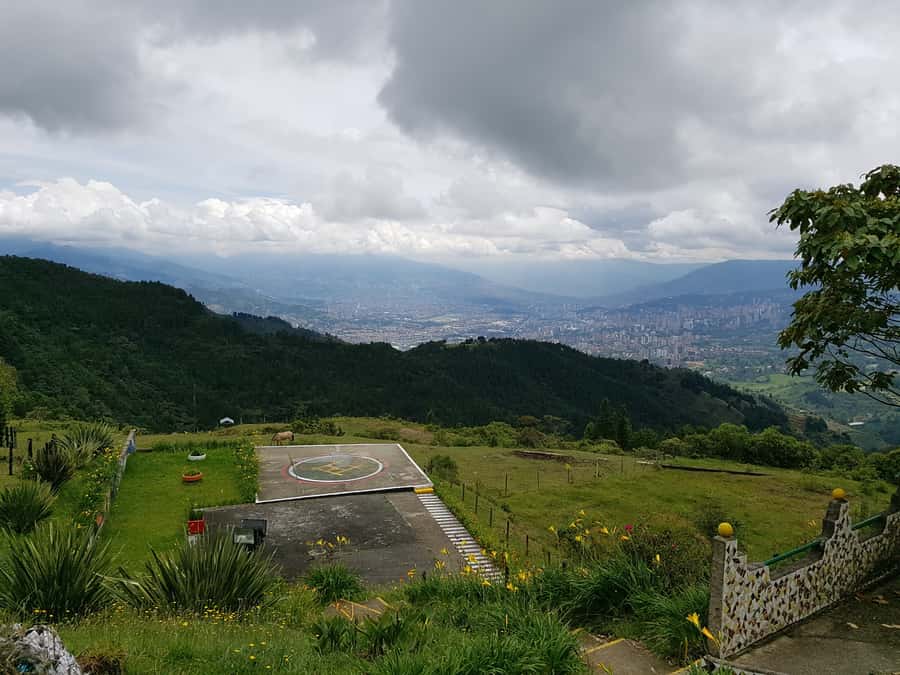
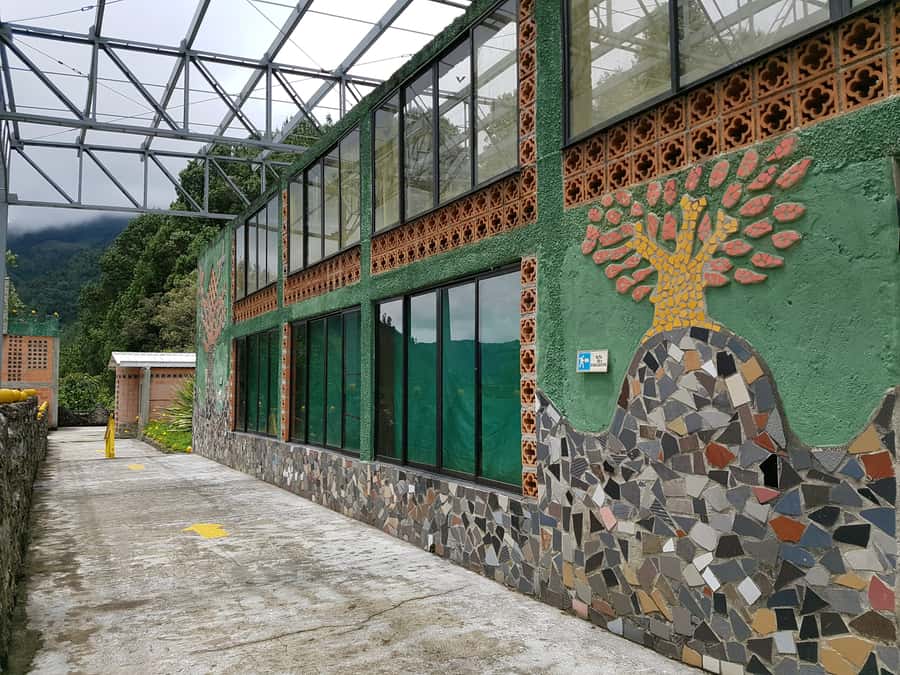
One of the most striking stops is Escobar’s self-designed “prison.” This is the kind of location that forces a big question: how does a criminal mastermind use confinement for control and messaging?
In the tour experience, the guide uses this stop to explain the contradictions. Escobar is presented as someone who blurred boundaries—creating a setup that functioned like a prison while maintaining an image and power structure around him. Whether you approach the story as history, sociology, or crime analysis, the site is a tangible anchor.
Practical tip: this is also a location where you’ll want to listen closely and ask questions if something feels unclear. With a live guide, you can get clarification on what you’re seeing and why it matters. The reviews strongly emphasize guides who answer questions in detail, so this is where that skill pays off.
One drawback of any “real-world” crime site tour: your emotional reaction will be yours to manage. Some people find this stop fascinating; others find it unsettling. Either reaction is valid—just be ready for the tone of the tour overall.
More private tours to shape around your own pace in Medellin





The murder site where associates were killed
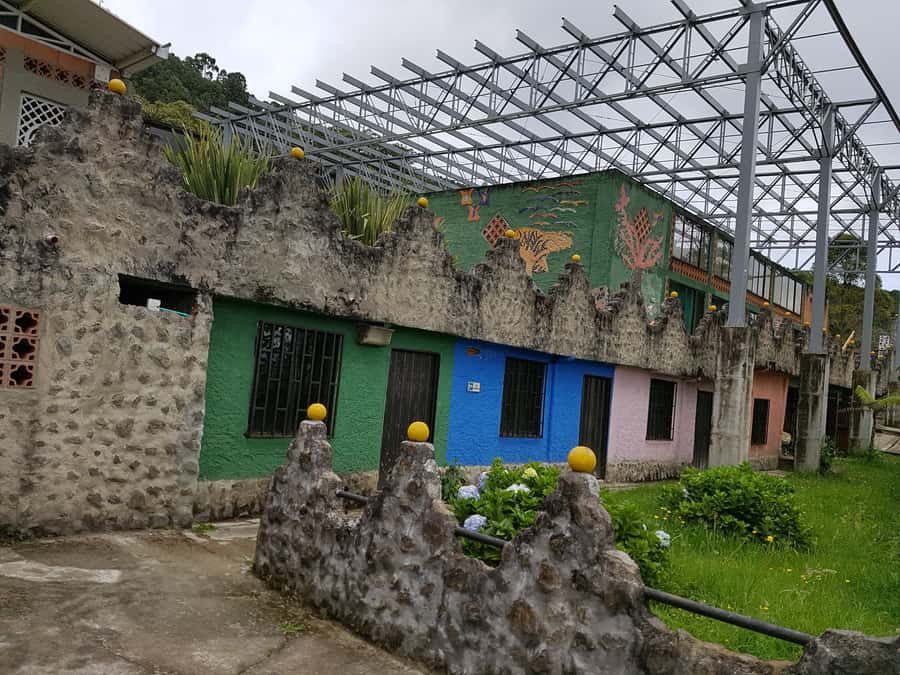
Another stop brings things darker. You’ll visit the site where Escobar murdered several of his own associates. This is not a casual photo stop. It’s part of the tour’s emotional arc, where the story shifts from public myth to internal brutality.
Why include this? Because it explains the fragility of the empire. Even people close to him weren’t safe. The guide’s framing keeps the focus on the cost—how fear and violence weren’t limited to outsiders.
If you’re sensitive to heavy topics, be honest with yourself here. This is the part that can feel stomach-churning, not because the tour is theatrical, but because the subject matter is what it is. I’d suggest you mentally prepare for a low point during the middle of the experience, so you’re not blindsided.
Also, no food or drinks are included. At some point you may want a break, but this tour is built around the four-hour timeframe, so plan accordingly.
Monaco building ruins and the start of Medellín vs Cali cartel war
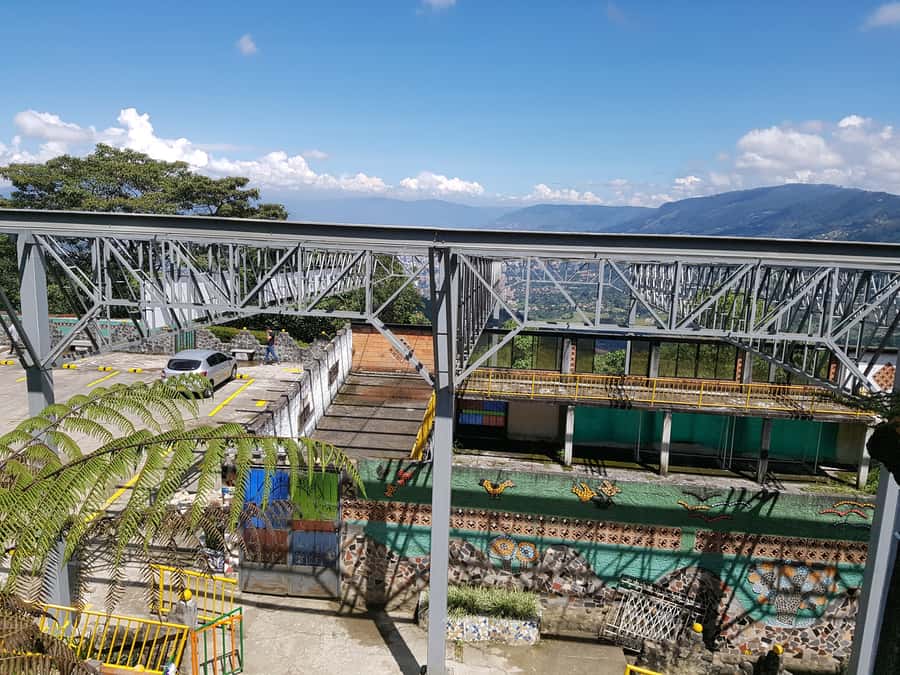
The tour also includes a trip to the Monaco building ruins, described as the place where the war between the Cali and Medellín cartels started. That phrasing matters: instead of treating cartels as separate stories, the tour connects them as competing forces.
Ruins have a way of compressing time. Where you stand becomes a physical pointer to a specific turning point in the broader conflict. With a guide, you get context for why that moment mattered and how it shaped the violence that followed.
This stop is often the most “story-logic” part of the tour. It’s where the guide helps you understand why rivalry intensified and how the power struggle escalated. If your interest leans toward understanding the system—how gangs compete, fragment, and fight—this is likely to be the moment you remember most.
The last house where Escobar lived and died
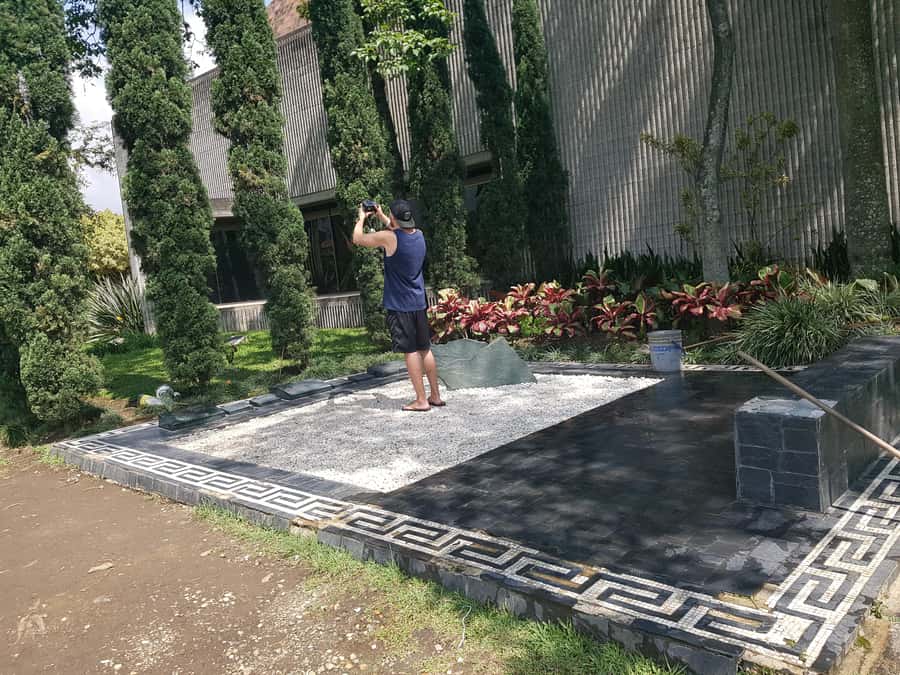
You finish with the last house where he lived and died. Ending here gives the tour a hard closure that a purely museum-based approach can’t. Instead of stopping at “what happened,” you land at the place connected to the end.
In a story that covers rise, reputation, and violence, an ending location does more than wrap up facts. It makes you feel the time pressure of the era—the sense that events were rushing toward a climax. You also get a clearer view of the arc: from the beginnings, through the cartel war, into the internal murders and final confrontation.
This last stop is where your earlier context pays off. If you’ve been tracking the theme—revered versus hated, power versus consequence—you’ll likely understand why the ending feels so final. It’s not just biography. It’s the aftermath written in architecture and location.
Who this tour is best for (and who should think twice)
This tour is best for you if you:
- Want a guided, site-based understanding of Medellín’s Pablo Escobar era
- Prefer explanations that stay careful and don’t glamorize crime
- Like the added clarity of seeing key places tied to the story, in a compact four-hour plan
- Want a private format with pickup, so your day stays efficient
Think twice if you:
- Don’t handle emotionally intense topics well
- Prefer light, feel-good sightseeing only
- Get uncomfortable with murder-related context and stories tied to real victims
The best fit is someone who wants real context and can accept that this history is complicated and painful.
Also, it’s wheelchair accessible. If mobility is a factor for you, it’s a good sign that the operator has planned for access.
Practical details that help you enjoy the tour more
A few things will make your experience smoother:
- Bring your passport or ID card.
- The tour does not allow alcohol and drugs.
- Plan your food timing since lunch and drinks aren’t included.
- Wear comfortable shoes. You’ll be moving between locations, and some spots are ruins or uneven areas.
One more thing: confirmation is received at the time of booking, so make sure the name on your ID matches your booking.
This tour is built around your guide’s storytelling. If you arrive ready to listen, ask questions, and accept the emotional tone, you’ll get more out of every stop.
Should you book the Pablo Escobar Jail Private Tour?
I’d book it if you want a private, four-hour Medellín experience that ties together the rise and fall of Escobar with real locations: the self-designed prison, the murder site of associates, the Monaco building ruins connected to the cartel war, and the last house where he lived and died.
Skip it (or at least reconsider) if you’re looking for a casual history walk. This isn’t that. It deals with real harm and the human cost of the era, and the tone can be heavy.
If you do book, I’d go in with one goal: understand the full picture, not just the headline version. When you connect the story to the spaces, the experience makes more sense—and the meaning sticks long after you leave.
FAQ
How long is the Pablo Escobar Jail Private Tour?
It lasts 4 hours.
How much does the tour cost?
The price is $135 per person.
What’s included in the price?
Included are the guide, hotel pickup and drop-off, and the private tour.
Do I need to pay for food or drinks?
No. Food and drinks are not included, and lunch is also not included.
Where is hotel pickup available?
Pickup is possible from hotels in El Poblado and Laureles. If you stay elsewhere, contact the operator after booking for your meeting point.
What language is the guide available in?
The live guide is available in Spanish and English.
Is free cancellation available?
Yes. You can cancel up to 24 hours in advance for a full refund.
More Tours across Medellin and Antioquia





More Pablo Escobar History Tours in Medellin
More Medellin Tours and Experiences to Read Next
Not quite your thing? Here is more to do around Medellin, freshly reviewed







Pablo Escobar History Tours, compared.
 ★ 4.8The Real Pablo Escobar TourFrom $423,205 reviews
 ★ 4.7Pablo Escobar Tour with beer includedFrom $31612 reviews
 ★ 4.7Guatapé Day Trip & Boat to Pablo Escobar’s EstateFrom $64365 reviews
 ★ 4.9Private Pablo Escobar and Comuna 13 TourFrom $81233 reviews
 ★ 4.8Private Pablo Escobar Tour with Cable Car RideFrom $73228 reviews
 ★ 4.9From Medellín: Private Pablo Escobar History TourFrom $6384 reviews
 ★ 4.8Medellin Pablo Escobar TourFrom $5581 reviews
 ★ 5.0(Private Guatapé) Mansion Pablo Escobar+Paintball+Cuatrimoto+BoatFrom $23573 reviews
Browse the lists this tour appears in